Table of Contents
Why Modern Underground Projects Depend on Smarter Machinery
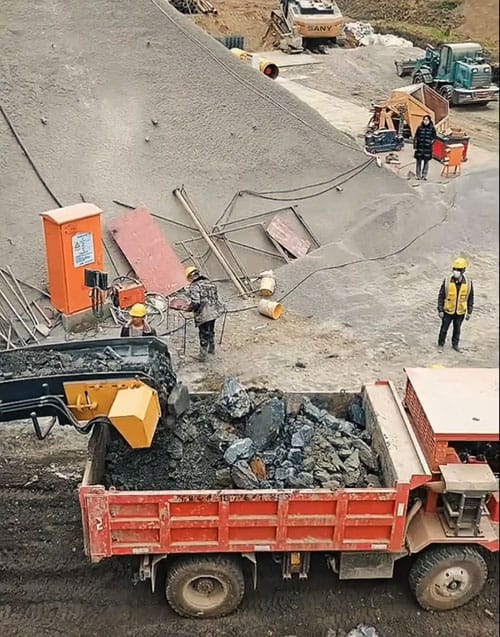
If you are involved in underground mining, tunneling, or heavy excavation projects, you already understand that productivity underground is very different from productivity on the surface. In underground environments, every meter of tunnel space, every transportation cycle, and every operational delay directly affects cost, safety, and project timelines.
What many project managers eventually realize is that underground efficiency is no longer determined only by drilling speed or blasting output. The real competitive advantage comes from how effectively your entire underground system works together. This is exactly why modern companies are investing heavily in advanced underground mining machinery.
Today’s underground projects face increasing pressure:
- Higher labor costs
- Stricter safety standards
- More complex geological conditions
- Tighter project deadlines
- Increasing operational risks in confined environments
As a result, underground mining machinery has evolved from simple heavy equipment into integrated productivity systems designed to maximize efficiency while minimizing operational interruption.
Whether you are operating in hard rock mining, tunnel excavation, hydropower construction, or underground infrastructure development, the machinery you choose directly impacts:
- Production output
- Worker safety
- Maintenance costs
- Fuel consumption
- Long-term project profitability
In fact, according to underground construction workflow analyses commonly referenced in mining engineering studies, material handling and underground transportation can account for nearly 40% of total operational cycle time. That means even small improvements in equipment efficiency can generate major gains across the entire project lifecycle.
This article will help you understand how modern underground mining machinery is transforming underground operations, what features matter most, how to choose the right equipment, and why efficient machinery is now considered a strategic investment rather than simply a purchase decision.
What Is Underground Mining Machinery?
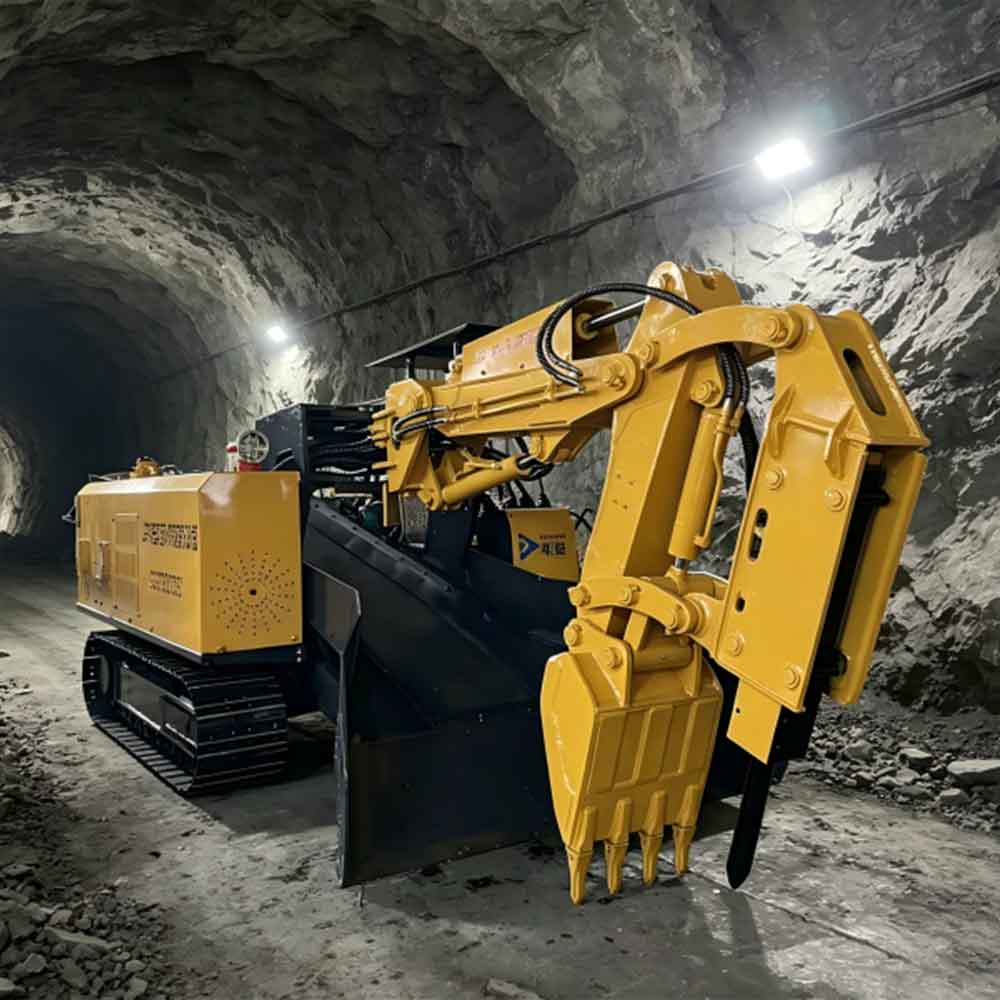
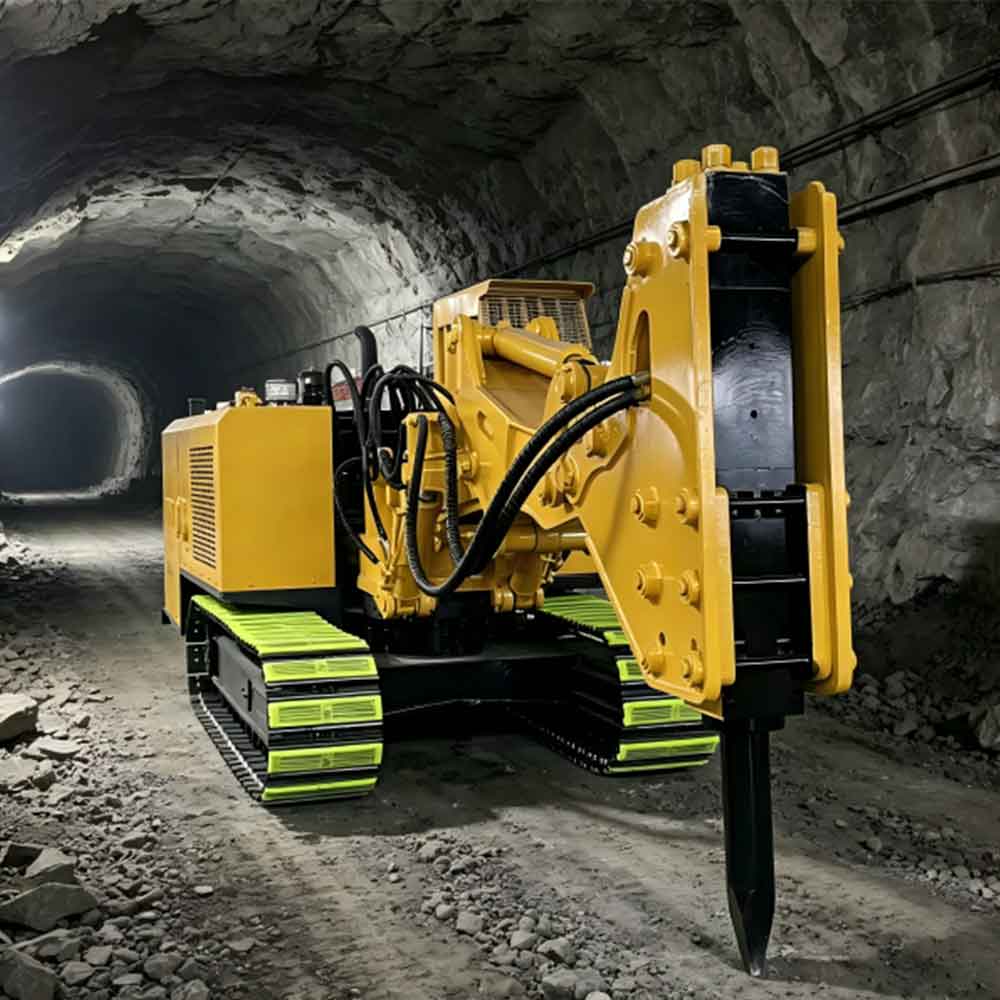
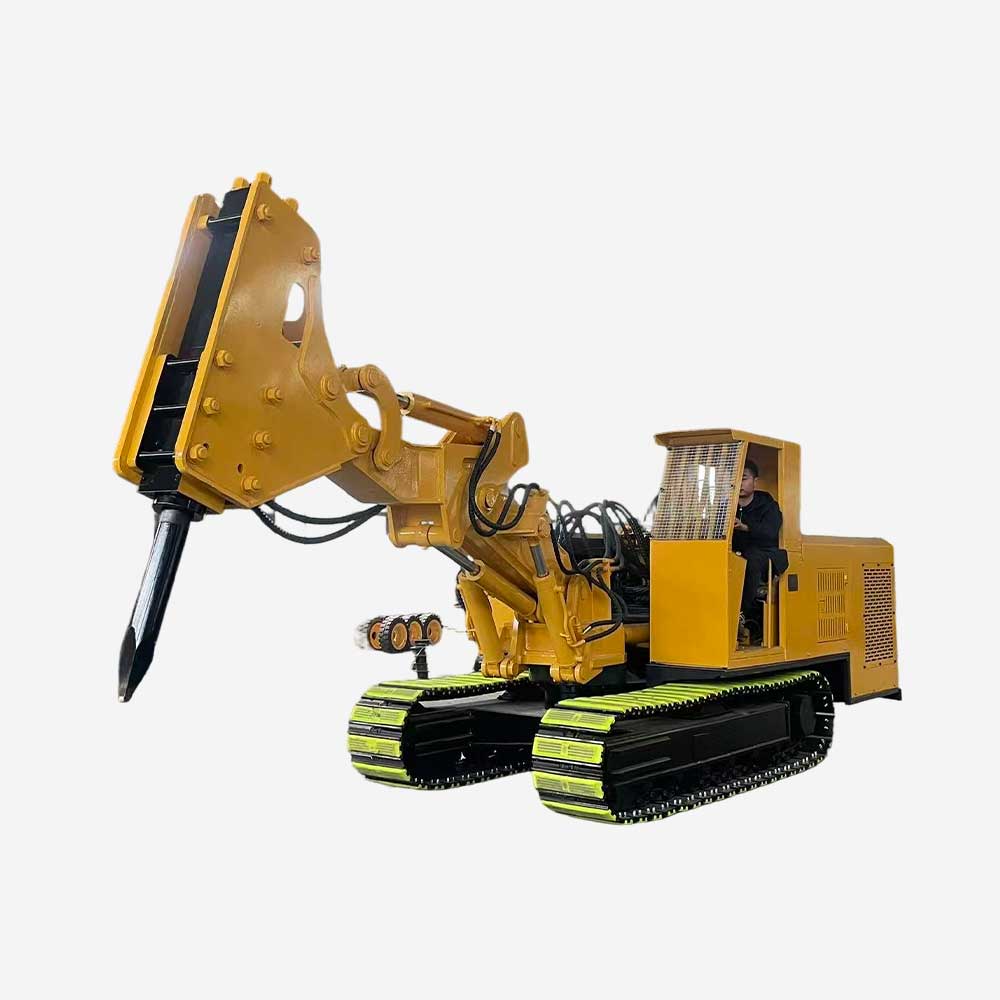
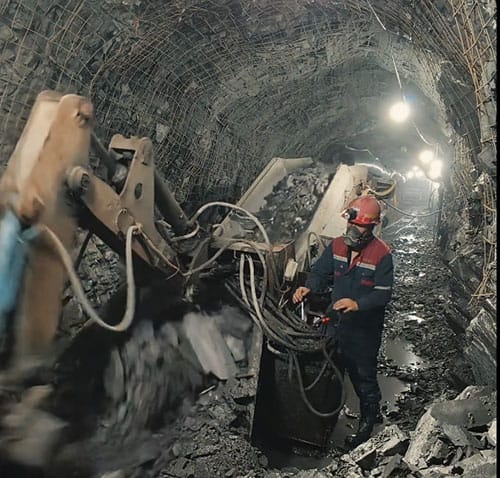
Underground mining machinery refers to specialized heavy equipment engineered specifically for underground excavation, material handling, transportation, and support operations in confined environments.
Unlike surface mining equipment, underground machinery must operate under much harsher constraints:
- Narrow tunnel dimensions
- Limited ventilation
- Low visibility
- Uneven and unstable terrain
- Continuous heavy-duty operation cycles
Because of these conditions, underground machinery is designed with compact structures, reinforced components, high maneuverability, and advanced safety systems.
Common categories include:
- Underground loaders
- Mining dump trucks
- Mucking machines
- Drilling equipment
- Underground excavators
- Haulage systems
- Tunnel support machinery
Each machine plays a critical role in maintaining continuous underground workflow.
Why Underground Mining Machinery Has Become More Important Than Ever
Several major industry trends are driving demand for more advanced underground machinery.
Increasing Labor Costs
Manual underground operations are becoming less sustainable due to rising labor costs and workforce shortages. Mechanized systems allow companies to maintain productivity with fewer workers.
For example, one underground loader can often replace the workload of 10–15 manual workers in material handling operations.
Higher Safety Expectations
Underground environments remain one of the most dangerous industrial workplaces. Falling rock, poor air quality, confined movement areas, and heavy material handling all create operational hazards.
Modern underground mining machinery reduces worker exposure to dangerous areas while improving operational consistency.
More Complex Underground Projects
Many new projects involve:
- Deeper excavation zones
- Longer tunnels
- Harder geological conditions
- More demanding infrastructure requirements
Older machinery often struggles to maintain efficiency under these conditions.
Pressure to Improve Operational Efficiency
Project owners increasingly expect:
- Faster completion timelines
- Lower operating costs
- Higher productivity rates
- Reduced downtime
Efficient machinery has become one of the few ways to achieve all four simultaneously.
Core Types of Underground Mining Machinery
Underground Loaders
Underground loaders are designed to collect and transport blasted rock, ore, or debris inside confined tunnels.
Their key advantages include:
- Compact turning radius
- High loading efficiency
- Strong terrain adaptability
- Reduced labor dependency
Modern underground loaders can dramatically reduce material congestion at excavation faces.
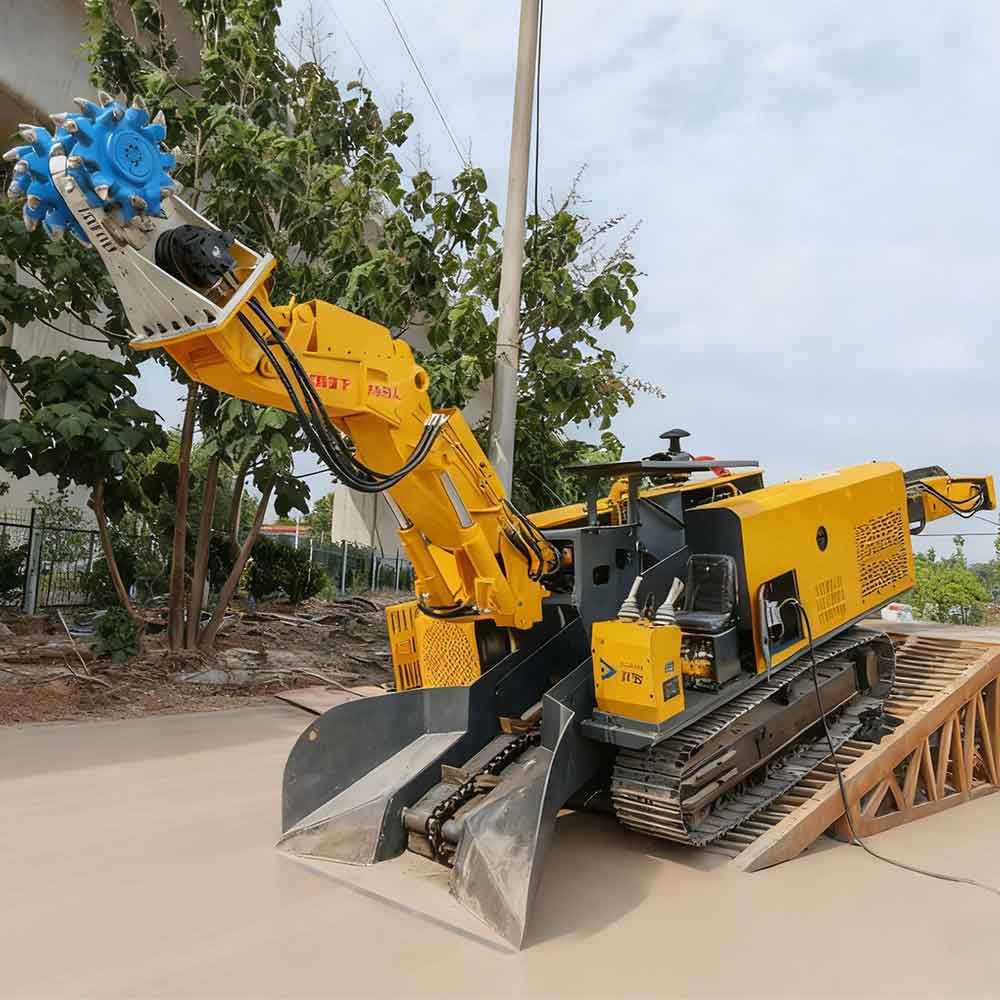
Mining Mucker Machines
Mucking machines specialize in continuous underground material removal.
These systems are commonly used in:
- Mining tunnels
- Subway construction
- Hydropower tunnel excavation
Their ability to maintain continuous mucking cycles significantly improves excavation efficiency.
Underground Mining Dump Trucks
Underground dump trucks transport material through confined underground haulage routes.
Unlike surface dump trucks, they are engineered for:
- Low tunnel clearance
- Heavy-duty incline operation
- Compact maneuverability
They form the transportation backbone of underground logistics systems.
Drilling Machinery
Underground drilling equipment is responsible for:
- Blast hole drilling
- Rock penetration
- Exploration drilling
- Support installation preparation
Efficient drilling systems directly influence excavation speed.
The Engineering Challenges Underground Machinery Must Solve
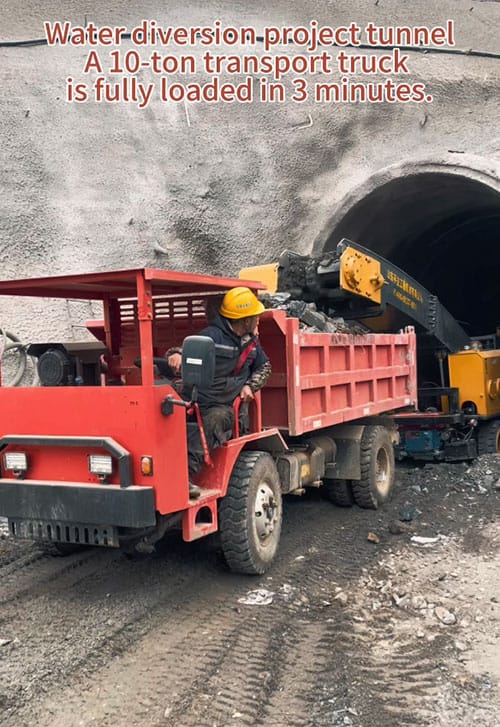
Tight Space Maneuverability
One of the biggest underground operational challenges is turning space.
Traditional equipment often struggles in narrow tunnels because it requires wide turning radius and multiple repositioning cycles.
Modern underground machinery solves this through:
- Articulated steering systems
- Compact chassis designs
- Optimized wheelbase geometry
This improves both productivity and operational safety.
Terrain Adaptability
Underground conditions are rarely stable.
Machinery must operate effectively on:
- Muddy ground
- Loose rock surfaces
- Uneven excavation floors
- Steep incline tunnels
Advanced traction systems and reinforced suspension structures allow machines to maintain stability under these conditions.
Continuous Heavy-Duty Operation
Unlike occasional surface work, underground machinery often operates continuously for long shifts with minimal downtime.
This requires:
- Reinforced structural engineering
- Wear-resistant materials
- High-capacity cooling systems
- Reliable hydraulic performance
Durability directly affects operational profitability.
Real Case Study: How Modern Machinery Improved Tunnel Productivity
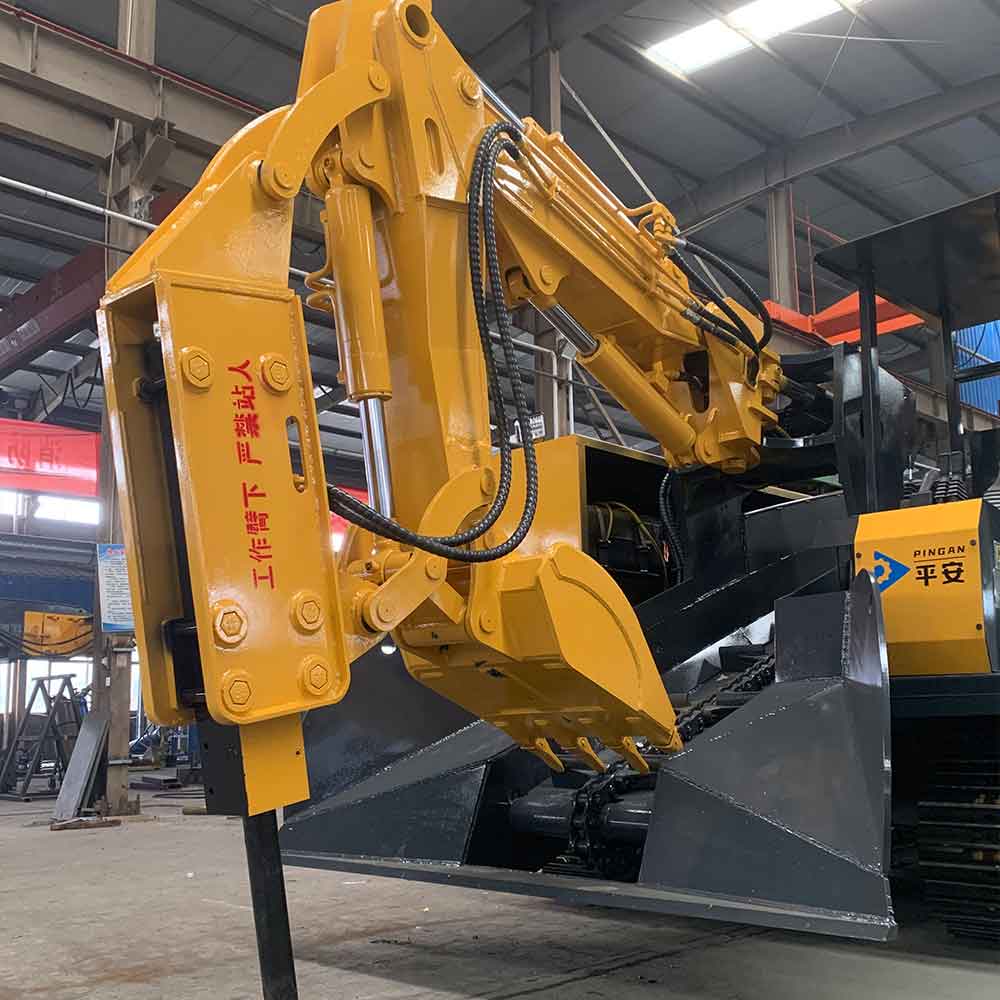
In a medium-scale underground infrastructure project based on aggregated engineering field data, operators initially relied heavily on manual labor and older transport systems.
Before Equipment Upgrade
- Workforce: 16 workers
- Daily material handling output: 140 tons
- Frequent operational delays
- High maintenance downtime
- Material congestion at excavation face
After Introducing Modern Underground Mining Machinery
- Workforce reduced to 5 operators
- Daily output increased to 240 tons
- Cycle efficiency improved by approximately 45%
- Downtime significantly reduced
- Tunnel workflow became more predictable
The biggest improvement was not simply production volume. It was operational consistency, which made project scheduling more accurate and cost forecasting more reliable.
Comparison Table: Manual vs Modern Underground Machinery
| Factor | Manual/Older Systems | Modern Underground Mining Machinery |
|---|---|---|
| Productivity | Low | High |
| Labor Requirement | High | Lower |
| Safety Risk | High | Reduced |
| Maintenance Efficiency | Limited | Improved |
| Cycle Time | Longer | Shorter |
| Terrain Adaptability | Moderate | Excellent |
| Long-Term Cost Efficiency | Lower | Higher |
| Operational Stability | Inconsistent | Stable |
How You Should Choose Underground Mining Machinery
Selecting underground equipment is not only about specifications. You need to evaluate real operational requirements.
Tunnel Dimensions
Always match equipment size with:
- Tunnel width
- Ceiling height
- Turning areas
Oversized equipment creates congestion and operational inefficiency.
Material Handling Capacity
Your machinery must support your planned production output without creating bottlenecks.
You should calculate:
- Tons per shift
- Cycle frequency
- Transportation distance
before selecting equipment.
Ground Conditions
Different underground conditions require different structural strengths.
For example:
- Mud-heavy environments need better traction systems
- Rocky environments require stronger wear resistance
Maintenance Accessibility
Machines designed with modular maintenance structures reduce repair time and downtime costs.
Operator Training Requirements
Complex machinery may require advanced operator training.
User-friendly systems often improve productivity faster during deployment.
Maintenance Strategies That Extend Machinery Lifespan
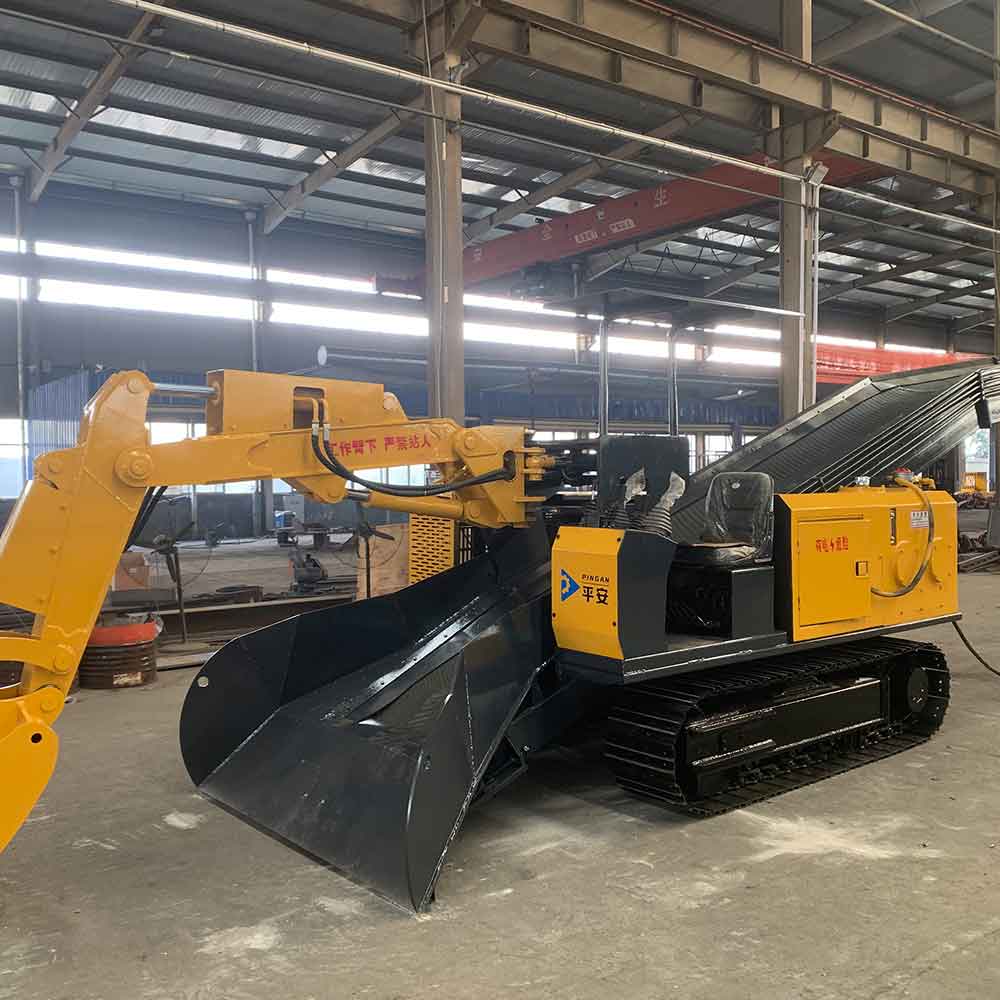
Underground equipment experiences intense wear due to:
- Dust exposure
- Moisture
- Vibration
- Continuous load cycles
Without proper maintenance, even high-quality machinery can experience rapid performance decline.
Daily Inspection Checklist
- Hydraulic pressure inspection
- Tire or track condition
- Fluid leakage detection
- Bucket and structural wear check
Weekly Maintenance
- Lubrication of articulation joints
- Cooling system inspection
- Electrical system testing
Monthly Maintenance
- Structural bolt tightening
- Hydraulic calibration
- Full mechanical inspection
Preventive maintenance can significantly reduce unexpected failures and improve long-term operational reliability.
Technology Trends Transforming Underground Mining Machinery
Semi-Automated Operation
Modern underground systems increasingly integrate automation-assisted controls that improve precision and reduce operator fatigue.
Predictive Maintenance Systems
Sensor technology can now detect:
- Abnormal vibration
- Hydraulic pressure irregularities
- Engine performance changes
before major failures occur.
Energy Efficiency Improvements
New powertrain systems reduce:
- Fuel consumption
- Heat generation
- Emissions in confined environments
This is especially important in underground ventilation management.
Intelligent Safety Systems
Advanced safety technologies now include:
- Collision warning systems
- Proximity sensors
- Emergency braking systems
- Operator visibility enhancement
These systems help reduce underground accident risk.
Why Efficient Underground Machinery Creates Competitive Advantage
The mining and tunneling industries are becoming increasingly competitive. Companies that complete projects faster and more efficiently gain significant advantages.
Efficient underground mining machinery helps you:
- Reduce labor dependency
- Improve project timelines
- Lower maintenance costs
- Increase operational reliability
- Improve safety performance
In modern underground engineering, machinery is no longer just equipment—it is a productivity strategy.
Final Thoughts
If you want to improve underground efficiency, reduce operational risk, and maintain consistent project performance, investing in the right underground mining machinery is one of the most important decisions you can make.
The most successful underground operations today are not necessarily the ones with the biggest workforce or the most aggressive excavation schedules. They are the ones with the most efficient systems for moving material, maintaining workflow continuity, and minimizing downtime.
Modern underground mining machinery gives you the ability to transform underground operations from labor-intensive processes into streamlined, predictable, and highly productive systems.
As underground engineering projects become more demanding, the gap between outdated equipment and modern machinery will only continue to grow.
And in a competitive industry where delays are expensive, efficiency is no longer optional.
FAQ
What is underground mining machinery used for?
It is used for excavation, material handling, transportation, drilling, and support operations in underground environments.
Why is underground machinery different from surface equipment?
Underground machinery is designed for confined spaces, harsh terrain, low visibility, and continuous heavy-duty operation.
How does underground machinery improve productivity?
It reduces cycle time, improves material handling efficiency, and minimizes operational interruptions.
Can underground machinery reduce labor costs?
Yes. Many underground machines can replace large manual labor teams while improving consistency and safety.
What industries use underground mining machinery?
Mining, tunneling, subway construction, hydropower engineering, and underground infrastructure development.