Оглавление
Почему современные подземные проекты зависят от более умной техники
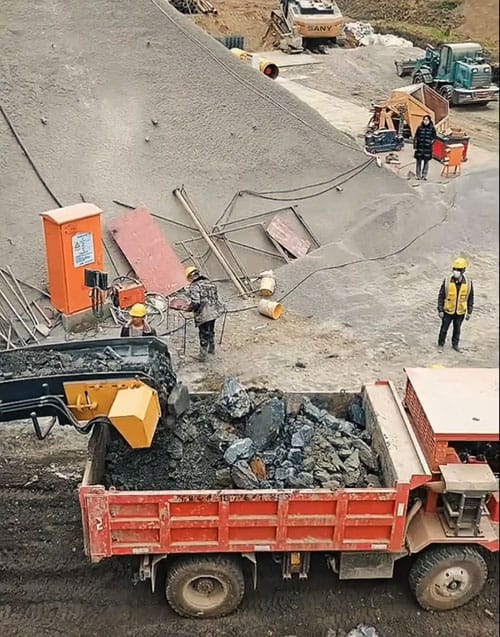
Если вы участвуете в подземных горных работах, туннелировании или тяжелых земляных работах, вы уже понимаете, что производительность под землей сильно отличается от производительности на поверхности. В подземных средах каждый метр туннельного пространства, каждый транспортный цикл и каждая операционная задержка напрямую влияют на стоимость, безопасность и сроки реализации проекта.
Многие руководители проектов в конечном итоге понимают, что эффективность подземных работ больше не определяется только скоростью бурения или производительностью взрывных работ. Реальное конкурентное преимущество заключается в том, насколько эффективно работает вся ваша подземная система вместе. именно поэтому современные компании вкладывают значительные средства в передовые подземные горные машины.
Сегодняшние подземные проекты сталкиваются с возрастающим давлением:
- Более высокие затраты на рабочую силу
- Более строгие стандарты безопасности
- Более сложные геологические условия
- Ужесточение сроков реализации проекта
- Увеличение эксплуатационных рисков в условиях ограниченного доступа
В результате подземная горнодобывающая техника превратилась из простого тяжелого оборудования в интегрированные системы производительности, предназначенные для максимизации эффективности при минимизации перерывов в работе.
Независимо от того, работаете ли вы в добыче твердых пород, проходке туннелей, строительстве гидроэлектростанций или развитии подземной инфраструктуры, выбранное вами оборудование напрямую влияет:
- Производственная продукция
- Безопасность рабочих
- Расходы на техническое обслуживание
- Расход топлива
- Долгосрочная рентабельность проекта
Фактически, согласно анализу рабочих процессов подземного строительства, обычно упоминаемому в исследованиях горного дела, обработка материалов и подземный транспорт могут составлять почти 40% от общего времени рабочего цикла. Это означает, что даже небольшое повышение эффективности оборудования может принести значительный выигрыш на протяжении всего жизненного цикла проекта.
Эта статья поможет вам понять, как современная подземная горнодобывающая техника преобразует подземные работы, какие особенности имеют наибольшее значение, как правильно выбрать оборудование и почему эффективное оборудование теперь считается стратегической инвестицией, а не просто решением о покупке.
Что есть Подземная горная техника?
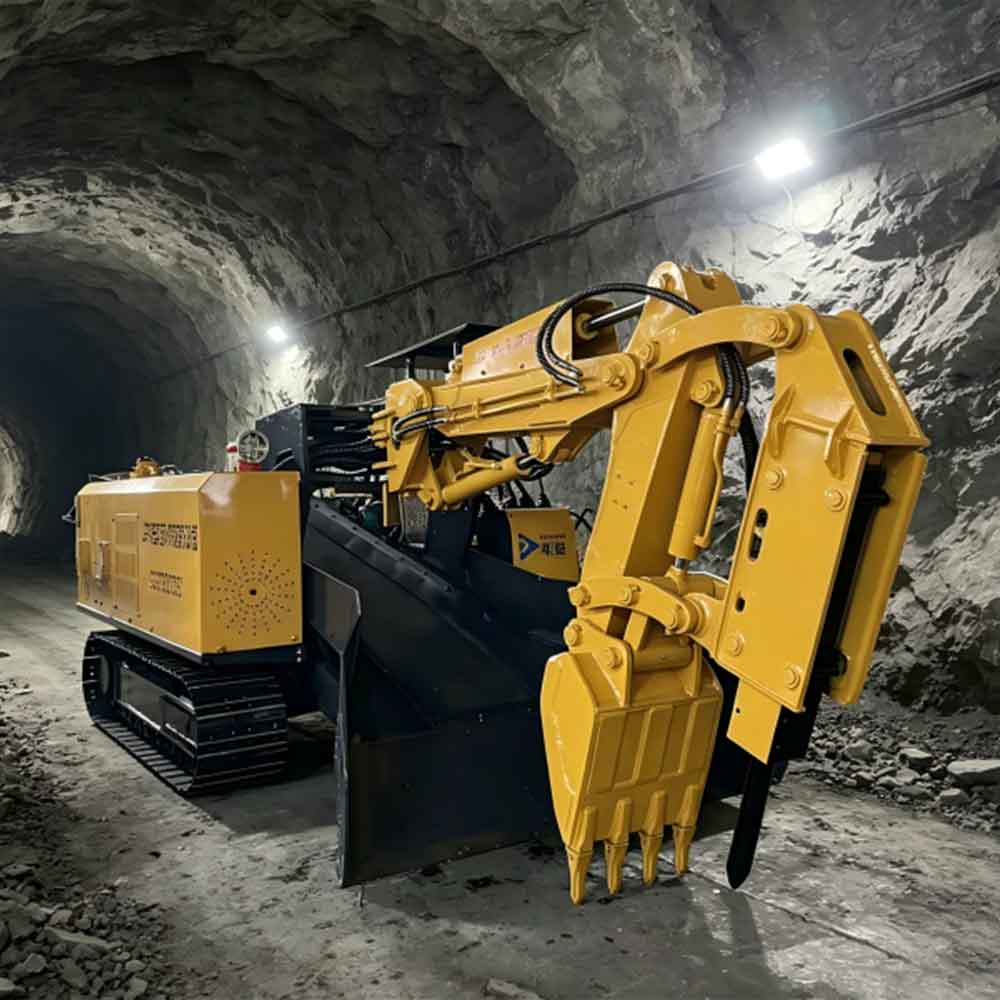
Подземная горнодобывающая техника относится к специализированному тяжелому оборудованию, разработанному специально для подземных раскопок, погрузочно-разгрузочных работ, транспортировки и вспомогательных операций в замкнутых средах.
В отличие от наземного горнодобывающего оборудования подземные машины должны работать в гораздо более жестких условиях:
- Узкие размеры туннеля
- Ограниченная вентиляция
- Низкая видимость
- Неравномерный и неустойчивый рельеф
- Непрерывные циклы работы в тяжелых условиях
Из-за этих условий подземная техника имеет компактные конструкции, усиленные компоненты, высокую маневренность и передовые системы безопасности.
Общие категории включают:
- Подземные погрузчики
- Самосвалы горно
- Выгребающие машины
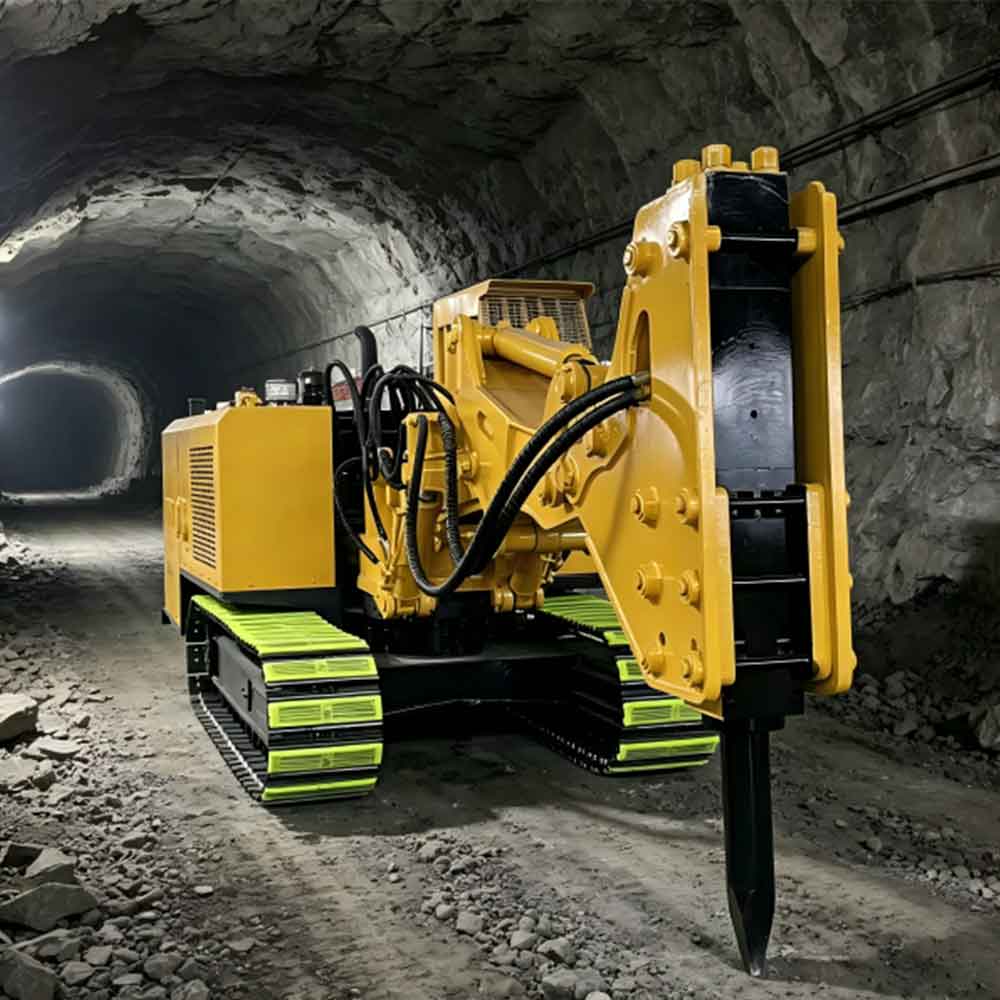
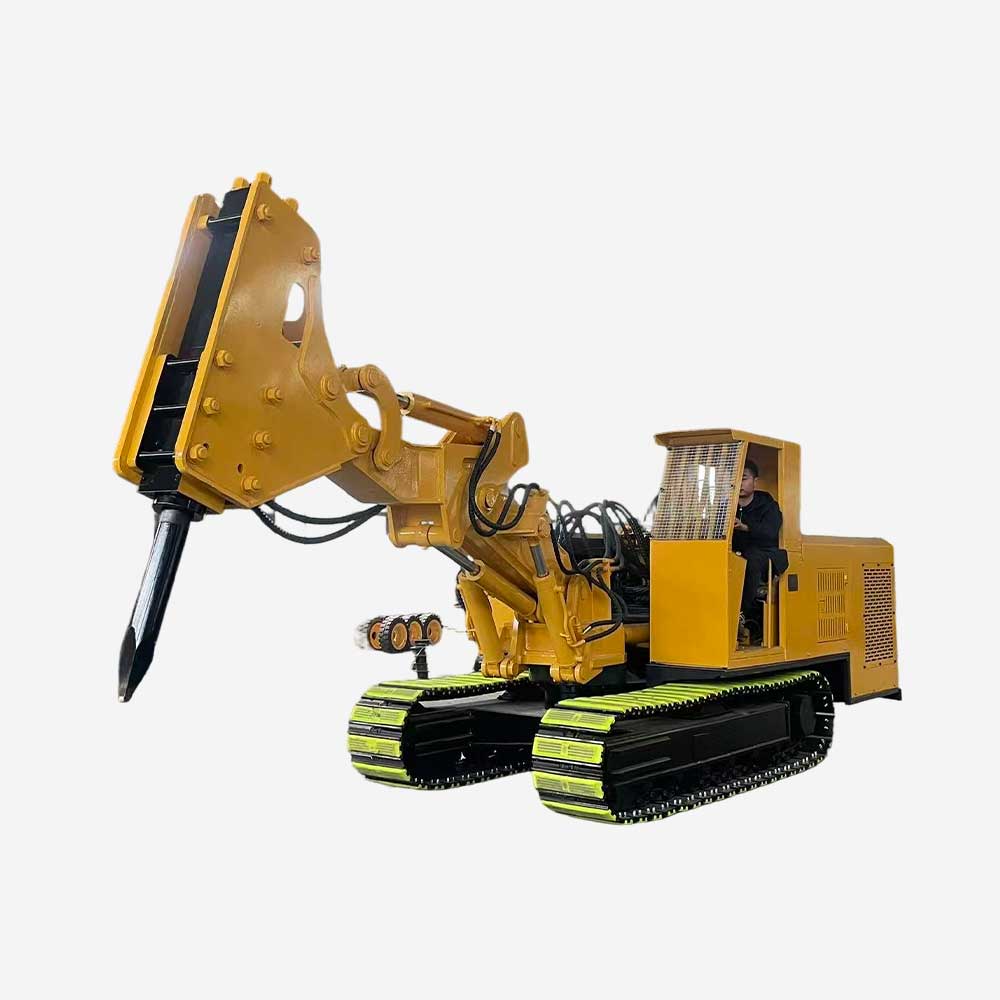
- Буровое оборудование
- Подземные экскаваторы
- Системы перевозки
- Опорно-трубопроводное оборудование
Каждая машина играет решающую роль в поддержании непрерывного подземного рабочего процесса.
Почему подземная горнодобывающая техника стала более важной, чем когда-либо
Несколько основных тенденций в отрасли стимулируют спрос на более совершенную подземную технику.
Увеличение расходов на рабочую силу
Ручные подземные операции становятся менее устойчивыми из-за роста затрат на рабочую силу и нехватки рабочей силы Механизированные системы позволяют компаниям поддерживать производительность с меньшим количеством работников.
Например, один подземный погрузчик часто может заменить рабочую нагрузку рабочих 10 — 15 при погрузочно-разгрузочных работах.
Более высокие ожидания безопасности
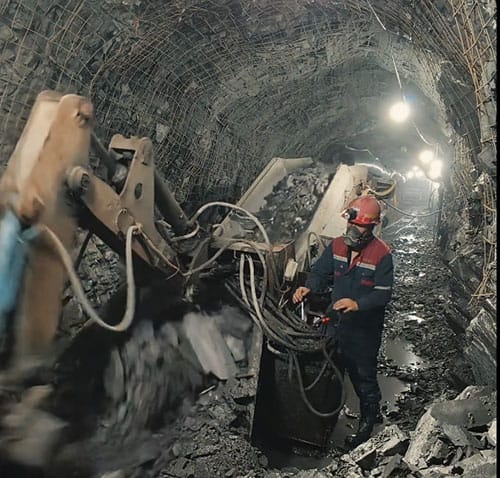
Подземная среда остается одним из самых опасных промышленных рабочих мест. Падающая порода, плохое качество воздуха, ограниченные зоны движения и тяжелая обработка материалов создают эксплуатационные опасности.
Современная подземная горнодобывающая техника снижает воздействие на рабочих опасных участков, одновременно улучшая эксплуатационную согласованность.
Более сложные подземные проекты
Многие новые проекты включают в себя:
- Более глубокие зоны выемки
- Длинные туннели
- Более тяжелые геологические условия
- Более требовательные требования к инфраструктуре
Старая техника часто изо всех сил пытается поддерживать эффективность в таких условиях.
Давление для повышения эксплуатационной эффективности
Владельцы проектов все чаще ожидают:
- Более быстрые сроки завершения
- Снижение эксплуатационных расходов
- Более высокие показатели производительности
- Сокращение времени простоя
Эффективное оборудование стало одним из немногих способов достижения всех четырех одновременно.
Основные типы подземного горного оборудования
Подземные погрузчики
Подземные погрузчики предназначены для сбора и транспортировки взорванной породы, руды или мусора внутри закрытых туннелей.
К их ключевым преимуществам относятся
- Компактный радиус поворота
- Высокая эффективность загрузки
- Сильная адаптивность местности
- Снижение трудовой зависимости
Современные подземные погрузчики могут значительно уменьшить заторы материалов на забоях раскопок.
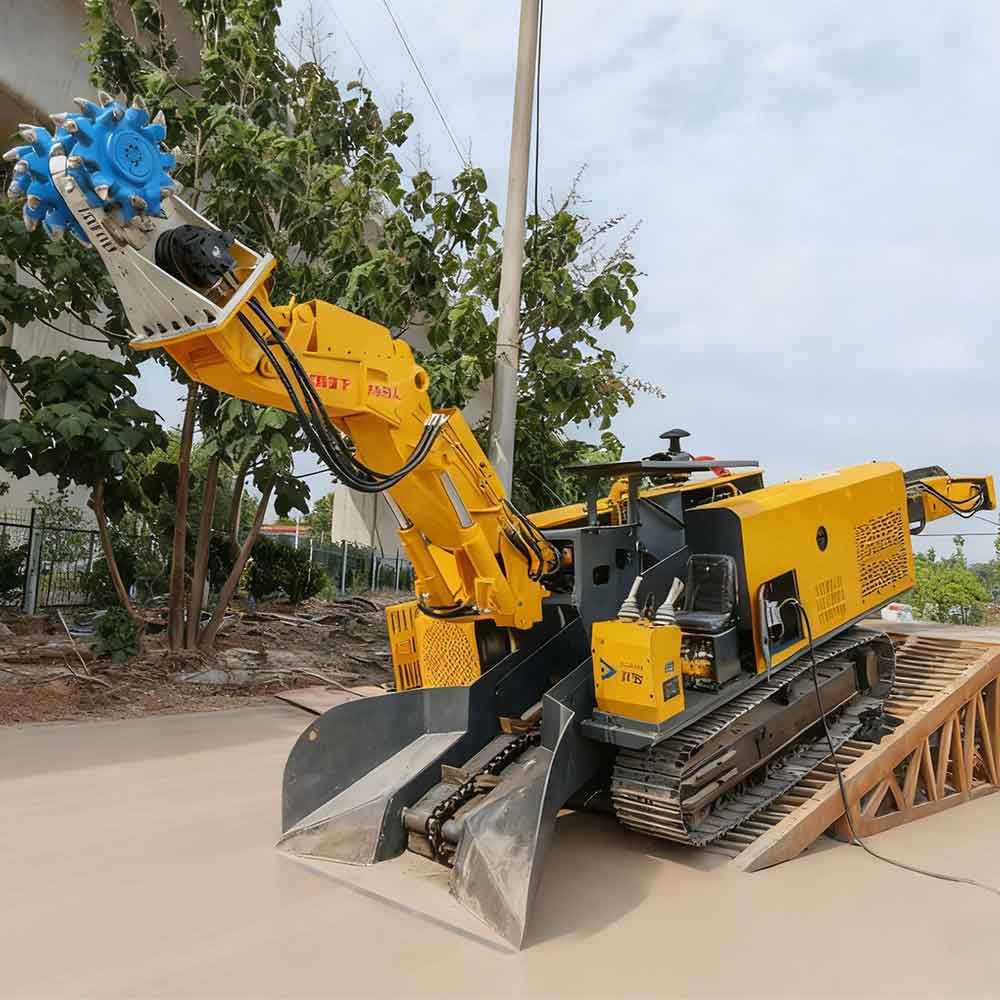
Горнодобывающие машины Mucker
Выгребающие машины специализируются на непрерывном подземном удалении материала.
Эти системы обычно используются в
- Горные тоннели
- Строительство метро
- Выемка гидроэлектростанции
Их способность поддерживать непрерывные циклы выемки значительно повышает эффективность выемки.
Подземные горные самосвалы
Подземные самосвалы перевозят материалы по замкнутым подземным грузоперевозкам.
В отличие от наземных самосвалов, они сконструированы для
- Низкий проход туннеля
- Сверхмощная наклонная работа
- Компактная маневренность
Они составляют транспортную основу подземных логистических систем.
Сверлильное оборудование
Подземное буровое оборудование отвечает за
- Бурение взрывных скважин
- Проникновение породы
- Разведочное бурение
- Подготовка установки поддержки
Эффективные системы бурения напрямую влияют на скорость выемки.
Необходимо решить инженерные проблемы подземного оборудования
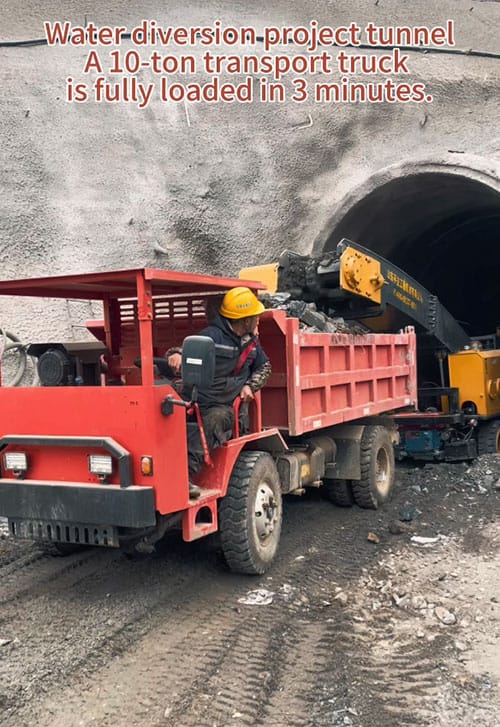
Плотная космическая маневренность
Одной из самых больших подземных эксплуатационных проблем является разворот пространства.
Традиционное оборудование часто испытывает трудности в узких туннелях, поскольку требует большого радиуса поворота и нескольких циклов изменения положения.
Современная подземная техника решает эту проблему посредством
- Шарнирно-сочлененные системы рулевого управления
- Компактные конструкции шасси
- Оптимизированная геометрия колесной базы
Это повышает как производительность, так и безопасность эксплуатации.
Адаптивность местности
Подземные условия редко бывают стабильными.
Машины должны эффективно работать на:
- Мутная земля
- Свободные поверхности скал
- Неравномерность земляных полов
- Крутые наклонные туннели
Усовершенствованные тяговые системы и усиленные конструкции подвески позволяют машинам сохранять устойчивость в этих условиях.
Непрерывная сверхмощная операция
В отличие от периодических наземных работ, подземная техника часто работает непрерывно в течение длительных смен с минимальным временем простоя.
Для этого необходимо:
- Усиленная конструкционная инженерия
- Износостойкие материалы
- Системы охлаждения большой емкости
- Надежные гидравлические характеристики
Долговечность напрямую влияет на рентабельность деятельности.
Реальный пример: как современное оборудование повышает производительность туннелей
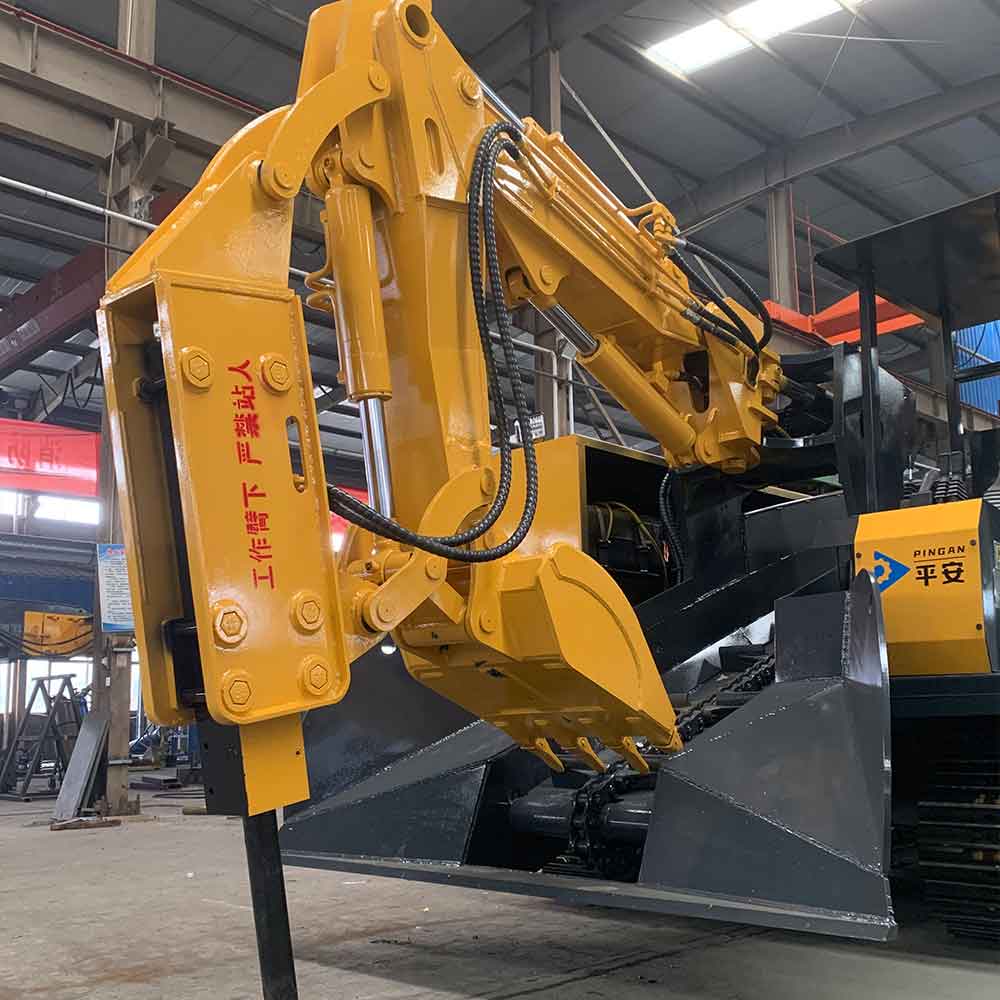
В рамках среднемасштабного проекта подземной инфраструктуры, основанного на агрегированных данных инженерных полей, операторы первоначально в значительной степени полагались на ручной труд и старые транспортные системы.
Перед обновлением оборудования
- Рабочая сила: 16 рабочих
- Ежедневная производительность погрузочно-разгрузочных работ: 140 тонн
- Частые оперативные задержки
- Высокие простои в обслуживании
- Материальные заторы на забое
После внедрения современного подземного горного оборудования
- Численность персонала сокращена до 5 операторов
- Суточная выработка выросла до 240 тонн
- Эффективность цикла повышена примерно на 45%
- Простой значительно сократился
- Рабочий процесс туннеля стал более предсказуемым
Самым большим улучшением стал не просто объем производства. Это была операционная согласованность, которая сделала планирование проектов более точным и прогнозирование затрат более надежным.
Таблица сравнения: Ручное и современное подземное оборудование
| Фактор | Ручные/Старшие системы | Современная подземная горная техника |
|---|---|---|
| Производительность | Низкий | Высокий |
| Требование к труду | Высокий | Ниже |
| Риск безопасности | Высокий | Уменьшенный |
| Эффективность обслуживания | Ограниченный | Улучшенный |
| Время цикла | Дольше | Короче |
| Адаптивность местности | Умеренный | Отличный |
| Долгосрочная экономическая эффективность | Ниже | Выше |
| Операционная стабильность | Несогласованный | Стабильный |
Как следует выбирать подземное горнодобывающее оборудование
Выбор подземного оборудования - это не только спецификации. нужно оценить реальные эксплуатационные требования.
Размеры туннеля
Всегда совпадайте с размером оборудования с:
- Ширина туннеля
- Высота потолка
- Поворотные зоны
Негабаритное оборудование создает заторы и неэффективность работы.
Емкость погрузочно-разгрузочных работ
Ваше оборудование должно поддерживать запланированную производственную продукцию, не создавая узких мест.
Вам следует рассчитать:
- Тонн за смену
- Частота цикла
- Расстояние перевозки
перед выбором оборудования.
Почвенные условия
Различные подземные условия требуют разной прочности конструкции.
Например:
- Тяжелые грязевые среды требуют более совершенных систем тяги
- Скалистые среды требуют более высокой износостойкости
Техническое обслуживание Доступность
Машины, спроектированные с модульными конструкциями технического обслуживания, сокращают время ремонта и затраты на простой.
Требования к обучению операторов
Сложное оборудование может потребовать повышения квалификации операторов.
Удобные для пользователя системы часто повышают производительность быстрее во время развертывания.
Стратегии технического обслуживания, продлевающие срок службы оборудования
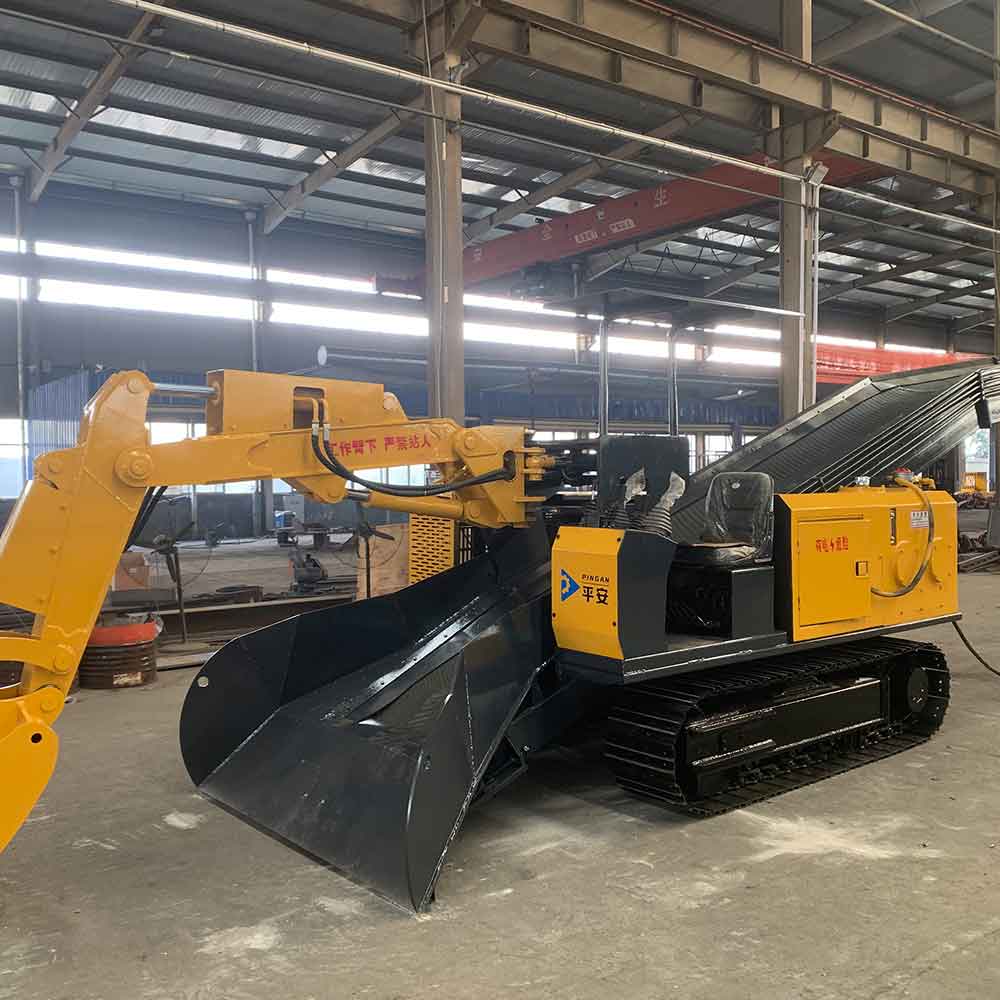
Подземное оборудование испытывает интенсивный износ из-за
- Воздействие пыли
- Влага
- Вибрация
- Непрерывные циклы нагрузки
Без надлежащего технического обслуживания даже высококачественное оборудование может быстро снизиться.
Ежедневный контрольный список проверок
- Гидравлический контроль давления
- Состояние шин или гусениц
- Обнаружение утечки жидкости
- Проверка износа ковша и конструкции
Еженедельное обслуживание
- Смазка суставов сочленения
- Проверка системы охлаждения
- Испытание электрической системы
Ежемесячное обслуживание
- Конструктивное затягивание болтов
- Гидравлическая калибровка
- Полный механический осмотр
Профилактическое обслуживание позволяет значительно уменьшить количество неожиданных сбоев и повысить долгосрочную надежность работы.
Технологические тенденции Преобразование подземного горного оборудования
Полуавтоматическая операция
Современные подземные системы все чаще интегрируют средства управления с помощью автоматизации, которые повышают точность и снижают усталость оператора.
Системы прогнозируемого технического обслуживания
Сенсорная технология теперь может обнаруживать
- Аномальная вибрация
- Неровности гидравлического давления
- Изменения производительности двигателя
до того, как произойдут крупные сбои.
Повышение энергоэффективности
Новые системы силовых агрегатов уменьшают:
- Расход топлива
- Производство тепла
- Выбросы в замкнутых средах
Это особенно важно в управлении подземной вентиляцией.
Интеллектуальные системы безопасности
Передовые технологии безопасности теперь включают в себя:
- Системы предупреждения о столкновении
- Датчики приближения
- Системы экстренного торможения
- Улучшение видимости оператора
Эти системы помогают снизить риск подземных аварий.
Почему эффективная подземная техника создает конкурентное преимущество
Горнодобывающая и туннельная отрасли становятся все более конкурентоспособными Компании, которые быстрее и эффективнее выполняют проекты, получают значительные преимущества.
Вам помогает эффективная подземная горная техника:
- Сокращение трудовой зависимости
- Улучшить сроки реализации проекта
- Снижение затрат на техническое обслуживание
- Повысить надежность работы
- Повысить показатели безопасности
В современном подземном машиностроении техника больше не является просто оборудованием (inducation undit) - это стратегия производительности.
Заключительные мысли
Если вы хотите повысить эффективность подземных работ, снизить операционный риск и поддерживать стабильную эффективность проекта, инвестирование в правильное подземное горнодобывающее оборудование является одним из наиболее важных решений, которые вы можете принять.
Наиболее успешными подземными операциями сегодня не обязательно являются операции с самой большой рабочей силой или наиболее агрессивные графики раскопок. Именно они имеют наиболее эффективные системы перемещения материала, поддержания непрерывности рабочего процесса и минимизации простоев.
Современная подземная горная техника дает вам возможность превращать подземные работы из трудоемких процессов в отлаженные, предсказуемые и высокопроизводительные системы.
Поскольку проекты подземного машиностроения становятся более требовательными, разрыв между устаревшим оборудованием и современным оборудованием будет только расти.
А в конкурентной отрасли, где задержки стоят дорого, эффективность уже не необязательна.
Часто задаваемые вопросы
Что такое подземная горная техника используется для?
Он используется для земляных работ, погрузочно-разгрузочных работ, транспортировки, бурения и вспомогательных работ в подземных средах.
Чем подземная техника отличается от наземной?
Подземная техника предназначена для замкнутого пространства, суровой местности, плохой видимости и непрерывной работы на тяжелых условиях.
Как подземная техника повышает производительность?
Это сокращает время цикла, повышает эффективность обработки материалов и сводит к минимуму перерывы в работе.
Может ли подземная техника снизить затраты на рабочую силу?
Да. Многие подземные машины могут заменить большие бригады ручного труда, одновременно повышая согласованность и безопасность.
Какие отрасли используют подземную горнодобывающую технику?
Горнодобывающая промышленность, прокладка туннелей, строительство метро, гидроэнергетика и развитие подземной инфраструктуры.