Table of Contents
Why Your Underground Project Depends on Efficient Mucking More Than You Think
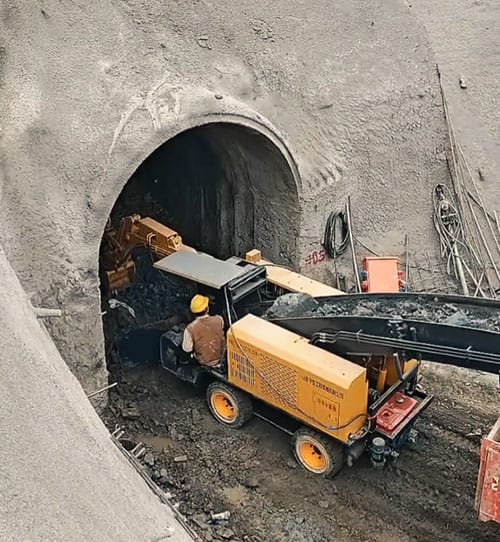
If you are managing an underground mining, tunneling, or infrastructure excavation project, you probably focus on drilling speed, blasting efficiency, or structural support systems. But in real operations, there is a much more decisive factor that directly controls your project timeline:
material removal efficiency.
Every second that broken rock or ore stays at the excavation face increases congestion, slows down the next cycle, and raises operational risk. In many underground projects, material handling can account for 40% or more of total cycle time, according to underground engineering workflow analyses commonly referenced in tunneling efficiency studies.
This is where the mining mucker machine becomes one of the most important pieces of equipment on your site. It is not just a loader—it is the system that keeps your entire underground operation moving continuously.
When mucking is inefficient, everything else slows down, even if your drilling or blasting performance is strong.
What a Mining Mucker Machine Actually Does in Underground Operations
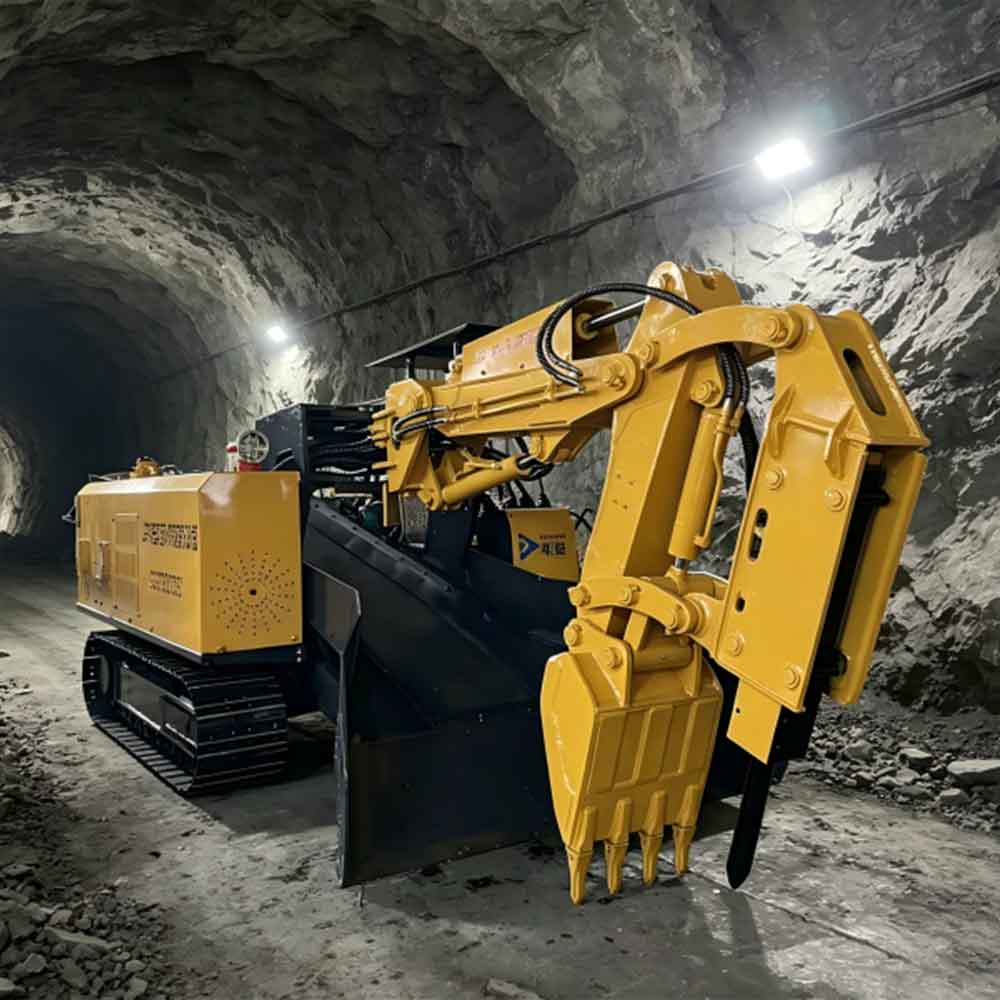
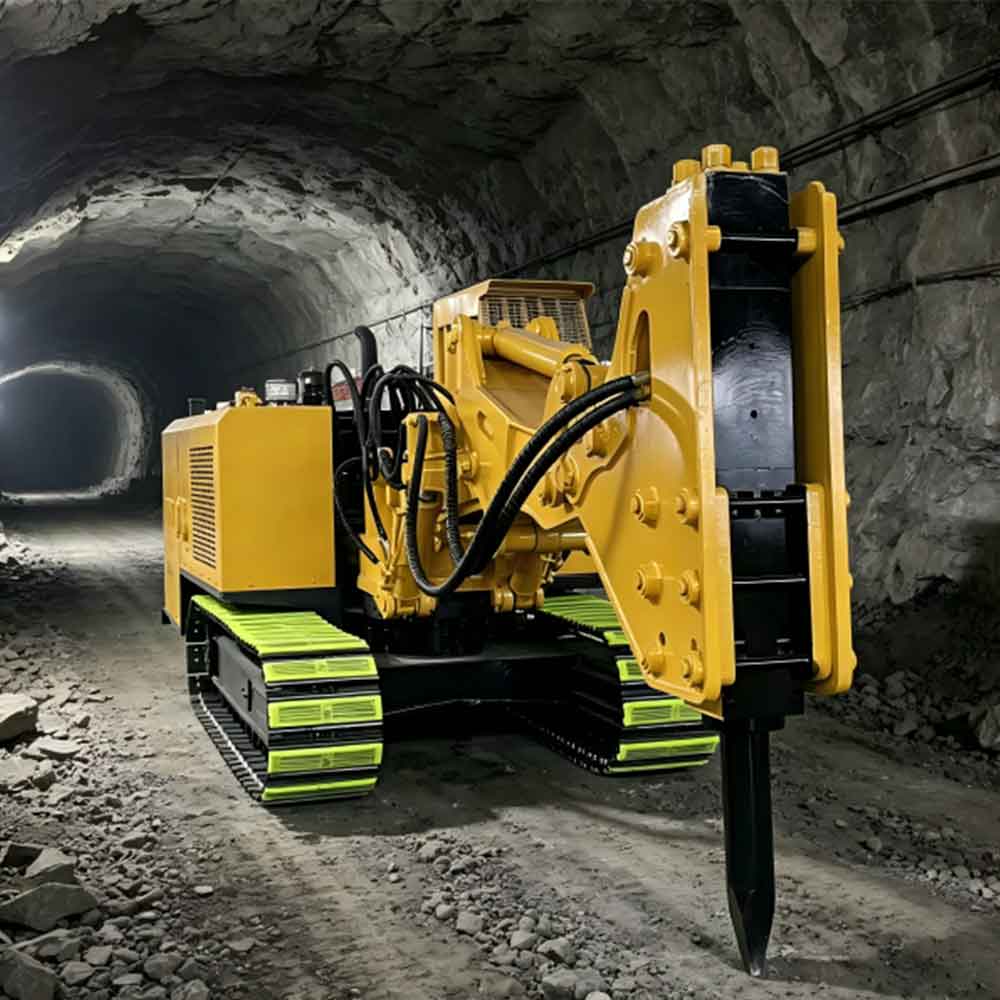
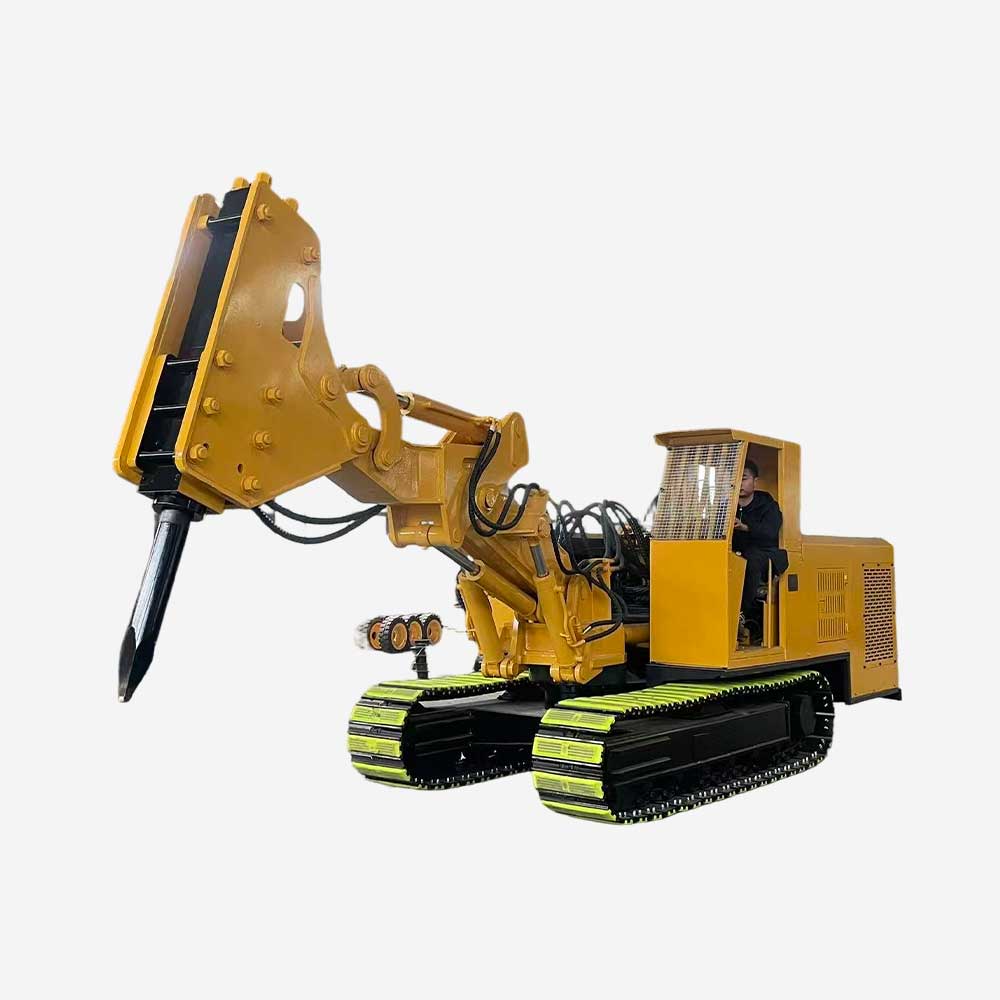
A mining mucker machine is a specialized underground material handling machine designed to collect, load, and transport blasted rock, ore, or debris from confined excavation areas.
Unlike general-purpose loaders, it is optimized specifically for:
- Narrow tunnel environments
- Low clearance working spaces
- Continuous excavation cycles
- High-density rock movement
- Harsh underground conditions
In practical terms, it replaces manual or semi-mechanized muck removal with a continuous mechanical cycle that significantly improves productivity.
You can think of it as the “flow controller” of underground excavation. Without it, material piles up quickly and disrupts the entire operation chain.
Why Traditional Mucking Methods Slow Down Your Project
If you’ve worked on underground projects before, you may already know the common bottlenecks:
- Manual shovel-based removal
- Small-scale transport carts
- Waiting time between loading and hauling
- Limited access in narrow tunnels
- Frequent stoppages due to congestion
These methods are not only slow but also inconsistent. Productivity depends heavily on worker fatigue, tunnel conditions, and coordination efficiency.
A mining mucker machine eliminates these inefficiencies by introducing a controlled mechanical cycle that repeats consistently regardless of human limitations.
Engineering Design Behind a Mining Mucker Machine
To understand why this equipment performs so well underground, you need to look at its structural engineering.
Compact Underground Frame Design
The machine is designed with a reduced body width and optimized height to operate inside narrow tunnels without frequent repositioning.
Articulated Steering System
Instead of rigid turning, it bends at a central joint, allowing smooth navigation in confined spaces.
Reinforced Mucking Bucket
The bucket is built with wear-resistant steel to handle abrasive rock and heavy debris without deformation.
High-Torque Power System
It delivers strong pushing and lifting force rather than high speed, ensuring stable performance under load.
Hydraulic Control Precision System
Hydraulics allow accurate control even in low visibility and dusty environments.
Core Performance Advantages You Will Experience
Faster Mucking Cycle Time
In underground excavation operations, cycle time defines productivity.
Typical comparison:
- Manual mucking: 6–12 minutes per cycle
- Standard mechanical loader: 4–6 minutes per cycle
- Mining mucker machine: 2–4 minutes per cycle
This can improve overall mucking efficiency by up to 60% depending on tunnel conditions and operator experience.
High Durability Under Continuous Load
Underground environments are extremely demanding. Machines operate under:
- Constant vibration
- Abrasive rock impact
- Moisture and mud exposure
- High operational cycles per shift
Mining mucker machines are engineered with reinforced structural components designed for continuous heavy-duty operation, significantly reducing mechanical fatigue over time.
Excellent Adaptability to Complex Terrain
Underground conditions are rarely stable. You may encounter:
- Loose blasted rock piles
- Wet tunnel floors
- Uneven ground surfaces
- Narrow slope transitions
A mining mucker machine is built to maintain traction and balance in all these environments, allowing uninterrupted operation.
Solving One of the Biggest Underground Problems: Tight Space Maneuvering
One of the most critical challenges in underground operations is limited turning space.
Conventional equipment often requires multiple forward-reverse movements, which slows down production and increases collision risk.
Mining mucker machines solve this through:
- Articulated joint steering
- Compact wheelbase design
- High maneuverability in narrow tunnels
This reduces wasted movement time and improves both speed and safety.
Real Project Case Example: Tunnel Excavation Efficiency Upgrade
In a medium-scale underground tunnel excavation scenario, operations initially relied on manual mucking and small transport equipment.
Before Equipment Optimization:
- Workforce: 12–14 workers
- Daily output: 110–140 tons
- Frequent material congestion at excavation face
- Unstable cycle time
After Introducing Mining Mucker Machine:
- Workforce reduced to 3 operators
- Output increased to 180–220 tons per day
- Cycle time reduced by 35–45%
- Material congestion significantly reduced
The most important improvement was not only productivity—it was predictability. The project became stable and easier to schedule.
Application Areas of Mining Mucker Machines
Although commonly used in mining, these machines are widely applied in multiple underground engineering fields:
Mining Operations
- Ore extraction
- Waste rock removal
- Underground haulage support
Hydropower Projects
- Tunnel diversion excavation
- Underground water channel construction
Metro and Infrastructure Construction
- Subway tunnel excavation
- Underground station cavity cleaning
Mining Mucker Machine vs Manual Mucking
| Factor | Manual Mucking | Mining Mucker Machine |
|---|---|---|
| Productivity | Low | High |
| Labor Requirement | 10–15 workers | 1 operator |
| Cycle Time | Slow | Fast |
| Safety Risk | High | Lower |
| Consistency | Unstable | Stable |
| Cost Efficiency | Poor long-term | Strong long-term |
| Terrain Adaptability | Limited | High |
This comparison clearly shows why mechanized mucking has become standard in modern underground engineering.
How You Should Choose the Right Mining Mucker Machine
When selecting equipment for your project, you should not rely only on specifications. You should evaluate real working conditions.
Tunnel Dimensions
Ensure machine size matches tunnel width and height.
Material Volume Requirements
Match bucket capacity with daily excavation output.
Ground Conditions
Different models perform differently in wet, rocky, or mixed environments.
Maintenance Accessibility
Machines with modular components reduce downtime during repairs.
Operator Skill Requirements
Some systems require advanced training, while others are more intuitive.
Maintenance Strategy for Long-Term Performance
Proper maintenance is critical for underground equipment.
Daily Checks
- Hydraulic pressure condition
- Bucket wear inspection
- Tire condition
Weekly Maintenance
- Lubrication of articulation joints
- Cooling system inspection
Monthly Maintenance
- Structural bolt tightening
- Full system calibration
A properly maintained mining mucker machine can significantly extend operational lifespan and reduce unexpected downtime.
Technology Trends in Modern Mining Mucker Machines
The industry is evolving rapidly, with new technologies improving efficiency and safety.
Semi-Automated Operation Systems
Assist operators in controlling movement and reducing manual workload.
Predictive Maintenance Technology
Sensors detect early mechanical issues before breakdown occurs.
Fuel Efficiency Optimization
Improved engine systems reduce fuel consumption and operating cost.
Enhanced Safety Systems
Including proximity alerts, emergency braking, and anti-collision sensors.
Strategic Importance in Underground Engineering
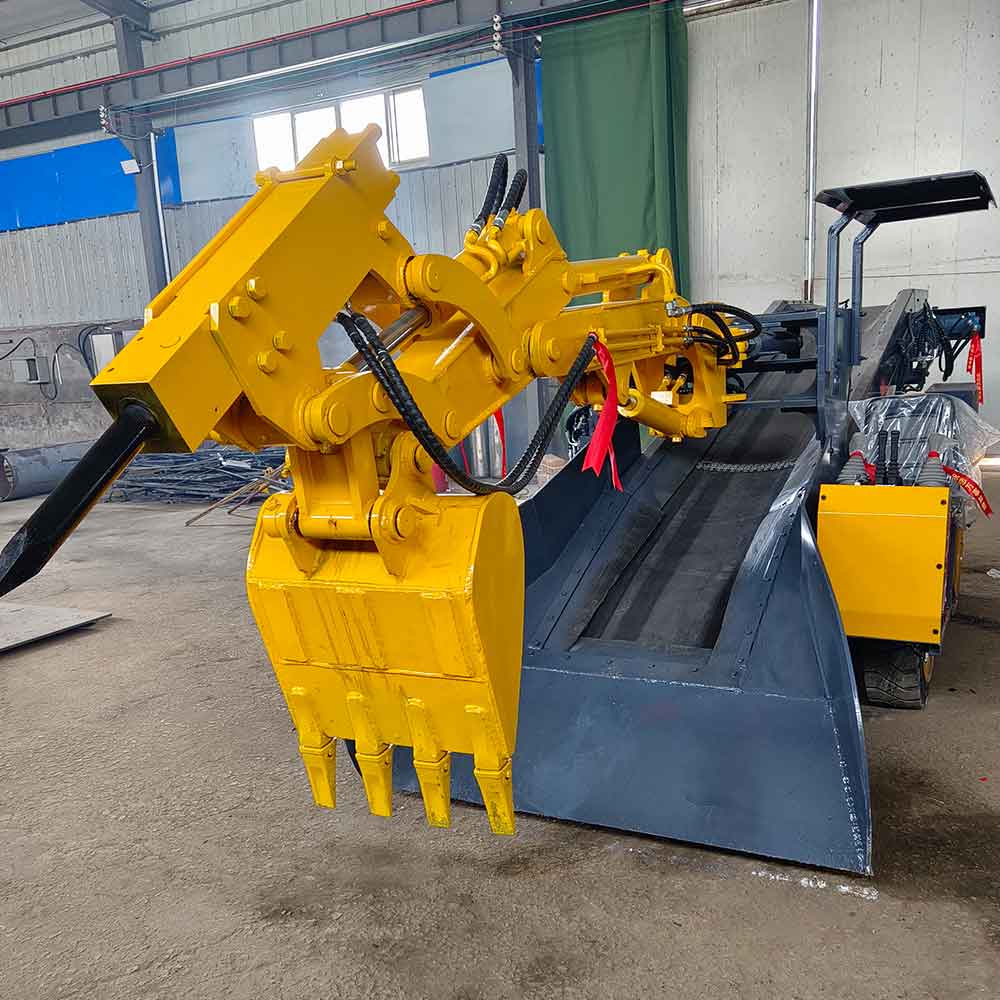
A mining mucker machine is not just a support tool—it is a core productivity driver.
It directly influences:
- Project schedule stability
- Labor cost structure
- Safety performance
- Excavation continuity
- Overall project profitability
In modern underground engineering, material handling efficiency is as important as excavation capability itself.
Conclusion
If you want to improve underground productivity, reduce labor pressure, and maintain stable excavation cycles, the mining mucker machine is one of the most important investments you can make.
Its real value is not only in moving material faster, but in transforming underground operations into a continuous, predictable, and efficient system.
In modern underground engineering, success is no longer defined by how much you excavate—but by how efficiently you move what you excavate.
FAQ
What is a mining mucker machine used for?
It is used for collecting and transporting blasted rock or ore in underground tunnels and mining environments.
How many workers can it replace?
Typically 10–15 manual workers depending on project scale.
Can it operate in wet or muddy conditions?
Yes, it is designed for unstable and harsh underground environments.
What is its main advantage?
Higher efficiency, reduced labor dependency, and consistent performance.
How long does it last?
With proper maintenance, it can operate for many years under heavy-duty conditions.
Is it only used in mining?
No, it is also widely used in tunneling and underground infrastructure construction.
Need Help Choosing the Right Mining Mucker Machine?
If you’re unsure which mining mucker machine is best for your underground mining, tunneling, or excavation project, our experts are here to help. Contact us today for a personalized consultation, and ensure your operations run efficiently, safely, and with maximum productivity. Don’t wait until delays or safety risks impact your project—get in touch now to optimize your underground workflow and improve your overall performance!