Table of Contents
If you are operating a large-scale mining project, you already understand that material transport is one of the most critical and challenging aspects of your operations. Excavation, drilling, and blasting might be the most visible tasks, but without efficient hauling, your mine’s productivity suffers. That is where large mining trucks come in—your unsung heroes of mining logistics.
As a mining equipment manufacturer, we have witnessed firsthand how selecting the right large mining truck can dramatically improve operational efficiency, safety, and cost-effectiveness. This article is designed to guide you through the entire process of understanding, selecting, and implementing large mining trucks in your operations, with actionable insights and real-world examples.
Whether you are managing an underground tunnel network or an open-pit operation, this guide will give you the knowledge to make informed decisions that directly impact your bottom line.
Why Large Mining Trucks Are Critical to Your Operation
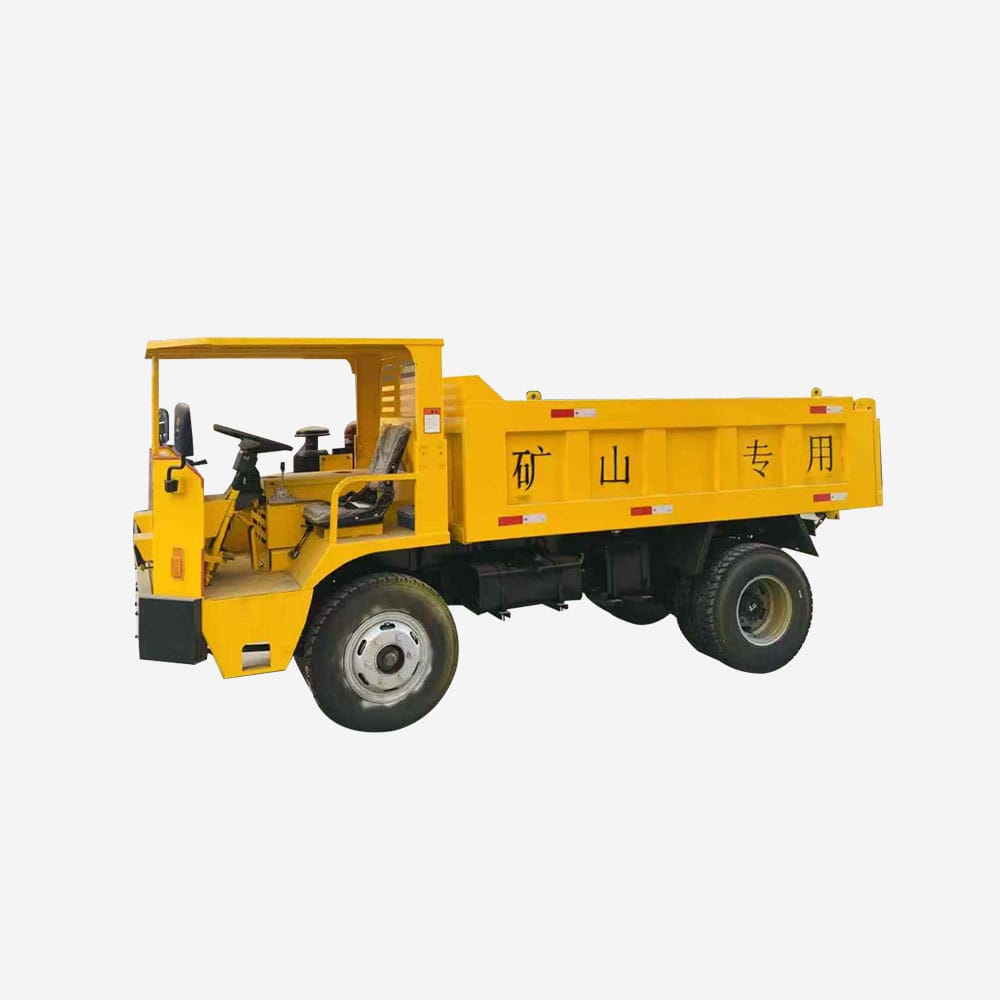
Large mining trucks are designed to move massive volumes of ore, coal, or rock between the extraction point and the processing or loading facility. When chosen correctly, they deliver:
- Faster cycle times for material hauling
- Reduced bottlenecks at loading points
- Lower labor intensity and higher operator safety
- Increased overall production efficiency
According to Mining Global, material handling inefficiencies can reduce mine productivity by up to 30%, which translates to significant lost revenue if not addressed. This statistic underscores the importance of investing in the right large mining truck fleet.
Types of Large Mining Trucks and Their Applications
Not all large mining trucks are created equal. You need to match truck capacity and configuration to your mining environment. Here are the main types:
Rigid Haul Trucks
Rigid trucks are typically used in large open-pit operations. They are characterized by:
- High payload capacity (up to 400 tons)
- Simple suspension systems suited for steady terrain
- Robust frames designed for long-term durability
Articulated Dump Trucks
These trucks are ideal for rough terrain and tighter spaces. Features include:
- Enhanced maneuverability through articulation
- Moderate payloads (20–60 tons)
- Flexibility for steep or uneven grades
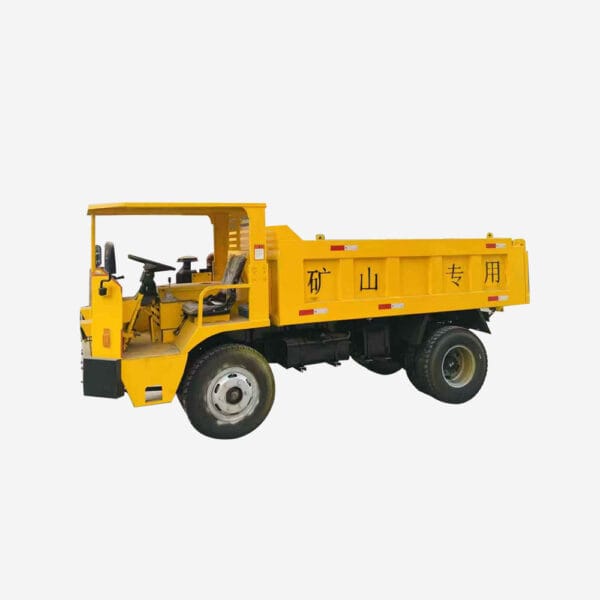
Underground Mining Trucks
Designed for narrow tunnels and low-clearance conditions, these trucks often have:
- Compact size but strong load-bearing frames
- Advanced safety features for confined spaces
- Diesel or mechanical drive options for optimal power
For more technical specifications, refer to resources like the Mining Technology Truck Guide.
Case Study: Improving Open-Pit Mine Productivity
Background
A mid-sized open-pit mine was struggling with delays in ore transport due to an underpowered fleet. Excavation output was high, but trucks were constantly queuing at loading stations.
Solution
The mine introduced a fleet of high-capacity rigid trucks with optimized bed design and power-to-weight ratios. Key operational adjustments included:
- Adjusting truck dispatching using automated scheduling
- Optimizing loading bucket sizes to match truck capacity
- Reducing idle time at crusher feed points
Results
After three months:
- Average cycle time reduced by 25%
- Daily material moved increased by 35%
- Fuel consumption per ton decreased by 12%
- Equipment wear and maintenance downtime reduced
This shows that carefully matched truck selection combined with operational optimization directly impacts mining efficiency.
Key Considerations for Selecting Your Large Mining Truck
Payload Capacity
It is tempting to select the largest truck available, but oversized trucks can create bottlenecks if your loading equipment or tunnels cannot accommodate them. Consider:
- Average material density
- Loading infrastructure capacity
- Haul route constraints
Engine and Drive System
Your choice between diesel, mechanical, or hybrid drive systems affects:
- Fuel efficiency
- Maintenance frequency
- Performance under varying terrain and load conditions
Maneuverability and Clearance
Especially for underground or tight open-pit routes, turning radius, vehicle width, and bed height matter. Incorrect sizing can cause frequent repositioning and increased cycle times.
Safety and Operator Comfort
Features like operator cabins with vibration damping, ergonomic controls, and advanced braking systems reduce fatigue and minimize accidents. Check industry guidelines from International Mining Safety for standards.
Operational Efficiency and Cost Analysis
Using aggregated operational data from multiple mines, here’s a comparative analysis of productivity:
| Metric | Standard Trucks | Optimized Large Mining Trucks |
|---|---|---|
| Payload per Trip | 80–150 tons | 200–400 tons |
| Cycle Time | 25–35 minutes | 15–20 minutes |
| Fuel Consumption (L/ton) | 0.8 | 0.7 |
| Maintenance Downtime | Moderate | Low |
| Daily Ore Moved | 2,500 tons | 4,000+ tons |
| Operator Fatigue | High | Reduced |
As you can see, correctly selecting large mining trucks can almost double your daily output while reducing costs and operator strain.
Maintenance and Longevity Strategies
A large mining truck’s value depends on proper maintenance. Best practices include:
- Daily pre-start inspections and fluid checks
- Monitoring hydraulic and brake systems for wear
- Rotating tires and inspecting undercarriage components
- Using condition monitoring systems for predictive maintenance
Studies published in Mining Magazine show that mines implementing structured preventive maintenance saw 30–40% fewer unplanned breakdowns and extended the truck service life by 20%.
Safety Enhancements for Large Mining Trucks
Mining trucks are heavy, powerful machines that require strict safety protocols. Some of the latest safety innovations include:
- Collision avoidance systems
- Speed limiters in dangerous zones
- Automatic fire suppression systems
- Proximity detection with alert systems
Further guidance on safety best practices is available at the Mine Safety and Health Administration.
Integration With Mine Workflow
To maximize ROI, consider the truck as part of a larger mining ecosystem:
- Align truck size with loading and crushing equipment
- Optimize haul routes to minimize idle time
- Implement automated scheduling or fleet management systems
- Track performance data to continuously improve productivity
For insights into mine automation and fleet optimization, refer to Mining Global Fleet Solutions.
Emerging Trends in Large Mining Truck Technology
The mining industry is rapidly adopting advanced technologies:
- Electric and hybrid drives for reduced emissions and fuel costs
- Telematics and IoT monitoring for predictive maintenance
- Autonomous trucks in open-pit operations
- AI-powered scheduling for minimizing cycle time and congestion
Staying up-to-date with these trends can help you maintain a competitive advantage.
Conclusion
Selecting and integrating large mining trucks is not just an equipment decision—it is a strategic investment that affects productivity, safety, and cost-efficiency. By considering payload, tunnel or pit constraints, operational efficiency, and maintenance requirements, you can ensure your mining operation runs smoothly and profitably.
If you are ready to optimize your hauling operations and maximize your mining output, contact our experts today for a tailored consultation and fleet solution. Your operation deserves equipment designed to deliver real-world results, not just specifications.
FAQ
What is the primary advantage of large mining trucks?
They allow you to move significantly more material per trip, improving efficiency and reducing labor and fuel costs.
How do I know which truck size is right?
Evaluate your tunnel or pit geometry, loading equipment, average material density, and production targets.
Are these trucks suitable for underground mining?
Certain compact or articulated large mining trucks are specifically designed for underground conditions.
What maintenance practices maximize truck life?
Regular inspections, predictive maintenance systems, and adhering to manufacturer-recommended service intervals.
How can I improve safety for operators and other personnel?
Incorporate advanced collision avoidance, automated braking, proximity detection, and operator training.
Are there options for automation?
Yes, autonomous trucks and telematics-enabled fleet management systems are increasingly common in open-pit mines.