Оглавление
Почему разрыв горных пород становится самым большим узким местом в горнодобывающих проектах
Если вы участвуете в добыче полезных ископаемых, проходке туннелей или крупномасштабных раскопках, вы уже знаете, что бурение и взрывные работы - это только часть работы. Реальная задача часто начинается после взрыва, когда слишком большие породы, твердые образования и уплотненные материалы должны быть разбиты на управляемые размеры.
Именно здесь многие проекты начинают терять эффективность.
В реальных подземных и наземных добычных операциях вторичная разбивка может составлять значительную часть общего времени простоя в работе. отраслевые дискуссии на платформах, таких как Горнодобывающие технологии и инженерные отчеты из Инженерные новости-запись последовательно выделяйте одну ключевую проблему: неэффективное разрушение горных пород приводит к каскадным задержкам в погрузке, транспортировке и обработке.
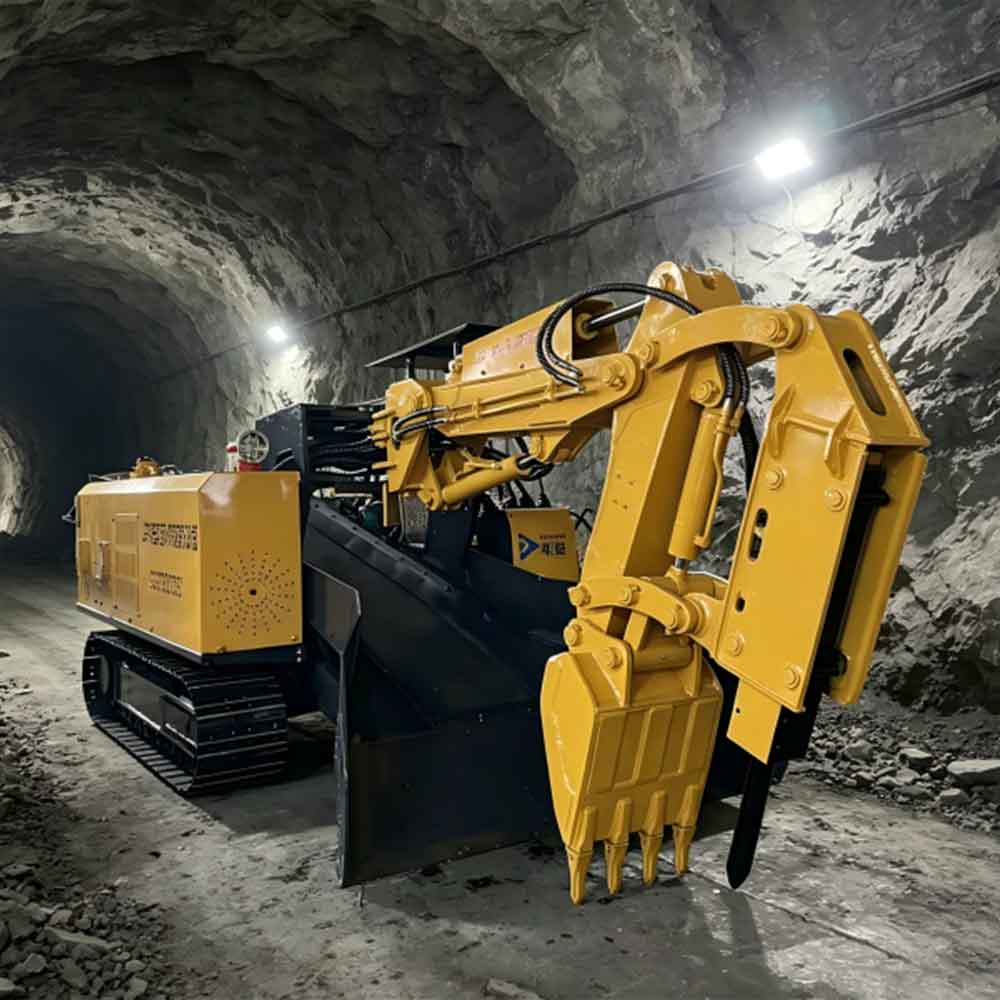
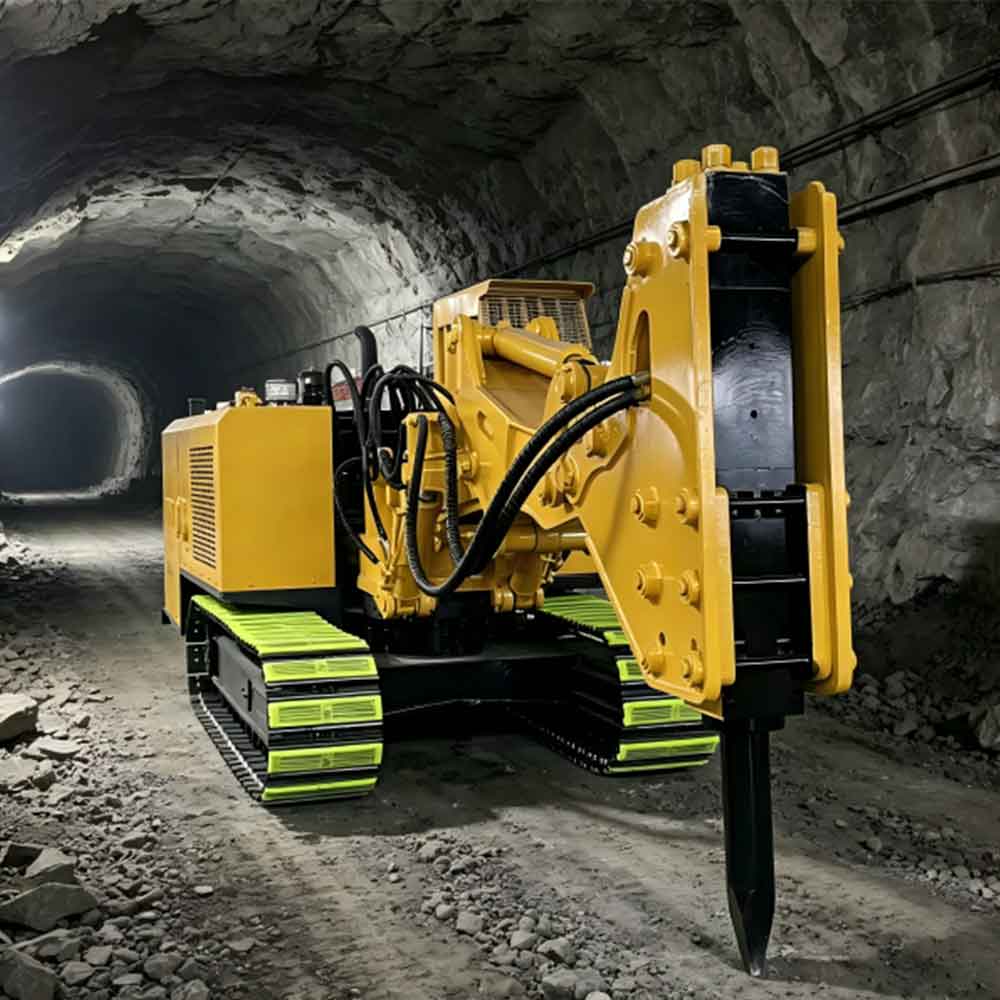
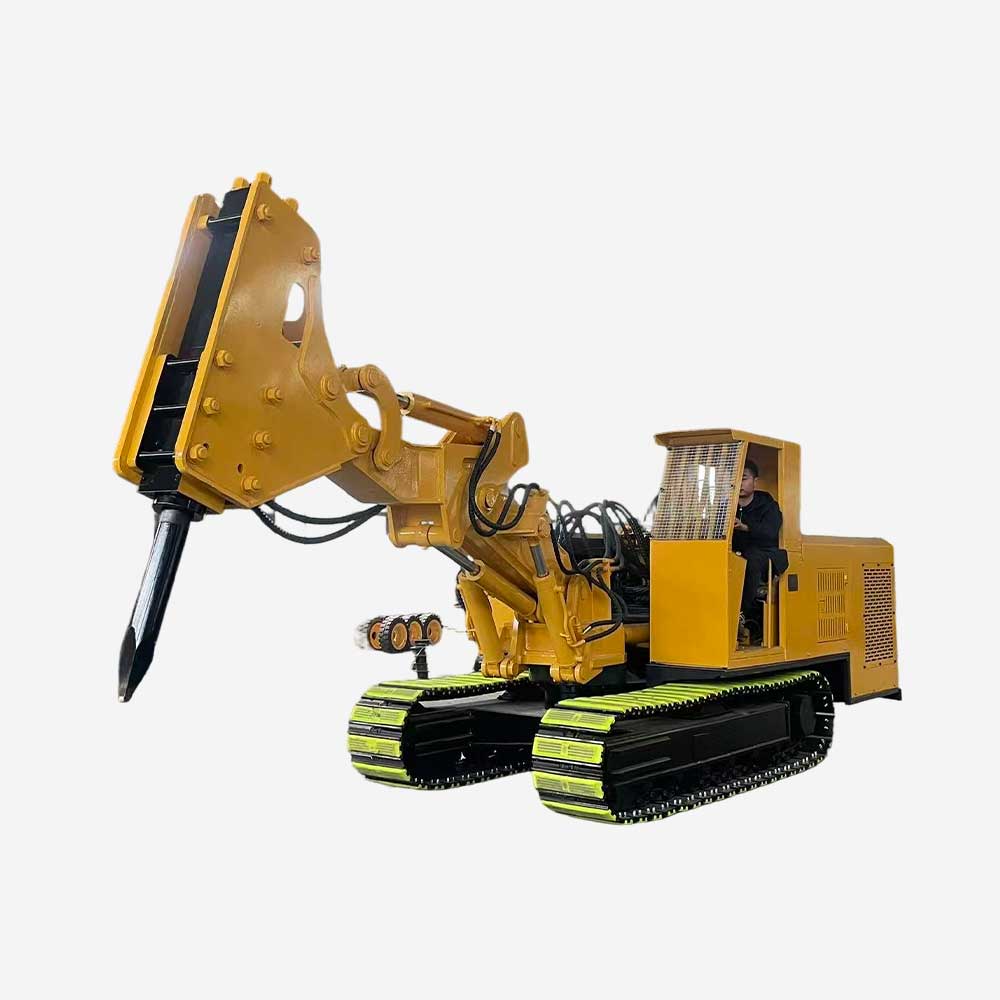
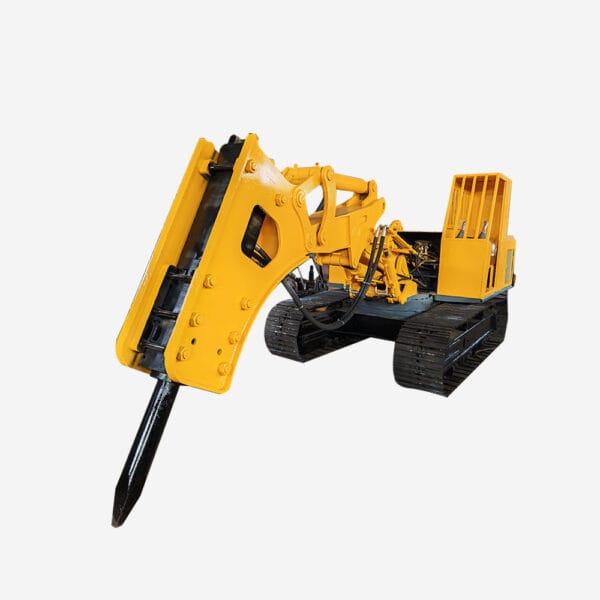
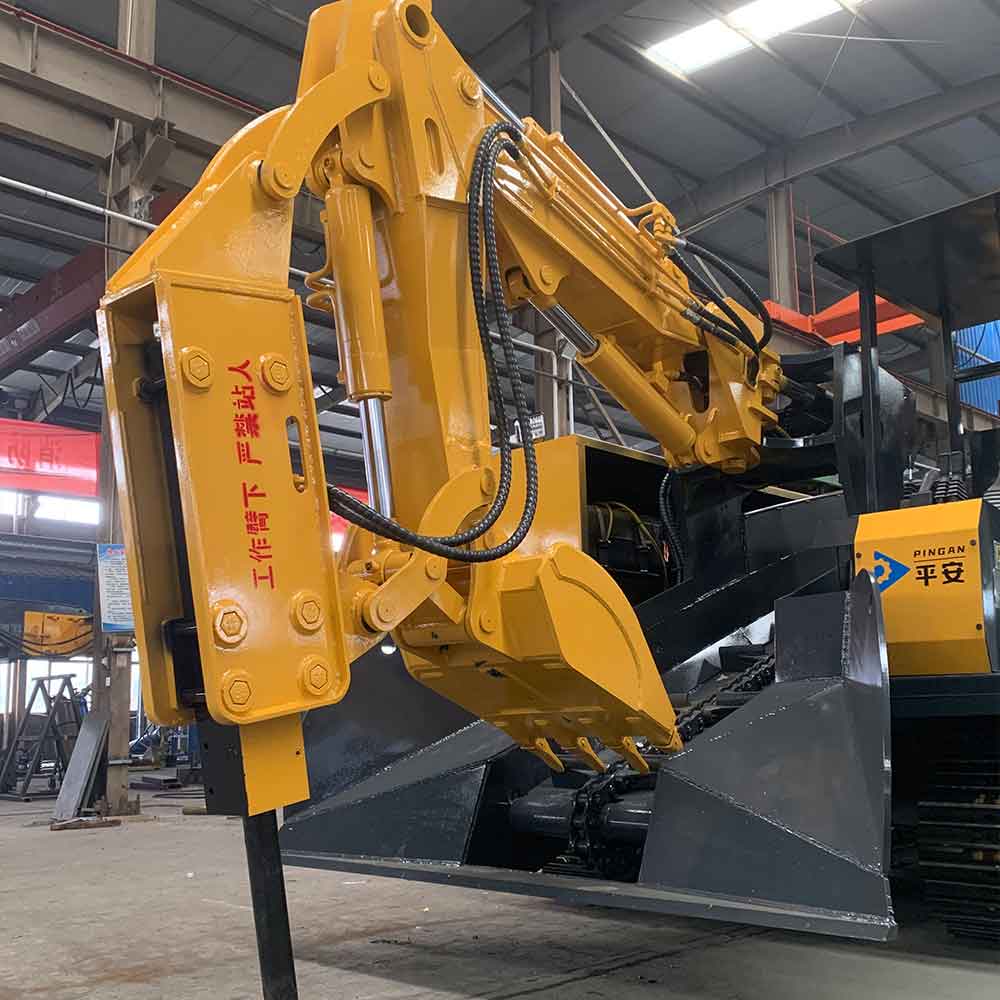
Гидравлический выключатель с горным гусеничным ходом разработан специально для решения этой проблемы, обеспечивая возможность подвижного, ударного и непрерывного разрушения горных пород в сложных условиях.
В отличие от ручных или стационарных выключателей гусеничные гидросистемы позволяют перемещаться непосредственно в очистной забой, сокращая время перебазирования и повышая непрерывность работы.
Что такое гидроразрушитель с горным гусеничным ходом?
Горный гусеничный гидроразрушитель представляет собой передвижную породоразрушающую машину, установленную на гусеничном шасси и приводимую в действие гидравлической ударной системой, Она предназначена для разрушения
- Негабаритный взорванный камень
- Формирования хард-рока
- Компактные рудные блоки
- Туннельные препятствия
- Вторичный дробильный материал
Почему отслеживаемый дизайн имеет значение в горнодобывающей деятельности
Одним из самых больших ограничений традиционных гидравлических прерывателей является мобильность. стационарные или полумобильные системы требуют поддержки изменения положения, что снижает производительность.
Гусеничные гидроразрушители решают эту проблему путем комбинирования
1. Полная мобильность на пересеченной местности
Гусеничное шасси обеспечивает перемещение поперек
- Свободные каменные сваи
- Неравномерные полы для майнинга
- Мутные зоны раскопок
- Наклонные подземные тропы
2. Операция "Прямо лицом"
Вместо транспортировки материала к отбойнику машина перемещается непосредственно к источнику породы.
3. Сокращение времени настройки
Внешние системы оснастки или перемещения не требуются.
4. Возможность непрерывного рабочего процесса
Разрыв может продолжаться, пока погрузчики и грузовики работают параллельно.
Инженерная структура за гидравлической разрывной мощностью
Эффективность горного гусеничного гидроразрушителя обусловлена его гидравлической ударной системой в сочетании с усиленным конструктивным проектированием.
Гидравлическая система высокого давления
Гидравлическая энергия преобразуется в силу быстрого удара, что позволяет наносить повторные высокоэнергетические удары по твердым поверхностям горных пород.
Усиленная стрела и система рычагов
Предназначен для выдерживания непрерывной вибрации и ударного напряжения в горнодобывающих средах.
Система ударного инструмента
Специализированные долотные инструменты фокусируют силу на небольших участках поверхности, чтобы максимизировать эффективность разрушения.
Стабилизированная путевая база
Обеспечивает баланс при высокоударных операциях, уменьшая отдачу машины и повышая точность.
Ключевые преимущества в реальных горнодобывающих приложениях
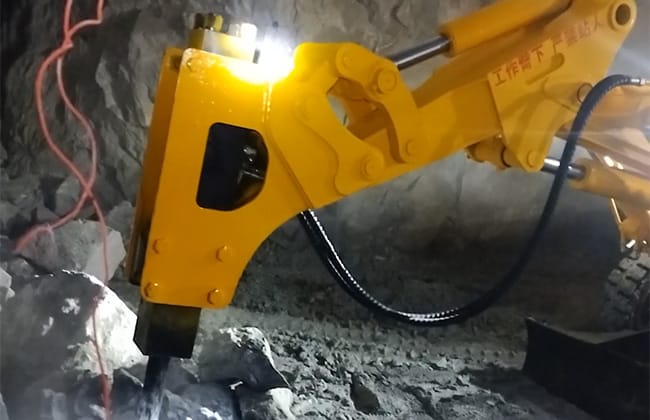
1. Устраняет огромные узкие места в камнях
После взрывных работ негабаритные породы являются одним из самых больших препятствий в рабочих процессах земляных работ. Если они не сломаны быстро, они блокируют погрузочное оборудование и замедляют циклы транспортировки.
Гусеничный гидравлический выключатель решает эту проблему, немедленно уменьшая размер породы в источнике.
2. Повышает эффективность загрузки
Когда камень правильно разбит, оборудование, расположенное ниже по течению, такое как погрузчики и грузовики, работает более эффективно и с меньшими перерывами.
Это создает более плавный поток материала по всей цепочке добычи.
3. Сокращает время простоя оборудования
Во многих горнодобывающих операциях погрузчики часто ждут, пока будет разбита порода, прежде чем они смогут продолжить работу. Мобильный выключатель устраняет этот период ожидания.
4. Повышает безопасность в опасных зонах
Ручная вторичная поломка подвергает работников воздействию
- Падающая скала
- Воздействие пыли
- Нестабильные поверхности
Механизированный разрыв снижает прямое участие человека в опасных зонах.
Пример реального мира: оптимизация рабочего процесса майнинга
В сценарии горных раскопок среднего масштаба операции первоначально основывались на стационарных методах разрушения.
Перед оптимизацией:
- Частые задержки с изменением положения оборудования
- Скопление породы на забое выработки
- Время простоя погрузчика до 25 — 30%
- Неэффективный материальный поток
После представления гусеничного гидравлического выключателя:
- Непрерывная отбойка забоя
- Время простоя погрузчика значительно сократилось
- Материальный поток стал последовательным
- Вторичные задержки дробления сведены к минимуму
Самым большим улучшением стала не только скорость, но и синхронизация рабочих процессов между операциями поломки и загрузки.
Таблица сравнения: Традиционный и гусеничный гидравлический выключатель
| Фактор | Традиционный Брейкер | Горнодобывающий гусеничный гидравлический молот |
|---|---|---|
| Мобильность | Ограниченный | Высокий |
| Время настройки | Долгий | Минимальный |
| Эффективность обработки камня | Умеренный | Высокий |
| Непрерывность рабочего процесса | Прерванный | Непрерывный |
| Требование к труду | Выше | Ниже |
| Безопасность Экспозиция | Выше | Уменьшенный |
| Адаптивность местности | Ограниченный | Отличный |
Где используются гидравлические выключатели с горным гусеничным ходом
Операции по добыче полезных ископаемых
- Разрушение вскрышных пород
- Фрагментация руды
- Вторичные дробильные операции
Подземная добыча
- Снижение забойной породы туннеля
- Удаление блокировки
- Негабаритный материал обработки
Инфраструктура Раскопки
- Строительство туннеля
- Каменные траншеи
- Фундамент раскопок поддержка
Технические факторы, которые вам следует оценить перед выбором
Требования к энергии воздействия
Различные уровни твердости горных пород требуют разных диапазонов гидравлических ударных сил.
Требования к мобильности
Гусеничные системы предпочтительны для очень неровной местности или для непрерывного движения.
Достижение стрелы и рабочий радиус
Убедитесь, что машина может получить доступ к полной рабочей поверхности без изменения положения.
Стабильность гидравлической системы
Стабильный гидравлический поток обеспечивает стабильную производительность разрушения.
Техническое обслуживание Доступность
Легкий доступ к гидравлическим компонентам сокращает время простоя.
Стратегия технического обслуживания для долгосрочной производительности
Для обеспечения эксплуатационной надежности в суровых условиях горных работ необходимо техническое обслуживание.
Ежедневные проверки
- Гидравлический осмотр шланга
- Состояние износа инструмента
- Состояние системы трека
Еженедельное обслуживание
- Смазка подвижных соединений
- Калибровка гидравлического давления
- Проверка системы охлаждения
Ежемесячное обслуживание
- Конструктивное затягивание болтов
- Полная диагностическая проверка системы
Правильное обслуживание значительно продлевает срок службы машины и сокращает время неожиданных простоев.
Тенденция отрасли: почему растет разрыв мобильной гидравлики
На отраслевых платформах, таких как Международная горнодобывающая промышленность и инженерные дискуссии по LinkedIn, профессионалы подчеркивают ключевой сдвиг:
Горные работы переходят к системам бесступенчатой выемки.
Это означает, что поломка, погрузка и транспортировка должны работать в синхронизированных циклах без перерыва.
Гусеничные гидравлические выключатели идеально вписываются в эту тенденцию, устраняя задержки перемещения и улучшая интеграцию циклов.
Почему важен гидроразрушитель с горным гусеничным двигателем
Эта машина - не просто инструмент для оптимизации рабочего процесса.
Улучшается:
- Скорость раскопок
- Эффективность потока материала
- Коэффициенты использования оборудования
- Условия безопасности
- Операционная непрерывность
В современных условиях добычи полезных ископаемых эффективность больше не является необязательной. Это конкурентное требование.
Финальное прозрение
Гидравлический прерыватель с горным гусеничным ходом представляет собой большой шаг вперед в эффективности земляных работ. сочетая мобильность с высокой ударной разрушающей способностью, он устраняет одно из наиболее распространенных узких мест в горнодобывающих операциях (вторичная обработка горных пород).
Для современных горнодобывающих проектов, где время, безопасность и производительность имеют значение, это оборудование больше не является необязательным. Это основная часть оптимизированной системы подземных и поверхностных рабочих процессов.
Часто задаваемые вопросы
Что такое горный гусеничный гидроразрушитель используется для?
Он используется для разрушения негабаритных пород и твердых материалов в горнодобывающей промышленности, туннелях и земляных работах.
Зачем использовать гусеничную систему вместо фиксированных выключателей?
Гусеничные системы обеспечивают мобильность, позволяя напрямую работать на забое без задержек с изменением положения.
Можно ли использовать его под землей?
Да, он широко используется в подземных горных работах и проходческих работах.
В чем его самое большое преимущество?
Непрерывная мобильность в сочетании с высокой эффективностью разрушения.
Повышает ли это безопасность?
Да, это снижает необходимость ручного разрушения горных пород в опасных зонах.
Какие отрасли его используют?
Горнодобывающая, туннельная, гидроэнергетическая и инфраструктурная промышленность.