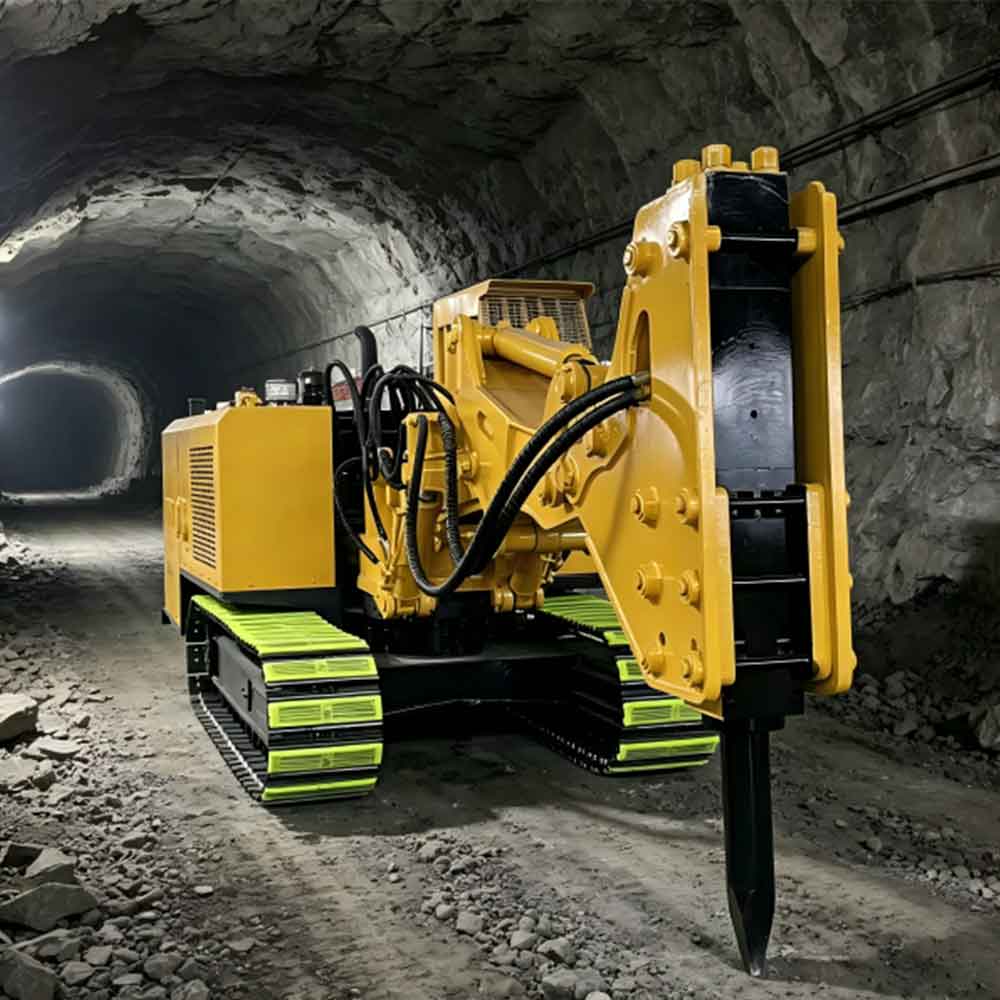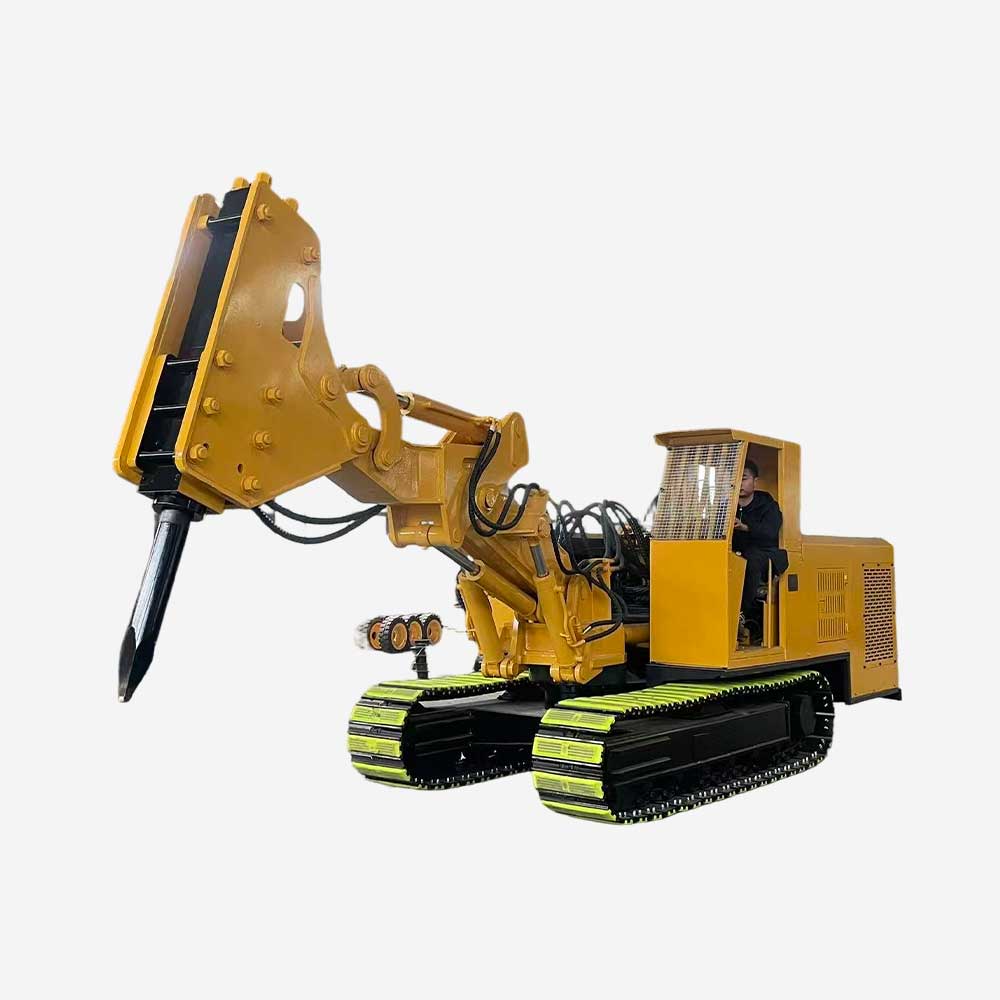
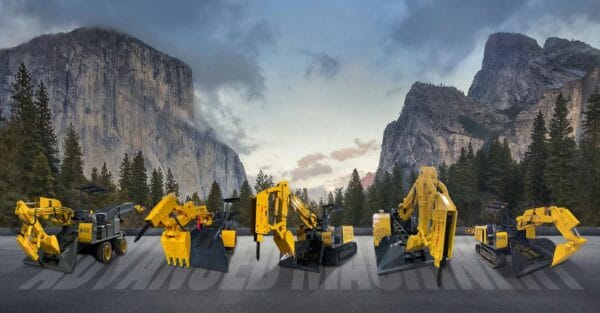
Table of Contents
Introduction
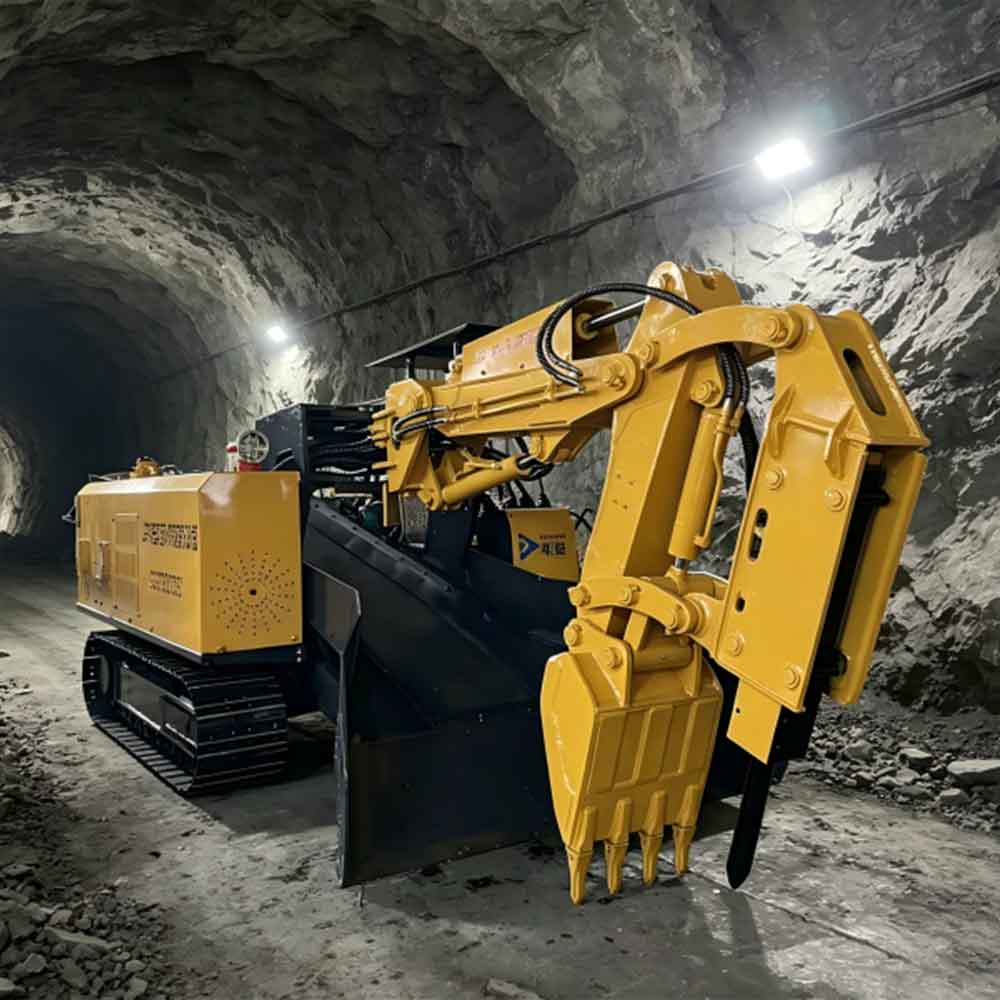
Modern construction, infrastructure development, and material handling operations rely heavily on equipment that can perform multiple tasks with accuracy and efficiency. Among these machines, the excavator loader has become an important solution because it combines digging, loading, lifting, and transportation capabilities within a single compact system.
Unlike traditional equipment designed for only one function, an excavator loader provides greater flexibility for projects that require frequent task changes. Its ability to switch between excavation and loading operations makes it suitable for various working environments, from construction sites and earthmoving projects to agricultural applications and industrial operations.
As technology continues to advance, modern excavator loaders are becoming more intelligent, efficient, and operator-friendly. Improvements in hydraulic systems, machine control technology, fuel efficiency, and safety features are helping companies achieve better productivity while reducing operational challenges.
Understanding how excavator loaders work, their advantages, and future development trends can help equipment users make more informed decisions when selecting machinery for demanding applications.
Understanding the Role of Excavator Loader Equipment
What Makes an Excavator Loader Different
An excavator loader is a multifunctional machine that integrates the functions of an excavator and a loader into one equipment system. The front loader attachment is mainly used for loading, carrying, and moving materials, while the rear excavator arm performs digging and excavation tasks.
This combination provides several operational advantages:
- Reduced need for multiple machines
- Improved project flexibility
- Easier transportation between work areas
- Lower equipment management complexity
For many projects, using a multifunctional machine can improve workflow efficiency because operators can complete different tasks without waiting for additional equipment.
The Importance of Versatility in Modern Operations
Modern projects often require equipment that can adapt quickly to changing conditions. A machine that can perform multiple functions provides greater operational flexibility compared with specialized equipment that handles only one task.
An excavator loader can support activities such as:
- Soil excavation
- Material loading
- Trenching
- Site preparation
- Light demolition work
- Material transportation
This versatility makes it a valuable choice for operations where efficiency and mobility are important factors.
Key Components and Working Principles of Excavator Loaders
Hydraulic Systems and Machine Performance
The hydraulic system is one of the most important components of an excavator loader. It controls the movement of the boom, bucket, and other attachments while providing the power required for digging and lifting operations.
Advanced hydraulic systems help improve:
- Operating precision
- Lifting capacity
- Energy efficiency
- Smooth machine movement
Modern manufacturers continue improving hydraulic technology to create machines that deliver stronger performance while consuming fewer resources.
Front Loader and Rear Excavator Functions
The unique design of an excavator loader comes from combining two major working systems.
| Component | Main Function | Typical Applications |
|---|---|---|
| Front Loader Bucket | Loading and moving materials | Soil, gravel, debris handling |
| Rear Excavator Arm | Digging and excavation | Trenching, foundation work |
| Hydraulic System | Power transmission | Machine control and movement |
| Operator Cabin | Machine operation and monitoring | Safety and productivity |
This combination allows one machine to complete multiple stages of a project without changing equipment.
Major Applications of Excavator Loader Machines
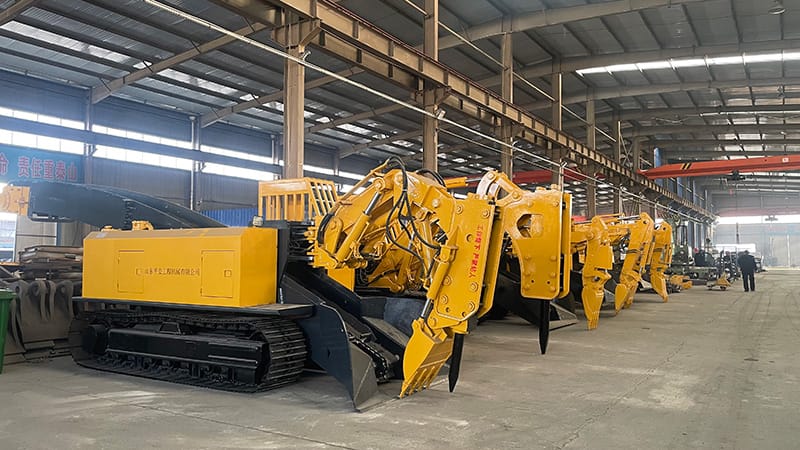
Construction and Earthmoving Operations
Construction is one of the most common application areas for excavator loaders. These machines are widely used for preparing sites, moving materials, and completing excavation tasks.
Typical applications include:
- Foundation preparation
- Pipeline installation
- Road construction support
- Landscaping projects
Their compact design allows them to operate effectively in areas where larger machines may have difficulty accessing.
Agriculture and Land Management
Excavator loaders are also useful in agricultural and land management operations. Their ability to perform digging and loading tasks makes them suitable for:
- Land preparation
- Drainage work
- Material handling
- Farm infrastructure projects
The ability to change attachments further increases their usefulness in different environments.
Technology Innovations Improving Excavator Loader Performance
Intelligent Control Systems
Digital technology is changing how heavy equipment operates. Modern excavator loaders increasingly include intelligent control systems that improve machine accuracy and efficiency.
These systems can help operators by providing:
- Better movement control
- Improved operating information
- More accurate task execution
- Reduced operator fatigue
Smart technology allows equipment to achieve better performance while maintaining operational safety.
Automation and Remote Operation
Automation is becoming an important trend in construction machinery. Remote monitoring and semi-automated functions help improve equipment management and reduce unnecessary risks.
Future excavator loaders are expected to include more advanced features such as:
- Automated operation assistance
- Real-time equipment monitoring
- Intelligent maintenance alerts
- Data-based performance optimization
The broader development of automated machinery is closely connected with industrial automation technologies that improve productivity across many sectors. automation continues to influence how modern equipment is designed and operated.
How Excavator Loaders Improve Productivity
Reducing Equipment Switching Time
One of the biggest advantages of an excavator loader is the ability to perform multiple tasks with one machine.
Traditional workflows may require several machines for:
- Digging
- Loading
- Moving materials
A multifunctional excavator loader reduces the need for equipment changes, helping projects maintain smoother workflows.
Improving Jobsite Efficiency
Productivity depends not only on machine power but also on how effectively equipment supports the entire operation.
Modern excavator loaders improve efficiency through:
- Faster task transitions
- Better material handling
- Improved operator control
- Reduced operational interruptions
For businesses looking for reliable equipment solutions, advanced construction machinery solutions support different operational requirements by combining performance, durability, and practical engineering design.
Safety Features of Modern Excavator Loaders
Operator Protection and Machine Stability
Safety is a major consideration in equipment development. Modern excavator loaders are designed with features that improve operator protection and machine stability.
Important safety improvements include:
- Enhanced cabin visibility
- Stability control systems
- Improved hydraulic safety functions
- Operator assistance technologies
These features help reduce risks during demanding working conditions.
Preventive Maintenance and Equipment Monitoring
Proper maintenance plays an important role in ensuring equipment reliability. Modern machines often include monitoring systems that help identify potential problems before they become serious failures.
Maintenance strategies include:
- Regular inspection
- Component monitoring
- Hydraulic system checks
- Performance evaluation
Reliable equipment management extends machine lifespan and improves operational consistency.
Factors to Consider When Choosing an Excavator Loader
Performance Requirements
Selecting the right excavator loader requires evaluating the specific requirements of the operation.
Important considerations include:
- Working environment
- Required digging depth
- Loading capacity
- Attachment compatibility
- Maintenance needs
Different applications require different equipment configurations, making performance evaluation essential.
Manufacturer Experience and Equipment Quality
Equipment reliability depends heavily on engineering capability and manufacturing quality.
Experienced heavy equipment manufacturers focus on machine durability, production standards, and performance testing to ensure equipment can handle demanding applications.
Quality manufacturing processes help users achieve better long-term operational results.
Future Trends of Excavator Loader Development
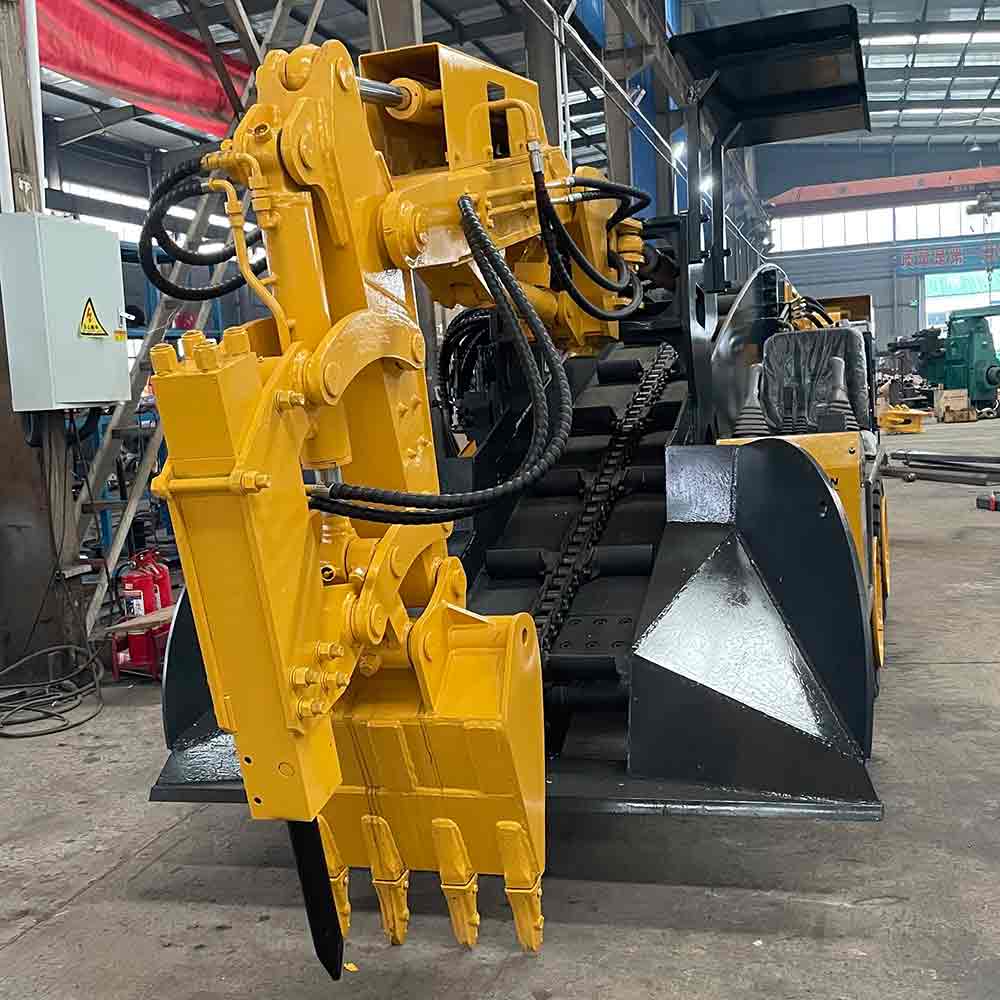
Greater Intelligence and Connectivity
The future of excavator loaders will continue moving toward smarter equipment systems.
Expected developments include:
- Connected equipment platforms
- AI-assisted operation
- Predictive maintenance systems
- Improved automation features
These technologies will help operators manage equipment more efficiently.
Sustainable Equipment Design
Environmental considerations are influencing the development of construction machinery. Manufacturers are focusing on improving energy efficiency and reducing unnecessary resource consumption.
Future excavator loaders may feature:
- More efficient power systems
- Improved hydraulic technology
- Lower energy consumption
- Longer service life
Sustainable design will become increasingly important as industries seek more responsible equipment solutions.
Conclusion
Excavator loaders have become essential multifunctional machines because they combine excavation and loading capabilities into one efficient system. Their versatility, mobility, and adaptability make them valuable across construction, agriculture, and industrial applications.
With continued improvements in automation, digital technology, hydraulic systems, and sustainable design, modern excavator loaders are becoming more efficient and intelligent. Companies that select equipment based on performance, reliability, and future technology compatibility can achieve stronger operational results.
As machinery continues to evolve, excavator loaders will remain an important part of modern equipment solutions, helping industries complete complex tasks with greater efficiency and flexibility.
FAQ
What is an excavator loader?
An excavator loader is a multifunctional machine that combines a front loader bucket with a rear excavator arm. It can perform tasks such as digging, loading, lifting, and material handling in different operational environments.
What are the main uses of an excavator loader?
Excavator loaders are commonly used for excavation, construction support, material transportation, land preparation, trenching, and general earthmoving operations where flexible equipment performance is required.
How does an excavator loader improve efficiency?
An excavator loader improves efficiency by combining multiple functions into one machine, reducing equipment changes, improving workflow continuity, and allowing operators to complete different tasks more quickly.
What technologies are used in modern excavator loaders?
Modern excavator loaders use technologies such as intelligent control systems, advanced hydraulics, digital monitoring, automation features, and improved safety systems to enhance performance and reliability.
How should an excavator loader be maintained?
Regular inspections, hydraulic system checks, component monitoring, and scheduled maintenance help maintain excavator loader performance, prevent unexpected failures, and extend equipment service life.