Tabla de contenido
Introducción
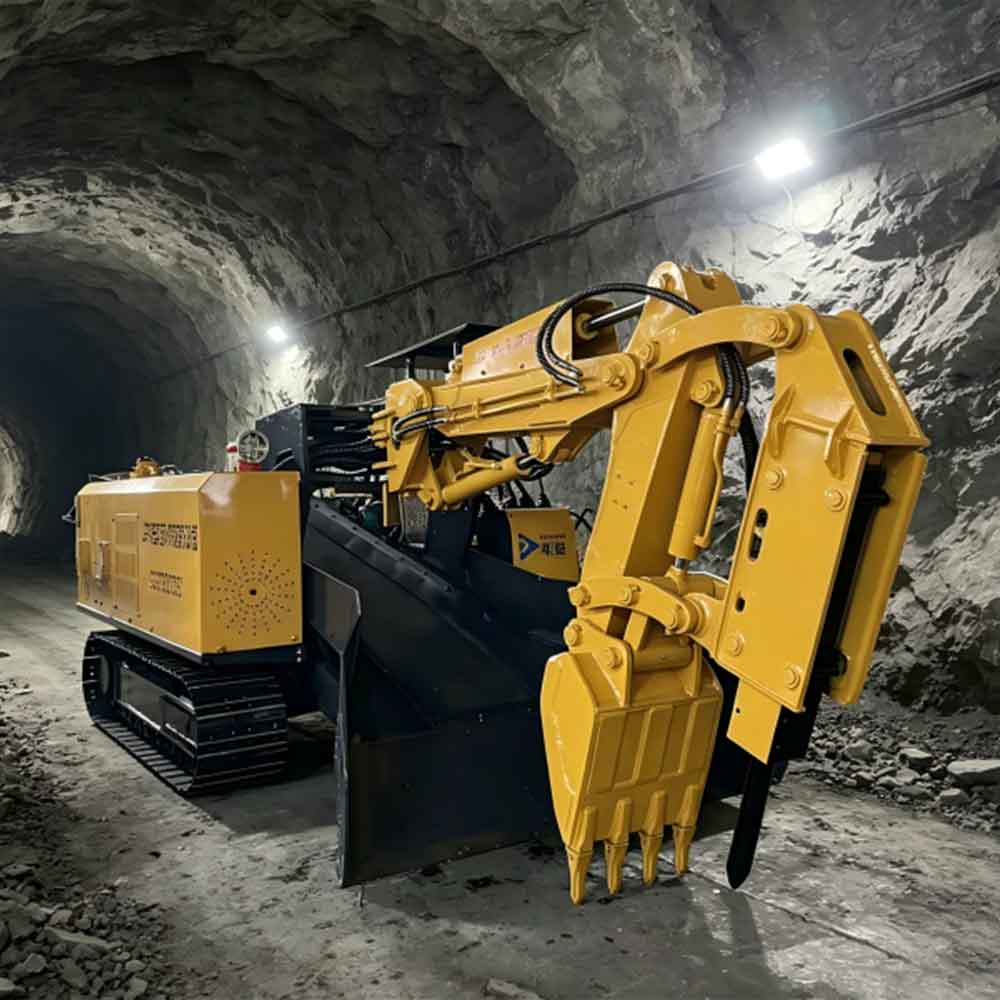
Las operaciones modernas de construcción, desarrollo de infraestructura y manipulación de materiales dependen en gran medida de equipos que pueden realizar múltiples tareas con precisión y eficiencia. Entre estas máquinas, la excavadora-cargadora se ha convertido en una solución importante porque combina capacidades de excavación, carga, elevación y transporte dentro de un único sistema compacto.
A diferencia de los equipos tradicionales diseñados para una sola función, una excavadora-cargadora proporciona una mayor flexibilidad para proyectos que requieren cambios frecuentes de tareas. Su capacidad para cambiar entre operaciones de excavación y carga lo hace adecuado para diversos entornos de trabajo, desde sitios de construcción y proyectos de movimiento de tierras hasta aplicaciones agrícolas y operaciones industriales.
A medida que la tecnología continúa avanzando, las excavadoras cargadoras modernas se vuelven más inteligentes, eficientes y fáciles de usar para el operador. Las mejoras en los sistemas hidráulicos, la tecnología de control de máquinas, la eficiencia del combustible y las características de seguridad están ayudando a las empresas a lograr una mejor productividad y al mismo tiempo reducir los desafíos operativos.
Comprender cómo funcionan las excavadoras cargadoras, sus ventajas y las tendencias de desarrollo futuras puede ayudar a los usuarios de equipos a tomar decisiones más informadas al seleccionar maquinaria para aplicaciones exigentes.
Comprender el papel de los equipos de carga de excavadoras
Lo que hace que una excavadora sea diferente
Una excavadora cargadora es una máquina multifuncional que integra las funciones de una excavadora y una cargadora en un sistema de equipo. El accesorio del cargador frontal se utiliza principalmente para cargar, transportar y mover materiales, mientras que el brazo de la excavadora trasera realiza tareas de excavación y excavación.
Esta combinación proporciona varias ventajas operativas:
- Reducción de la necesidad de múltiples máquinas
- Flexibilidad mejorada del proyecto
- Transporte más fácil entre áreas de trabajo
- Menor complejidad de gestión de equipos
Para muchos proyectos, el uso de una máquina multifuncional puede mejorar la eficiencia del flujo de trabajo porque los operadores pueden completar diferentes tareas sin esperar equipos adicionales.
La importancia de la versatilidad en las operaciones modernas
Los proyectos modernos suelen requerir equipos que puedan adaptarse rápidamente a las condiciones cambiantes. Una máquina que puede realizar múltiples funciones proporciona una mayor flexibilidad operativa en comparación con equipos especializados que manejan una sola tarea.
Una excavadora cargadora puede soportar actividades tales como:
- Excavación de suelos
- Carga de materiales
- Zanjas
- Preparación del sitio
- Trabajos de demolición ligera
- Transporte de materiales
Esta versatilidad lo convierte en una opción valiosa para operaciones donde la eficiencia y la movilidad son factores importantes.
Componentes clave y principios de funcionamiento de los cargadores de excavadoras
Sistemas Hidráulicos y Rendimiento de Má
El sistema hidráulico es uno de los componentes más importantes de una excavadora cargadora. Controla el movimiento de la pluma, el cucharón y otros accesorios al tiempo que proporciona la energía necesaria para las operaciones de excavación y elevación.
Los sistemas hidráulicos avanzados ayudan a mejorar:
- Precisión operativa
- Capacidad de elevación
- Eficiencia energética
- Movimiento suave de la máquina
Los fabricantes modernos continúan mejorando la tecnología hidráulica para crear máquinas que ofrezcan un rendimiento más sólido y consuman menos recursos.
Funciones de cargador frontal y excavadora trasera
El diseño único de una excavadora cargadora proviene de la combinación de dos sistemas de trabajo principales.
| Componente | Función principal | Aplicaciones típicas |
|---|---|---|
| Cubo de carga frontal | Carga y movimiento de materiales | Manejo de suelos, grava y escombros |
| Brazo excavador trasero | Excavación y excavación | Zanjas, trabajos de cimentación |
| Sistema Hidráulico | Transmisión de potencia | Control y movimiento de máquinas |
| Cabina del operador | Operación y monitoreo de máquinas | Seguridad y productividad |
Esta combinación permite que una máquina complete múltiples etapas de un proyecto sin cambiar de equipo.
Principales aplicaciones de las máquinas cargadoras de excavadoras
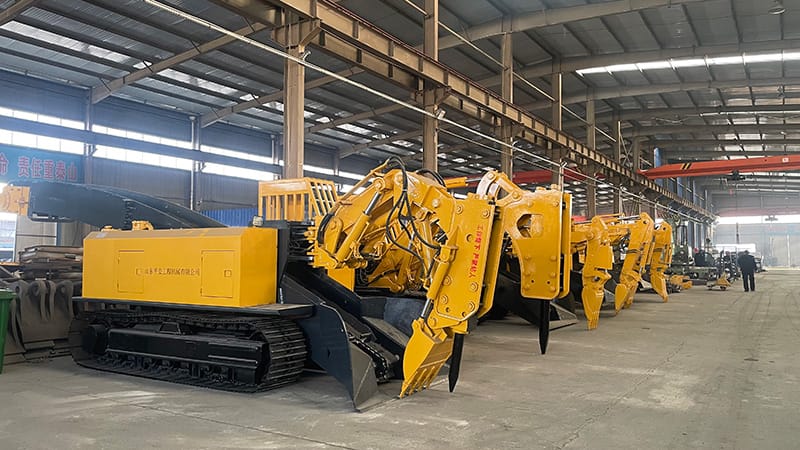
Operaciones de Construcción y Movimiento de Tierras
La construcción es una de las áreas de aplicación más comunes para excavadoras cargadoras. Estas máquinas se utilizan ampliamente para preparar sitios, mover materiales y completar tareas de excavación.
Las aplicaciones típicas incluyen:
- Preparación de la base
- Instalación de tuberías
- Apoyo a la construcción de carreteras
- Proyectos de paisajismo
Su diseño compacto les permite operar eficazmente en áreas donde las máquinas más grandes pueden tener dificultades para acceder.
Agricultura y Gestión de la Tierra
Los cargadores de excavadoras también son útiles en operaciones agrícolas y de gestión de tierras. Su capacidad para realizar tareas de excavación y carga los hace adecuados para:
- Preparación del terreno
- Trabajos de drenaje
- Manejo de materiales
- Proyectos de infraestructura agrícola
La capacidad de cambiar archivos adjuntos aumenta aún más su utilidad en diferentes entornos.
Innovaciones tecnológicas que mejoran el rendimiento del cargador de excavadoras
Sistemas de control inteligentes
La tecnología digital está cambiando el funcionamiento de los equipos pesados. Las excavadoras cargadoras modernas incluyen cada vez más sistemas de control inteligentes que mejoran la precisión y eficiencia de las máquinas.
Estos sistemas pueden ayudar a los operadores proporcionándoles:
- Mejor control de movimiento
- Información operativa mejorada
- Ejecución de tareas más precisa
- Reducción de la fatiga del operador
La tecnología inteligente permite que los equipos logren un mejor rendimiento manteniendo la seguridad operativa.
Automatización y operación remota
La automatización se está convirtiendo en una tendencia importante en la maquinaria de construcción. La monitorización remota y las funciones semiautomáticas ayudan a mejorar la gestión de equipos y reducir riesgos innecesarios.
Se espera que los futuros cargadores de excavadoras incluyan características más avanzadas como:
- Asistencia de operación automatizada
- Monitoreo de equipos en tiempo real
- Alertas de mantenimiento inteligentes
- Optimización del rendimiento basada en datos
El desarrollo más amplio de maquinaria automatizada está estrechamente relacionado con tecnologías de automatización industrial que mejoran la productividad en muchos sectores. automatización continúa influyendo en cómo se diseñan y operan los equipos modernos.
Cómo mejoran la productividad los cargadores de excavadoras
Reducción del tiempo de conmutación del equipo
Una de las mayores ventajas de una excavadora cargadora es la capacidad de realizar múltiples tareas con una sola máquina.
Los flujos de trabajo tradicionales pueden requerir varias máquinas para:
- Excavación
- Cargando
- Materiales en movimiento
Una excavadora cargadora multifuncional reduce la necesidad de cambios de equipos, lo que ayuda a los proyectos a mantener flujos de trabajo más fluidos.
Mejorar la eficiencia del lugar de trabajo
La productividad depende no sólo de la potencia de la máquina sino también de la eficacia con la que el equipo soporta toda la operación.
Las excavadoras cargadoras modernas mejoran la eficiencia mediante:
- Transiciones de tareas más rápidas
- Mejor manejo de materiales
- Control de operador mejorado
- Reducción de interrupciones operativas
Para empresas que buscan soluciones de equipos confiables y avanzadas soluciones de maquinaria de construcción respalde diferentes requisitos operativos combinando rendimiento, durabilidad y diseño de ingeniería práctico.
Características de seguridad de las excavadoras cargadoras modernas
Protección del operador y estabilidad de la máquina
La seguridad es una consideración importante en el desarrollo de equipos. Las excavadoras cargadoras modernas están diseñadas con características que mejoran la protección del operador y la estabilidad de la máquina.
Las mejoras de seguridad importantes incluyen:
- Visibilidad mejorada de la cabina
- Sistemas de control de estabilidad
- Funciones de seguridad hidráulica mejoradas
- Tecnologías de asistencia al operador
Estas características ayudan a reducir los riesgos durante condiciones laborales exigentes.
Mantenimiento Preventivo y Monitoreo de Equipos
El mantenimiento adecuado juega un papel importante para garantizar la confiabilidad del equipo. Las máquinas modernas suelen incluir sistemas de monitoreo que ayudan a identificar problemas potenciales antes de que se conviertan en fallas graves.
Las estrategias de mantenimiento incluyen:
- Inspección periódica
- Monitoreo de componentes
- Comprobaciones del sistema hidráulico
- Evaluación del desempeño
La gestión confiable del equipo extiende la vida útil de la máquina y mejora la consistencia operativa.
Factores a considerar al elegir una excavadora cargadora
Requisitos de desempeño
Seleccionar la excavadora cargadora adecuada requiere evaluar los requisitos específicos de la operación.
Las consideraciones importantes incluyen:
- Ambiente de trabajo
- Profundidad de excavación requerida
- capacidad de carga
- Compatibilidad con archivos adjuntos
- Necesidades de mantenimiento
Diferentes aplicaciones requieren diferentes configuraciones de equipos, lo que hace que la evaluación del desempeño sea esencial.
Experiencia del fabricante y calidad del equipo
La confiabilidad del equipo depende en gran medida de la capacidad de ingeniería y la calidad de fabricación.
Experimentado fabricantes de equipos pesados centrarse en la durabilidad de la máquina, los estándares de producción y las pruebas de rendimiento para garantizar que el equipo pueda manejar aplicaciones exigentes.
Los procesos de fabricación de calidad ayudan a los usuarios a lograr mejores resultados operativos a largo plazo.
Tendencias futuras del desarrollo de cargadores de excavadoras
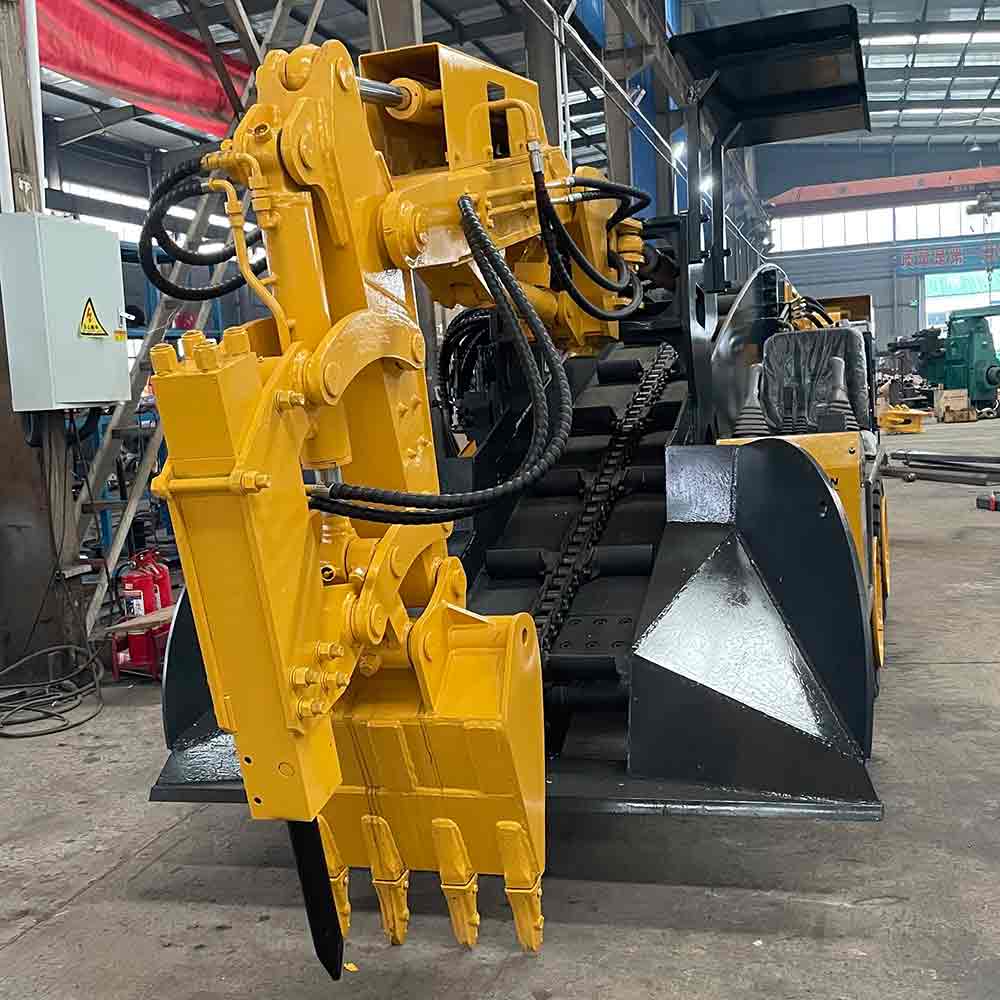
Mayor Inteligencia y Conectividad
El futuro de las excavadoras cargadoras seguirá avanzando hacia sistemas de equipos más inteligentes.
Los desarrollos esperados incluyen:
- Plataformas de equipos conectados
- Operación asistida por IA
- Sistemas de mantenimiento predictivo
- Funciones de automatización mejoradas
Estas tecnologías ayudarán a los operadores a gestionar los equipos de manera más eficiente.
Diseño de Equipos Sostenibles
Las consideraciones medioambientales están influyendo en el desarrollo de la maquinaria de construcción. Los fabricantes se están centrando en mejorar la eficiencia energética y reducir el consumo innecesario de recursos.
Los futuros cargadores de excavadoras pueden incluir:
- Sistemas de energía más eficientes
- Tecnología hidráulica mejorada
- Menor consumo de energía
- Mayor vida útil
El diseño sostenible será cada vez más importante a medida que las industrias busquen soluciones de equipos más responsables.
Conclusión
Las excavadoras cargadoras se han convertido en máquinas multifuncionales esenciales porque combinan capacidades de excavación y carga en un sistema eficiente. Su versatilidad, movilidad y adaptabilidad las hacen valiosas en aplicaciones industriales, agrícolas y de construcción.
Con mejoras continuas en automatización, tecnología digital, sistemas hidráulicos y diseño sostenible, las excavadoras cargadoras modernas se están volviendo más eficientes e inteligentes. Las empresas que seleccionan equipos en función del rendimiento, la confiabilidad y la compatibilidad tecnológica futura pueden lograr resultados operativos más sólidos.
A medida que la maquinaria continúe evolucionando, las excavadoras cargadoras seguirán siendo una parte importante de las soluciones de equipos modernas, ayudando a las industrias a completar tareas complejas con mayor eficiencia y flexibilidad.
Preguntas frecuentes
¿qué es una excavadora cargadora?
Una excavadora cargadora es una máquina multifuncional que combina un cucharón de carga frontal con un brazo de excavadora trasero. Puede realizar tareas como excavación, carga, elevación y manipulación de materiales en diferentes entornos operativos.
¿cuáles son los principales usos de una excavadora cargadora?
Los cargadores de excavadoras se utilizan comúnmente para operaciones de excavación, soporte de construcción, transporte de materiales, preparación de terrenos, zanjas y movimiento de tierras en general donde se requiere un rendimiento flexible del equipo.
¿cómo mejora la eficiencia una excavadora-cargadora?
Una excavadora cargadora mejora la eficiencia al combinar múltiples funciones en una sola máquina, reducir los cambios de equipo, mejorar la continuidad del flujo de trabajo y permitir a los operadores completar diferentes tareas más rápidamente.
¿qué tecnologías se utilizan en las excavadoras cargadoras modernas?
Las excavadoras cargadoras modernas utilizan tecnologías como sistemas de control inteligentes, sistemas hidráulicos avanzados, monitoreo digital, funciones de automatización y sistemas de seguridad mejorados para mejorar el rendimiento y la confiabilidad.
¿cómo se debe mantener una excavadora cargadora?
Las inspecciones periódicas, las comprobaciones del sistema hidráulico, el monitoreo de componentes y el mantenimiento programado ayudan a mantener el rendimiento del cargador de excavadora, prevenir fallas inesperadas y extender la vida útil del equipo.