Table of Contents
Introduction
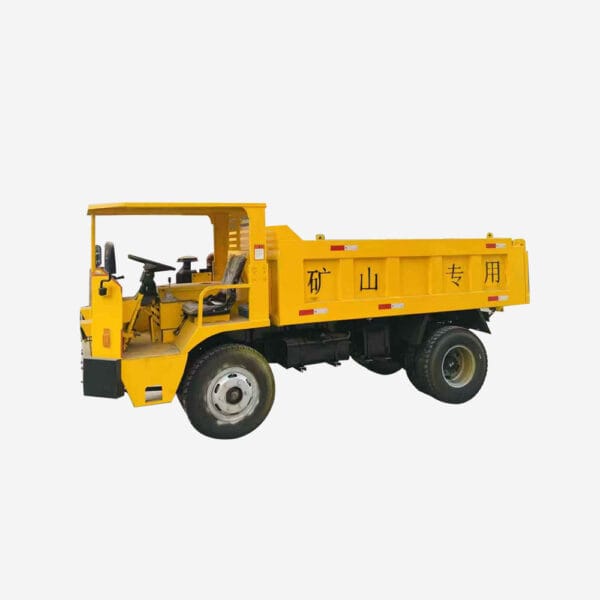
Underground mining operations present unique challenges, especially when working in confined tunnels or low-ceiling environments. Underground mining trucks are essential machines designed to efficiently transport ore, coal, or rock from the mine face to haulage points or processing areas. Unlike surface trucks, these vehicles are specially engineered to navigate tight spaces while maintaining safety and high productivity.
Modern underground trucks have evolved to include low-profile designs, electric or hybrid drives, and advanced safety systems. According to industry reports on underground mining equipment, these innovations can improve operational efficiency by up to 20% while reducing ventilation requirements and energy consumption.
Types of Underground Mining Trucks
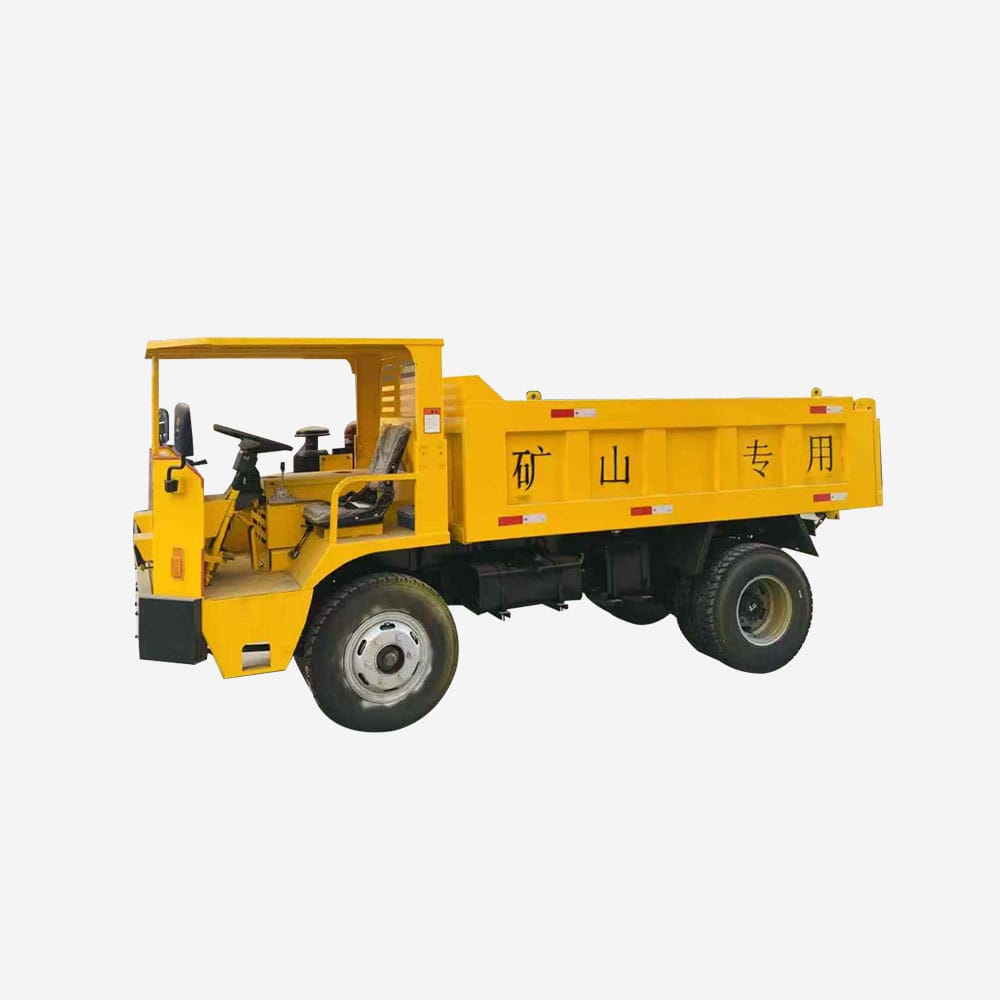
There are several types of underground mining trucks, each suited for specific operational needs:
- Low-Profile Trucks: Optimized for narrow tunnels and thin seams, these trucks are compact but highly maneuverable.
- High-Capacity Trucks: Designed for slightly wider tunnels and heavier material, these trucks can carry larger payloads efficiently.
- Electric Trucks: Producing zero exhaust emissions, electric trucks are ideal for tight underground spaces, improving air quality and reducing ventilation demands.
- Diesel Trucks: Offer higher torque and longer operational hours, though they require careful ventilation management.
Selecting the right type depends on tunnel size, material density, and operational goals.
Key Functional Features
Underground mining trucks are distinguished by several functional features:
- Loading and Hauling Efficiency: Optimized bucket sizes and payload capacities allow efficient material transport.
- Maneuverability: Short turning radii and low-profile frames enable operation in confined spaces.
- Cycle Times: Advanced hydraulic and drive systems ensure quick loading and unloading cycles.
- Durability: Robust chassis and suspension systems handle rough, uneven underground terrain.
Industry studies indicate that using low-profile or electric trucks can reduce cycle times by 15–25% in narrow tunnels.
Design and Structural Considerations
The design of underground mining trucks directly impacts performance and safety:
- Frame and Chassis: Low-profile frames allow trucks to pass under low ceilings, while reinforced chassis ensure durability.
- Suspension and Traction: Specialized suspension systems provide stability on uneven mine floors.
- Operator Cabin: Ergonomic designs with reinforced cabins and wide visibility enhance safety.
Proper design ensures trucks can operate efficiently without compromising safety or productivity.
Power and Energy Efficiency
Power options significantly affect operational efficiency:
- Diesel vs Electric: Electric trucks reduce ventilation needs and emissions, whereas diesel trucks provide high torque and extended operation.
- Hybrid Systems: Some modern trucks combine electric and diesel power to optimize energy usage.
- Energy-Saving Features: Regenerative braking and efficient motors help lower overall energy consumption.
According to underground mining equipment reports, electric and hybrid trucks can reduce energy consumption per ton of transported material by up to 25%.
Safety Features and Risk Management
Safety is critical in underground mining, especially in tight tunnels:
- Collision Avoidance Systems: Sensors and automated alerts prevent accidents in low-visibility areas.
- Stability Control: Ensures trucks remain balanced on uneven terrain.
- Emergency Stops and Interlocks: Immediate shutdown capabilities in hazardous situations.
Research shows that integrating these safety features can reduce underground mining accidents by approximately 30%.
Maintenance and Lifecycle Management
Maintenance is crucial to maximize uptime and equipment life:
- Routine Maintenance: Regular checks on hydraulics, tires, and chassis components.
- Predictive Monitoring: Sensors track performance and alert operators to potential issues before failure occurs.
- Lifecycle Cost: Choosing durable, modular trucks reduces repair costs and increases service life.
Predictive maintenance systems are proven to reduce unplanned downtime by 20–30%, ensuring consistent productivity.
Customization and Modular Options
Each mine has unique spatial and geological conditions:
- Tailored Designs: Trucks can be customized for narrow seams or irregular tunnels.
- Modular Components: Easy replacement of wear parts and upgrades without halting operations.
- Special Features: Additional traction, reinforced buckets, or automated controls for specialized operations.
Customization ensures optimal efficiency and safety while adapting to mine-specific challenges.
Efficiency and Productivity Impacts
Underground mining trucks enhance mine productivity by streamlining material transport:
- Faster loading and unloading cycles
- Reduced labor requirements through automation
- Integration with conveyors and haulage systems
Studies show that using optimized underground trucks can improve material transport efficiency by 15–25%, depending on mine layout and truck selection.
Choosing the Right Underground Mining Truck
Selecting the right truck involves evaluating:
- Tunnel width, seam thickness, and mine layout
- Material type and density
- Electric vs diesel considerations
- Low-profile vs high-capacity requirements
- ROI and operational efficiency impact
Correct truck selection ensures maximum productivity, safety, and cost-effectiveness.
Comparison Table: Underground Mining Truck Types
| Feature | Low-Profile Truck | High-Capacity Truck | Electric Truck | Diesel Truck |
|---|---|---|---|---|
| Tunnel Suitability | Narrow tunnels | Wider tunnels | Confined spaces | Moderate tunnels |
| Payload Capacity | Moderate | High | Moderate | High |
| Energy Type | Diesel/Electric | Diesel/Electric | Electric | Diesel |
| Maneuverability | Excellent | Moderate | Excellent | Moderate |
| Safety Features | Collision sensors, low-profile cabin | Stability control | Zero emissions, low ventilation | High torque, robust frame |
| Maintenance | Modular parts, easy access | Routine hydraulic checks | Predictive maintenance | Regular maintenance |
Conclusion
Underground mining trucks are vital for safe, efficient, and productive underground mining operations. Understanding their types, design features, and operational benefits helps mining managers select the right truck for their mine. Modern low-profile, electric, and modular trucks enhance efficiency, reduce energy use, and improve safety.
Evaluate your mine’s tunnel dimensions, material type, and operational goals, and consult with mining equipment experts to choose the optimal underground mining truck. Investing in the right machinery ensures higher productivity, safer operations, and long-term cost savings. For professional guidance and tailored equipment recommendations, contact us today.
FAQ
What are underground mining trucks used for?
They transport ore, coal, or rock from the mine face to haulage points efficiently in confined underground spaces.
Can underground mining trucks be customized?
Yes, modular and custom-built trucks can adapt to specific tunnel widths, seams, and material types.
How does automation improve truck efficiency?
Remote or autonomous operation reduces downtime, improves cycle times, and enhances safety in low-visibility areas.