Underground mining is one of the most technically complex sectors in the world. Selecting the right underground mining equipment suppliers is not simply about purchasing machinery—it’s about ensuring operational efficiency, safety, and maximizing ROI over time. With the rapid integration of automation, intelligent monitoring, and energy-efficient technologies, mining operations are evolving fast.
This comprehensive guide explores 10 essential tips to evaluate and select underground mining equipment suppliers. By following these best practices, you can optimize production, reduce downtime, and achieve sustainable profitability.
Key Takeaways:
- Understanding supplier offerings beyond equipment
- Evaluating technical expertise and manufacturing reliability
- Comparing performance metrics and operational efficiencies
- Considering after-sales support and maintenance programs
- Ensuring safety and environmental compliance
- Reviewing supplier experience and business model
- Leveraging technological advancements like automation
- Case studies and data-driven examples for decision-making
Table of Contents
Understanding the Role of Underground Mining Equipment Suppliers
What Services Do Suppliers Provide?
Underground mining equipment suppliers typically offer:
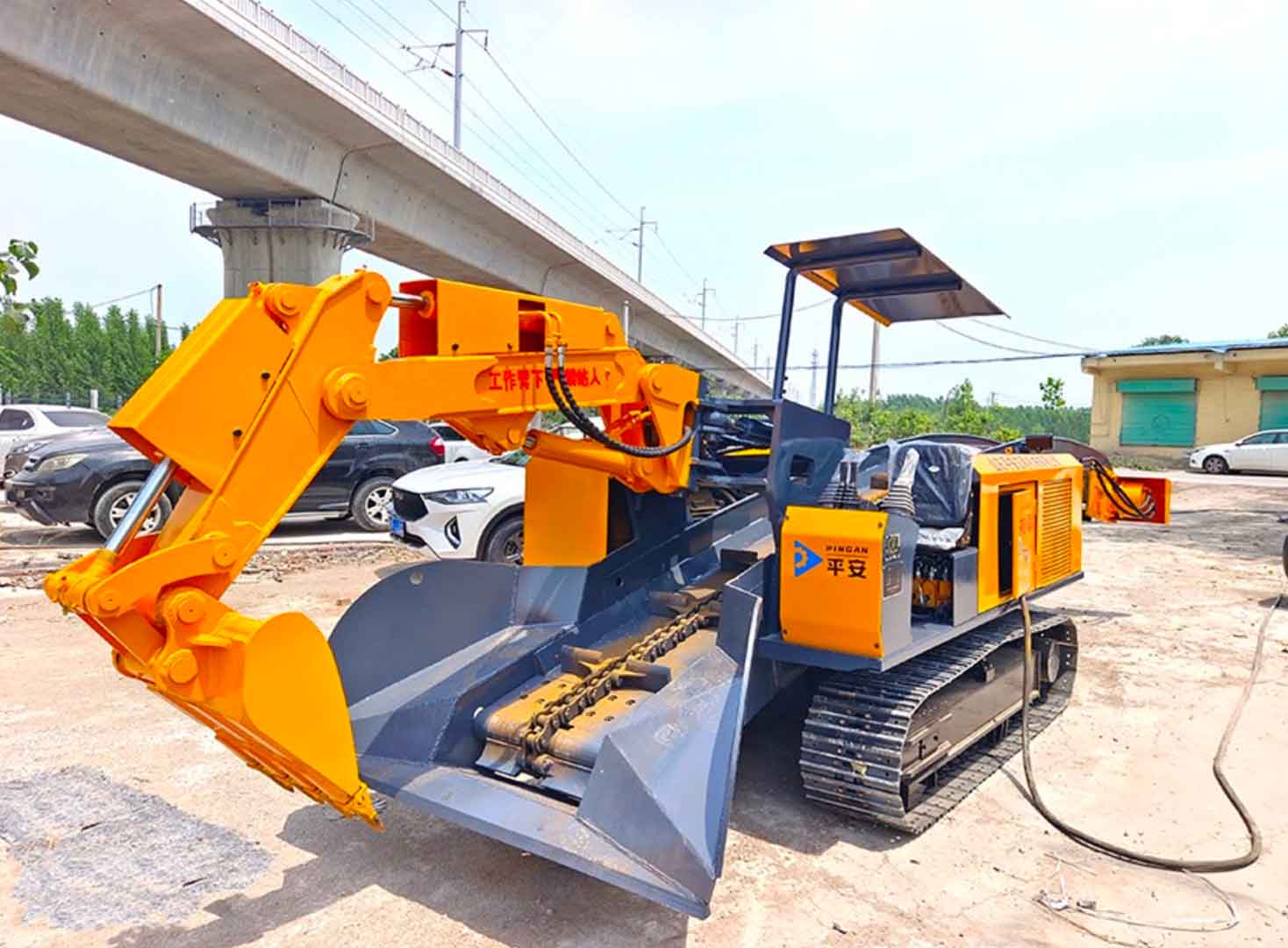
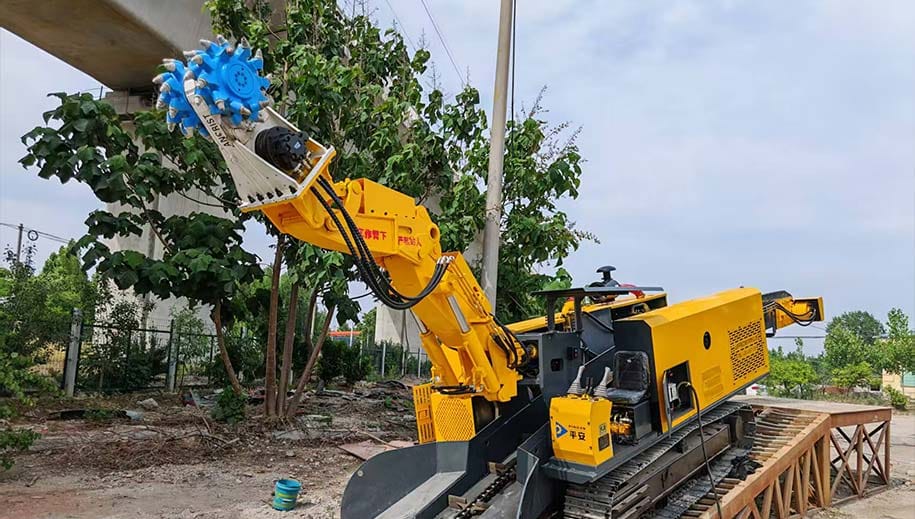
- Loaders, haul trucks, continuous miners, and tunnel boring machines
- Drilling and bolting equipment for underground roof support
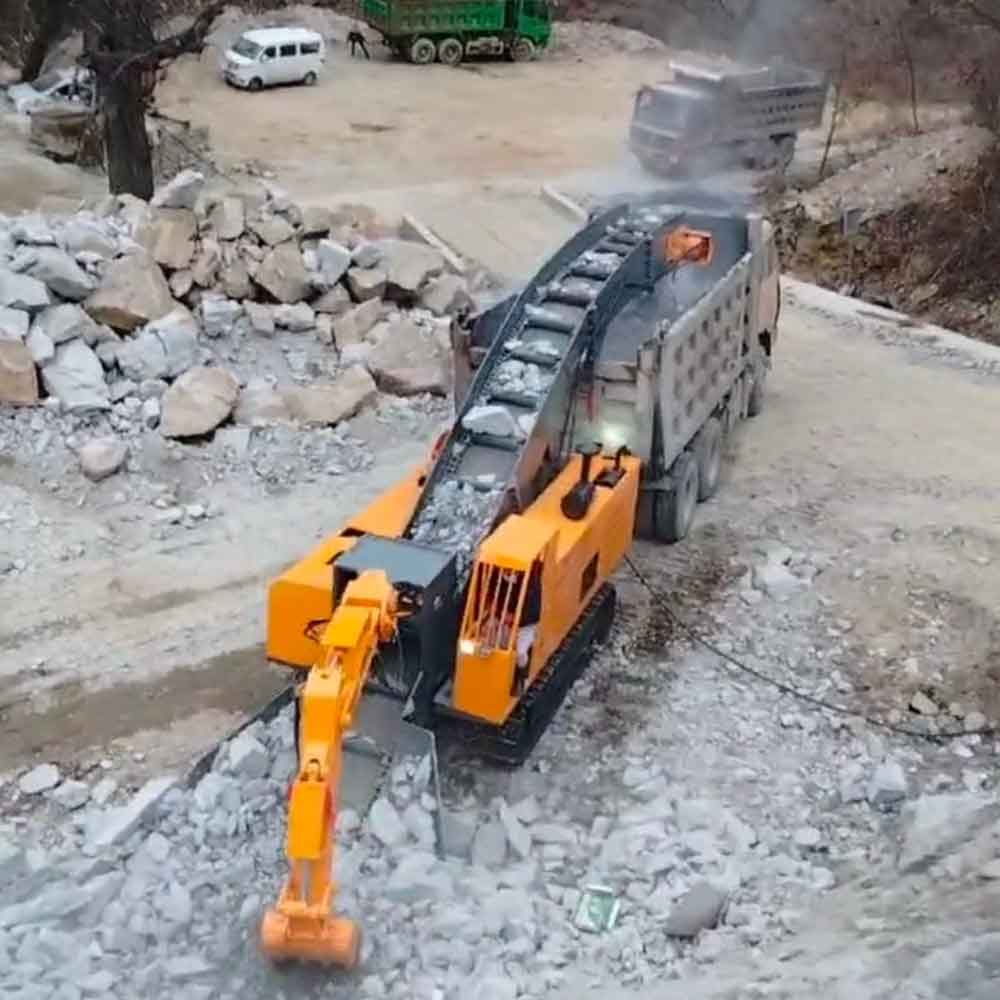
- Material handling and conveyor systems
- Operator and maintenance training programs
- After-sales support including spare parts and service agreements
According to the International Council on Mining and Metals (ICMM, 2022), mining companies that work closely with experienced suppliers see a 20–30% reduction in operational downtime over five years.
Importance of Supplier Selection
Downtime in underground operations can cost tens of thousands of dollars per hour. Selecting a supplier with proven reliability and high-quality equipment directly impacts operational efficiency and safety.
Tip 1: Evaluate Technical Expertise of Underground Mining Equipment Suppliers
Engineering and R&D Capabilities
Suppliers with robust R&D departments often produce more innovative and efficient equipment. For example, modern underground loaders feature energy-recovery hydraulic systems that reduce fuel consumption by up to 15%.
Equipment Design Standards
Adherence to ISO 9001 and ISO 21815 mining machinery standards ensures consistent quality, reduced failure rates, and predictable operational performance.
Tip 2: Examine Product Range and Equipment Categories
Key Equipment Types
| Equipment Type | Function | Average Capacity | Operational Advantage |
|---|---|---|---|
| Underground Loader | Material collection | 2–10 tons | High maneuverability in tunnels |
| Mining Dump Truck | Material transport | 10–50 tons | Efficient hauling in confined spaces |
| Continuous Miner | Coal/ore extraction | 80–120 m³/hour | Combines cutting and loading |
| Tunnel Boring Machine | Excavation | 1–5 m diameter | Precision tunneling with minimal disturbance |
| Drilling Rig | Rock bolting/drilling | N/A | Safety and roof stabilization |
Suppliers offering integrated systems allow for smooth coordination between machines, reducing bottlenecks.
Integrated Equipment Systems
Some suppliers design equipment to integrate directly with material handling systems. This integration can boost operational efficiency by up to 25%.
Tip 3: Compare Equipment Performance Specifications
Key Technical Metrics
- Engine power (kW) and torque (Nm)
- Load capacity (tons) and cutting volume (m³/hour)
- Hydraulic efficiency and operational stability
- Fuel consumption and energy efficiency
Case Study: Continuous Mining Efficiency
A coal operator implemented loaders and continuous miners from a supplier with high-efficiency hydraulics. Productivity increased from 75 m³/hour to 110 m³/hour, reducing labor requirements by 18% and cutting downtime costs by $120,000 per month.
Tip 4: Assess Manufacturing Quality and Materials
Material Strength and Durability
- Equipment frames are made of high-strength low-alloy (HSLA) steel, providing excellent fatigue resistance.
- Cutter heads use tungsten carbide alloys for prolonged wear life.
- Hydraulic cylinders feature double-sealed pistons to prevent leaks under high pressure.
Manufacturing Processes
Modern manufacturing incorporates CNC machining, robotic welding, and automated assembly lines. Suppliers using Six Sigma quality control report 40% fewer defective units per production batch.
Tip 5: Consider After-Sales Support and Technical Service
Maintenance Assistance
Top suppliers offer:
- Preventive maintenance schedules
- Remote diagnostics for early problem detection
- Field service engineers for onsite troubleshooting
Spare Parts Availability
A 2022 industry survey revealed 75% of mining companies prioritize suppliers with strong parts availability, as equipment downtime costs can range from $30,000 to $50,000 per hour in large-scale operations.
Tip 6: Analyze Equipment Safety Features
Operator Safety
- Reinforced ROPS cabins
- Emergency shutdown systems
- Dust suppression technologies
Operational Safety
Stability control, anti-vibration designs, and fail-safes prevent accidents and structural collapses. Suppliers adhering to MSHA and ISO 21815 safety standards often reduce incident rates by up to 35%.
Tip 7: Understand Cost Structure Beyond Purchase Price
Total Cost of Ownership
Include:
- Initial purchase cost
- Fuel and energy usage
- Maintenance and spare parts
- Downtime impact
Long-Term Savings
High-efficiency equipment reduces operating costs by 15–25% over a decade.
Tip 8: Evaluate Supplier Reliability and Industry Experience
Track Record
Suppliers with 20+ years of experience are likely to offer robust and safe equipment.
Customer Testimonials
Real-world feedback indicates performance under actual operating conditions, highlighting supplier reliability.
Tip 9: Compare Supplier Business Models
Manufacturer vs Distributor
Manufacturers provide deeper technical support; distributors may offer quicker availability or competitive pricing.
Regional vs Global
Global suppliers may provide advanced technology. Regional suppliers often provide faster response times and local customization.
Tip 10: Plan for Future Technology Adoption
Automation and Remote Operation
- Remote-controlled loaders reduce operator exposure to hazardous zones.
- Real-time monitoring enhances predictive maintenance, reducing downtime by 20–25%.
Data-Driven Decision Making
AI and IoT sensors monitor load, temperature, and wear. Analytics can optimize scheduling and maximize equipment life.
Comparative Analysis Table
| Equipment Feature | Supplier A | Supplier B | Supplier C | Recommendation |
|---|---|---|---|---|
| Loader capacity (tons) | 8 | 10 | 9 | B |
| Hydraulic efficiency | 92% | 95% | 90% | B |
| Spare parts availability | High | Medium | High | A/C |
| Maintenance response time | 24h | 48h | 36h | A |
Conclusion
Choosing the right underground mining equipment suppliers goes beyond procurement; it directly impacts operational efficiency, safety, and cost-effectiveness. By evaluating technical expertise, performance metrics, after-sales support, safety features, and long-term technological capabilities, mining operations can select suppliers that maximize productivity while minimizing risk. A systematic, data-driven approach ensures your underground mining operations remain competitive, safe, and profitable.
FAQ
How do I evaluate equipment supplier reliability?
Consider years in business, certifications, client feedback, and service network.
Can suppliers provide customized equipment?
Yes, many suppliers design machinery based on tunnel dimensions, ore type, and operational requirements.
What is the typical lead time for delivery?
Lead times range from 12–24 weeks, depending on complexity and production schedules.
How does automation impact underground mining operations?
Automation reduces labor needs, improves safety, and enhances efficiency by 20–25%.
Are suppliers responsible for installation onsite?
Some provide installation; others offer detailed technical guidance for in-house teams.
Need Help Choosing the Right Underground Mining Equipment Suppliers?
If you’re unsure which supplier or equipment fits your underground mining project best, our experts at PingAn Machinery are here to guide you. Contact us today for a personalized consultation, and ensure your mining operations are efficient, safe, and profitable. Don’t wait—reach out now to secure the best solution for your project!