
Table of Contents
Introduction
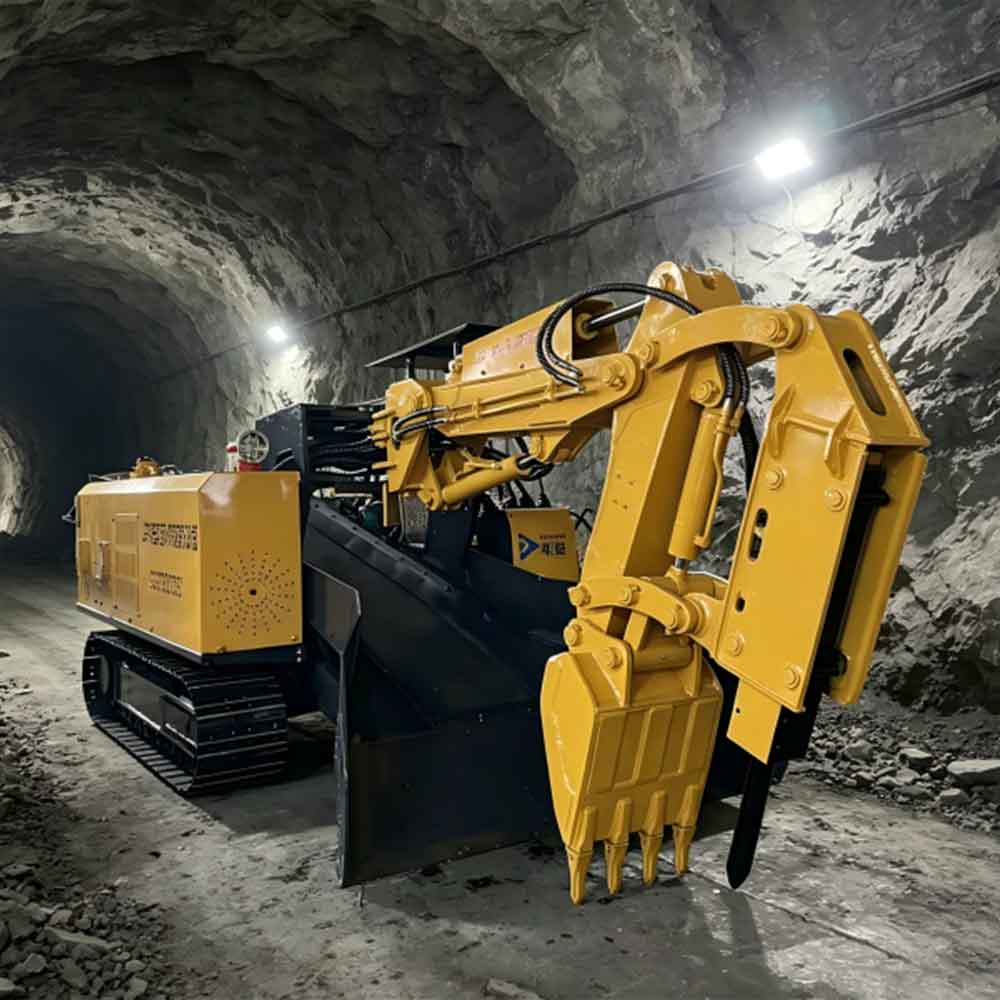
Underground mining requires specialized solutions that can operate effectively in complex environments where space, safety, and efficiency are critical factors. Unlike surface operations, underground mining involves working below ground in areas with limited accessibility, changing geological conditions, and higher operational challenges. This makes reliable equipment a key factor in achieving stable and productive mining processes.
Modern underground mining equipment has evolved significantly with the integration of automation, digital monitoring, intelligent control systems, and energy-efficient technologies. These advancements are helping mining operators improve productivity while reducing operational risks and equipment downtime.
According to industry research from the International Energy Agency (IEA), digitalization and advanced technologies are becoming increasingly important for improving efficiency across industrial sectors. In mining, similar developments are driving the transition toward smarter equipment management, better resource utilization, and safer working environments.
As mining operations continue to become more technology-driven, understanding the functions, advantages, and future trends of underground mining equipment helps operators make better decisions for long-term operational performance.
Understanding the Role of Underground Mining Equipment
Why Underground Mining Requires Specialized Equipment
Underground mining environments create unique challenges that require equipment designed specifically for confined and demanding conditions. Machines must operate in areas with restricted movement, uneven surfaces, and changing underground structures.
Unlike general industrial machinery, underground mining equipment needs to provide:
- High durability under continuous operation
- Compact designs suitable for limited spaces
- Strong performance in difficult conditions
- Reliable safety features
- Easy maintenance access
The effectiveness of underground mining depends heavily on how well equipment can adapt to these challenges. Poor equipment selection can lead to production delays, increased maintenance requirements, and higher operational risks.
The Difference Between Underground and Surface Mining Equipment
Surface mining equipment usually focuses on large-scale material movement and open-area operation. Underground mining equipment, however, must balance power with flexibility because working environments are more restricted.
Key differences include:
| Feature | Underground Mining Equipment | Surface Mining Equipment |
|---|---|---|
| Operating Environment | Confined underground spaces | Open mining areas |
| Equipment Design | Compact and highly durable | Larger and heavy-duty |
| Main Priority | Safety and maneuverability | Large-scale productivity |
| Technology Focus | Automation and remote operation | High-capacity performance |
This difference explains why underground operations require specialized machinery rather than simply adapting surface equipment.
Key Types of Underground Mining Equipment
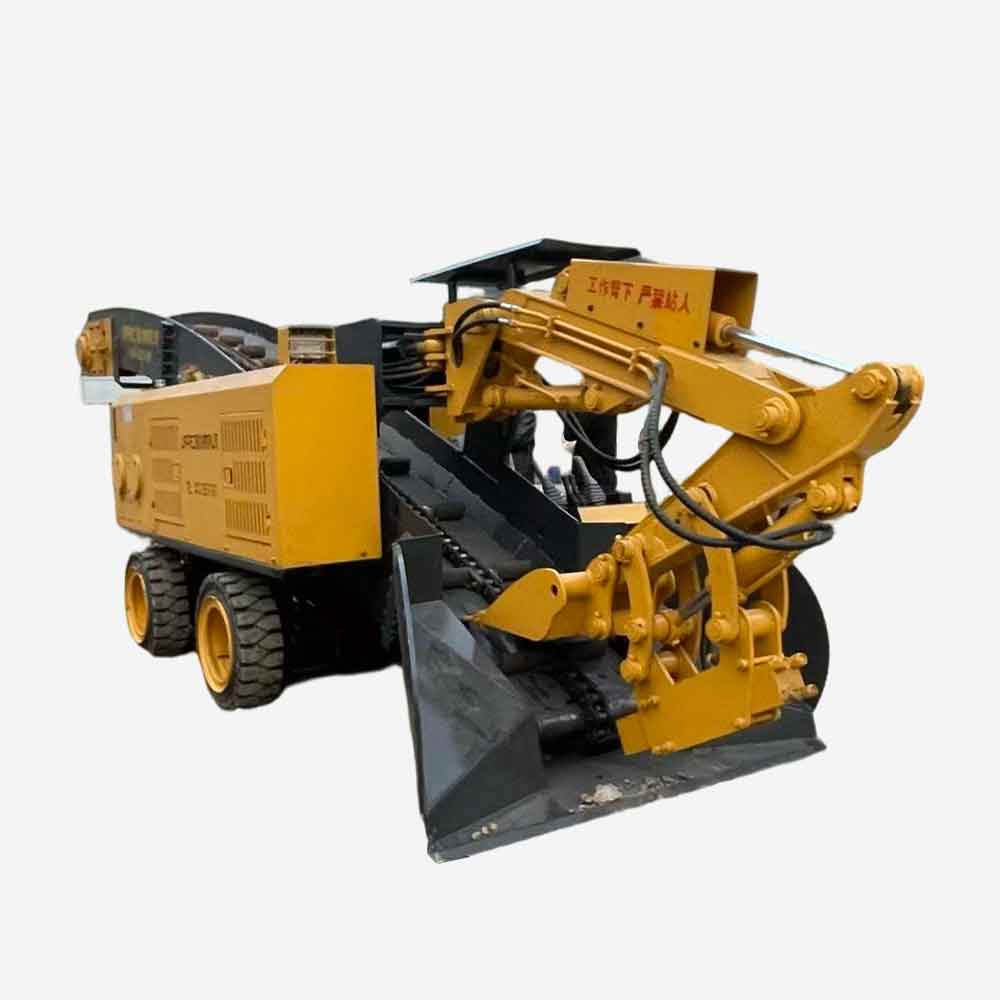
Drilling Equipment for Underground Operations
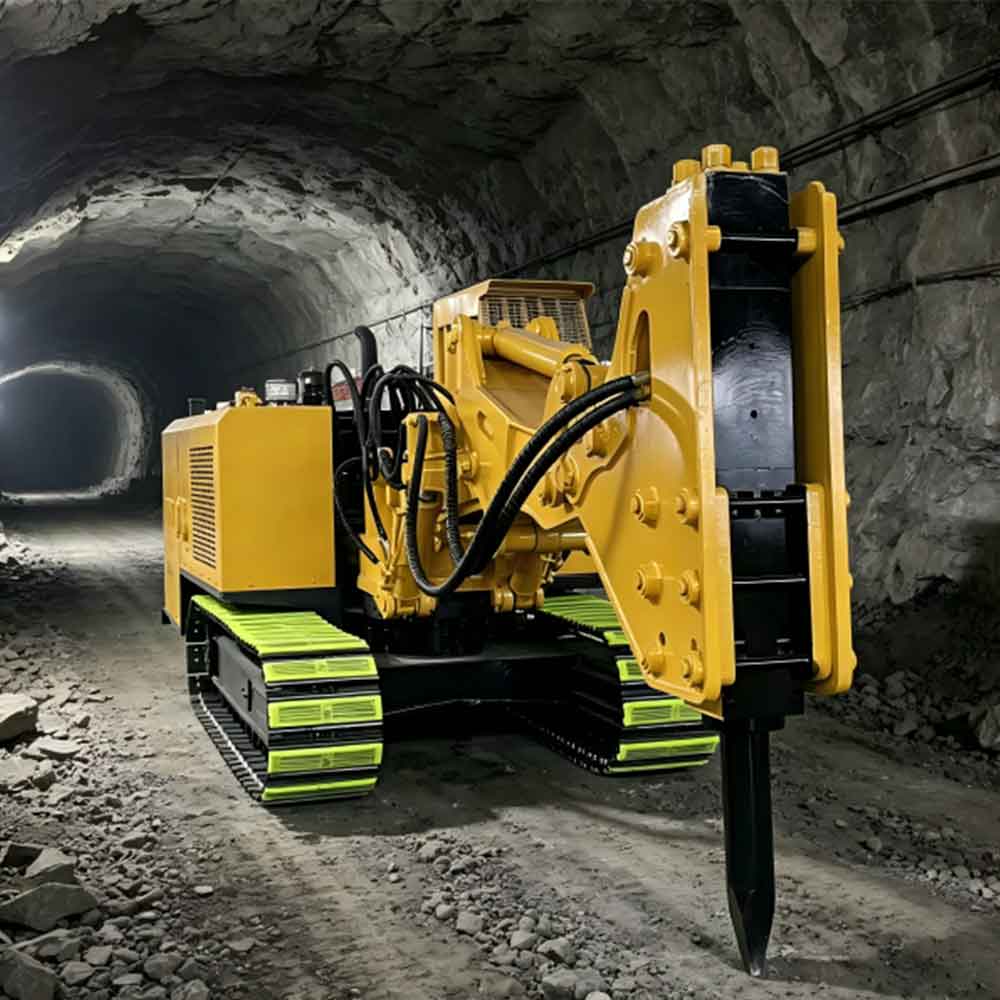
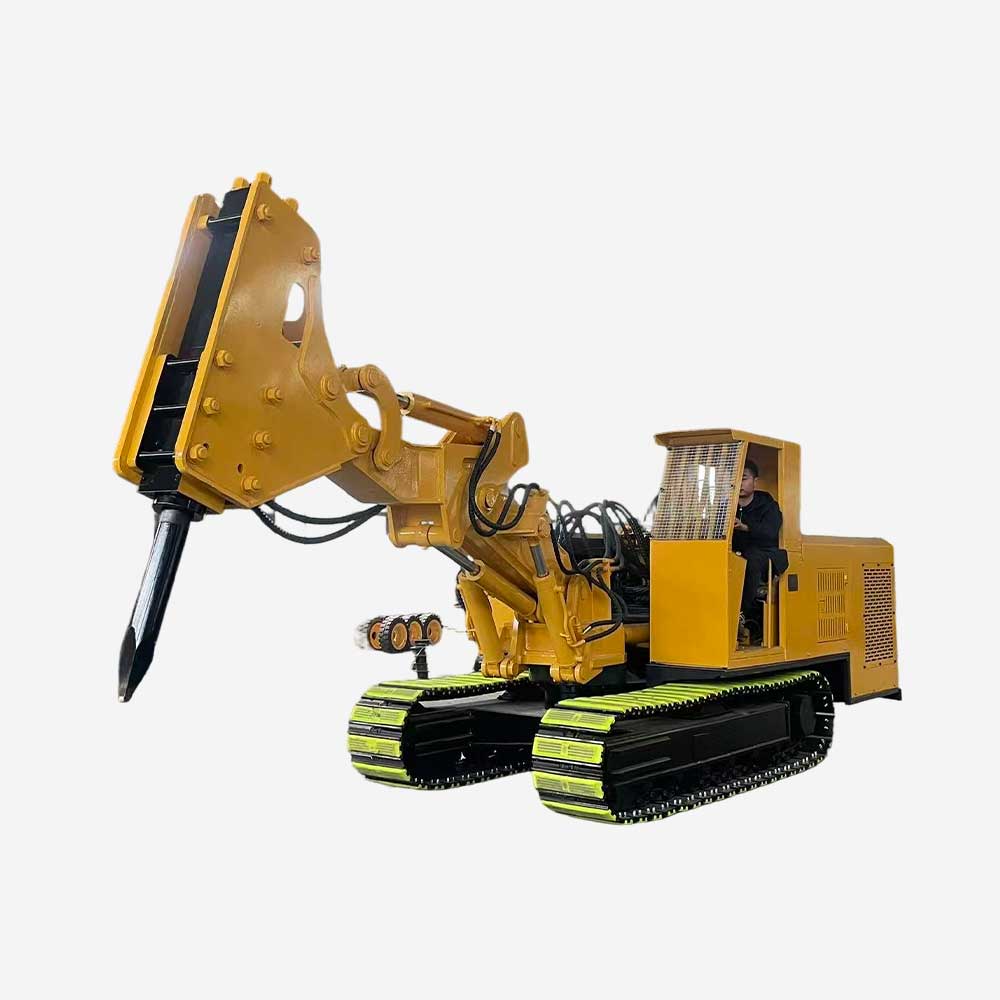
Drilling is one of the most important processes in underground mining. Specialized drilling equipment is designed to create accurate holes for exploration, blasting, and extraction activities.
Modern drilling systems focus on:
- Higher drilling precision
- Reduced operator exposure
- Improved rock penetration efficiency
- Automated control functions
Advanced drilling machines can collect operational data and adjust performance based on geological conditions. This helps improve accuracy and reduce unnecessary resource consumption.
Loading and Hauling Equipment
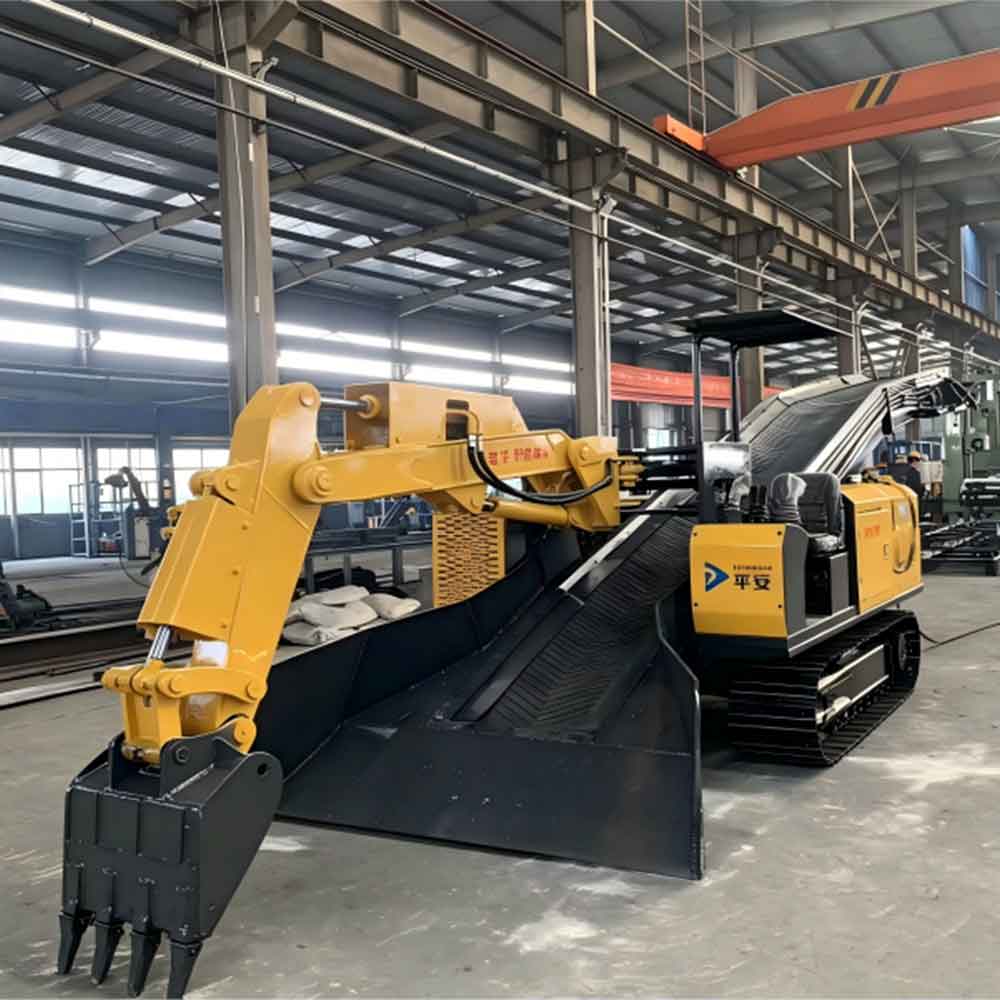
After material extraction, efficient transportation becomes essential. Loading and hauling equipment is responsible for moving mined materials from underground locations to processing areas.
Modern systems focus on:
- Faster material movement
- Better equipment coordination
- Reduced fuel or energy consumption
- Improved operator safety
Efficient underground operations depend on equipment that can maintain stable performance under continuous workloads. Advanced underground mining equipment is designed to improve material handling efficiency, reduce operational interruptions, and support more reliable mining workflows in challenging environments.
Crushing and Processing Equipment
Some underground mining operations require material processing closer to extraction areas. Compact crushing and processing systems help reduce transportation requirements and improve overall workflow efficiency.
These systems are designed to:
- Handle underground space limitations
- Process materials efficiently
- Reduce unnecessary movement
- Support continuous production
The development of smaller but more powerful processing equipment has become an important trend in underground mining technology.
Advanced Technologies Transforming Underground Mining Equipment
Automation and Remote-Control Systems
Automation is one of the most important developments in underground mining. By reducing direct human involvement in hazardous environments, automated systems improve both safety and productivity.
Remote-controlled underground mining equipment allows operators to manage machinery from safer locations while maintaining operational efficiency.
Automation technologies include:
- Remote equipment operation
- Automated drilling systems
- Intelligent transportation management
- Machine positioning systems
These technologies help reduce risks associated with underground environments while improving consistency and accuracy.
Artificial Intelligence and Data Monitoring
Artificial intelligence is changing how mining equipment is managed. Instead of relying only on manual inspections, modern systems can analyze equipment data continuously.
AI-based monitoring can identify:
- Abnormal machine behavior
- Potential component failures
- Performance changes
- Maintenance requirements
Predictive maintenance is especially valuable because it allows operators to address issues before unexpected failures occur.
Digital monitoring systems integrated into advanced underground mining equipment can significantly improve equipment availability and operational planning.
How Underground Mining Equipment Improves Safety
Intelligent Safety Monitoring Systems
Safety remains one of the most important considerations in underground mining. Modern equipment increasingly includes intelligent monitoring systems that help detect risks before they become serious problems.
Examples include:
- Real-time equipment condition monitoring
- Automated warning systems
- Environmental sensors
- Operator assistance technologies
These systems provide valuable information that helps teams make safer operational decisions.
The relationship between mining safety and technology continues to grow as equipment manufacturers develop smarter solutions for challenging underground environments.
Reducing Human Exposure to Dangerous Conditions
One major advantage of modern equipment technology is reducing the amount of time workers spend in high-risk areas.
Remote operation and automation allow machines to perform tasks that previously required operators to work directly near potential hazards.
This approach improves safety by:
- Minimizing exposure to unstable areas
- Reducing operational mistakes
- Improving emergency response capability
- Creating more controlled workflows
The relationship between mining safety and technology continues to grow as equipment manufacturers develop smarter solutions for challenging underground environments. Modern mining operations involve extracting valuable geological materials through different methods and processes, while continuous advances in engineering and technology are improving how resources are accessed and managed.
Improving Productivity Through Modern Underground Mining Equipment
Reducing Downtime Through Better Equipment Management
Equipment downtime can significantly affect mining productivity. Modern maintenance strategies focus on preventing problems rather than reacting after failures occur.
Important methods include:
- Condition monitoring
- Scheduled maintenance planning
- Component performance analysis
- Digital maintenance records
By understanding equipment conditions in real time, operators can improve reliability and maintain smoother production processes.
Professional underground mining machinery manufacturers focus on engineering equipment that supports long-term performance, durability, and operational stability.
Optimizing Mining Workflow Efficiency
Productivity is not only determined by individual machines but also by how effectively different systems work together.
Modern underground mining operations improve efficiency through:
- Better communication between machines
- Automated workflow management
- Optimized transportation routes
- Improved resource planning
When equipment systems are properly integrated, mining operations can achieve higher output with better control over operational resources.
Sustainable Development Trends in Underground Mining Equipment
Energy-Efficient and Electric Equipment
Sustainability has become an important direction in mining equipment development. Manufacturers are exploring technologies that reduce energy consumption while maintaining strong performance.
Energy-efficient underground mining equipment can provide benefits such as:
- Reduced energy usage
- Improved underground working conditions
- Lower operational impact
- Better resource efficiency
Electric and hybrid technologies are becoming increasingly relevant as industries focus on cleaner and more efficient equipment solutions.
Longer Equipment Lifespan Through Smart Maintenance
Sustainable equipment development is not only about energy use. Extending machine lifespan is also important for reducing resource waste.
Smart maintenance helps achieve this through:
- Early problem detection
- Better component management
- Optimized repair schedules
- Improved equipment utilization
A well-maintained machine can provide more consistent performance and reduce unnecessary replacement requirements.
Important Factors When Selecting Underground Mining Equipment
Equipment Performance and Durability
Choosing suitable equipment requires careful consideration of operational conditions.
Important factors include:
- Machine reliability
- Working environment requirements
- Maintenance accessibility
- Equipment compatibility
High-quality underground mining equipment should deliver stable performance even under demanding conditions.
Manufacturing expertise, engineering capabilities, and quality control processes all influence equipment reliability.
Technology Integration Capability
Modern mining operations increasingly depend on connected and intelligent systems. Equipment should support future technology upgrades rather than becoming outdated quickly.
Important technology considerations include:
- Automation compatibility
- Data monitoring capability
- Remote operation support
- Digital system integration
Selecting flexible equipment helps mining operations adapt to future technological changes.
Future Trends Shaping Underground Mining Equipment
Increased Automation and Intelligent Operations
The future of underground mining will continue moving toward higher levels of automation.
Future equipment development is expected to focus on:
- Autonomous operation systems
- AI-assisted decision-making
- Improved machine communication
- Advanced safety controls
These technologies will help create more predictable and efficient mining environments.
Digital Transformation of Underground Mining
Digital transformation will continue influencing how underground mining operations are managed.
Future systems may combine:
- Real-time equipment data
- Artificial intelligence analysis
- Automated workflows
- Connected machinery networks
This evolution will allow mining companies to improve efficiency while maintaining stronger safety standards.
Why Professional Manufacturers Matter for Underground Mining Equipment
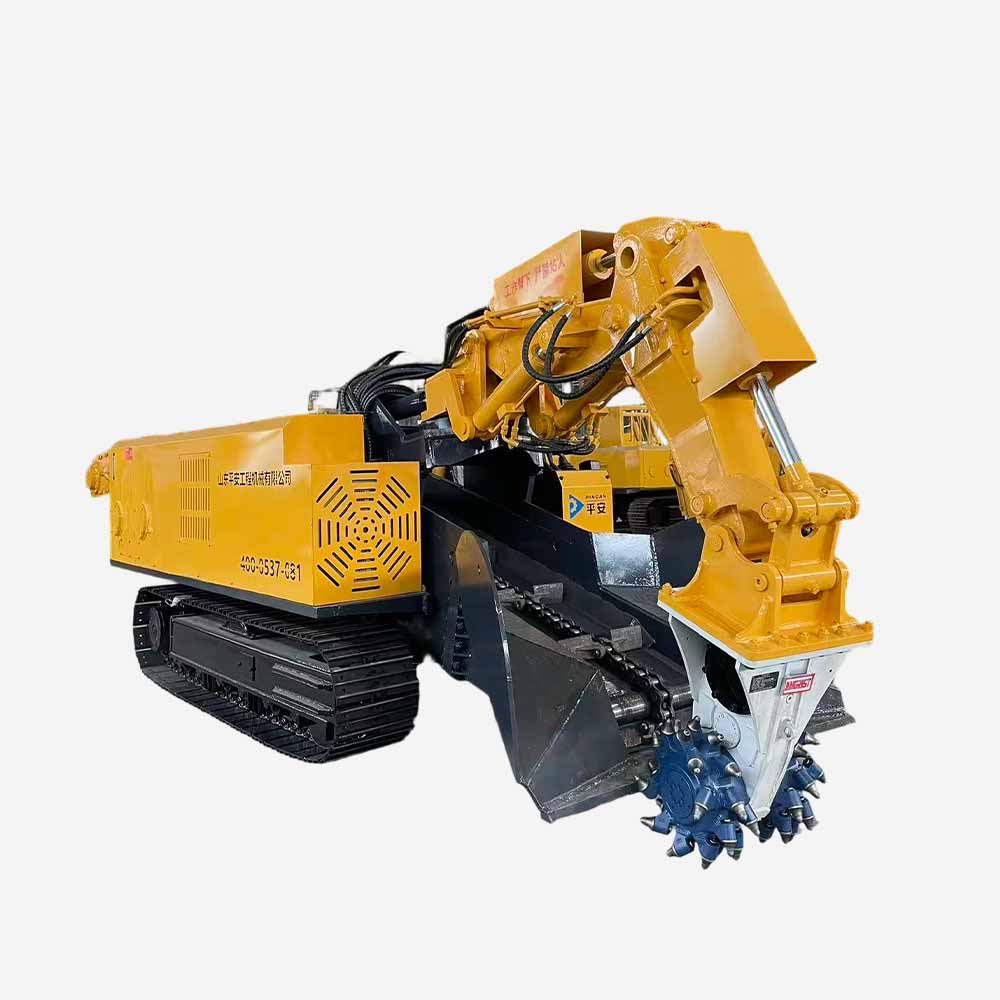
Engineering Expertise and Manufacturing Quality
Reliable equipment requires strong engineering knowledge and strict manufacturing processes.
Professional manufacturers focus on:
- Product development
- Material selection
- Performance testing
- Technical improvement
These factors help ensure that equipment can meet the demanding requirements of underground applications.
Customized Solutions for Different Mining Conditions
Different mining environments require different equipment configurations. Customized solutions allow machinery to better match operational needs.
Customization can include:
- Equipment design adjustments
- Performance optimization
- Application-specific configurations
- Operational support
Experienced suppliers with strong engineering capabilities can provide solutions that improve efficiency and reliability.
Conclusion
Underground mining equipment is becoming increasingly intelligent, automated, and efficient as technology continues to reshape mining operations. From remote-controlled systems and AI monitoring to energy-efficient designs, modern equipment is helping mining companies improve productivity while creating safer working environments.
The future of underground mining will depend on the integration of advanced technology, reliable engineering, and sustainable solutions. Equipment that combines performance, safety, and digital capability will play an essential role in supporting the next generation of mining operations.
Selecting the right underground mining equipment requires careful consideration of operational conditions, technology compatibility, and long-term reliability. As the industry continues to evolve, innovative equipment solutions will remain a key factor in achieving efficient and sustainable mining development.
FAQ
What is underground mining equipment?
Underground mining equipment refers to specialized machinery designed for extracting, transporting, and processing materials below the surface. It includes drilling machines, loaders, hauling systems, and processing equipment developed for underground operating conditions.
What equipment is commonly used in underground mining?
Common underground mining equipment includes drilling machines, loaders, haulage vehicles, crushing systems, and support equipment. Each type performs specific tasks to improve extraction efficiency, material handling, and operational safety.
How does technology improve underground mining equipment?
Modern technologies such as automation, artificial intelligence, remote control, and digital monitoring improve underground mining equipment by increasing accuracy, reducing downtime, enhancing safety, and supporting better operational decisions.
Why is equipment maintenance important in underground mining?
Maintenance helps prevent unexpected failures, extends equipment lifespan, and improves production reliability. Advanced monitoring systems allow operators to identify potential problems early and schedule maintenance more effectively.
What is the future trend of underground mining equipment?
Future underground mining equipment will focus on automation, intelligent systems, energy efficiency, and digital connectivity. These technologies will help create safer, more productive, and more sustainable mining operations.