
Table of Contents
Introduction
Underground construction has become increasingly dependent on advanced equipment that can improve excavation efficiency, enhance safety, and handle complex working conditions. Among these solutions, tunneling machines play an important role in modern mining, infrastructure development, and underground engineering projects.
Unlike traditional excavation methods that require extensive manual operations, tunneling machines combine cutting, loading, conveying, and control technologies into a more systematic excavation process. These machines help create tunnels in challenging environments where precision, stability, and continuous operation are essential.
According to industry practices in underground engineering, selecting suitable excavation equipment depends on factors such as geological conditions, tunnel dimensions, material hardness, and project requirements. Modern tunneling solutions are designed to provide better adaptability and productivity in various underground applications.
Understanding What Tunneling Machines Are
Tunneling machines are specialized pieces of underground construction equipment designed to excavate soil, rock, and other materials during tunnel development. They use mechanical cutting systems, hydraulic power, and advanced control technologies to remove material while maintaining stable excavation progress.
The term tunneling machines covers a wide range of equipment, from large-scale tunnel boring machines to compact underground excavation machines used in narrow working areas. Each type has different capabilities depending on the excavation environment and operational requirements.
A modern tunneling system is not only focused on digging. It also considers material removal, operator safety, equipment mobility, and integration with other underground machinery. For example, compact underground machines are often preferred in areas where working space is limited and maneuverability is critical.
How Do Tunneling Machines Work?
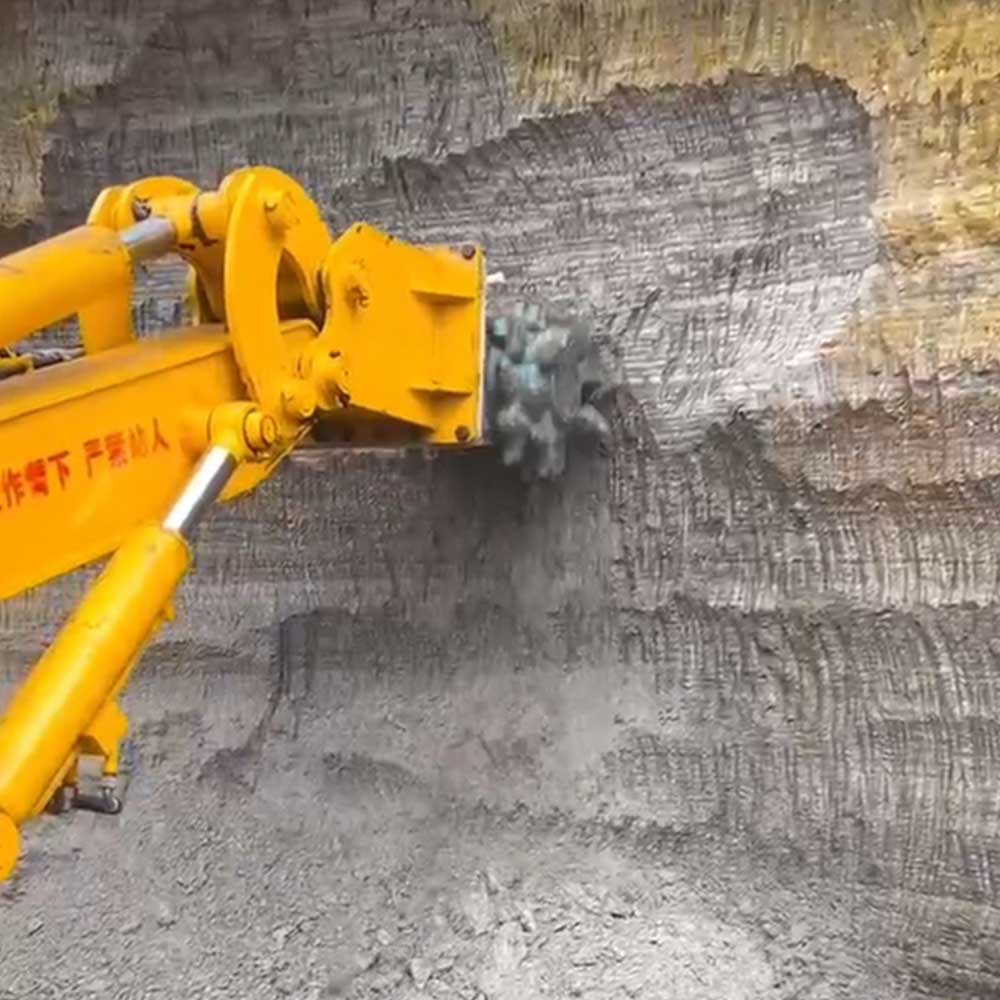
The working process of tunneling machines involves several coordinated stages. First, the cutting system contacts the rock or soil surface and breaks the material into manageable pieces. Depending on the machine design, excavation can be performed through rotating cutters, milling heads, or hydraulic tools.
After excavation, the removed material must be transported away from the working face. Some machines use conveyor systems, while others work together with loading and transportation equipment to maintain a continuous workflow.
Hydraulic systems are another important part of many tunneling machines. They provide the power needed for cutting, movement, lifting, and material handling. Advanced control systems allow operators to monitor equipment performance and adjust operation parameters according to underground conditions.
Modern underground equipment increasingly integrates intelligent monitoring technology. Real-time equipment information helps operators identify potential issues earlier and maintain more stable operation.
Main Types of Tunneling Machines Used in Underground Construction
Different tunneling projects require different machine designs. The selection of equipment depends largely on tunnel size, rock conditions, and construction goals.
| Equipment Type | Main Function | Suitable Applications |
|---|---|---|
| Tunnel Boring Machine | Continuous cutting and tunnel excavation | Large-scale tunnel construction |
| Roadheader | Cutting rock surfaces with a rotating head | Mining and underground excavation |
| Mucking Loader | Collecting and transferring excavated materials | Narrow tunnels and underground mining |
| Hydraulic Excavation Equipment | Breaking and removing hard materials | Complex underground environments |
Tunnel boring machines are commonly associated with large tunnel projects because they can perform continuous excavation with high precision. However, many underground mining and narrow-space projects require more compact solutions.
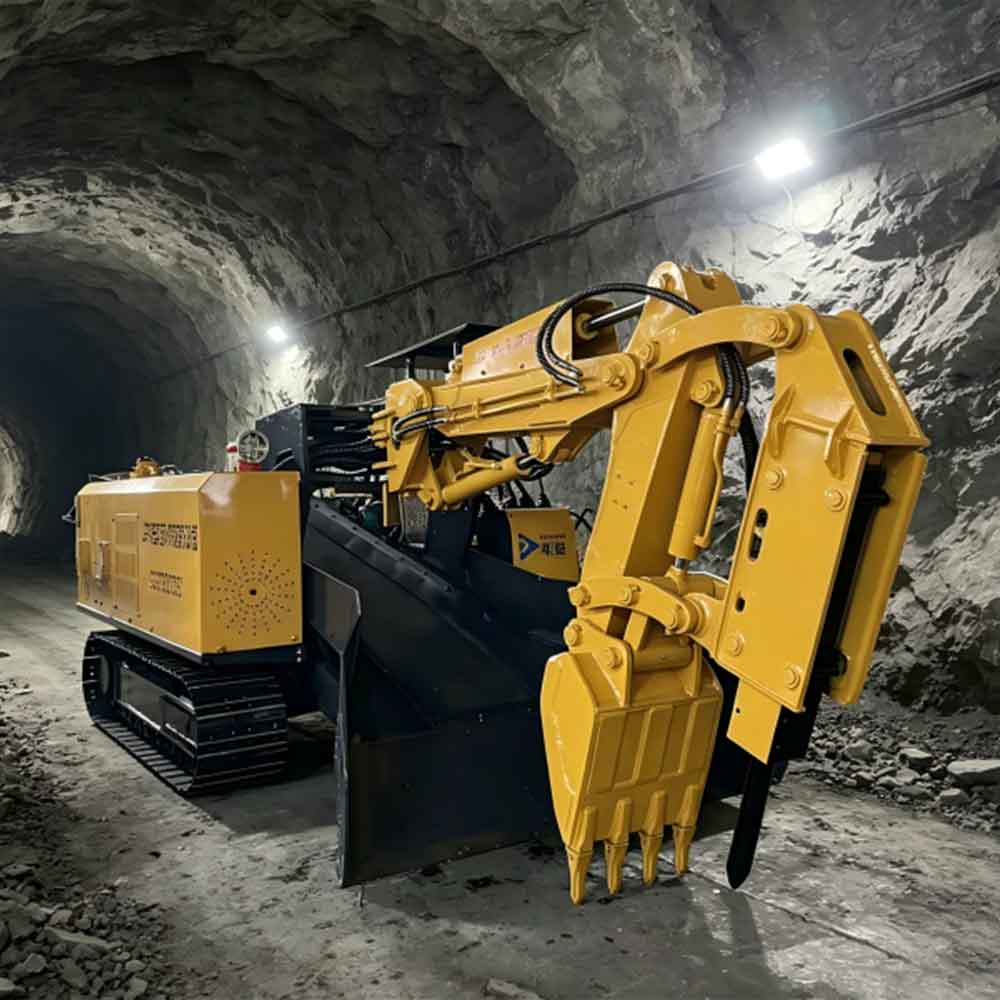
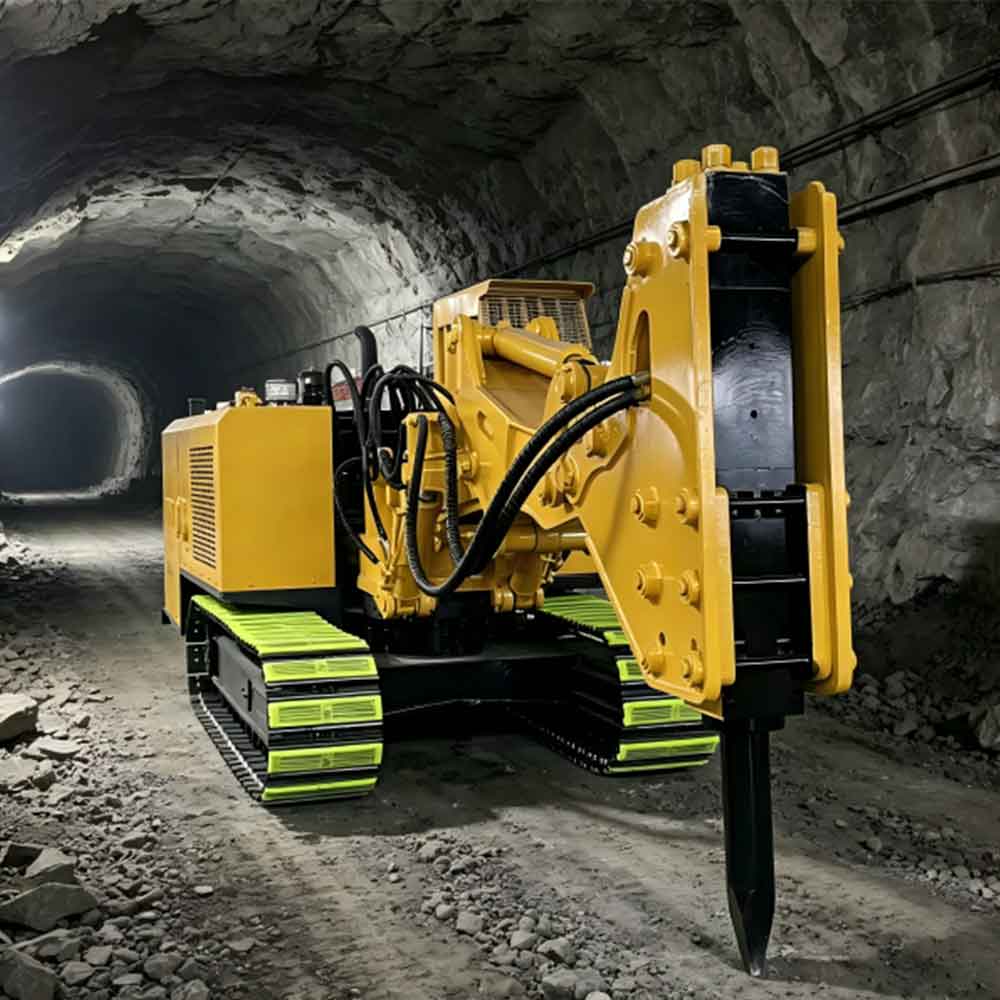
For confined underground environments, equipment such as underground loaders and crawler-based excavation machines can provide better flexibility. PingAn Machinery provides specialized underground equipment solutions including the mucking loader solutions designed for efficient material handling in challenging underground conditions.
Key Applications of Tunneling Machines
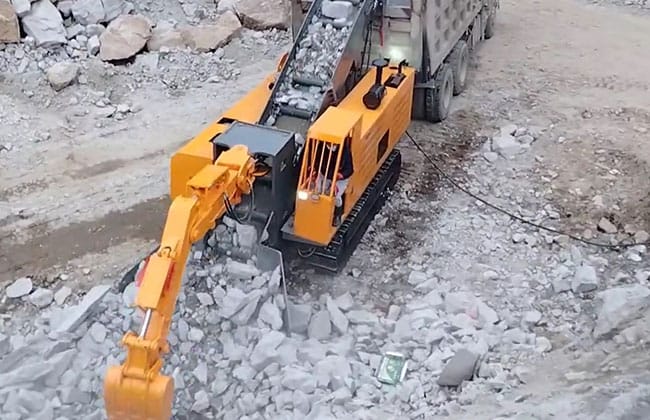
Tunneling machines are widely used in different underground industries because they improve excavation consistency and reduce dependence on manual processes.
In underground mining, these machines help create access tunnels, remove excavated materials, and support continuous production workflows. Narrow tunnels often require compact equipment that can operate effectively in restricted spaces.
In infrastructure projects, tunneling machines support the construction of underground passages, transportation tunnels, and other underground structures. Their ability to work in controlled excavation environments makes them valuable for projects where surface disruption needs to be minimized.
The basic principles of tunnel excavation are closely connected with geological engineering concepts. The Tunnel boring machine information on Wikipedia provides an overview of how mechanical excavation technologies have developed for underground construction.
Important Factors When Selecting Tunneling Machines
Choosing the right tunneling machines requires careful evaluation of several technical factors.
Geological conditions are one of the most important considerations. Different rock strengths and underground environments require different cutting methods and machine configurations.
Tunnel size also affects equipment selection. Large tunnel projects may require specialized continuous excavation systems, while narrow underground passages often benefit from compact and highly maneuverable equipment.
Equipment reliability is another essential factor. Machines operating underground must withstand demanding conditions, including dust, vibration, uneven surfaces, and extended working periods.
A suitable tunneling solution should balance excavation capability, operational flexibility, maintenance requirements, and long-term performance.
How Tunneling Machines Improve Underground Construction Efficiency
The biggest advantage of tunneling machines is their ability to create a more continuous and controlled excavation process.
Compared with manual excavation methods, mechanized equipment can improve workflow consistency by combining multiple operations into one system. Excavation, loading, and material removal can be coordinated more effectively.
Safety is another major benefit. Underground environments often involve complex conditions, and reducing unnecessary manual exposure near excavation areas can improve operational safety.
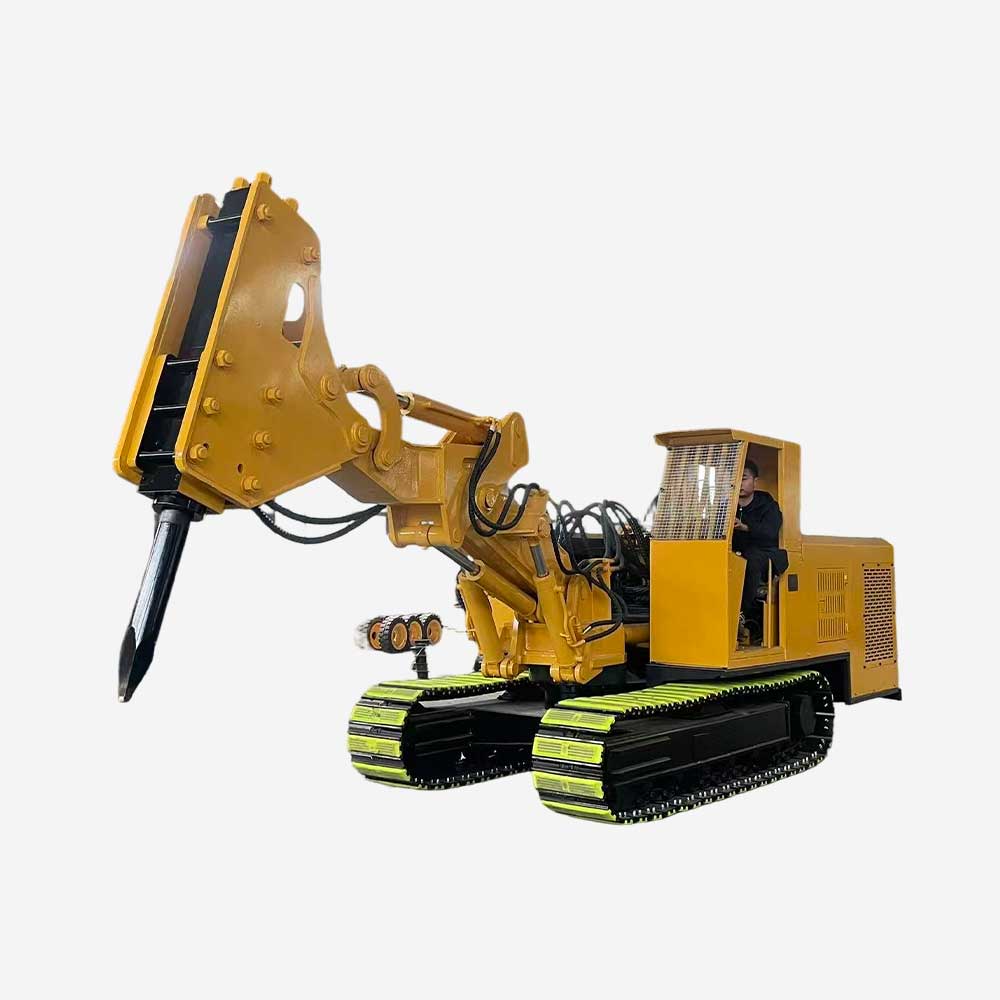
For narrow underground projects, specialized equipment can improve space utilization and operational flexibility. Solutions such as crawler tunnel excavation equipment are designed to support demanding mining and tunneling applications where compact structure, stable operation, and reliable excavation performance are essential.
Technology Trends Shaping Modern Tunneling Machines
The future development of tunneling machines is closely connected with automation, intelligent monitoring, and improved energy efficiency.
Smart monitoring systems allow operators to collect equipment data during operation. This information can support preventive maintenance and improve equipment availability.
Automation technology is also changing underground construction methods. Remote operation, digital monitoring, and intelligent control systems are helping companies improve productivity while creating safer working environments.
Another important trend is equipment optimization. Manufacturers are focusing on improving machine durability, reducing unnecessary downtime, and developing solutions that adapt to more complex underground conditions.
Comparison of Different Tunneling Equipment Solutions
| Equipment Type | Strength | Typical Use |
|---|---|---|
| Tunnel Boring Machine | High excavation continuity | Large underground tunnels |
| Roadheader | Flexible cutting capability | Mining and tunnel excavation |
| Mucking Loader | Efficient material handling | Narrow underground spaces |
| Hydraulic Excavation Equipment | Strong breaking ability | Hard rock and complex conditions |
Understanding these differences helps project teams choose equipment that matches their actual working environment instead of selecting machines only based on general capacity.
How to Maintain Tunneling Machines for Long-Term Performance
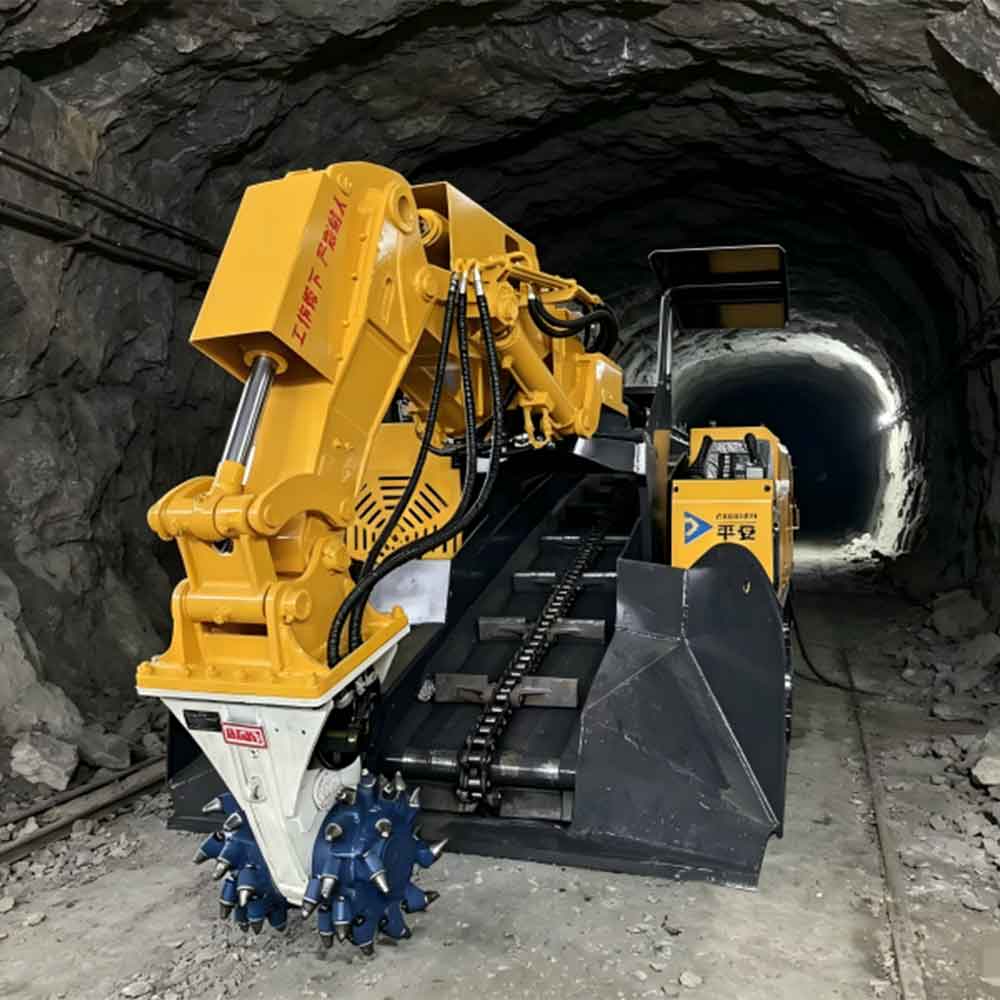
Regular maintenance is essential for reliable underground equipment operation. Operators should inspect key components such as cutting tools, hydraulic systems, conveyors, and electrical systems according to operating conditions.
Wear components require special attention because underground excavation creates continuous mechanical stress. Timely inspection and replacement of critical parts can reduce unexpected downtime.
Proper operator training is also important. Skilled operation helps improve machine efficiency and prevents unnecessary equipment damage.
Conclusion
Tunneling machines have become an essential part of modern underground construction because they provide efficient excavation, improved safety, and better adaptability in challenging environments.
From large tunnel boring systems to compact underground excavation equipment, different machine types serve different project requirements. Understanding how tunneling machines work, where they are used, and how to select the right solution helps companies improve underground construction performance.
As underground engineering continues to develop, intelligent technology and specialized equipment will continue shaping the future of tunneling operations.
FAQ
What are tunneling machines used for?
Tunneling machines are used for underground excavation, mining development, infrastructure tunnels, and other projects requiring controlled material removal. They improve excavation efficiency by combining cutting, loading, and material handling functions.
How do tunneling machines work?
Tunneling machines work by using mechanical cutting systems to break rock or soil, followed by material collection and transportation. Hydraulic and control systems help maintain stable operation during excavation.
What types of tunneling machines are available?
Common types include tunnel boring machines, roadheaders, mucking loaders, and hydraulic excavation equipment. Each type is designed for different underground conditions and project requirements.
Why are tunneling machines important for underground construction?
They improve productivity, reduce manual workload, enhance operational safety, and support continuous excavation processes in environments where traditional methods are less efficient.
How do I choose suitable tunneling machines?
The selection depends on tunnel size, geological conditions, excavation requirements, equipment mobility, and long-term operating reliability.
Need Help Choosing the Right Tunneling Machines?
If you’re unsure which tunneling machines are suitable for your underground construction project, our experienced team is ready to provide professional guidance. Contact us today for a reliable equipment solution designed around your working conditions and operational requirements. Ensure your excavation process is efficient, stable, and prepared for future challenges.