Underground tunneling is one of the most challenging construction operations, requiring highly specialized machinery to handle the confined spaces, high pressures, and variable geological conditions. The tunnel mucking loaders are one of the most essential pieces of equipment in these environments, responsible for efficiently removing excavated material while ensuring operator safety. Understanding the safety features of these loaders is critical for reducing workplace hazards, improving operational efficiency, and complying with industry standards.
This comprehensive guide explores the safety aspects of tunnel mucking loaders, common hazards, ergonomic design, technological innovations, maintenance practices, and operator training. By the end, you will have a clear understanding of how modern tunnel mucking loaders protect operators and maintain productivity in demanding underground conditions.
Table of Contents
Introduction
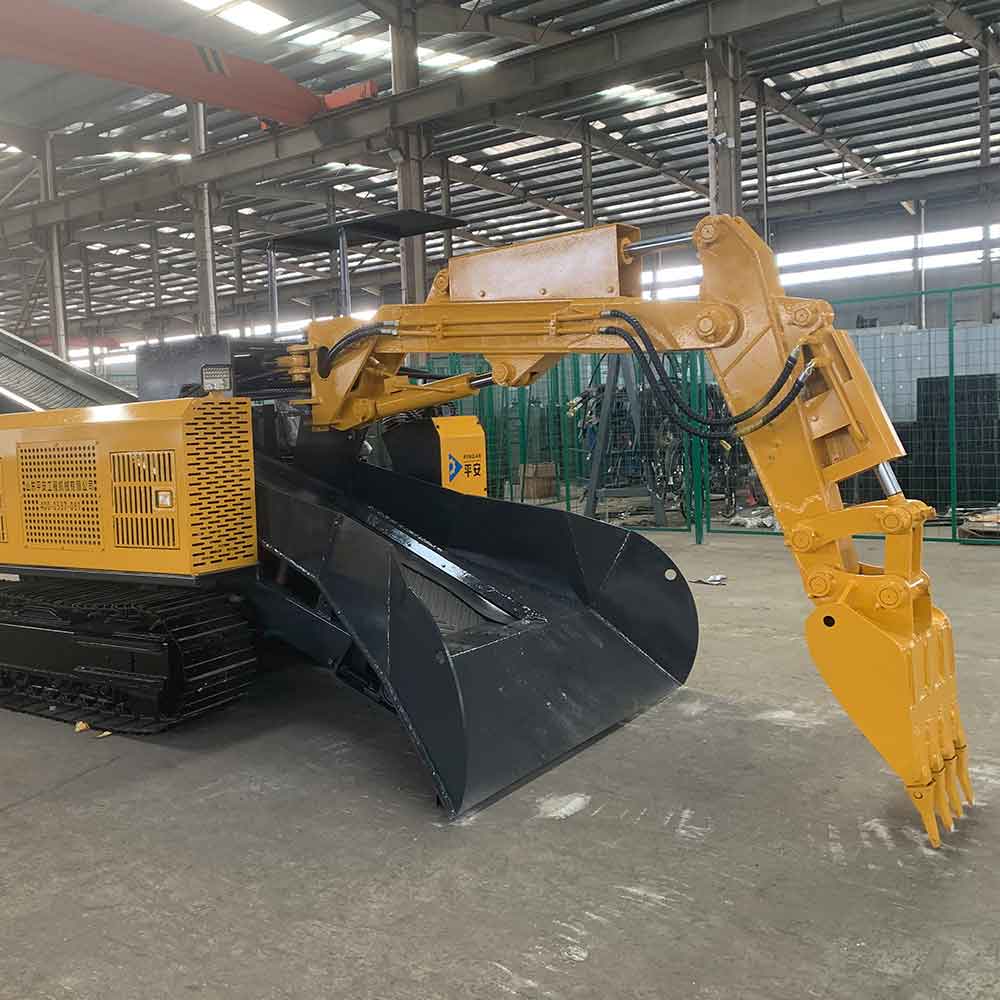
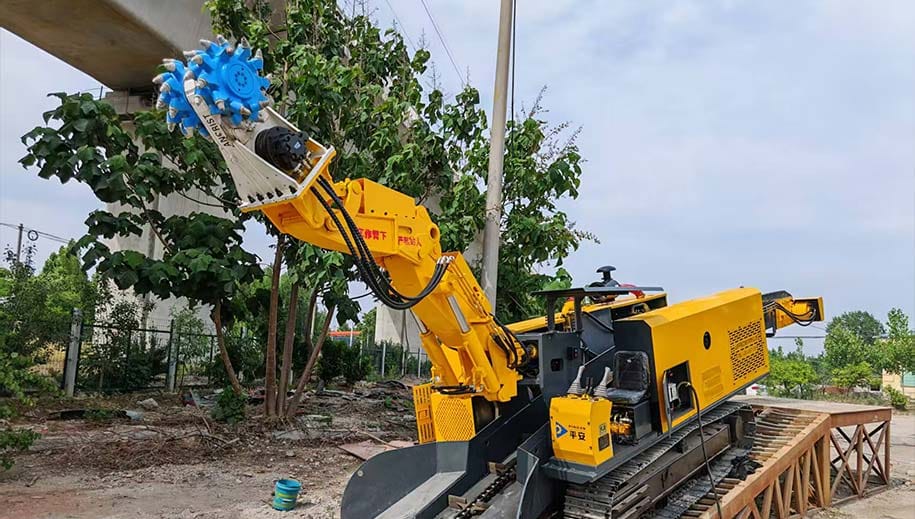
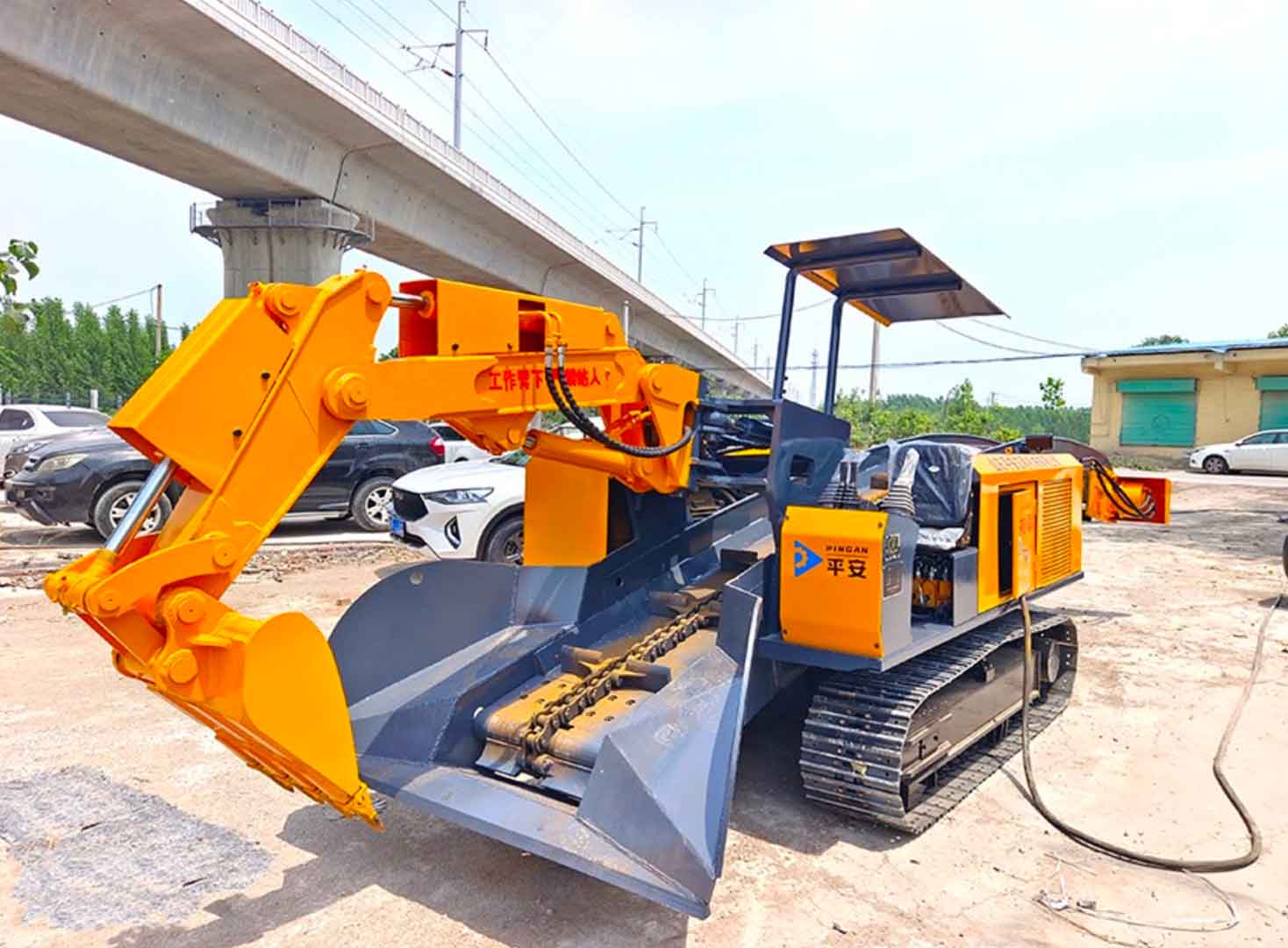
A tunnel mucking loader is a type of heavy machinery designed specifically to transport excavated rock or soil from the face of a tunnel to a transport system. Unlike standard loaders used in surface mining or construction, these machines are compact, highly maneuverable, and equipped with safety systems tailored for underground environments.
Their importance goes beyond efficiency. According to a 2025 industry safety survey conducted by a global mining equipment association, nearly 40% of underground operational incidents involved material handling equipment. This highlights the critical need for loaders designed with operator protection and hazard mitigation in mind.
Key roles of tunnel mucking loaders include:
- Moving broken rock or debris from the excavation site to haulage vehicles or conveyor systems
- Minimizing manual labor in hazardous tunnel conditions
- Integrating safety mechanisms that reduce accident risks
Understanding the machinery is the first step toward safe tunneling operations.
Common Hazards in Tunnel Operations
Operating a tunnel mucking loader involves navigating confined spaces, handling heavy loads, and working in unpredictable geological conditions. The primary hazards include:
Rock Falls and Tunnel Collapses
Even minor shifts in rock strata can cause dangerous conditions. Tunnel mucking loaders are often equipped with reinforced canopies and rollover protection structures (ROPS) to safeguard operators from falling debris. Tunnel support systems, including bolting and shotcrete applications, work alongside the loader to prevent collapses.
Operator Safety Risks
Confined tunnels pose multiple risks, including exposure to dust, harmful gases, and excessive noise. Visibility is limited, increasing the likelihood of collisions. Modern loaders use high-intensity lighting, wide-angle mirrors, and sensor-based collision detection to address these challenges.
Equipment Malfunctions
Hydraulic or electrical failures can lead to sudden halts or uncontrolled movement. Loaders are therefore designed with redundant systems, emergency shutoffs, and real-time monitoring to detect potential malfunctions before they escalate into accidents.
Safety Features of Tunnel Mucking Loaders
Emergency Stop and Automatic Shutoff Systems
Emergency stop buttons are strategically placed to allow operators or nearby personnel to halt operations instantly. Automatic shutdown features can detect anomalies in pressure, temperature, or hydraulics and stop the machine before failure occurs.
Rollover Protection Structures (ROPS)
ROPS are reinforced cabins or frames designed to protect operators in case the loader tips over or encounters unstable terrain. They are standard in modern loaders and are critical for tunnel applications where space is tight.
Fire Suppression Systems
Tunnels can accumulate heat and dust, increasing the risk of fire. Loaders are equipped with onboard fire suppression systems, including automatic extinguishers and strategically placed manual systems, ensuring quick response in emergencies.
Operator Visibility and Camera Systems
Limited visibility in tunnels is a major risk factor. Tunnel mucking loaders often include high-intensity LED lights, rearview and side cameras, and proximity sensors. These features reduce blind spots and help operators navigate safely.
Ergonomics and Operator Comfort
Operator fatigue is a significant contributor to workplace accidents. Modern tunnel mucking loaders incorporate ergonomic design principles:
- Adjustable seats and steering controls
- Improved cabin ventilation and noise reduction
- Easy-to-reach control panels and displays
These features help maintain operator alertness during long shifts, directly improving safety and productivity.
Monitoring and Telemetry Systems
Advanced loaders are increasingly equipped with monitoring and telemetry systems, providing real-time data on:
- Hydraulic pressure and temperature
- Engine performance and load stress
- Tunnel air quality and gas levels
Predictive maintenance powered by these systems can identify potential mechanical issues before they result in failure, significantly reducing accident risks. According to a 2024 study by an underground construction association, predictive monitoring reduced loader-related incidents by 28% across surveyed operations.
Training and Certification Requirements

Even the most advanced equipment cannot replace proper operator training. Recommended practices include:
- Completion of specialized training programs for tunnel mucking loaders
- Familiarity with emergency protocols and fire suppression systems
- Simulation-based exercises for navigating confined tunnels
- Certification to validate competence and compliance with safety standards
Regular refresher courses ensure operators stay updated on new safety features and operational techniques.
Maintenance Practices for Safety
Routine maintenance is essential to ensure all safety systems function properly. Recommended practices include:
- Daily visual inspections of hydraulic lines, tires, and control systems
- Scheduled lubrication and part replacement
- Testing of emergency shutoffs and fire suppression systems
- Keeping detailed maintenance logs for accountability and audits
Proper maintenance not only extends the equipment’s lifespan but also prevents malfunctions that could endanger operators.
Innovations Enhancing Safety in Tunnel Mucking Loaders
Technological advances have transformed tunnel mucking loaders:
- Automation allows remote operation, reducing human exposure to hazardous zones
- Anti-collision sensors and obstacle detection improve navigation in tight tunnels
- Energy-efficient engines reduce heat and emissions, improving tunnel air quality
- Modular designs simplify repairs, ensuring safety systems are always functional
These innovations enhance both operator protection and operational efficiency.
Safety Features Comparison Table
| Safety Feature | Purpose/Benefit | Typical Standard in Modern Loaders |
|---|---|---|
| Emergency Stop / Automatic Shutoff | Immediate machine shutdown to prevent accidents | Standard |
| Rollover Protection Structure (ROPS) | Protect operator in case of tipping or collapse | Standard |
| Fire Suppression Systems | Extinguish fires quickly in tunnel environments | Standard with periodic testing |
| Visibility & Camera Systems | Reduce blind spots and collision risk | Standard, enhanced with sensors |
| Ergonomic Cab Design | Reduce fatigue and maintain operator focus | Standard in most new models |
| Telemetry & Monitoring Systems | Predictive maintenance and hazard detection | Increasingly common |
| Automated/Remote Operation | Reduce human exposure in high-risk zones | Optional in advanced models |
Conclusion
Safety in tunneling operations starts with the right equipment and the right practices. Modern tunnel mucking loaders are designed with comprehensive safety systems that protect operators from hazards while maintaining productivity. Combining ergonomic designs, advanced monitoring systems, fire suppression, and tele-remote technology ensures safer underground operations.
Understanding these safety features and integrating proper training, maintenance, and monitoring practices will help you operate more efficiently and confidently. Whether you manage a large tunnel project or are responsible for worker safety, knowledge of tunnel mucking loader features is essential for reducing risk, improving performance, and achieving operational success.
This guide draws on industry research, technical manuals, and safety reports, providing actionable insights to improve tunnel operations worldwide.
FAQ
What is the best tunnel mucking loaders for hard rock tunneling?
Machines with reinforced cabins, high torque, and tele-remote capabilities are ideal for hard rock applications.
How much does a tunnel mucking loader cost?
Prices vary widely depending on size, features, and automation. A typical range is from hundreds of thousands to over a million USD per unit.
How do you maintain a tunnel mucking loader efficiently?
Regular inspections, predictive monitoring, proper lubrication, and prompt replacement of worn parts are key.
Can automation reduce safety risks?
Yes, tele-remote and automated loaders reduce operator exposure to hazardous zones and minimize human error.
How often should safety systems be tested?
Emergency stops, fire suppression, and telemetry systems should be tested regularly according to manufacturer guidelines and safety protocols.
Need Help Choosing the Right Tunnel Mucking Loader?
If you’re unsure about which tunnel mucking loader is best for your project or underground operation, our experts are here to guide you. Contact us today for a personalized consultation, and ensure your tunneling operations are safe, efficient, and fully optimized. Don’t wait until delays or safety risks occur—get in touch now to enhance your productivity and protect your team!