Оглавление
В современных горных операциях эффективность и безопасность являются главными приоритетами, Одним из ключевых активов, которые помогают достичь этих целей является загрузчик для горных работ, Как операционный менеджер, инженер на месте или специалист по закупкам, вы, вероятно, сталкиваетесь с такими проблемами, как ограниченное пространство туннеля, изменяющаяся твердость материала, и необходимость увеличения пропускной способности без ущерба для безопасности. выбор правильного загрузчика для горных работ и его эффективная интеграция в рабочий процесс может изменить вашу работу.
В этом руководстве исследуется все, что вам нужно знать о загрузках майнинга (mining loaders) от типов и приложений до реальных тематических исследований, показателей производительности, стратегий технического обслуживания и интеграции технологий. к концу этой статьи у вас будет практическая информация для повышения производительности, безопасности и экономической эффективности на вашем горнодобывающем объекте.
Понимание роли Горные Погрузчики
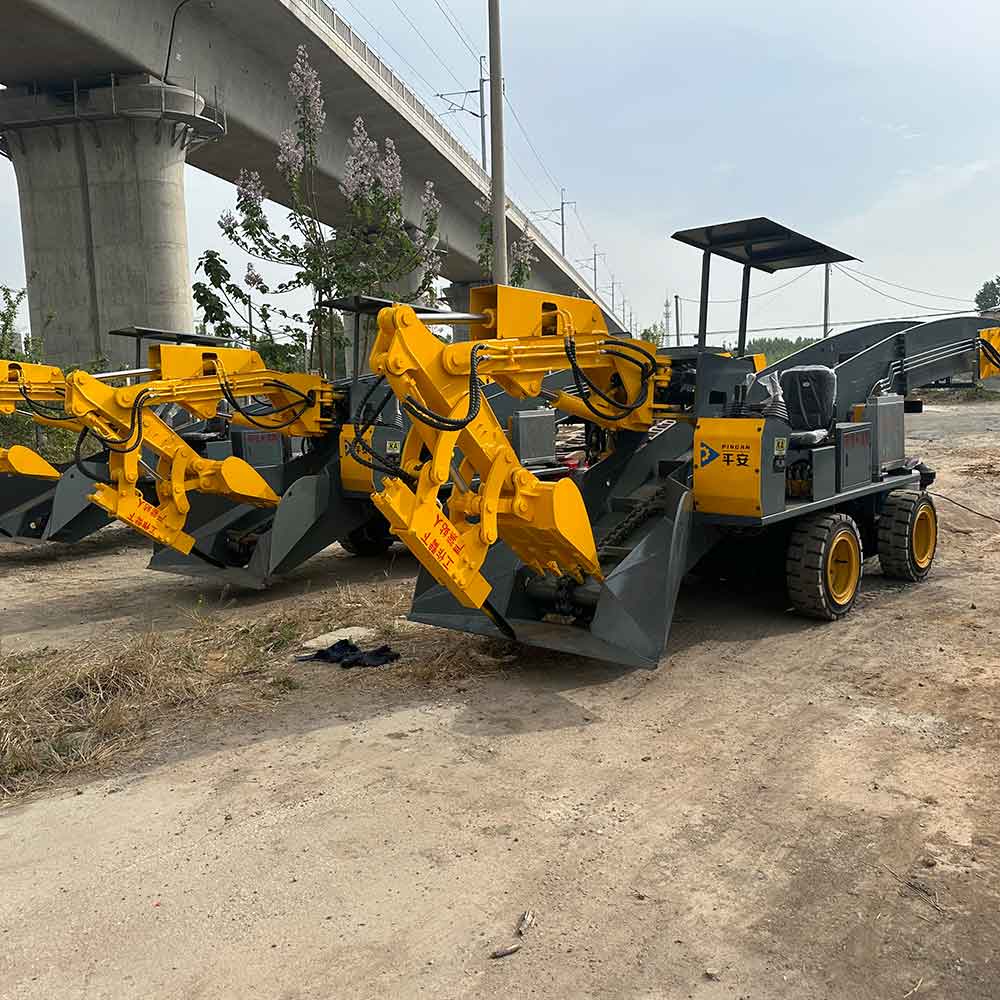
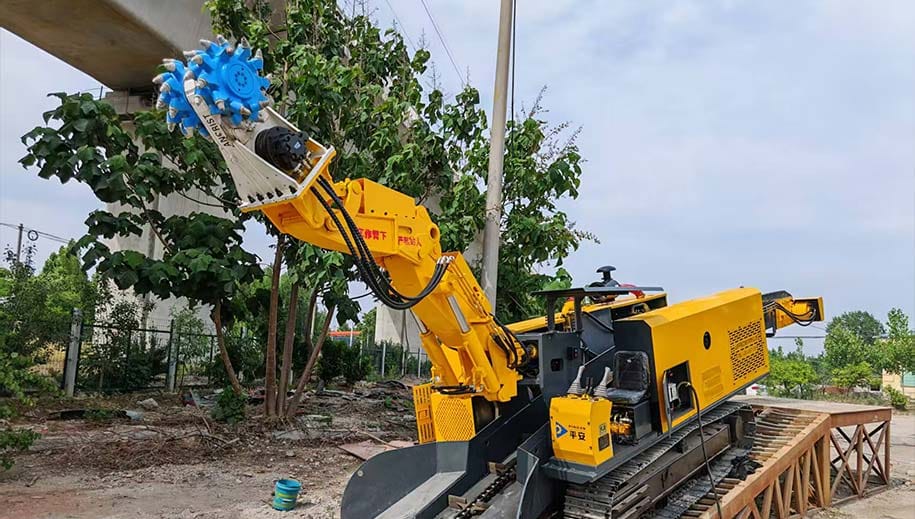
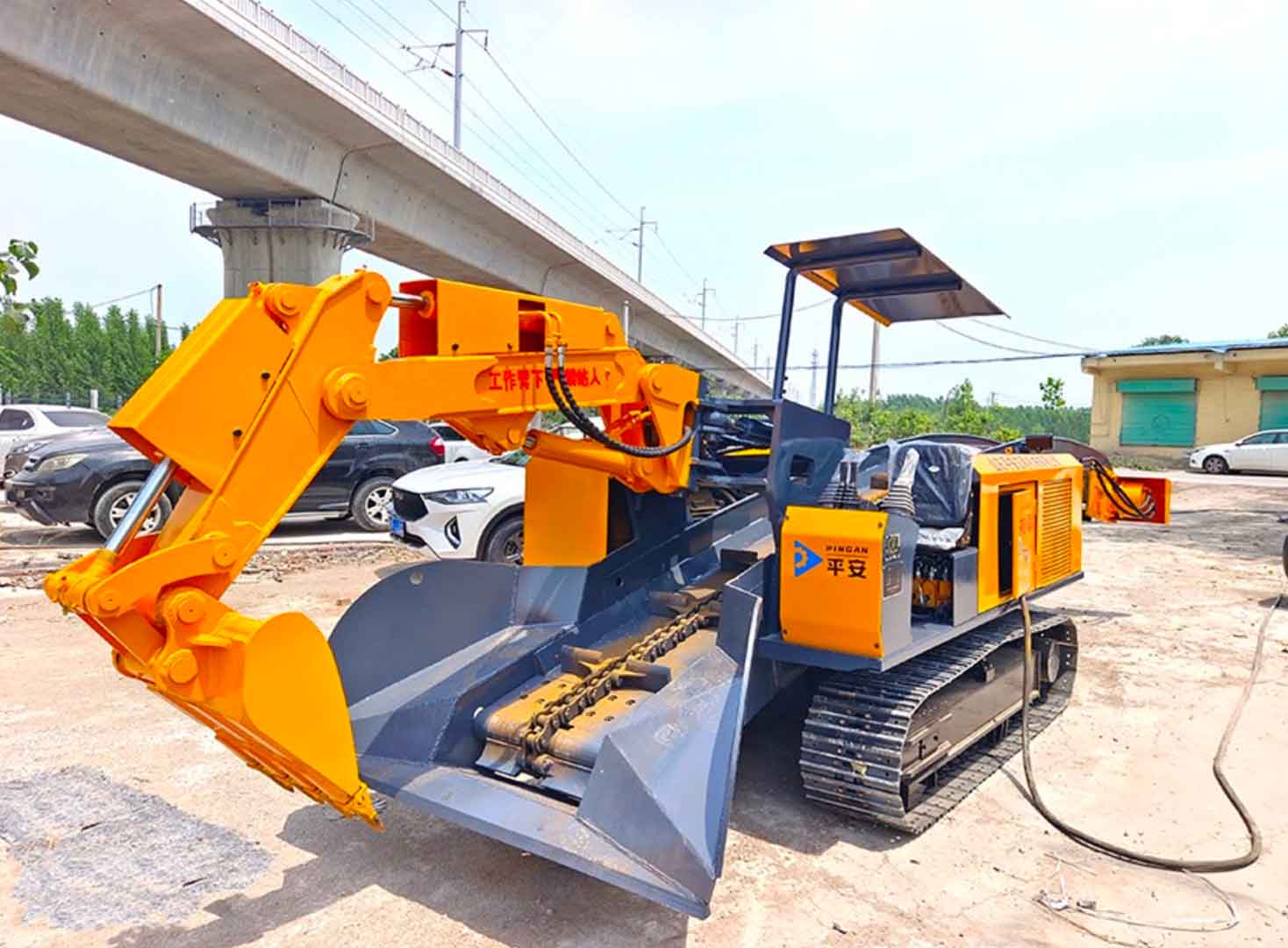
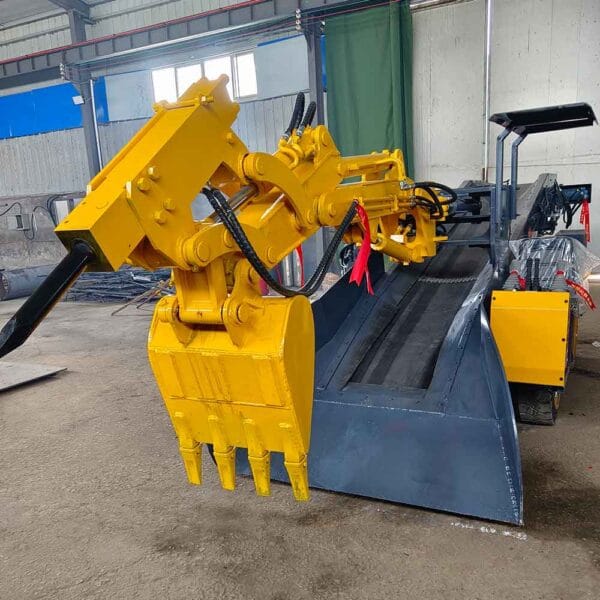
Горные погрузчики, также известные как машины Load-Haul-Dump (LHD), являются универсальными транспортными средствами, предназначенными для подземного транспорта материалов. их основные функции включают в себя
- Сбор руды или угля из забоя или навоза
- Транспортировка материала на конвейеры, дробилки или грузовики
- Эффективная работа в узких туннелях и замкнутых пространствах
Современные выемные машины предлагают высокую маневренность, точное гидравлическое управление, эргономичные кабины оператора, которые снижают усталость при длительных сменах. по Mining Global, интеграция передовых погрузчиков в подземных шахтах может улучшить время цикла до 30%, напрямую влияя на эффективность производства.
Виды Горных Погрузчиков
1. Стандартные погрузчики
- Предназначен для средних и больших туннелей
- Подходит для обработки сыпучих материалов
- Высокая грузоподъемность и долговечные компоненты
2. Компактные или низкопрофильные погрузчики
- Оптимизирован для узких или маловысотных туннелей
- Предложите отличную маневренность
- Поддерживайте высокие характеристики подъема и сброса
3. Электрические и дизельные погрузчики
В то время как погрузчики с дизельным двигателем остаются наиболее распространенными из-за высокой мощности и запаса хода, электрические погрузчики все чаще применяются в шахтах, уделяя приоритетное внимание вентиляции и контролю выбросов. подробнее об электрификации горнодобывающего оборудования см Горнодобывающие технологии.
Ключевые особенности, которые следует учитывать в горнодобывающем погрузчике
- Грузоподъемность: Выберите погрузчик, который соответствует ожидаемой пропускной способности, не перегружая автомобиль.
- Маневренность: Размеры туннеля определяют размер погрузчика и требования к радиусу поворота.
- Безопасность оператора: Эргономичные кабины, обзор и защитные системы имеют решающее значение.
- Долговечность и обслуживание: Прочные гидравлические системы и простые в обслуживании компоненты сокращают время простоя.
- Технологическая интеграция: Мониторинг в реальном времени, автоматизация и удаленная работа повышают безопасность и производительность.
Практический пример в реальном мире: повышение производительности подземных угольных шахт
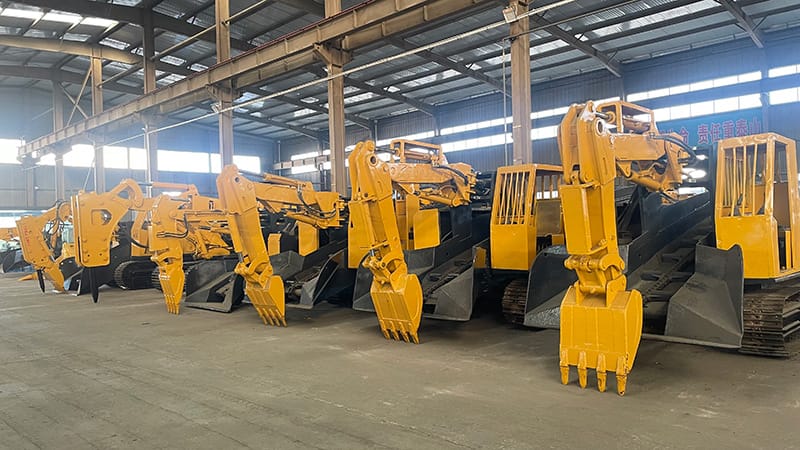
Фон
На подземной угольной шахте, добывающей 2000 тонн/день, часто возникали узкие места в транспортировке материалов. Погрузчики устарели, что привело к замедлению времени цикла, высокой усталости оператора и увеличению времени простоя.
Решение
Шахта реализовала:
- Машины низкопрофильные скребковые с повышенной полезной нагрузкой
- Интеграция с конвейерными системами для прямой передачи материалов
- Обучение операторов передовому гидравлическому управлению и оптимизации нагрузки
Результаты за 6 месяцев
| Метрика | Перед обновлением | После обновления | Улучшение |
|---|---|---|---|
| Средняя суточная производительность (тонны) | 2,000 | 2,850 | +42% |
| Среднее время цикла погрузчика (минуты) | 30 | 18 | -40% |
| Время простоя технического обслуживания (часы/неделя) | 35 | 12 | -66% |
| Количество инцидентов, связанных с безопасностью, за квартал | 6 | 1 | −83% |
В этом примере показано, как развертывание правильного загрузчика для майнинга и оптимизация рабочего процесса могут значительно повысить производительность и безопасность.
Горный погрузчик по сравнению с другим погрузочно-разгрузо
При сравнении выемных машин с другими вариантами подземной обработки материалов, такими как челночные автомобили или грузовики с конвейерной подачей:
- Погрузчики более гибкие и маневренные в замкнутом пространстве
- Челночные автомобили может обеспечить более высокий объем за цикл, но требует более широких туннелей и менее адаптируется к нерегулярным зонам погрузки
- Конвейеры excel для непрерывного транспорта, но ему не хватает гибкости для динамичных условий добычи полезных ископаемых
Компания World Mining Equipment подчеркивает, что объединение погрузчиков с конвейерами обеспечивает наилучший баланс гибкости и эффективности при подземных горных работах.
Оптимизация работы погрузчика для майнинга
Планирование и рабочий процесс
- Назначьте загрузчиков на определенные участки, чтобы предотвратить перегруженность
- Координируйте работу с конвейерными или транспортными системами для непрерывной работы
- Используйте мониторинг времени цикла для выявления узких мест
Стратегии технического обслуживания
- Ежедневный осмотр гидравлических систем, шин и точек крепления
- Плановое профилактическое обслуживание каждые 500 (1000 рабочих часов) каждые 500 профилактических профилактических работ
- Осуществляйте профилактическое обслуживание с использованием датчиков Интернета вещей для мониторинга вибрации, температуры и гидравлического давления
Повышение безопасности
- Системы аварийной остановки и датчики приближения
- Системы пылеподавления, интегрированные в погрузчики
- Дистанционно-контролируемая работа в зонах повышенного риска
Передовые технологии в майнинговых погрузчиках
- Телематика и интеграция Интернета вещей: Отслеживание машинных данных в режиме реального времени улучшает процесс принятия оперативных решений.
- Автоматизация и полуавтоматизация: Включает повторяющиеся циклы нагрузки без усталости.
- Гидравлические крепления: Специализированные ковши, молотки, вилки для многозадачных операций.
- Системы сокращения выбросов: Современные дизельные двигатели и электрические альтернативы снижают затраты на вентиляцию и воздействие на окружающую среду.
Дополнительную информацию о тенденциях в области технологий погрузчиков для горнодобывающей промышленности см. в Международном обществе горнодобывающего оборудования.
Выбор правильного загрузчика майнинга для вашего сайта
- Оцените размеры туннеля: Низкопрофильные модели для труднодоступных помещений, стандартные погрузчики для средних туннелей.
- Определить тип материала: Более мягкие материалы могут обрабатываться стандартными погрузчиками; для твердых пород могут потребоваться усиленные ковши или встроенные выключатели.
- Требования к производству спичек: Рассчитайте циклы, необходимые в день для достижения пропускной способности.
- Учитывайте безопасность и соответствие требованиям: Защитные каюты, совместимость с вентиляцией и аварийные системы.
- План затрат жизненного цикла: Фактор технического обслуживания, топлива и потенциальных обновлений.
Таблица сравнения: Выбор погрузчика для майнинга
| Особенность | Низкопрофильный загрузчик | Стандартный Погрузчик | Челночный автомобиль |
|---|---|---|---|
| Очистка туннеля | 1.8 (D) 2.2 м 1.8 2.2 м | 2.5 (диск) 3.0 м. | 2.0 (2.0) 2,5 м. |
| Грузоподъемность | 3 ƒ6 тонн | 6 ƒ2 тонны | 3 ƒетонны |
| Маневренность | Отличный | Умеренный | Хороший |
| Скорость цикла | Быстрый | Умеренный | Быстрый |
| Навыки оператора | Умеренный | Умеренный | Низкий |
| Сложность обслуживания | Середина | Средне-высокий | Низкий |
Пример примера: интеграция погрузчика в твердой угольной шахте
Реализована угольная шахта:
- 5 низкопрофильных погрузчиков для узких тоннелей
- Прямая интеграция с конвейерными лентами для непрерывного потока
- Обучение операторов гидравлической оптимизации
Результат: Суточная выработка увеличилась на 35%, время цикла сократилось на 45%, а инциденты безопасности сократились на 70% за шесть месяцев.
Заключение
Выбор и правильная интеграция погрузчика для добычи полезных ископаемых является критически важным шагом для оптимизации вашей работы в горнодобывающей или карьерной сфере. сопоставляя правильный погрузчик с размерами туннеля, типом материала и целями производства, вы можете добиться измеримого повышения эффективности, безопасности и общей прибыльности.
Если вам нужны экспертные рекомендации по выбору идеального загрузчика для майнинга для вашего сайта, свяжитесь с нашей командой в пинганьмашины сегодня. позвольте нам помочь вам максимизировать операционную эффективность, сократить время простоя и повысить производительность с помощью подходящего оборудования, адаптированного к вашим потребностям.
Часто задаваемые вопросы
Что такое погрузчик майнинга используется для?
Горный погрузчик в основном используется для сбора, транспортировки и загрузки материалов при подземных или наземных горных работах.
Как мне выбирать между различными моделями вытирающих машин?
При выборе правильной модели учитывайте размер туннеля, твердость материала, производственные цели и безопасность оператора.
Могут ли выемки работать в узких туннелях?
Да, низкопрофильные погрузчики специально разработаны для эффективной работы в узких подземных пространствах.
Как часто следует обслуживать выгребающую машину?
Для оптимальной работы рекомендуются ежедневные проверки в сочетании с профилактическим обслуживанием каждые 500 (1000 часов).
Повышают ли гвоздильные машины безопасность?
Да, современные машины для выемки уменьшают ручной труд, минимизируют утечку материала и включают защитные системы для повышения безопасности оператора.
Могут ли мухтовозы интегрироваться с конвейерами или тяговозами?
Абсолютно. Интеграция погрузчиков с конвейерами или грузовиками сокращает циклы обработки, повышает производительность и сокращает время простоя.