Оглавление
В подземной добыче, разработке карьеров и тяжелом строительстве, разрушение твердых пород и бетона эффективно имеет решающее значение для поддержания производительности и безопасности. Если вы управляете шахтой, строительной площадкой или операцией по погрузочно-разгрузочным работам, вы знаете, насколько сложно может быть достичь производственных целей с ограниченным пространством, твердым материалом и плотными графиками. гидравлический молот-прерыватель может быть решением, необходимым для оптимизации операций, одновременно повышая безопасность и точность.
Это руководство предоставит углубленный взгляд на гидравлические молотковые выключатели, их применения, факторы производительности, стратегии технического обслуживания и интеграции технологий. вы также увидите реальные примеры, таблицы сравнения и действенные советы, которые могут помочь вам принимать обоснованные решения о ваших инвестициях в оборудование.
Понимание гидравлических молотковых выключателей
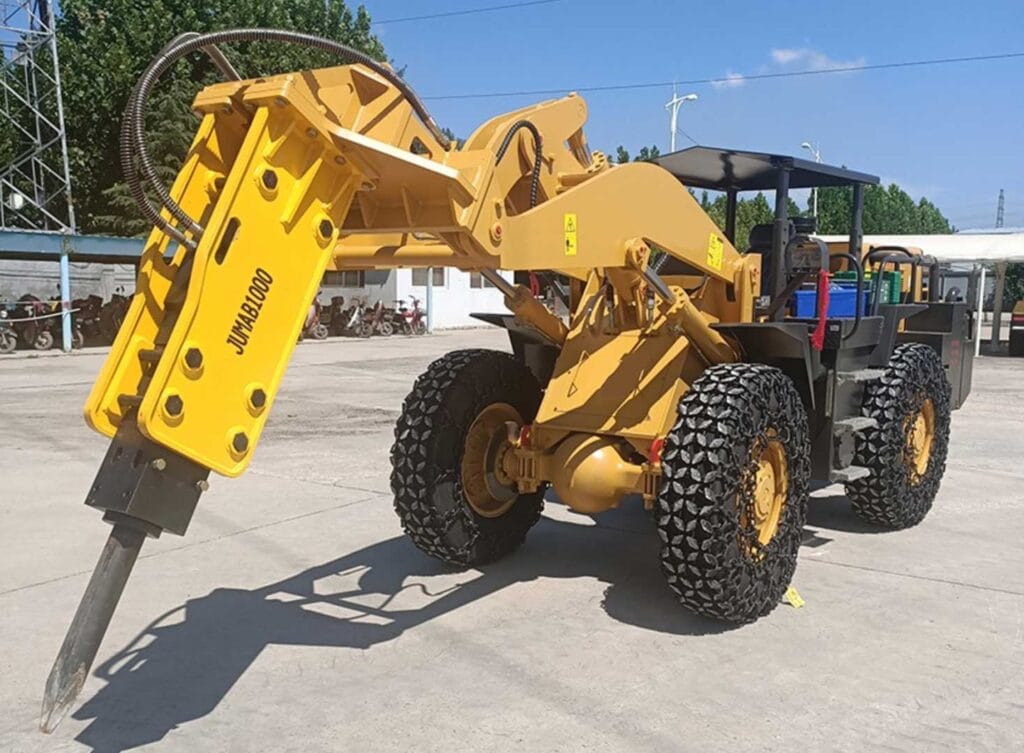
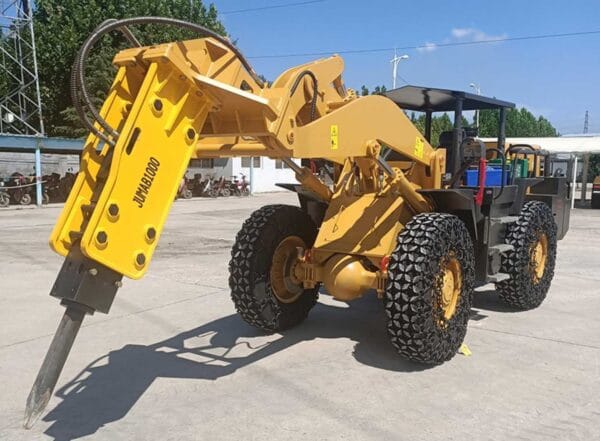
Гидравлические молотковые выключатели - это навесное оборудование, приводимое в действие гидравлическими системами, устанавливаемое на экскаваторы, экскаваторы или другую тяжелую технику Они предназначены для
- Разбивайте камень, бетон и другие твердые материалы
- Сокращение ручного труда и повышение скорости работы
- Эффективно работать в замкнутых пространствах или сложных подземных средах
Эти машины широко используются в горнодобывающей промышленности, туннелировании, сносе и инфраструктурных проектах. Их универсальность обусловлена сочетанием гидравлической энергии, прочных материалов и регулируемых настроек удара.
Mining Global отмечает, что современные гидравлические выключатели могут сократить время цикла разрушения горных пород до 35%, что напрямую влияет на производительность.
Типы гидравлических молотковых выключателей
1. Компактные гидравлические выключатели
- Предназначен для низкопрофильных или замкнутых операций
- Подходит для мелко - и среднемасштабных раскопок
- Легко маневренный в подземных туннелях
2. Гидравлические молотки средней мощности
- Идеально подходит для общего горнодобывающего и строительного применения
- Сбалансирован между мощностью и портативностью
- Может работать на стандартных экскаваторах и экскаваторах
3. Гидравлические молотки большой мощности
- Высокая энергия удара для твердых пород и крупномасштабного сноса
- Требуются более крупные машины-носители
- Высокая долговечность и длительные интервалы обслуживания
Ключевые коэффициенты эффективности
При выборе гидромолотобойного устройства учитывайте эти факторы
- Энергия удара– более высокая энергия позволяет быстрее фрагментировать.
- Совместимость несущей– Гидравлическая мощность вашего экскаватора должна соответствовать требованиям молотка.
- Тип материалаouth влияет на выбор молотка или бетона.
- Скорость циклаindu требуют точного гидравлического потока.
- Оператор Безопасность№ unreduction, гашение вибрации, и защитные кабины имеют решающее значение.
- Потребности в техническом обслуживании — Простые в эксплуатации компоненты и сменные износостойкие детали.
Практический пример в реальном мире: подземная добыча угля
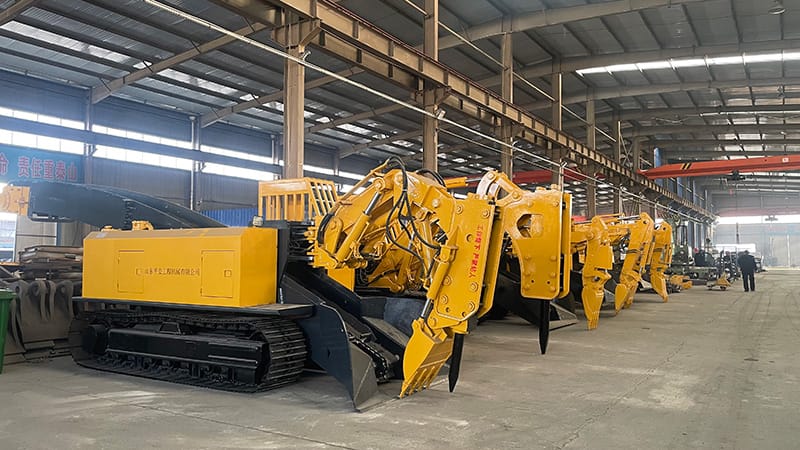
Фон
Подземная угольная шахта среднего размера столкнулась с медленным прогрессом в разрушении вскрышных пород в узких туннелях. Традиционные механические методы были медленными, трудоемкими и увеличивали эксплуатационные расходы.
Решение
- Устанавливал гидромолотобойцы средней мощности на компактные экскаваторы
- Обученные операторы оптимальному управлению гидравлическим потоком
- Скоординированная работа прерывателя с конвейерами для оптимизации удаления материала
Результаты за 6 месяцев
| Метрика | До | После | Улучшение |
|---|---|---|---|
| Ежедневная добыча (тонны) | 1,200 | 1,850 | +54% |
| Среднее время цикла перерыва (минуты) | 25 | 14 | −44% |
| Часы работы для разрушения камней | 80 | 45 | −44% |
| Количество инцидентов, связанных с безопасностью, за квартал | 4 | 0 | -100% |
Этот случай показывает, что инвестиции в правильный гидравлический молотковый выключатель могут значительно повысить как производительность, так и безопасность при ограниченных подземных операциях.
Приложения в разных отраслях
Горные операции
- Разрушать руду или вскрышные породы в подземных и открытых рудниках
- Улучшите циклы загрузки материала и сократите время простоя
Строительство и снос
- Бетонный плитоудаление
- Раскопки фундамента
- Снос дороги или туннеля
Карьерный
- Фрагмент твердой породы для обработки
- Сокращение ручного труда и повышение эксплуатационной производительности
Подробные сведения о передовом опыте см Горнодобывающие технологии.
Техническое обслуживание и управление жизненным циклом
Надлежащее техническое обслуживание обеспечивает более длительный срок службы и стабильную работу:
- Ежедневная проверка ѕовернуть на гидравлические утечки и износ на втулках и долотах.
- Смазка— смазка для всего движущегося.
- Профилактическое обслуживание replace изнашиваемые детали перед отказом, чтобы избежать простоя.
- Гидравлическая система Уход — температура и давление жидкости; регулярно очищайте фильтры.
Прогнозирующее обслуживание с использованием датчиков может предупредить операторов о потенциальных проблемах, сводя к минимуму дорогостоящие поломки (Международное общество горного оборудования).
Стратегии оптимизации эффективности
- Сопоставить молот с твердостью материалаoutred снижает производительность; негабаритный прерыватель может перегрузить носитель.
- Оптимизируйте технику оператора — правильный угол и контактное давление уменьшают износ и повышают эффективность разрушения.
- Интеграция с обработкой материаловoutus для немедленного удаления сломанного материала или загрузчиков, сокращая время простоя.
- Экологические соображениянастройки undergroundsure правильная вентиляция в подземных условиях; минимизировать воздействие пыли и вибрации.
Таблица сравнения: Выбор гидравлического молоткового выключателя
| Особенность | Компактный молот | Средний молот | Тяжелый молот |
|---|---|---|---|
| Энергия удара | Низкий | Середина | Высокий |
| Рекомендуемый перевозчик | Малый Экскаватор | Стандартный экскаватор | Большой Экскаватор |
| Идеальный Материал | Мягкий или средний рок | Средний камень/бетон | Твердый камень/плотный бетон |
| Скорость цикла | Быстрый | Умеренный | Медленнее, но мощнее |
| Сложность обслуживания | Низкий | Умеренный | Высокий |
| Пригодность туннеля | Плотно | Середина | Широкий |
Пример из практики: Строительство городского туннеля
Проект туннелирования в перегруженной городской зоне потребовал эффективного разрушения горных пород без нарушения шума. Использовались компактные гидравлические молотковые выключатели, установленные на небольших экскаваторах.
Результаты:
- Снижение вибрации и шумовых жалоб
- Улучшена скорость выемки на 30%
- Повышенная безопасность оператора с возможностью удаленной работы
О передовом опыте прокладки городских туннелей см Еженедельник горнодобывающей промышленности.
Заключение
Гидравлический молотковый прерыватель является незаменимым инструментом для современных горных, карьерных и строительных работ. выбрав правильную модель, оптимизируя технику оператора и интегрируя ее с рабочим процессом, вы можете добиться значительного повышения производительности, снижения затрат на рабочую силу и повышения безопасности.
Свяжитесь с нашим эксперты при пинганьмашины сегодня для персонализированной консультации.Позвольте нам помочь вам выбрать оптимальный гидравлический молот-прерыватель для вашего сайта и максимизировать вашу эффективность работы, безопасность и прибыльность.
Часто задаваемые вопросы
Что такое гидравлический молоток-отбойный молоток используется для?
Он используется для эффективного разрушения горных пород, бетона или твердых материалов, сводя к минимуму ручной труд.
Как правильно выбрать гидравлический молот-прерыватель?
Учитывайте твердость материала, гидравлическую емкость носителя, размеры туннеля или площадки, а также желаемое время цикла.
Могут ли гидравлические молотковые выключатели работать в плотных подземных
Да, компактные и низкопрофильные модели разработаны специально для замкнутого пространства.
Как часто следует обслуживать гидромолотобой?
Рекомендуется проводить ежедневные проверки плюс плановое профилактическое обслуживание каждые 500 (1000 рабочих часов).
Повышают ли безопасность гидравлические молотковые выключатели
Да, за счет уменьшения ручного разрушения горных пород, снижения воздействия вибрации и интеграции систем защиты оператора.
Могут ли гидравлические молотковые выключатели интегрироваться с погрузчиками или конвейе
Абсолютно. их интеграция обеспечивает немедленное удаление сломанного материала, повышая производительность.