Table of Contents
In modern mining operations, efficiency and safety are top priorities. One of the key assets that help achieve these goals is a mining loader. As an operations manager, site engineer, or procurement specialist, you are likely facing challenges such as limited tunnel space, varying material hardness, and the need to increase throughput without compromising safety. Selecting the right mining loader and integrating it effectively into your workflow can transform your operation.
This guide explores everything you need to know about mining loaders—from types and applications to real-world case studies, performance metrics, maintenance strategies, and technology integration. By the end of this article, you will have actionable insights to improve productivity, safety, and cost-efficiency at your mining site.
Understanding the Role of Mining Loaders
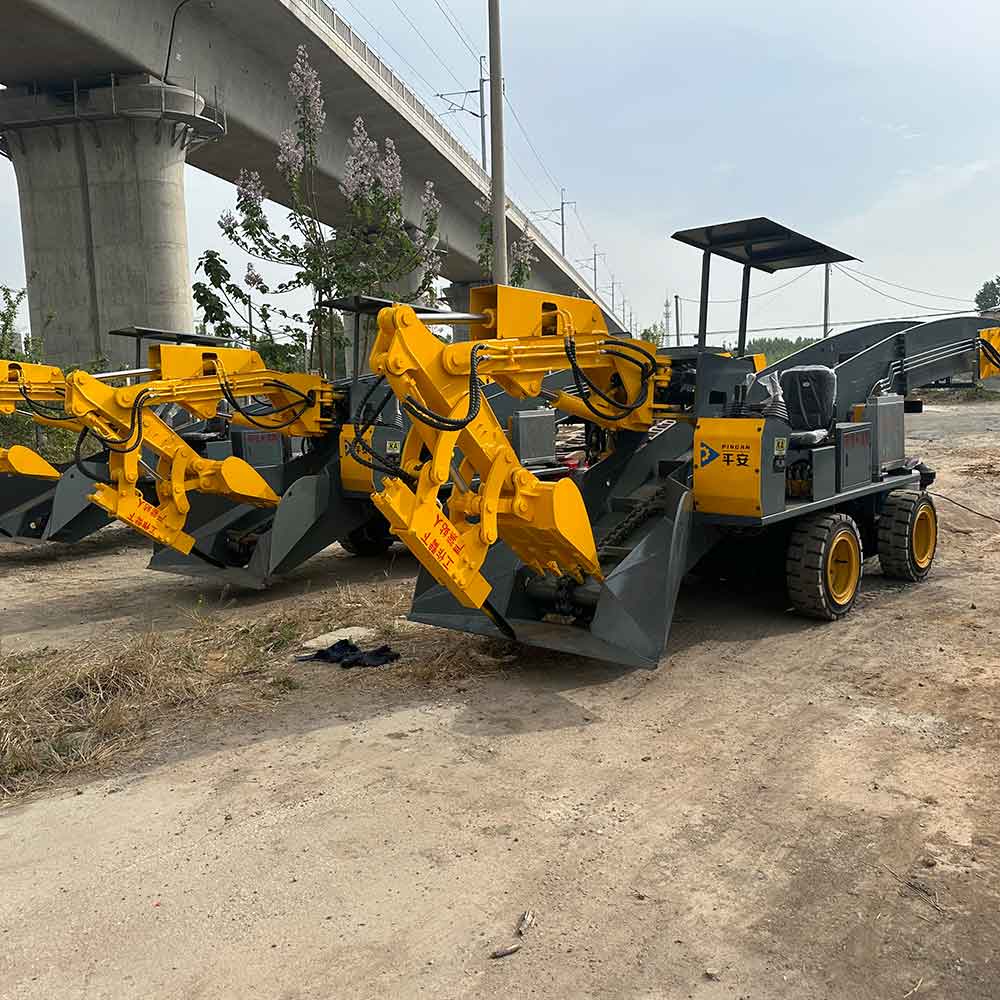
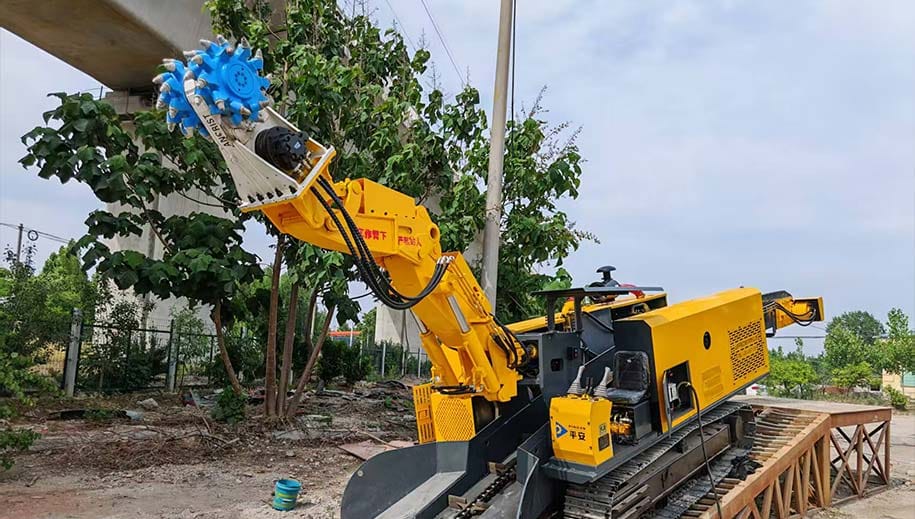
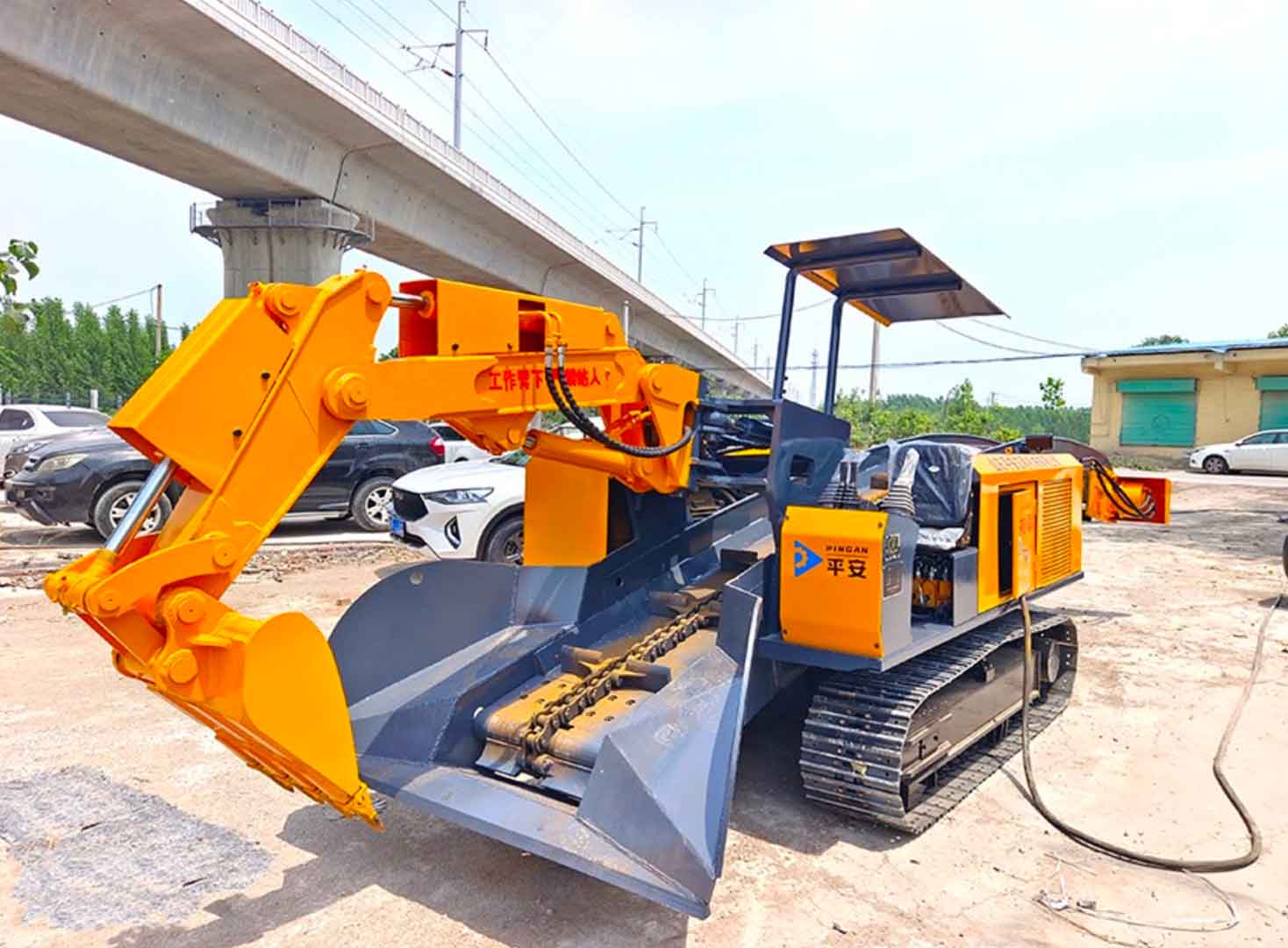
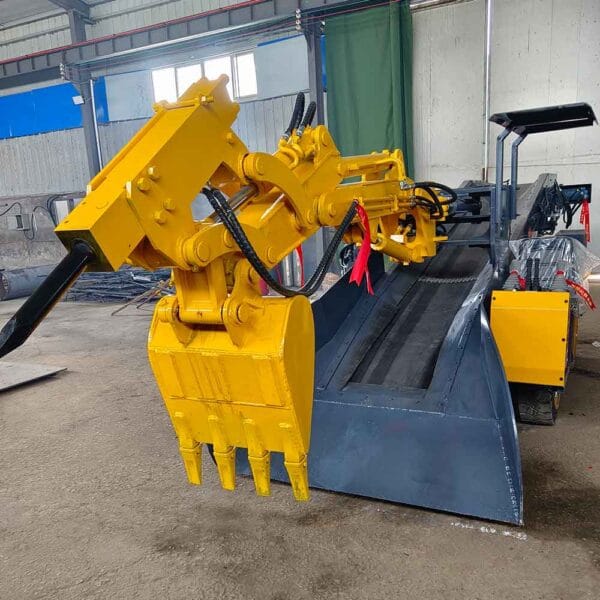
Mining loaders, also known as Load-Haul-Dump (LHD) machines, are versatile vehicles designed for underground material transport. Their primary functions include:
- Collecting ore or coal from the face or muck pile
- Transporting material to conveyors, crushers, or trucks
- Operating efficiently in narrow tunnels and confined spaces
Modern mucking machines offer high maneuverability, precise hydraulic control, and ergonomic operator cabins, which reduce fatigue during long shifts. According to Mining Global, integrating advanced loaders in underground mines can improve cycle times by up to 30%, directly impacting production efficiency.
Types of Mining Loaders
1. Standard Loaders
- Designed for medium to large tunnels
- Suitable for bulk material handling
- High payload capacity and durable components
2. Compact or Low-Profile Loaders
- Optimized for narrow or low-height tunnels
- Offer excellent maneuverability
- Maintain strong lifting and dumping performance
3. Electric vs Diesel Loaders
While diesel-powered loaders remain the most common due to high power and range, electric loaders are increasingly adopted in mines prioritizing ventilation and emissions control. For more on mining equipment electrification, see Mining Technology.
Key Features to Consider in a Mining Loader
- Load Capacity: Choose a loader that matches your expected throughput without overloading the vehicle.
- Maneuverability: Tunnel dimensions dictate loader size and turning radius requirements.
- Operator Safety: Ergonomic cabins, visibility, and protective systems are crucial.
- Durability and Maintenance: Robust hydraulic systems and easy-to-service components reduce downtime.
- Technology Integration: Real-time monitoring, automation, and remote operation improve safety and productivity.
Real-World Case Study: Improving Underground Coal Mine Productivity
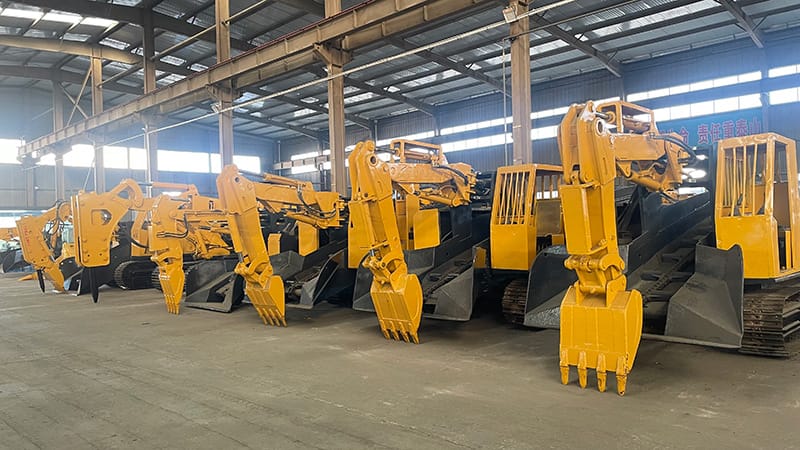
Background
An underground coal mine producing 2,000 tons/day experienced frequent bottlenecks in material transport. Loaders were outdated, causing slow cycle times, high operator fatigue, and increased downtime.
Solution
The mine implemented:
- Low-profile mucking machines with increased payload
- Integration with conveyor systems for direct material transfer
- Operator training on advanced hydraulic controls and load optimization
Results Over 6 Months
| Metric | Before Upgrade | After Upgrade | Improvement |
|---|---|---|---|
| Average Daily Output (tons) | 2,000 | 2,850 | +42% |
| Average Loader Cycle Time (minutes) | 30 | 18 | −40% |
| Maintenance Downtime (hours/week) | 35 | 12 | −66% |
| Safety Incidents per Quarter | 6 | 1 | −83% |
This example highlights how deploying the right mining loader and optimizing workflow can significantly increase productivity and safety.
Mining Loader vs Other Material Handling Equipment
When comparing mucking machines to other underground material handling options such as shuttle cars or conveyor-fed trucks:
- Loaders are more flexible and maneuverable in confined spaces
- Shuttle cars may offer higher volume per cycle but require wider tunnels and are less adaptable to irregular loading zones
- Conveyors excel for continuous transport but lack flexibility for dynamic mining environments
World Mining Equipment emphasizes that combining loaders with conveyors provides the best balance of flexibility and efficiency in underground mining operations.
Optimizing Mining Loader Operations
Scheduling and Workflow
- Assign loaders to specific sections to prevent congestion
- Coordinate with conveyor or haulage systems for continuous operation
- Use cycle time monitoring to identify bottlenecks
Maintenance Strategies
- Daily inspection of hydraulic systems, tires, and attachment points
- Scheduled preventive maintenance every 500–1000 operational hours
- Implement predictive maintenance using IoT sensors for vibration, temperature, and hydraulic pressure monitoring
Safety Enhancements
- Emergency stop systems and proximity sensors
- Dust suppression systems integrated into loaders
- Remote-controlled operation in high-risk zones
Advanced Technologies in Mining Loaders
- Telematics and IoT Integration: Real-time machine data tracking improves operational decision-making.
- Automation and Semi-Automation: Enables repetitive loading cycles without fatigue.
- Hydraulic Attachments: Specialized buckets, hammers, and forks for multi-task operations.
- Emission Reduction Systems: Modern diesel engines and electric alternatives reduce ventilation costs and environmental impact.
For more information on mining loader technology trends, see International Society of Mining Equipment.
Selecting the Right Mining Loader for Your Site
- Assess Tunnel Dimensions: Low-profile models for tight spaces, standard loaders for medium tunnels.
- Determine Material Type: Softer materials can be handled by standard loaders; hard rock may require reinforced buckets or integrated breakers.
- Match Production Requirements: Calculate cycles needed per day to meet throughput.
- Consider Safety and Compliance: Protective cabins, ventilation compatibility, and emergency systems.
- Plan for Lifecycle Costs: Factor in maintenance, fuel, and potential upgrades.
Comparison Table: Mining Loader Selection
| Feature | Low-Profile Loader | Standard Loader | Shuttle Car |
|---|---|---|---|
| Tunnel Clearance | 1.8–2.2 m | 2.5–3.0 m | 2.0–2.5 m |
| Payload Capacity | 3–6 tons | 6–12 tons | 3–8 tons |
| Maneuverability | Excellent | Moderate | Good |
| Cycle Speed | Fast | Moderate | Fast |
| Operator Skill | Moderate | Moderate | Low |
| Maintenance Complexity | Medium | Medium-High | Low |
Case Example: Mining Loader Integration in a Hard Coal Mine
A hard coal mine implemented:
- 5 low-profile loaders for narrow tunnels
- Direct integration with conveyor belts for continuous flow
- Operator training in hydraulic optimization
Outcome: Daily output increased by 35%, cycle times dropped by 45%, and safety incidents reduced by 70% over six months.
Conclusion
Selecting and properly integrating a mining loader is a critical step for optimizing your mining or quarry operation. By matching the right loader to tunnel dimensions, material type, and production goals, you can achieve measurable gains in efficiency, safety, and overall profitability.
If you want expert guidance on choosing the perfect mining loader for your site, contact our team at pinganmachinery today. Let us help you maximize operational efficiency, reduce downtime, and boost productivity with the right equipment tailored to your needs.
FAQ
What is a mining loader used for?
A mining loader is primarily used for collecting, hauling, and loading material in underground or surface mining operations.
How do I choose between different mucking machine models?
Consider tunnel size, material hardness, production targets, and operator safety when selecting the right model.
Can mucking machines operate in tight tunnels?
Yes, low-profile loaders are specifically designed to work efficiently in narrow underground spaces.
How often should a mucking machine be maintained?
Daily inspections combined with preventive maintenance every 500–1000 hours are recommended for optimal performance.
Do mucking machines improve safety?
Yes, modern mucking machines reduce manual labor, minimize material spillage, and incorporate protective systems to improve operator safety.
Can mucking machines integrate with conveyors or haul trucks?
Absolutely. Integrating loaders with conveyors or trucks reduces handling cycles, improves productivity, and lowers downtime.