Underground mining is a critical component of global mineral production. Unlike surface mining, it requires specialized equipment designed to operate safely in confined spaces, under high pressure, and often in challenging environmental conditions. Whether you are managing a mining operation, exploring investment opportunities, or simply interested in mining technology, understanding mining equipment underground is essential for optimizing operations, enhancing safety, and improving productivity.
This comprehensive guide explores the types of underground mining equipment, how they operate, safety considerations, maintenance strategies, cost factors, and emerging technologies. By the end of this article, you will have a clear understanding of the machinery that drives underground mining today and how to make informed decisions when choosing or managing these systems.
Table of Contents
Introduction
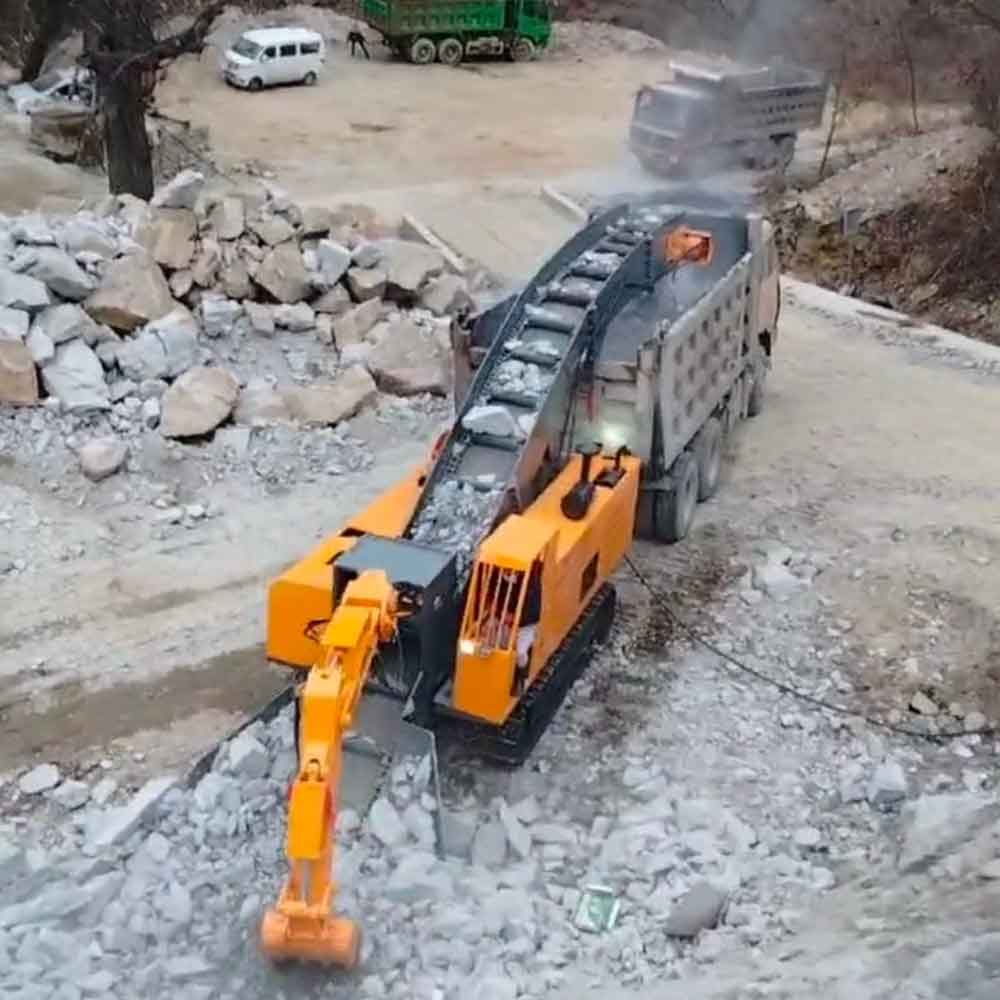
Mining underground differs significantly from surface operations. In open-pit mining, equipment operates in large, open areas, but underground mining involves tunnels, shafts, and narrow working spaces. This means the machinery must be compact, maneuverable, and highly durable.
Mining equipment underground serves multiple purposes: drilling, hauling, transporting ore, and supporting tunnels. Modern machines integrate advanced safety features and automation technologies to improve efficiency while reducing risks. According to recent industry reports, the global underground mining equipment market is projected to grow steadily due to increasing demand for metals, technological advancements, and rising focus on worker safety.
The main advantage of using specialized underground equipment is enhanced productivity without compromising safety. For example, equipment like Load-Haul-Dump (LHD) vehicles can operate in tunnels with limited clearance, significantly improving material transport speed compared to manual methods.
Types of Mining Equipment Underground
Drilling Equipment
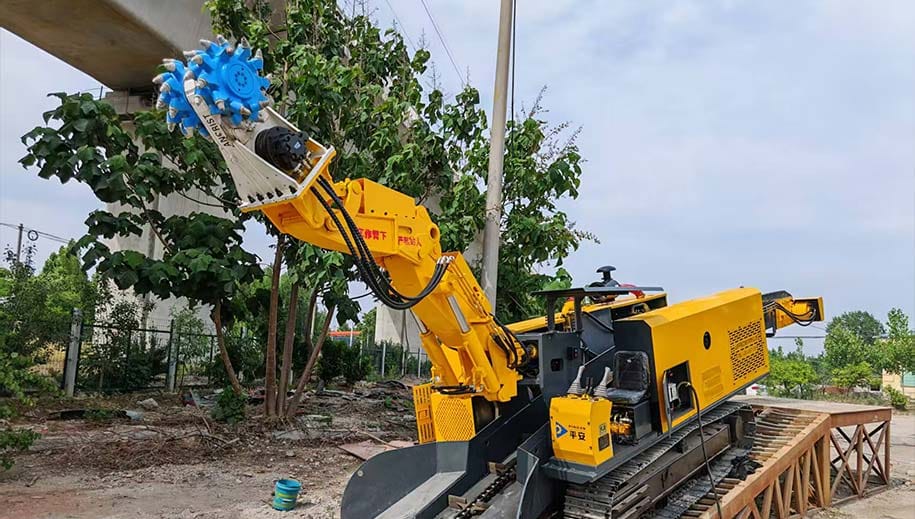
Drilling equipment is the backbone of underground mining operations. Drills are used to create holes for explosives, sample collection, or ventilation shafts. Common types include:
- Core drills: Extract cylindrical samples of ore for analysis.
- Jumbo drills: Large, multi-boom rigs that can drill multiple holes simultaneously.
- Drill rigs: Flexible machines that can be adapted for various rock types and tunnel dimensions.
These machines must balance power and precision. Too much force can damage the surrounding rock, while insufficient penetration reduces productivity. Advances in drill automation now allow machines to operate remotely, reducing worker exposure to hazardous conditions.
Loaders and Haulage Equipment
Transporting ore and waste is one of the most resource-intensive aspects of underground mining. Loaders and haulage systems include:
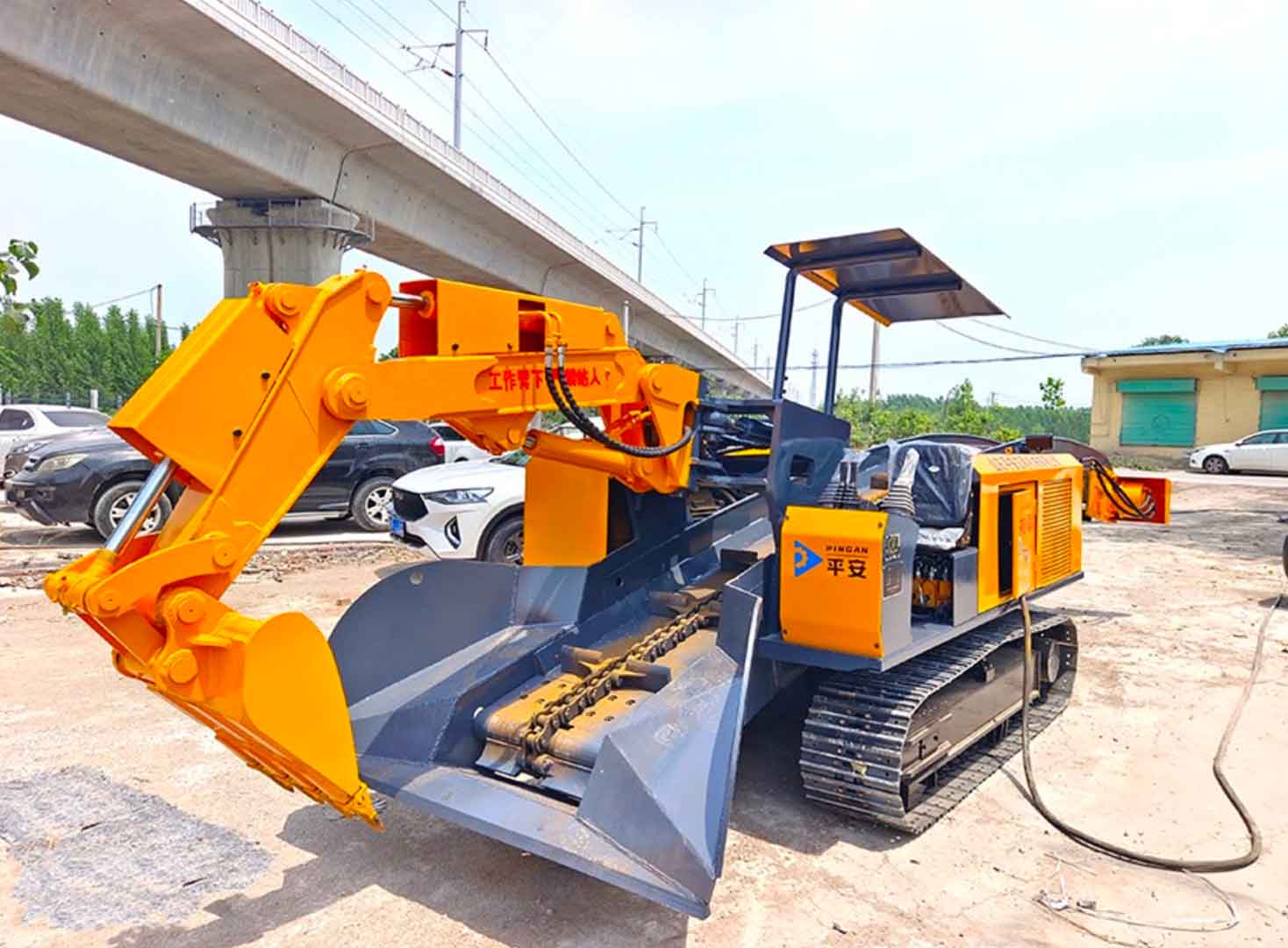
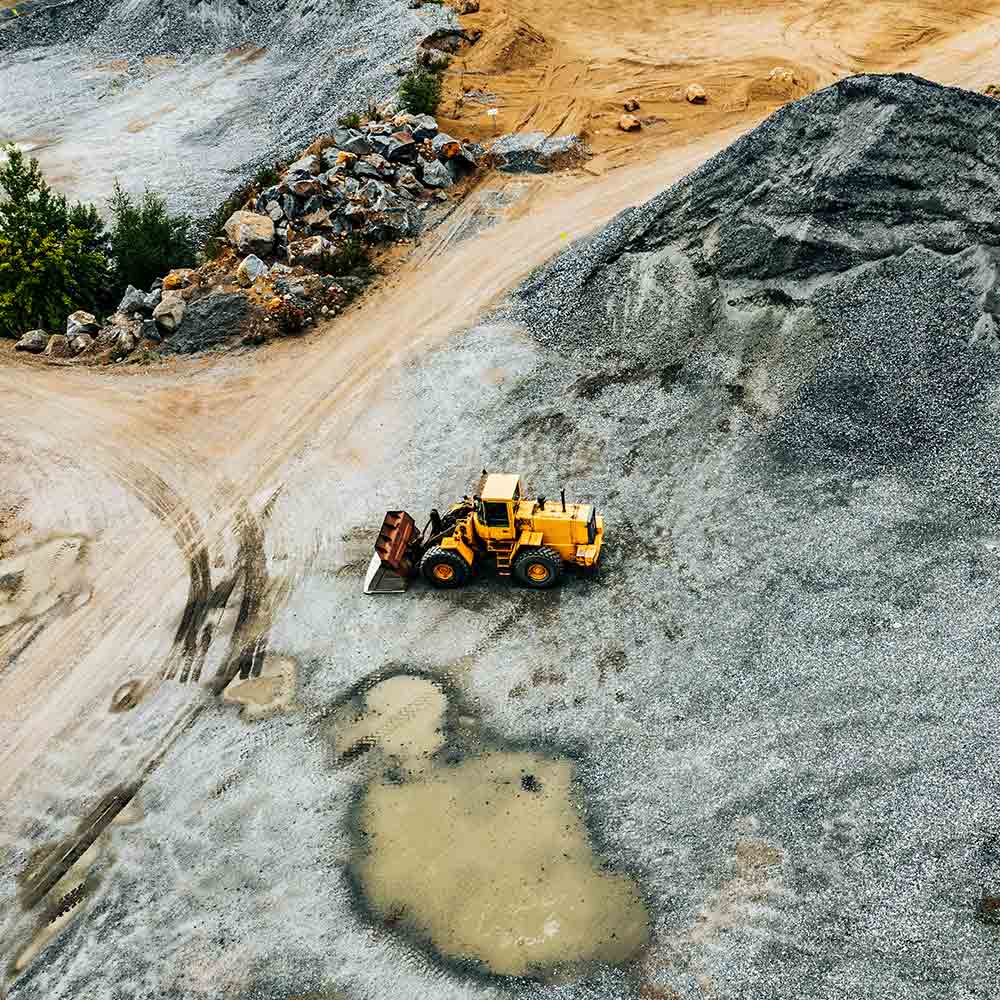
- Load-Haul-Dump (LHD) machines: Designed to carry ore from the face to transport trucks.
- Underground trucks: Smaller than surface trucks but designed to carry heavy loads in tight spaces.
- Conveyor systems: Move ore continuously through tunnels, reducing the need for manual handling.
The efficiency of these machines directly affects the mine’s overall productivity. Automated guidance systems and tele-remote operations have shown to increase throughput while minimizing accidents.
Support and Safety Equipment
Supporting underground tunnels is crucial to prevent collapses and ensure worker safety. Key equipment includes:
- Roof bolters: Stabilize rock layers above tunnels.
- Shotcrete machines: Spray concrete onto tunnel walls to reinforce structures.
- Ventilation systems: Provide fresh air, remove dust, and control harmful gases.
Proper use of support and safety equipment not only protects personnel but also extends the operational life of other mining machinery.
How Mining Equipment Underground Works
Underground mining equipment operates as part of an integrated workflow. A typical mining sequence involves drilling, blasting, mucking, hauling, and supporting tunnels. Here’s how the equipment interacts:
- Drills prepare tunnels and ore bodies.
- Explosives are deployed to break rock.
- Loaders and LHDs transport broken rock to haulage vehicles or conveyors.
- Support equipment ensures tunnel integrity during and after excavation.
- Continuous monitoring systems track equipment performance, rock stability, and air quality.
Many modern mines use tele-remote and semi-automated equipment. Machines can now navigate tunnels with minimal human intervention, reducing exposure to dangerous conditions and improving operational efficiency. Studies indicate that automated LHDs can increase productivity by up to 25% while reducing labor-related incidents.
Choosing the Right Mining Equipment Underground
Selecting the right machinery depends on several factors: mine type, ore characteristics, tunnel size, budget, and safety requirements. Here are key considerations:
- Mine Type: Hard rock mining requires stronger drilling equipment, while softer rock allows lighter machinery.
- Size and Clearance: Equipment must fit the mine’s tunnel dimensions without sacrificing load capacity.
- New vs Refurbished: While new machines offer the latest features and warranties, refurbished equipment may provide cost-effective solutions for smaller operations.
- Supplier Reliability: Choosing reputable manufacturers ensures access to technical support, spare parts, and training.
Investing time in selecting the right machinery upfront reduces downtime and maintenance costs in the long run.
Safety Measures and Regulations
Safety is paramount in underground mining. Equipment must meet strict regulatory standards and integrate features such as:
- Emergency stop systems
- Fire suppression
- Automated collision avoidance
- Air quality monitoring sensors
Common hazards include rock falls, equipment collisions, and exposure to harmful gases. Effective training, routine inspections, and proper use of safety equipment significantly reduce incidents. Industry studies show that mines implementing automated safety monitoring see a 30% reduction in workplace injuries.
Maintenance and Efficiency Tips
Regular maintenance ensures machinery longevity and operational efficiency. Key practices include:
- Daily inspections of hydraulic and electrical systems
- Lubrication schedules for moving parts
- Monitoring wear on drilling bits and loader tires
- Replacing worn components before failure
Implementing predictive maintenance using sensors can reduce unexpected downtime. For example, vibration sensors on drills can detect misalignment or bearing wear, allowing timely intervention.
Cost and Investment Considerations
Costs of mining equipment underground vary widely, depending on size, complexity, and technology level. Here’s a simplified comparison of typical categories:
| Equipment Type | Average Cost Range (USD) | Notes on Usage and Maintenance |
|---|---|---|
| Jumbo Drills | 500,000 – 1,200,000 | Requires regular bit replacement and calibration |
| Load-Haul-Dump (LHD) | 300,000 – 700,000 | Tele-remote versions reduce labor costs |
| Underground Trucks | 250,000 – 600,000 | Maintenance intensive due to confined operations |
| Roof Bolters | 80,000 – 150,000 | Safety-critical, must meet regulatory standards |
| Shotcrete Machines | 120,000 – 250,000 | Used for tunnel reinforcement, frequent service needed |
Leasing or package deals can reduce upfront capital expenditures. Considering the cost per ton of ore moved and equipment lifecycle provides a more accurate financial picture than just purchase price.
Innovations and Future Trends
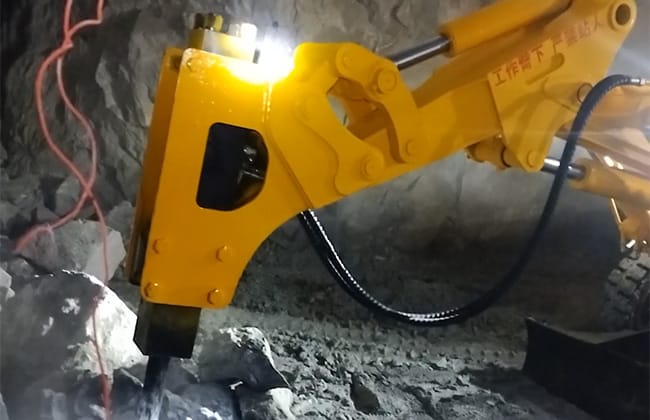
Underground mining equipment is rapidly evolving. Key trends include:
- Automation: Machines operate remotely or autonomously, enhancing productivity and safety.
- Energy Efficiency: Battery-powered loaders and electric drills reduce emissions and operating costs.
- Data Integration: Sensors provide real-time monitoring of equipment health, tunnel stability, and air quality.
- Modular Designs: Simplify repairs and upgrades, reducing downtime.
Emerging technology will continue to transform underground operations, enabling higher throughput, lower costs, and safer working conditions.
Conclusion
Understanding mining equipment underground is fundamental for efficient, safe, and profitable mining operations. From selecting the right machinery and ensuring proper maintenance to implementing safety protocols and adopting innovative technologies, every aspect plays a crucial role.
By applying these insights, you can enhance operational efficiency, reduce risks, and make informed decisions about investments in mining equipment underground. Whether you manage a large-scale mine or are considering entry into the mining industry, knowledge of the equipment, its functionality, and associated costs ensures smarter, safer, and more sustainable operations.
FAQ
What is the best mining equipment underground for hard rock mining?
Drilling rigs with high torque, reinforced loaders, and robust LHDs are ideal for hard rock operations. Machines with tele-remote functionality improve safety and productivity.
How much does underground mining equipment cost?
Costs vary widely, from tens of thousands to over a million dollars per unit. The total investment depends on mine size, machinery type, and automation level.
How do you maintain underground mining equipment?
Regular inspections, lubrication, predictive maintenance using sensors, and replacing worn parts before failure are essential practices.
Can I rent underground mining equipment instead of buying?
Yes, leasing and rental options are available and are often cost-effective for short-term or small-scale operations.
Where can I find reliable suppliers for underground mining equipment?
Reputable manufacturers and distributors often provide technical support, warranties, and training programs. Choosing suppliers with a proven track record is crucial.