Table of Contents
Mining and quarrying are essential industries that supply the raw materials powering construction, energy, and manufacturing worldwide. However, managing these operations efficiently requires more than manpower. Selecting the right mining and quarrying machinery and equipment can significantly improve safety, productivity, and cost-effectiveness.
This guide is designed for you—the mine or quarry manager, procurement professional, or operations engineer—who is seeking practical insights to optimize equipment decisions, streamline operations, and maximize output. We’ll explore machinery types, real-world case studies, performance benchmarks, workflow optimization, and advanced technologies that elevate operations to a professional standard.
Understanding Key Challenges in Mining And Quarrying Machinery And Equipment
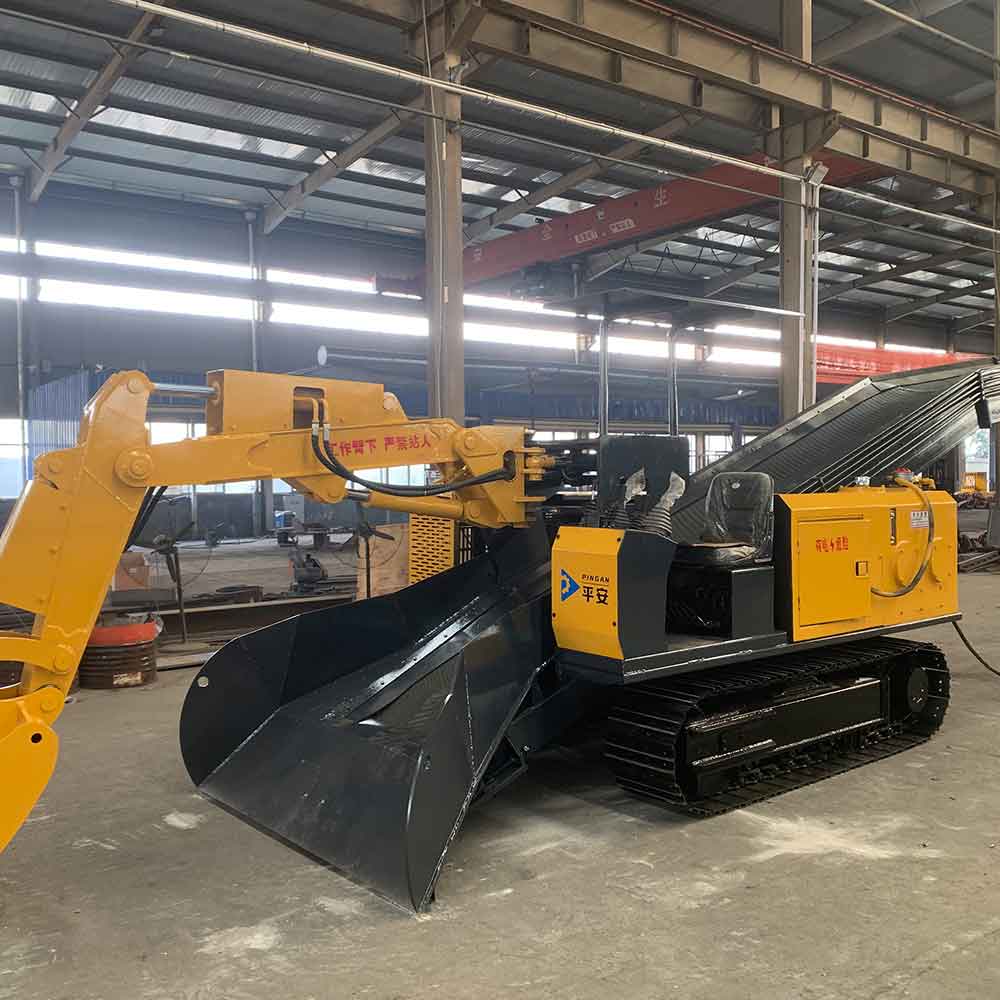
Before investing in equipment, it’s important to identify the challenges your operations face:
- Varying material hardness: From soft limestone to hard granite, the type of rock directly affects the equipment you need.
- Operational safety: Dust, vibrations, and heavy loads pose hazards to personnel. Proper machinery reduces risks.
- Throughput requirements: Your equipment must match the production targets without causing bottlenecks.
- Maintenance and downtime: Frequent failures or inefficient servicing reduce overall profitability.
Industry analysis from Mining Global shows that over 35% of production delays in quarrying result from inefficient equipment selection and maintenance practices. Understanding these challenges helps you make informed equipment decisions.
Categories of Mining and Quarrying Machinery and Equipment
1. Crushing and Grinding Machines
Crushers and grinders are critical to reduce large rocks into manageable sizes. Key types include:
- Jaw Crushers: Efficient for primary crushing of large rocks.
- Cone Crushers: Ideal for secondary crushing and fine output.
- Impact Crushers: Effective for soft to medium hardness materials.
2. Material Handling Equipment
Efficient movement of raw and processed material is essential for smooth operations:
- Conveyor Belts: Continuous material transport reduces manual handling.
- Stackers and Reclaimers: Maintain stockpile efficiency and prevent downtime.
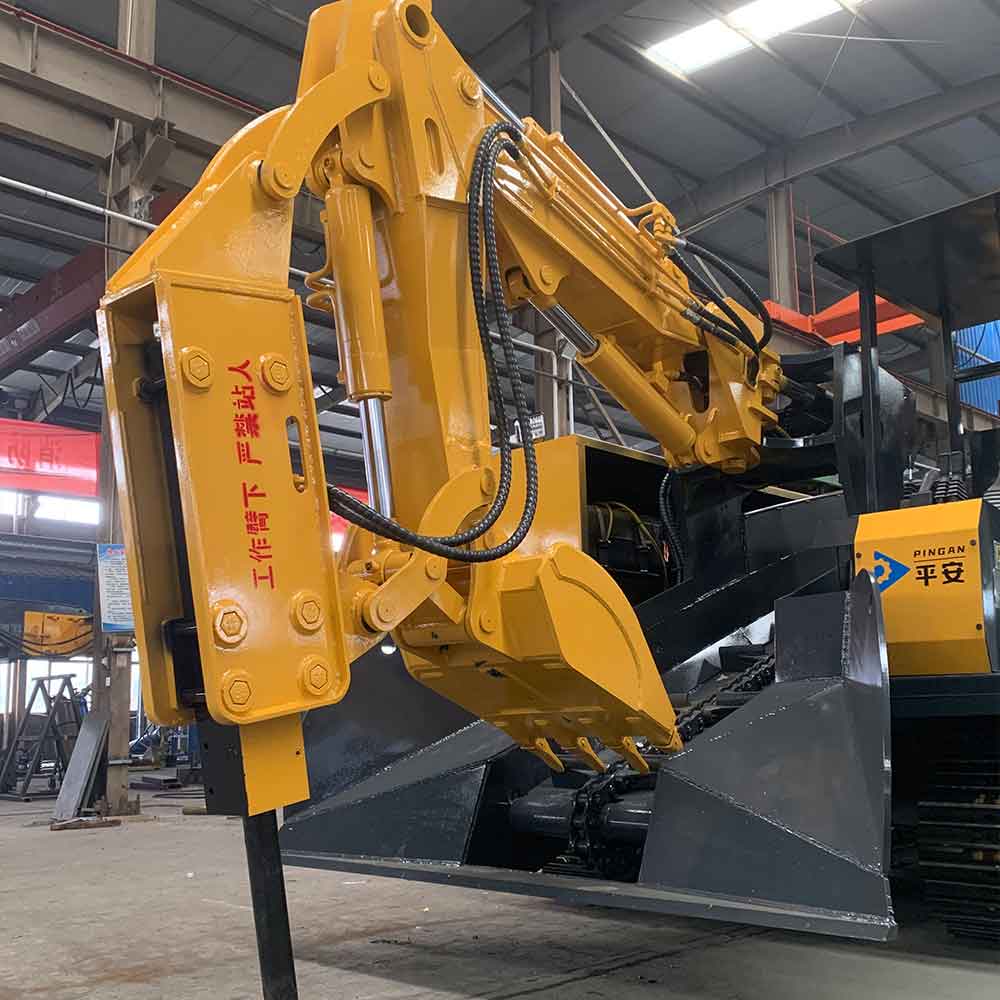
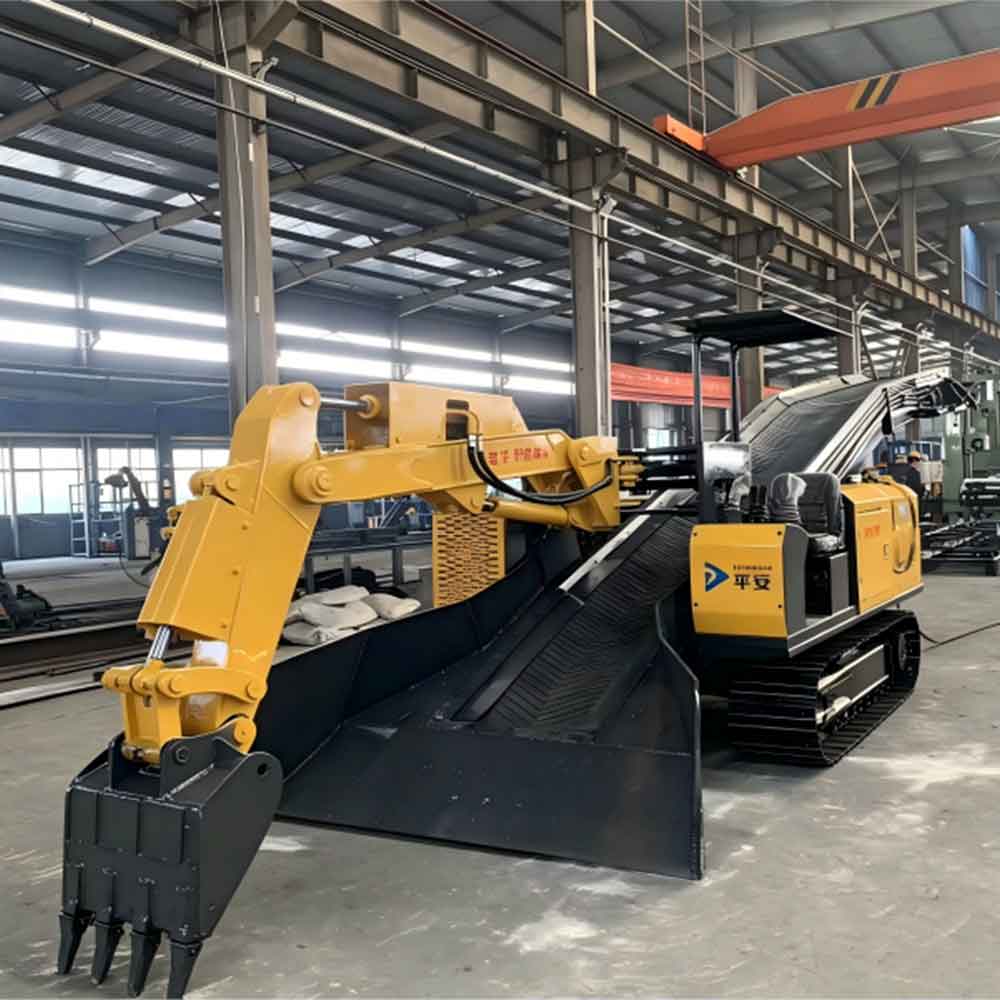
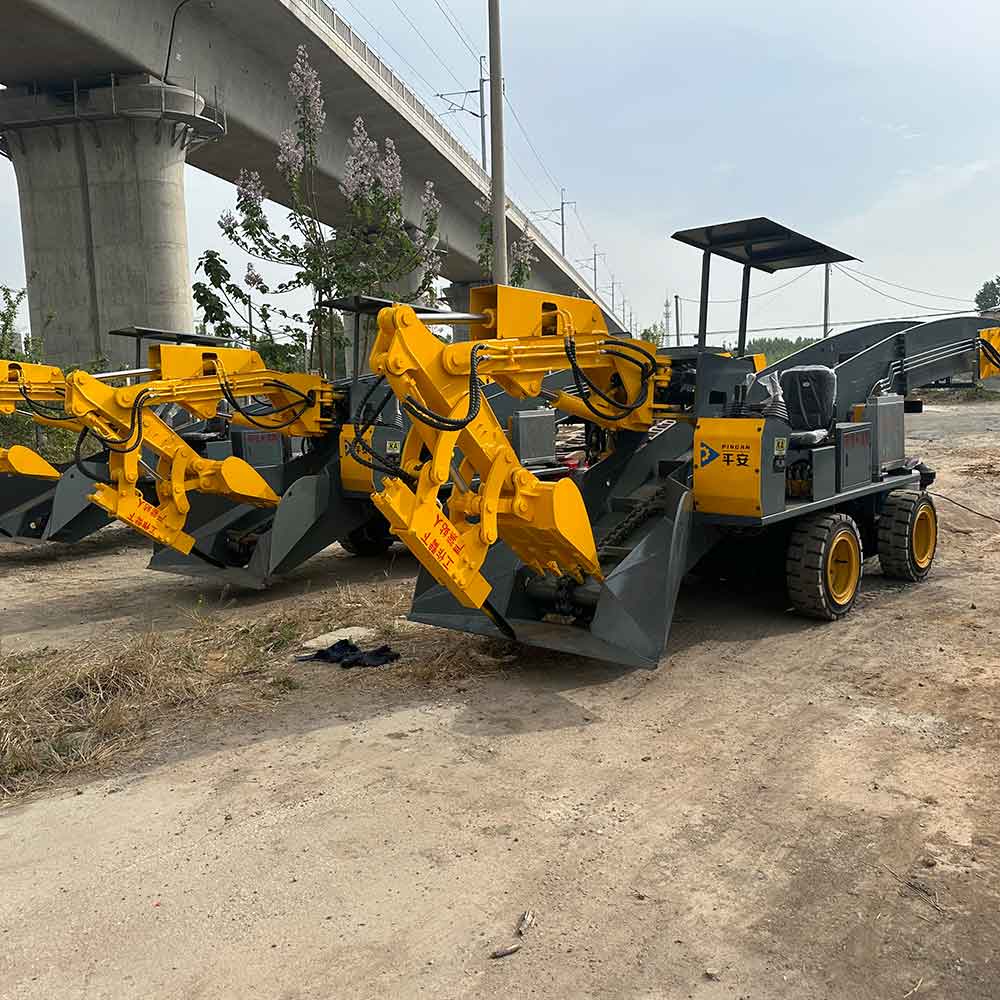
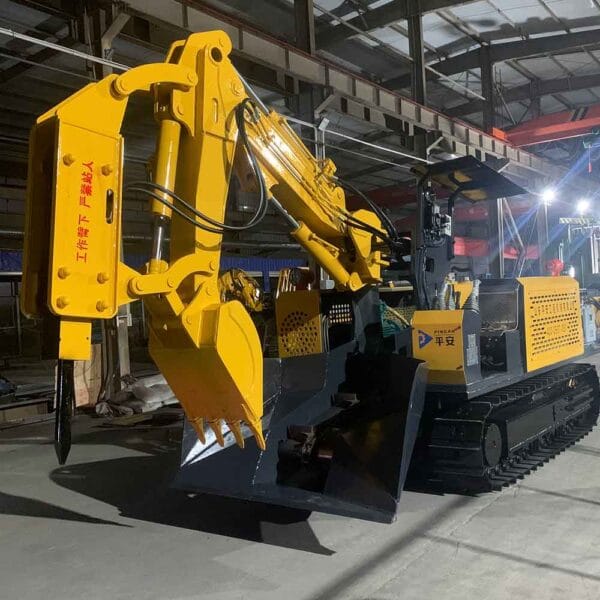
- Load-Haul-Dump (LHD) Machines: Essential in underground quarrying or mining sites.
3. Drilling and Blasting Equipment
Drilling rigs and blast hole drills are key for rock fragmentation:
- Hydraulic Drill Rigs: Offer high penetration rates and consistent accuracy.
- Surface Drilling Machines: Adaptable to various rock hardness levels.
- Explosives Handling and Safety Systems: Ensure precise blasting while maintaining safety compliance.
4. Loading and Haulage Machines
Efficient loading and haulage systems prevent bottlenecks:
- Front-End Loaders: Fast material loading for short distances.
- Articulated Haul Trucks: Carry large volumes efficiently over long distances.
- Conveyor Integration: Continuous movement minimizes handling cycles.
5. Screening and Sorting Equipment
After crushing, screening ensures proper material sizing:
- Vibrating Screens: Separate materials based on size.
- Magnetic Separators: Remove metallic contaminants.
- Automated Sorting Systems: Improve productivity and reduce manual labor.
Efficient screening reduces rework and improves quality output.
Real-World Case Study: Quarry Optimization Through Equipment Upgrade
Project Background
A mid-sized quarry producing granite faced frequent bottlenecks in crushing and transport. Downtime was high, and manual handling caused safety concerns.
Solution Implemented
The quarry integrated:
- High-capacity jaw and cone crushers for sequential crushing
- LHD loaders matched to haul trucks for transport
- Vibrating screens and automated sorting for efficiency
- Hydraulic roof and slope support in underground extraction zones
Results Over 6 Months
| Metric | Before Upgrade | After Upgrade | Improvement |
|---|---|---|---|
| Average output (tons/day) | 1,800 | 2,750 | +53% |
| Equipment downtime (hrs/week) | 40 | 15 | −62% |
| Safety incidents (per quarter) | 6 | 1 | −83% |
| Cycle time (loading to transport) | 32 min | 18 min | −44% |
This demonstrates how upgrading mining and quarrying machinery and equipment leads to measurable improvements in safety, efficiency, and output.
Selecting the Right Equipment
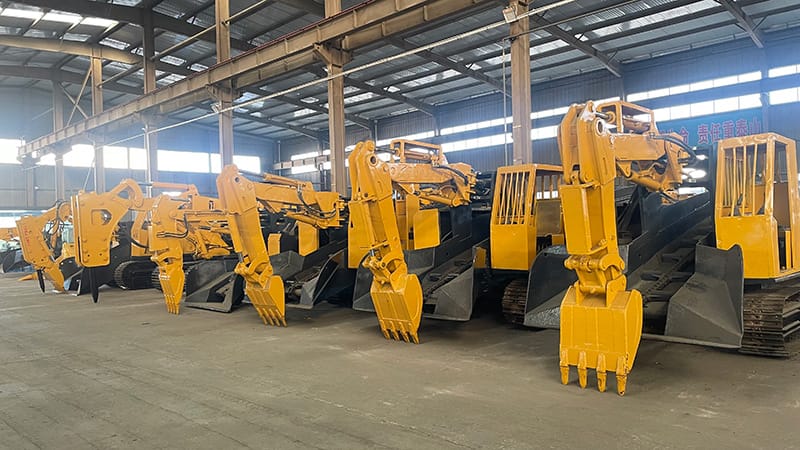
When planning equipment purchases, consider:
- Material Hardness: Select crushers and drills based on rock type.
- Production Targets: Ensure LHD and haul trucks match expected output.
- Safety Standards: Include dust suppression, ergonomics, and protective systems.
- Maintenance Requirements: Predictive maintenance reduces unplanned downtime.
- Automation Potential: Sensors, monitoring, and remote operation can boost productivity.
Advanced Technologies for Mining And Quarrying Machinery And Equipment Efficiency
IoT Monitoring
Sensors can track:
- Machine vibrations and load cycles
- Hydraulic pressure and wear
- Environmental factors such as dust and gas
Remote and Automated Operation
Remote-controlled loaders and drilling rigs allow operators to work in safer locations. Automation reduces fatigue and improves cycle times.
Environmental Compliance
Modern equipment must meet environmental standards:
- Dust suppression systems
- Noise reduction technologies
- Emissions control
Refer to the US EPA Mining Guidelines for compliance best practices.
Integration and Workflow Optimization
Equipment alone is not enough. Align your machinery with workflow:
- Schedule crushers, loaders, and haul trucks to avoid congestion
- Integrate real-time monitoring for bottleneck detection
- Train operators in equipment-specific safety and efficiency practices
- Plan maintenance around production schedules to minimize downtime
Efficient integration can improve overall operational efficiency by 10–15%, according to Mining Global.
Comparison Table: Key Mining And Quarrying Machinery And Equipment
| Equipment Type | Primary Function | Key Benefit | Typical Use Case |
|---|---|---|---|
| Jaw Crusher | Primary crushing | High capacity | Hard rocks |
| Cone Crusher | Secondary crushing | Uniform particle size | Medium-hard rocks |
| LHD Loader | Material transport | Fast cycle | Underground & narrow quarries |
| Haul Truck | Long-distance hauling | High volume | Open-pit mining |
| Vibrating Screen | Material separation | Consistent sizing | Post-crushing |
| Drilling Rig | Blast hole drilling | Accurate penetration | Hard rock extraction |
Conclusion
Choosing the right mining and quarrying machinery and equipment impacts every aspect of your operation—from safety to output and profitability. By aligning machinery with material characteristics, workflow, and technological advancements, you can achieve measurable improvements in efficiency and safety.
If you want expert guidance and a tailored equipment solution, contact our team at pinganmachinery today. Let’s help you optimize operations, reduce risks, and maximize your quarry or mine’s potential.
FAQ
What is considered essential mining and quarrying machinery and equipment?
Jaw crushers, cone crushers, LHD loaders, haul trucks, screening systems, and drilling rigs are essential.
How do I match equipment to my quarry?
Assess rock hardness, tunnel width, production targets, and safety requirements before choosing equipment.
Can upgrading equipment improve safety?
Yes, modern machinery reduces manual labor, vibration, and dust exposure, significantly improving safety metrics.
How often should maintenance be scheduled?
Daily inspections, combined with monthly and quarterly preventive service, align with best industry practices.
Is automation worth the investment?
For medium and large operations, automation increases efficiency, consistency, and operator safety.