Table of Contents
Why Tunnel Excavation Efficiency Is Becoming the Core Challenge in Modern Mining
If you are managing underground mining or tunneling operations, you already know that excavation is no longer just about breaking rock. The real challenge today is how efficiently you can maintain a continuous excavation cycle while controlling safety risks, equipment downtime, and material handling delays.
In modern underground engineering, tunnel development speed directly determines project profitability. However, many projects still struggle with a key bottleneck: inefficient rock cutting and slow tunnel shaping processes.
This is where advanced excavation machinery such as the mine-used crawler tunnel milling roadheader becomes essential.
Industry engineering insights published by organizations like the International Tunnelling and Underground Space Association and construction analysis reports from Engineering News-Record consistently highlight one key trend: mechanized continuous excavation systems significantly outperform traditional drill-and-blast methods in controlled tunnel environments.
What Is a Mine-Used Crawler Tunnel Milling Roadheader?
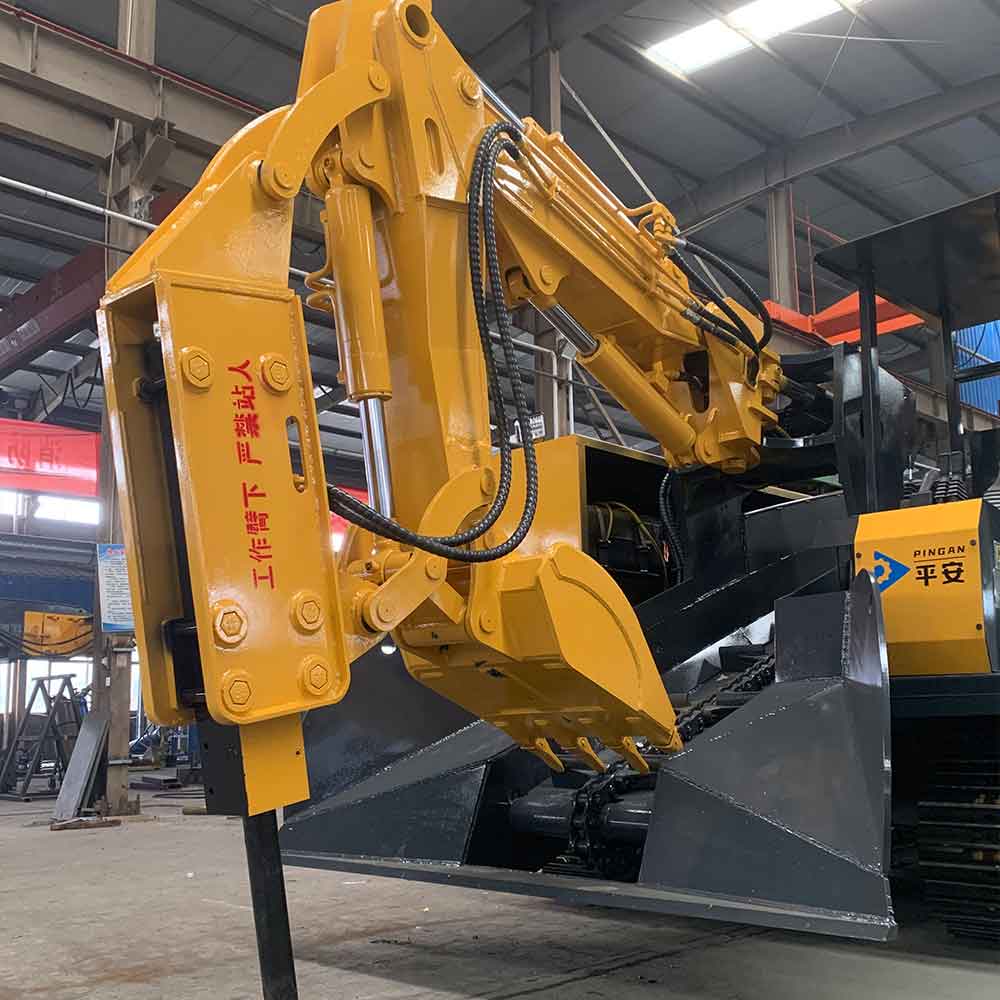
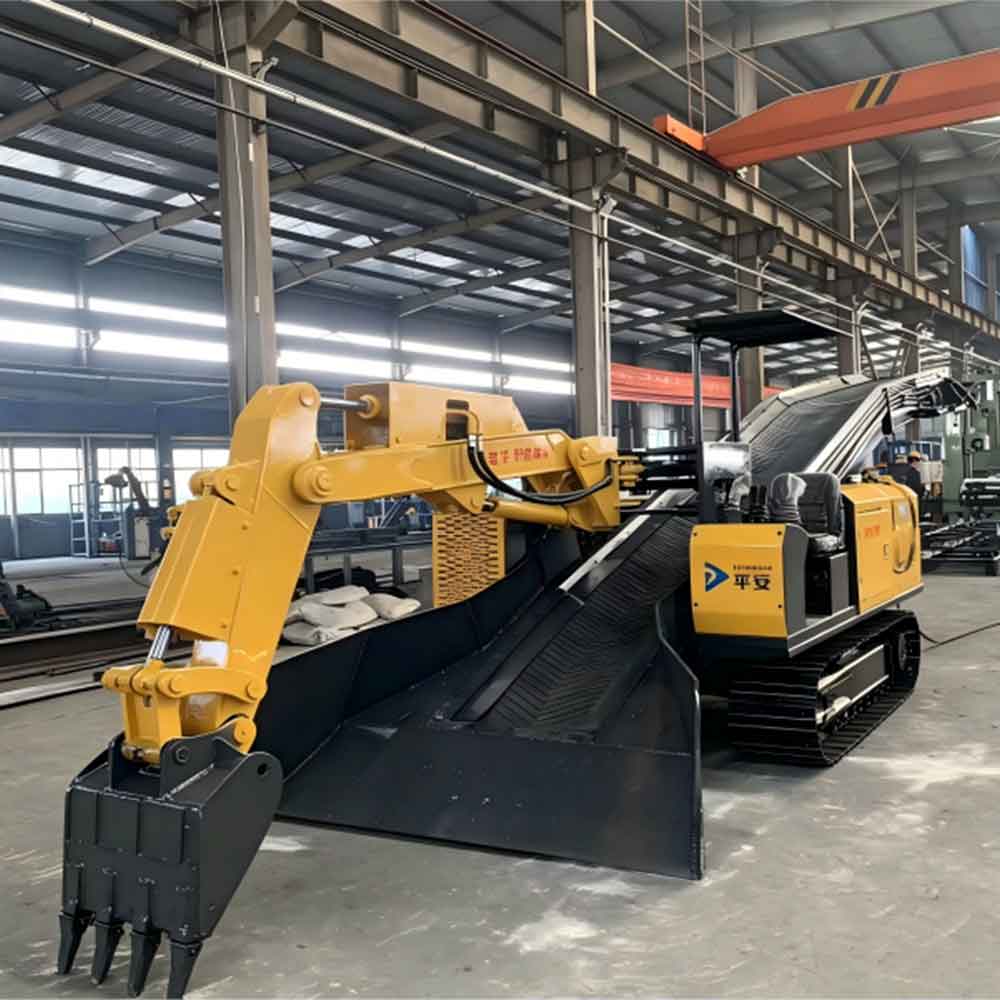
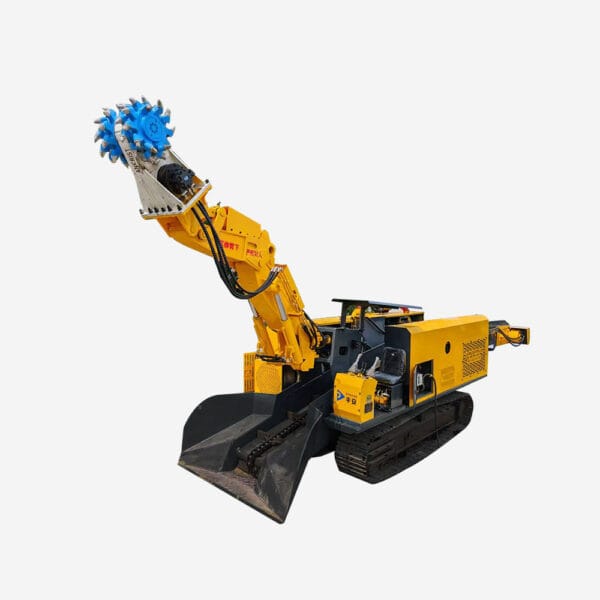
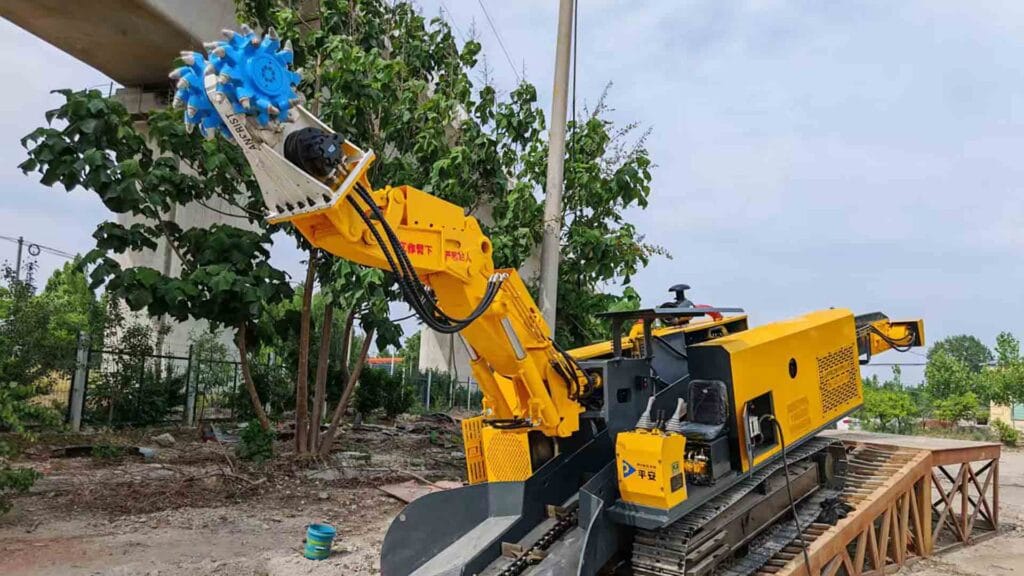
A mine-used crawler tunnel milling roadheader is a specialized underground excavation machine designed to cut, mill, and shape tunnel surfaces using a rotating cutting head mounted on a tracked crawler base.
It is widely used in:
- Mining tunnel excavation
- Subway and metro construction
- Hydropower diversion tunnels
- Underground infrastructure projects
- Rock cutting and tunnel profiling operations
Why Tunnel Milling Technology Is Transforming Underground Excavation
Traditional tunnel excavation methods often rely on drilling and blasting cycles, which introduce interruptions in workflow. Each cycle includes drilling, blasting, ventilation, clearing, and support installation.
In contrast, tunnel milling roadheaders provide continuous mechanical excavation, which eliminates many of these interruptions.
Key transformation advantages include:
- Continuous rock cutting instead of cyclic blasting
- Reduced vibration impact on surrounding rock structures
- More precise tunnel shaping and profiling
- Faster excavation cycles in suitable geological conditions
- Lower dependency on explosive handling logistics
This shift toward mechanical excavation is one of the most significant developments in modern tunneling engineering.
Core Engineering Structure of a Mine-Used Crawler Tunnel Milling Roadheader
The performance of a crawler tunnel milling roadheader depends on several integrated systems.
1. Rotary Cutting Head System
This is the core excavation component. It uses high-torque rotation combined with cutting picks to break rock surfaces into manageable fragments.
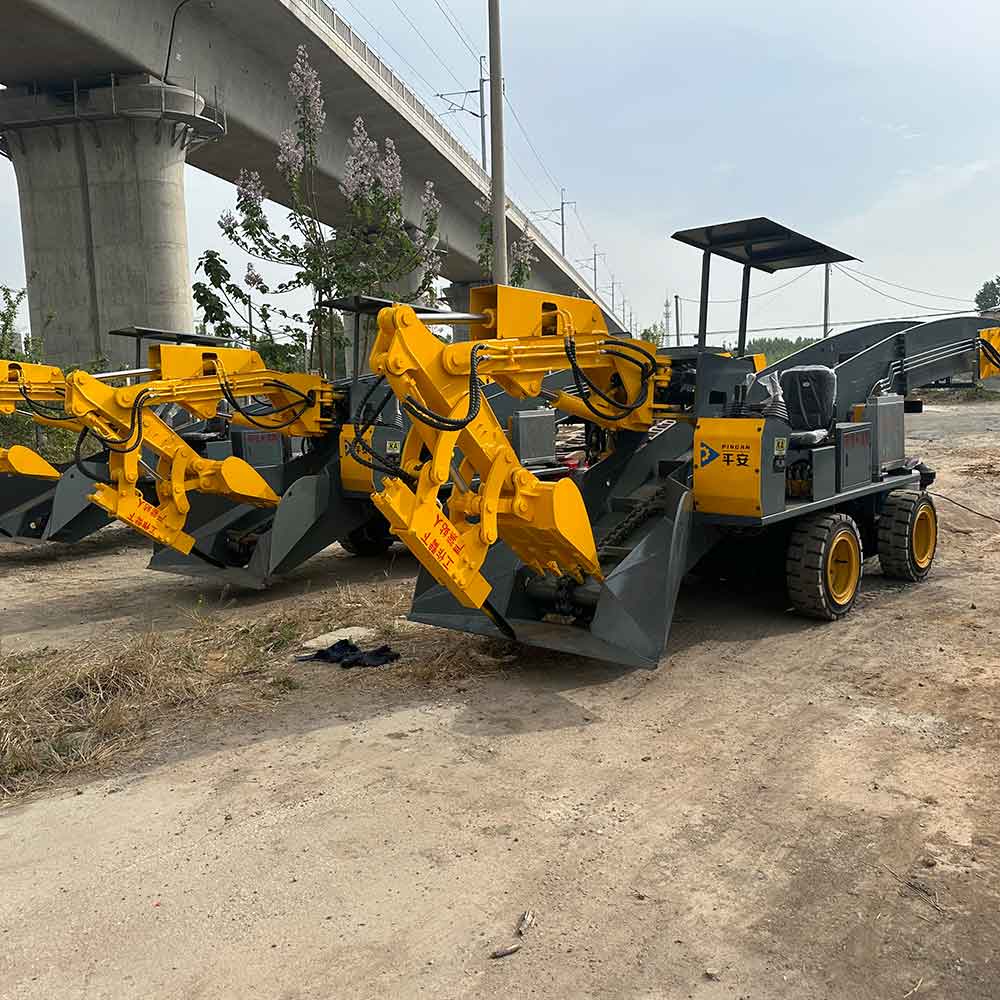
2. Crawler Mobility System
The tracked chassis allows the machine to move smoothly within confined tunnel environments, even on uneven and debris-covered surfaces.
3. Hydraulic Power System
Hydraulic systems provide both cutting force and machine movement control, ensuring stable performance under high-load conditions.
4. Conveyor Material Transport System
Excavated material is transported away from the cutting face continuously, reducing congestion.
5. Operator Control Cabin
Modern systems include ergonomic control stations designed for visibility and precision in low-light underground environments.
Key Advantages of Mine-Used Crawler Tunnel Milling Roadheader
1. Continuous Excavation Without Cycle Interruptions
Unlike drill-and-blast systems, roadheaders operate continuously. This eliminates downtime between blasting and clearing cycles.
2. High Precision Tunnel Shaping
Tunnel geometry accuracy is critical in metro and infrastructure projects. Roadheaders allow precise contouring of tunnel walls and ceilings.
3. Reduced Ground Vibration Impact
Mechanical cutting reduces vibration compared to blasting, which helps maintain surrounding rock stability.
4. Improved Safety in Underground Operations
By reducing explosive usage and manual clearing operations, roadheaders significantly lower exposure to hazardous conditions.
5. Better Material Handling Integration
Excavated material can be directly transported via conveyor systems, improving workflow synchronization.
Real Project Case Example: Tunnel Excavation Optimization
In a structured underground tunnel project (based on aggregated engineering case studies), traditional excavation methods were initially used.
Before Roadheader Integration:
- Cyclic excavation delays due to blasting stages
- Frequent ventilation downtime
- Uneven tunnel profiling requiring rework
- Material clearance bottlenecks
- Lower daily advance rate
After Roadheader Implementation:
- Continuous excavation process established
- Reduced cycle interruptions
- Improved tunnel profile accuracy
- Smoother material removal workflow
- Increased excavation consistency
The most important improvement was not only speed but also workflow continuity and reduced operational variability.
Comparison Table: Traditional Excavation vs Roadheader
| Factor | Drill & Blast Method | Crawler Tunnel Milling Roadheader |
|---|---|---|
| Excavation Mode | Cyclic | Continuous |
| Precision | Moderate | High |
| Vibration Impact | High | Low |
| Safety Risk | Higher | Lower |
| Workflow Efficiency | Interrupted | Continuous |
| Tunnel Shape Control | Limited | Excellent |
| Material Handling | Separate process | Integrated |
Where Mine-Used Crawler Tunnel Milling Roadheaders Are Used
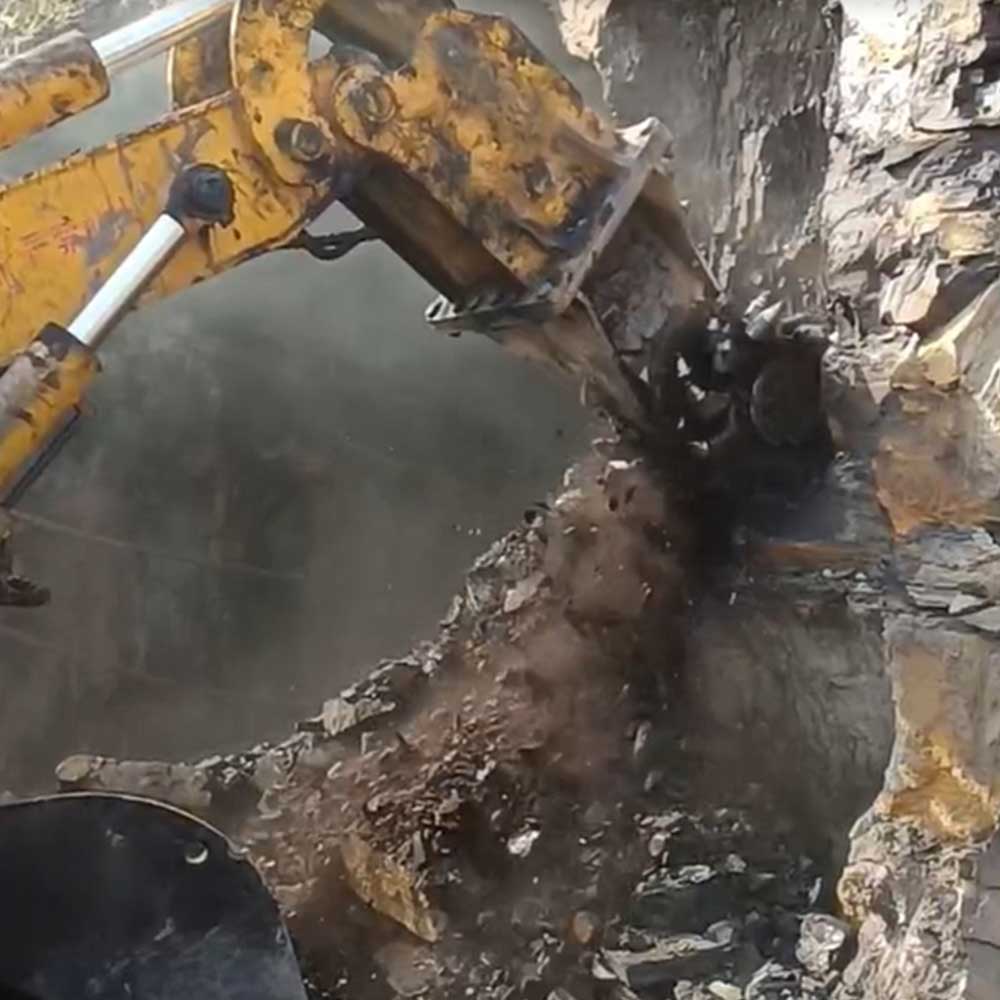
Mining Tunnels
- Ore access tunnels
- Underground passageways
- Rock cutting operations
Metro and Subway Systems
- Station tunnels
- Connecting passages
- Service corridors
Hydropower Engineering
- Water diversion tunnels
- Underground channels
Infrastructure Projects
- Utility tunnels
- Underground transportation systems
Technical Factors You Must Evaluate Before Selection
Rock Hardness Conditions
Roadheaders perform best in medium-hard geological formations.
Tunnel Dimensions
Machine size must match tunnel width and height constraints.
Cutting Head Configuration
Different cutting heads affect excavation efficiency and precision.
Conveyor System Capacity
Material removal speed must match cutting speed to avoid bottlenecks.
Maintenance Accessibility
Easy access to cutting tools reduces downtime and increases productivity.
Maintenance Strategy for Long-Term Performance
Proper maintenance ensures continuous operation in harsh underground conditions.
Daily Maintenance
- Cutting head inspection
- Hydraulic system check
- Conveyor system monitoring
Weekly Maintenance
- Lubrication of moving parts
- Structural inspection
- Cooling system cleaning
Monthly Maintenance
- Full hydraulic system calibration
- Cutting tool replacement evaluation
- Structural integrity checks
Industry Trend: Why Roadheaders Are Growing in Demand
Across engineering discussions on platforms like Mining Technology and professional networks such as LinkedIn, a clear trend is emerging:
Underground excavation is shifting toward continuous mechanical tunneling systems.
This is driven by:
- Increasing demand for faster project delivery
- Higher safety standards
- Reduced tolerance for operational delays
- Improved mechanical cutting technology
Crawler tunnel milling roadheaders are at the center of this transformation.
Why This Equipment Matters for Modern Underground Projects
The mine-used crawler tunnel milling roadheader is more than just an excavation machine. It is a workflow optimization system that improves:
- Excavation speed
- Tunnel precision
- Safety conditions
- Material handling efficiency
- Project scheduling reliability
In modern underground engineering, success is defined not only by how fast you excavate but also by how consistently you can maintain production flow.
Final Insight
The mine-used crawler tunnel milling roadheader represents a major step forward in underground excavation technology. By enabling continuous, precise, and safer tunneling operations, it helps modern projects achieve higher efficiency and greater operational stability.
In an industry where delays are costly and precision is critical, this equipment is becoming a core component of next-generation underground engineering systems.
FAQ
What is a mine-used crawler tunnel milling roadheader used for?
It is used for continuous mechanical excavation of tunnels in mining, metro, and infrastructure projects.
What is the advantage over drilling and blasting?
It provides continuous excavation, higher precision, and reduced vibration impact.
Can it be used in all rock types?
It is best suited for medium-hard rock conditions.
Is it suitable for underground mining?
Yes, it is widely used in mining tunnel development and access routes.
How does it improve safety?
It reduces reliance on explosives and minimizes manual clearing operations.
What industries use mine-used crawler tunnel milling roadheaders?
Mining, tunneling, hydropower, and underground infrastructure development.