Tabla de contenido
Seleccionar lo correcto equipos para minería subterránea Puede ser decisivo para el éxito o el fracaso de sus operaciones mineras. Desde la productividad y la eficiencia hasta la seguridad y el ahorro de costos a largo plazo, la maquinaria que elija juega un papel fundamental en cada fase de su proyecto. En este artículo, le guiaremos en el proceso de selección del equipo adecuado, le presentaremos casos prácticos y le brindaremos información práctica para ayudarle a optimizar sus operaciones mineras subterráneas.
Por qué es importante elegir el equipo adecuado
La minería subterránea es compleja, a menudo implica espacio limitado, geología compleja y estrictos requisitos de seguridad. El equipo que se utiliza afecta:
- Eficiencia operativa
- Seguridad del trabajador
- Costos de mantenimiento
- Capacidad de producción
- Cumplimiento ambiental
El uso de maquinaria obsoleta o incompatible puede provocar retrasos, mayores costos laborales y un mayor riesgo de accidentes. Por el contrario, los equipos modernos y diseñados específicamente mejoran la seguridad, reducen el tiempo de inactividad y mejoran la rentabilidad de la inversión.
Tipos de equipos para minería subterránea
Dependiendo del método de minería utilizado (ya sea de cámara y pilares, de tajo largo o de corte y relleno), se requerirán diferentes equipos. Las categorías clave incluyen:
- Cargadores y vehículos de transporte
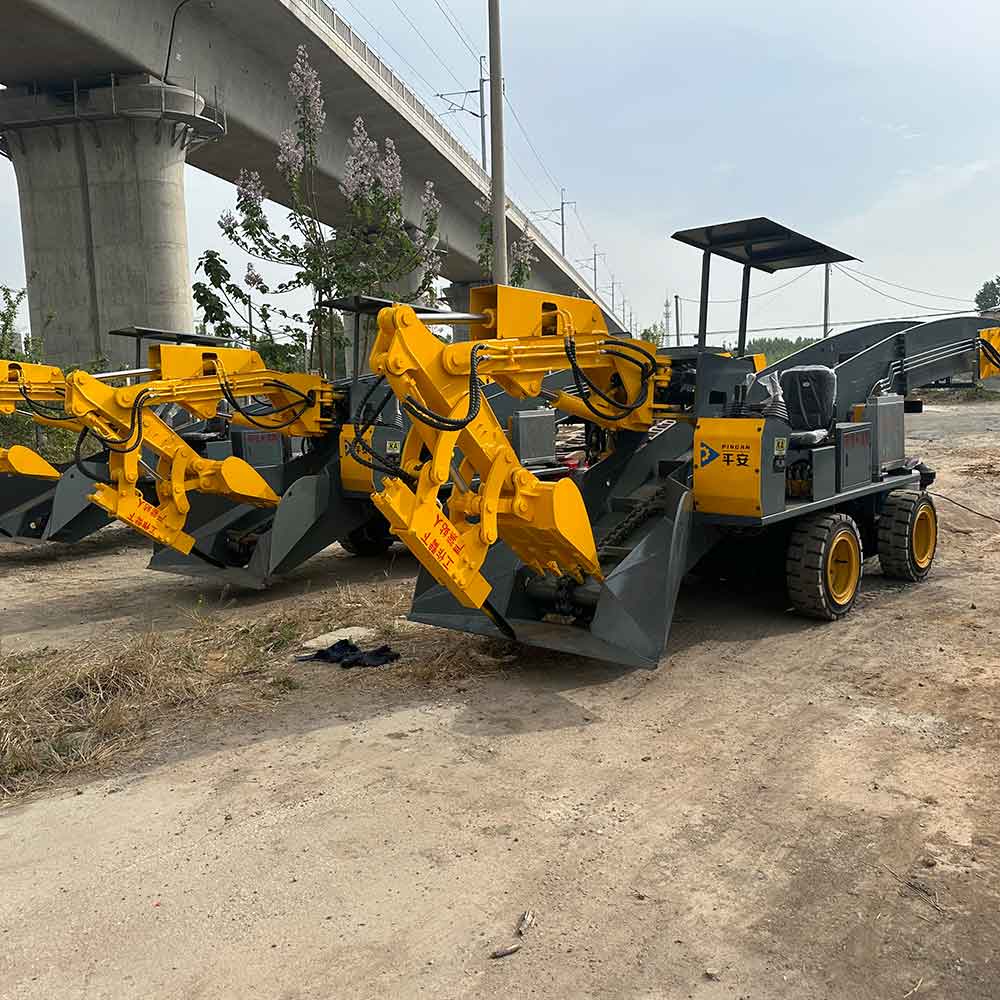
Los cargadores subterráneos (también conocidos como LHD) extraen eficientemente el mineral del frente de la mina. En combinación con camiones mineros subterráneos, reducen los tiempos de ciclo y aumentan la productividad. - Máquinas de perforación y voladura
Si bien algunas operaciones modernas reducen o eliminan las voladuras, las plataformas de perforación son esenciales en condiciones de roca dura para la colocación precisa del pozo. - Mineras y fresadoras continuas
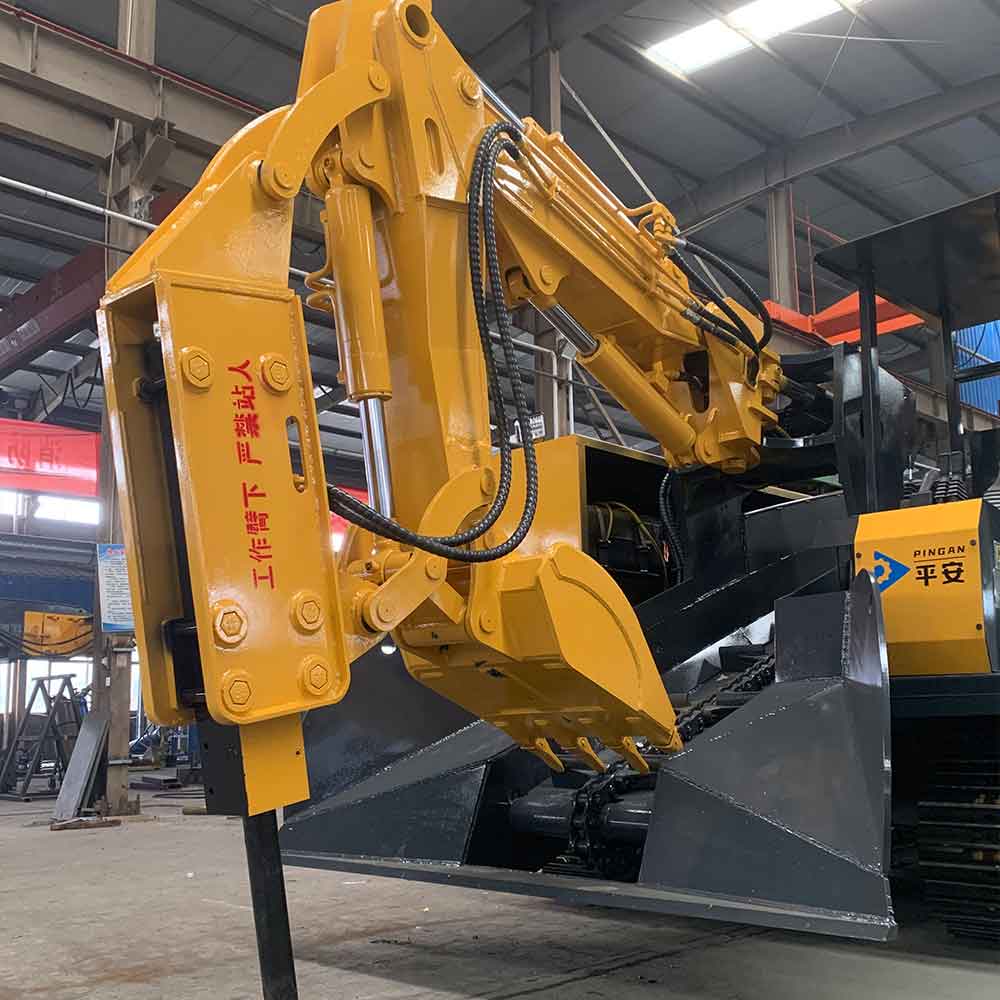
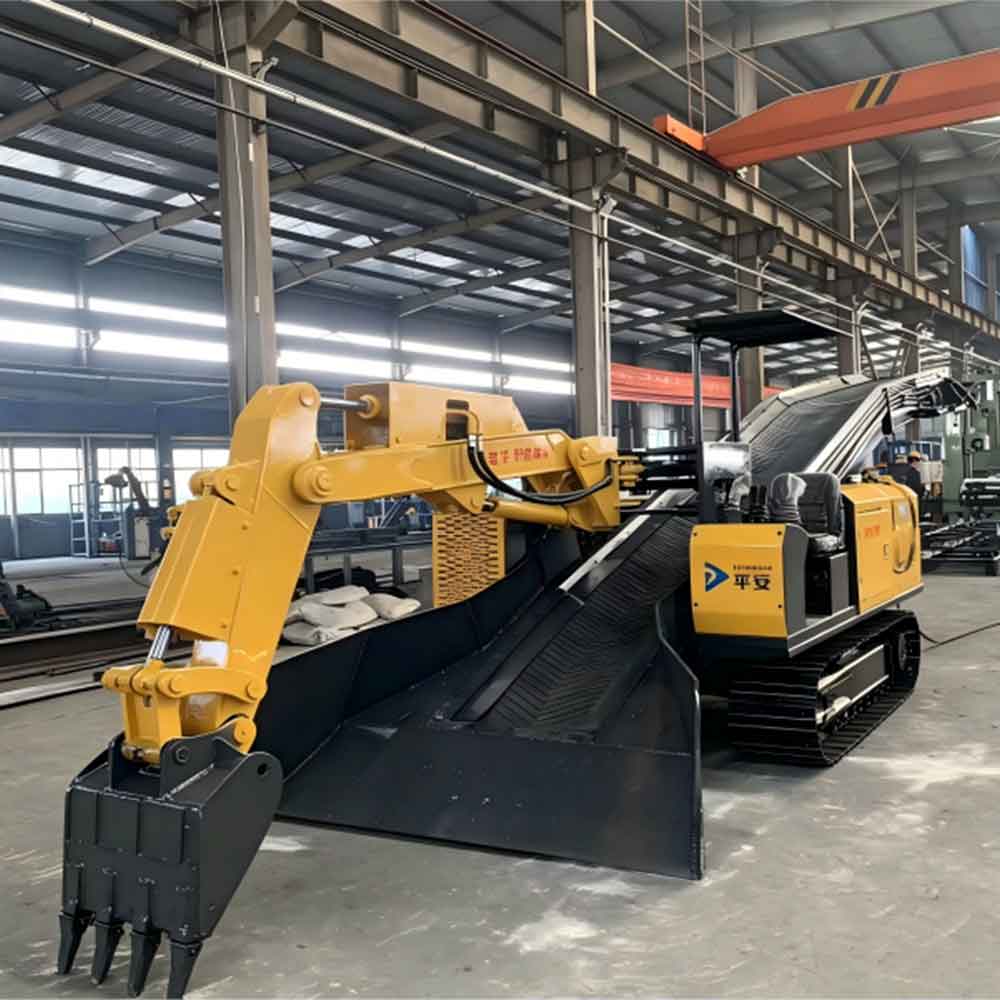
Máquinas como las fresadoras de túneles permiten una extracción continua sin necesidad de granallado, aumentando la velocidad de producción y reduciendo el polvo y las vibraciones. - Sistemas transportadores y de manipulación de materiales
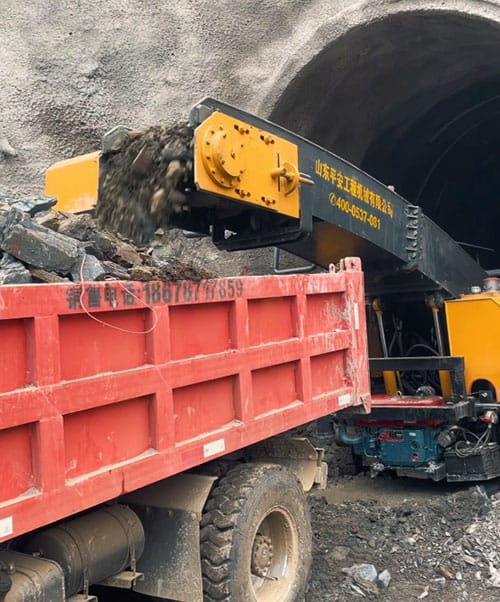
La integración de transportadores con cargadores garantiza un transporte fluido del material desde el frente de extracción hasta las áreas de procesamiento. - Sistemas de soporte y seguridad
Los pernos de techo, los sistemas de ventilación y los equipos de apoyo terrestre garantizan la seguridad operativa, evitando derrumbes y mejorando las condiciones de los trabajadores.
Estudio de caso: Optimización de la extracción de carbón
Descripción del proyecto:
Una operación minera de carbón se enfrentaba a cuellos de botella al utilizar métodos tradicionales de perforación y voladura en túneles estrechos. La mano de obra era alta y los incidentes de seguridad eran frecuentes debido a explosiones incontroladas y caída de escombros.
Solución:
La empresa minera adoptó equipos modernos para la minería subterránea, incluyendo un minador continuo con un sistema de transporte de alta capacidad y maquinaria robusta de soporte de techo.
Resultados a lo largo de seis meses:
| Métrico | Antes de los equipos modernos | Después de los equipos modernos | Mejora |
|---|---|---|---|
| Producción de carbón (m³/día) | 150 | 400 | +167% |
| Requisito de mano de obra | 20 operadores | 8 operadores | −60% |
| Tiempo promedio de ciclo por sección | 6 horas | 2,5 horas | −58% |
| Incidentes de seguridad por trimestre | 7 | 1 | −86% |
Esto demuestra cómo la selección del equipo adecuado impacta directamente en la productividad, la seguridad y los costos operativos.
Evaluación de proveedores
Al elegir proveedores de equipos, tenga en cuenta lo siguiente:
- Experiencia en ingeniería: Asegúrese de que el proveedor pueda personalizar el equipo según las dimensiones de su túnel, el tipo de mineral y el flujo de trabajo.
- Servicio postventa: El soporte para mantenimiento, capacitación de operadores y repuestos es crucial para una producción ininterrumpida.
- Innovación tecnológica: Los proveedores que invierten en I+D proporcionan mayor eficiencia, automatización y durabilidad.
- Cumplimiento normativo: Asegúrese de que la maquinaria cumpla con los estándares ambientales y de seguridad minera locales.
Los proveedores que ofrecen un paquete completo (que incluye equipos, soporte técnico y capacitación) permiten operaciones más fluidas y un retorno de la inversión más rápido.
Mantenimiento y confiabilidad
La confiabilidad de los equipos es fundamental en las operaciones subterráneas, donde las interrupciones pueden resultar costosas. Las prácticas clave incluyen:
- Programas de mantenimiento preventivo
- Componentes modulares para un reemplazo rápido
- Diagnóstico y monitorización remota
- Capacitación para equipos de mantenimiento internos
Un mantenimiento adecuado puede reducir el tiempo de inactividad de los equipos subterráneos hasta en un 40%, mejorando significativamente la productividad general.
Consideraciones ambientales y de seguridad
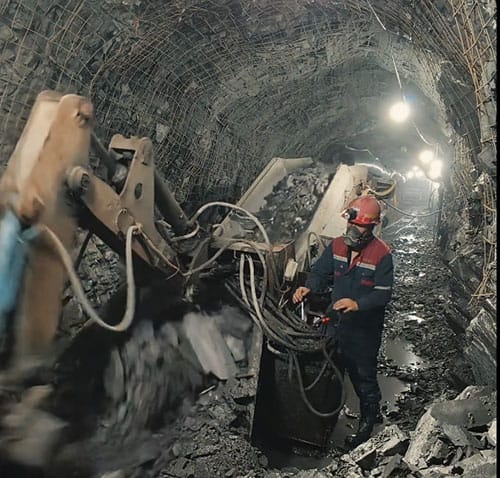
Los equipos modernos de minería subterránea incorporan características que minimizan el impacto ambiental y mejoran la seguridad:
- Sistemas de supresión de polvo y ventilación
- Operaciones hidráulicas de bajo ruido
- Cabinas de operador ergonómicas para reducir la fatiga
- Sensores y monitorización automatizada para prevenir accidentes
Para obtener más pautas de seguridad, consulte Normas internacionales de seguridad minera.
Comparación: Equipos tradicionales vs. modernos
| Característica | Minería tradicional | Equipo moderno | Beneficio |
|---|---|---|---|
| Productividad | Moderado | Alto | Salida +50–150% |
| Requisito de mano de obra | Alto | Más bajo | −50–70% |
| Seguridad | Moderado | Alto | Menos incidentes |
| Mantenimiento | Complejo | Modular y eficiente | Tiempo de inactividad reducido |
| Impacto ambiental | Alto nivel de polvo y ruido | Bajo nivel de polvo y ruido | Cumplimiento de normas |
Ejemplo real: Extracción en túnel estrecho
Una empresa minera enfrentó desafíos en túneles de tan solo 3 metros de ancho. Mediante la implementación de minadores continuos compactos con transportadores integrados y sistemas de soporte hidráulico:
- La extracción de carbón aumentó en 120%
- Los costos laborales disminuyeron en 60%
- Los incidentes de seguridad se redujeron drásticamente
- Los tiempos de finalización del proyecto mejoraron en un tercio
Esto demuestra cómo el equipo adecuado para la minería subterránea se adapta a las limitaciones de espacio y mejora la eficiencia operativa.
Conclusión
Seleccionar el equipo adecuado para la minería subterránea es una decisión estratégica que influye en su eficiencia operativa, seguridad y retorno de la inversión (ROI). Al aprovechar maquinaria moderna, sistemas de soporte integrados y proveedores experimentados, puede lograr mayor productividad, menores costos y condiciones de trabajo más seguras.
Contacte con nuestro equipo en Maquinaria Pingan Para analizar las necesidades de su proyecto y explorar soluciones personalizadas para minería subterránea. Dé el salto hoy mismo para optimizar sus operaciones y asegurar el éxito a largo plazo.
Preguntas frecuentes
¿Cuáles son los tipos de equipos esenciales para la minería subterránea?
Los cargadores, minadores continuos, plataformas de perforación, transportadores y sistemas de seguridad son esenciales para optimizar la productividad y la seguridad.
¿Cómo afecta la elección del equipo a la seguridad minera?
La maquinaria moderna con controles hidráulicos, monitoreo automatizado y sistemas de soporte robustos reduce los accidentes y protege a los trabajadores.
¿Es posible personalizar los equipos de minería subterránea para túneles estrechos?
Sí, los proveedores ofrecen diseños compactos, cabezales de corte ajustables y componentes modulares adaptados a espacios reducidos.
¿Cómo debo seleccionar un proveedor?
Evaluar la experiencia en ingeniería, el soporte posventa, la innovación, el cumplimiento y las referencias de proyectos similares.
¿Los equipos modernos mejoran el cumplimiento ambiental?
Sí, características como la supresión de polvo, los sistemas hidráulicos de bajo ruido y el manejo eficiente de materiales reducen el impacto ambiental.