Tabla de contenido
Las operaciones mineras subterráneas exigen eficiencia, seguridad y precisión. Si usted es responsable de la adquisición o la gestión operativa de una mina, comprende los desafíos de navegar por túneles estrechos, manejar diferentes condiciones de roca y mantener un alto rendimiento. Seleccionar los equipos de minería subterránea adecuados puede mejorar significativamente los estándares de productividad y seguridad de su operación.
Esta guía completa cubrirá los tipos de equipos de minería subterránea, sus aplicaciones, estudios de casos, mejores prácticas operativas, estrategias de mantenimiento y consideraciones de seguridad. Al final, tendrá información práctica para optimizar su flujo de trabajo de minería subterránea.
Comprensión de los equipos de minería subterránea
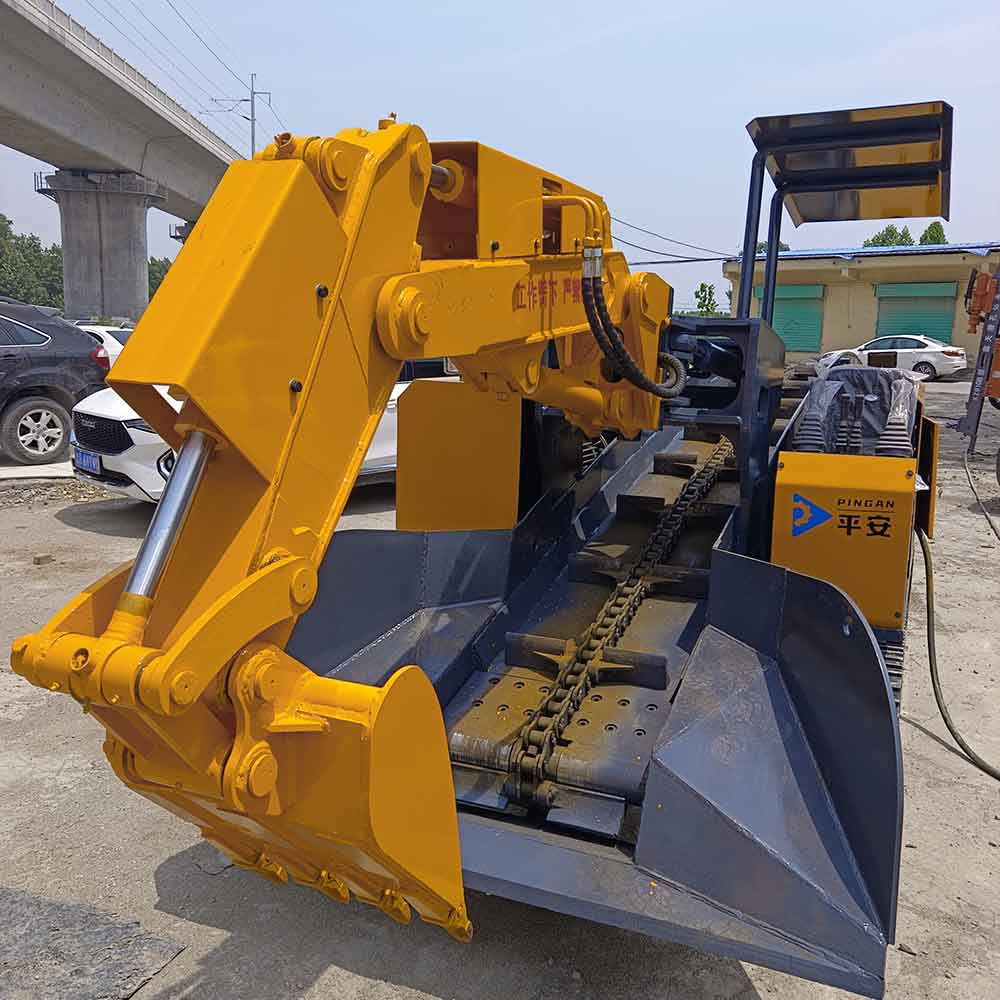
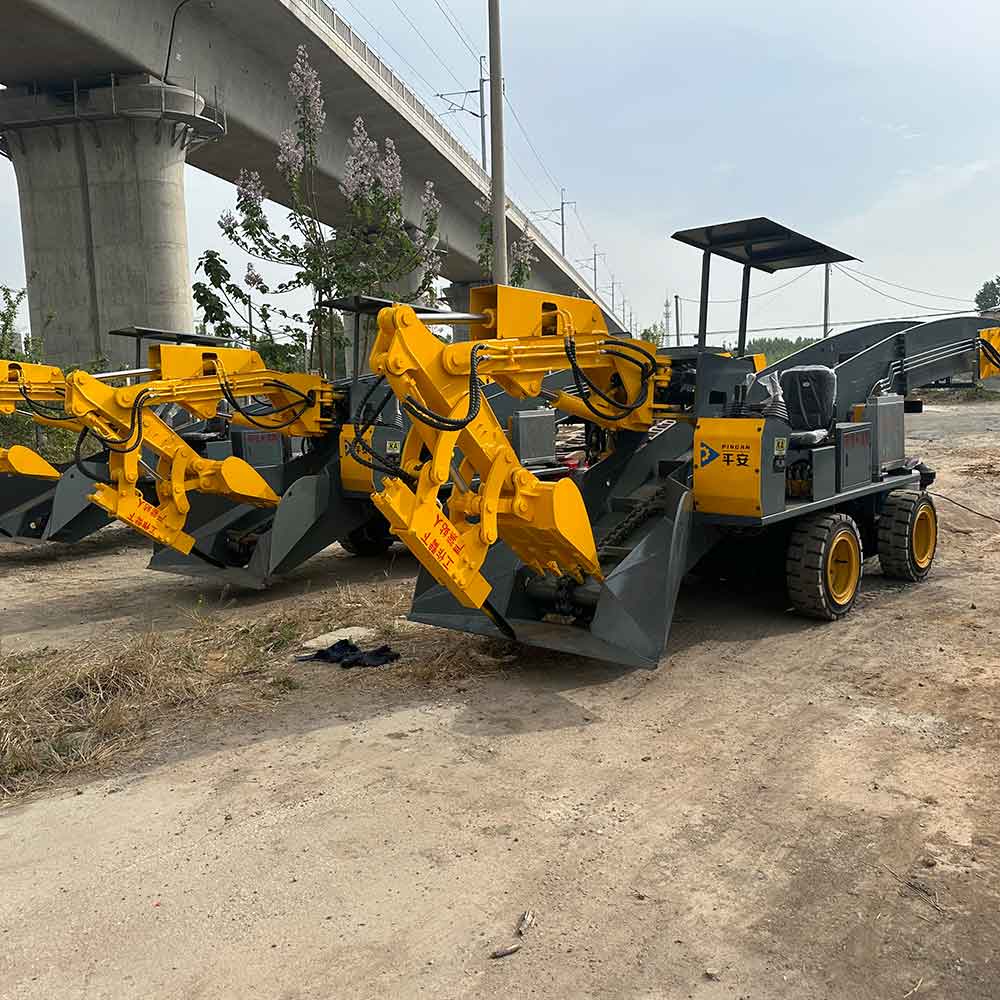
Los equipos de minería subterránea están diseñados para manejar la extracción, transporte y procesamiento de minerales debajo de la superficie terrestre. Las categorías de equipos comunes incluyen:
- Máquinas de carga, transporte y descarga (LHD)
- Camiones mineros subterráneos
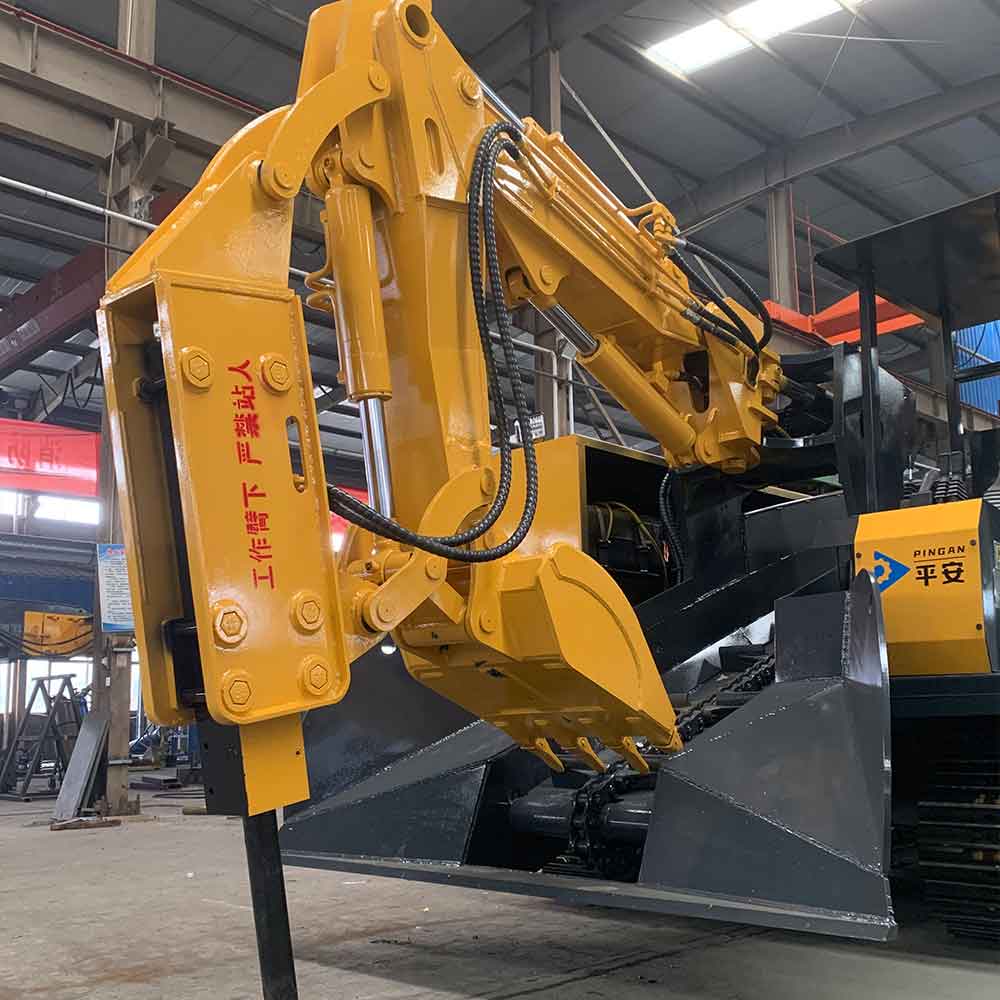
- Rompedores y martillos hidráulicos
- Perforación de jumbos
- Coches lanzadera
Cada tipo de equipo juega un papel fundamental en la eficiencia minera. Según Mining Global, la integración de equipos subterráneos modernos puede aumentar la eficiencia del manejo de materiales en 30-40%, reducir la fatiga laboral y mejorar la seguridad.
Tipos de Equipos Mineros Subterráneos
1. Máquinas de carga, transporte y descarga (LHD)
- Ideal para transporte de materiales en túneles
- Puede navegar en espacios reducidos mientras transporta cargas útiles importantes
- Ejemplos: LHD de perfil bajo para vetas de carbón estrechas
2. Camiones mineros subterráneos
- Diseñado para el transporte de alta carga útil dentro de túneles subterráneos
- Ofrecer durabilidad y alta maniobrabilidad en condiciones confinadas
3. Perforación de Jumbos
- Equipado para una perforación precisa de pozos de explosión
- Los jumbos de pluma múltiple permiten una excavación más rápida y tiempos de ciclo reducidos
4. Martillos y disyuntores hidráulicos
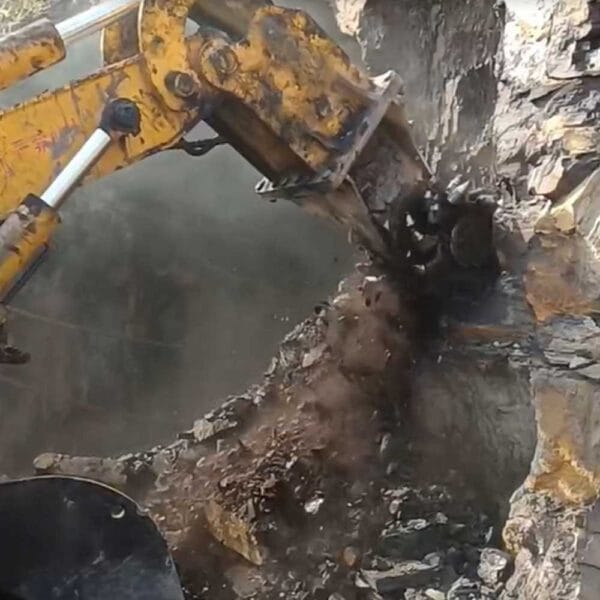
- Se utiliza para romper roca dura u hormigón en túneles
- Reducir el trabajo manual y mejorar la eficiencia del ciclo
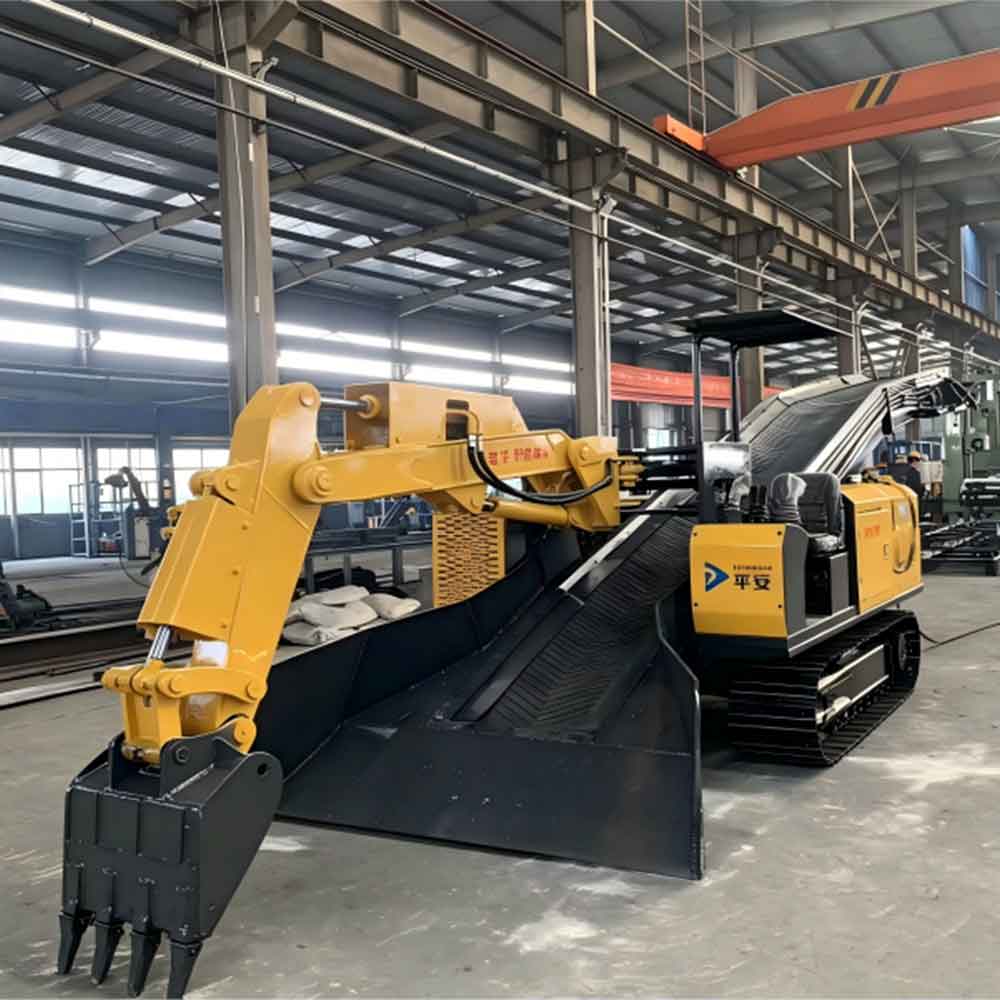
5. Coches lanzadera
- Transportar mineral desde la cara minera a LHD o transportadores
- Eficiente en túneles de longitud media y ciclos de alta frecuencia
Características clave a considerar al seleccionar equipos
- Compatibilidad con el tamaño del túnel«El equipo debe adaptarse a las dimensiones del túnel sin comprometer la maniobrabilidad.
- Carga útil y capacidad -- Elija máquinas que manejen eficientemente el volumen de material requerido.
- Seguridad del operador ñecas cabinas ergonómicas, reducción de vibraciones y sistemas de emergencia son cruciales.
- Durabilidad«Marcos reforzados, sistemas hidráulicos de alta calidad y piezas de desgaste de larga duración.
- Accesibilidad al mantenimiento«Las máquinas fáciles de mantener reducen el tiempo de inactividad.
- Potencial de integración -compatibilidad con transportadores, cargadores y otros equipos.
Estudio de caso: Impulsar la eficiencia en una mina de carbón subterránea
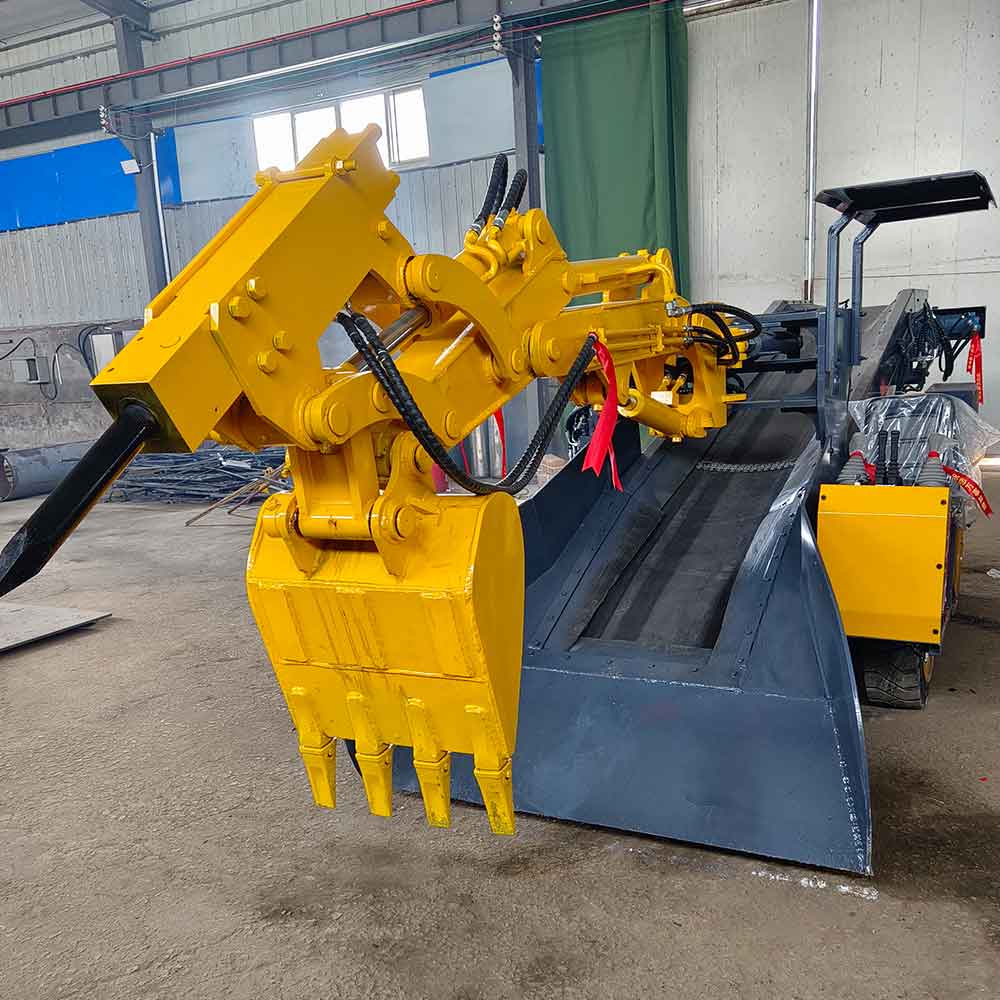
Fondo
Una mina de carbón que producía 1.800 toneladas/día enfrentó cuellos de botella debido a la lentitud en el manejo de materiales y al equipo obsoleto.
Solución
- Se reemplazaron los cargadores obsoletos por LHD de perfil bajo y martillos hidráulicos
- Se implementaron vagones lanzadera integrados con cintas transportadoras para una extracción más rápida
- Operadores capacitados en gestión eficiente del ciclo
Resultados a lo largo de 6 meses
| Métrico | Antes de la actualización | Después de la actualización | Mejora |
|---|---|---|---|
| Transporte diario de mineral (toneladas) | 1,800 | 2,600 | +44% |
| Tiempo del ciclo del cargador (minutos) | 28 | 16 | −43% |
| Tiempo de inactividad por mantenimiento (horas/semana) | 40 | 15 | −62% |
| Incidentes de seguridad por trimestre | 5 | 1 | −80% |
Este ejemplo demuestra cómo implementar los equipos de minería subterránea adecuados puede mejorar la eficiencia, reducir la intensidad de la mano de obra y mejorar la seguridad.
Mejores prácticas operativas
Optimización del flujo de trabajo
- Asigne equipos a tramos de túnel específicos para evitar congestiones
- Monitorear los tiempos de ciclo para identificar cuellos de botella
- Sincronice LHD, camiones y transportadores para un flujo continuo de materiales
Estrategias de mantenimiento
- Controles diarios de hidráulica, neumáticos y componentes de desgaste
- Mantenimiento preventivo programado cada 500–1000 horas de funcionamiento
- Utilice herramientas de monitoreo predictivo de vibración, temperatura y presión
Mejoras de seguridad
- Sensores de proximidad para evitar colisiones
- Sistemas de supresión de polvo integrados en cargadores y camiones
- Formación de operadores y optimización ergonómica
Integración de tecnologías modernas
- Telemática e IoT: Monitoreo en tiempo real del desempeño de los equipos
- Automatización: LHD y camiones semiautomáticos o teledirigidos
- Accesorios hidráulicos: Martillos, taladros o cubos especializados
- Sistemas de control de emisiones: Reducir los costos de ventilación y el impacto ambiental
Para obtener más información sobre la automatización en la minería subterránea, consulte Tecnología minera.
Tabla comparativa: Equipos de Minería Subterránea
| Tipo de equipo | Idoneidad del túnel | Capacidad de carga útil | Velocidad del ciclo | Complejidad del mantenimiento | Características de seguridad |
|---|---|---|---|---|---|
| Cargador LHD | Estrecho | 3-12 tone | Rápido | Medio | Alto |
| Camión subterráneo | Medio | 6-20 tone | Moderado | Medio | Medio |
| Perforación Jumbo | Ancho | N/A | Moderado | Alto | Alto |
| Martillo hidráulico | Medio estrecho | N/A | Rápido | Medio | Alto |
| Coche lanzadera | Medio | 3–8 toneladas | Rápido | Bajo | Medio |
Ejemplo del mundo real: mina de roca dura
Una mina de roca dura integró LHD de perfil bajo y martillos hidráulicos en túneles estrechos. Los operadores recibieron capacitación en optimización de ciclos y protocolos de seguridad.
Resultado:
- El rendimiento diario aumentó en 38%
- Tiempo de inactividad en el manejo de materiales reducido en 50%
- Los incidentes de seguridad disminuyeron en 70%
Conclusión
Seleccionar e implementar adecuadamente los equipos de minería subterránea adecuados es esencial para maximizar la productividad, reducir los costos operativos y mejorar la seguridad en su mina. Al analizar las condiciones del túnel, las características del material y los objetivos de producción, puede elegir equipos que mejoren la eficiencia y al mismo tiempo garanticen la confiabilidad operativa a largo plazo.
Contacte con nuestro equipo en Maquinaria Pingan hoy para una consulta personalizada. Permítanos ayudarle a optimizar su operación minera subterránea con los equipos adecuados y adaptados a sus necesidades.
Preguntas frecuentes
Cuáles son equipos de minería subterránea ¿Para qué se utiliza?
Se utilizan para extraer, transportar y procesar minerales de manera eficiente y segura.
¿Cómo elijo los equipos de minería subterránea adecuados?
Considere el tamaño del túnel, el tipo de material, los objetivos de producción y las capacidades de mantenimiento.
¿Pueden estos equipos operar en túneles estrechos?
Sí, los LHD de perfil bajo y los cargadores compactos están diseñados para espacios subterráneos confinados.
¿Con qué frecuencia se deben mantener los equipos de minería subterránea?
Se recomiendan inspecciones diarias y mantenimiento preventivo cada 500-1000 horas operativas.
¿Los modernos equipos de minería subterránea mejoran la seguridad?
Sí, reducen la mano de obra, incorporan sistemas de protección y mejoran la visibilidad operativa.
¿pueden estos equipos integrarse con transportadores o camiones?
Absolutamente, la integración garantiza un transporte de materiales más rápido y reduce el tiempo de inactividad.