Welcome to My Blog!
Before we dive into the content, if you’re interested in our products or have any questions, please feel free to visit our Contact Us page on the website. Our team is ready to assist you with inquiries, orders, or any support you may need.
Now, let’s get started on our journey together. I hope you find the content here insightful, engaging, and valuable.
Table of Contents
Introduction
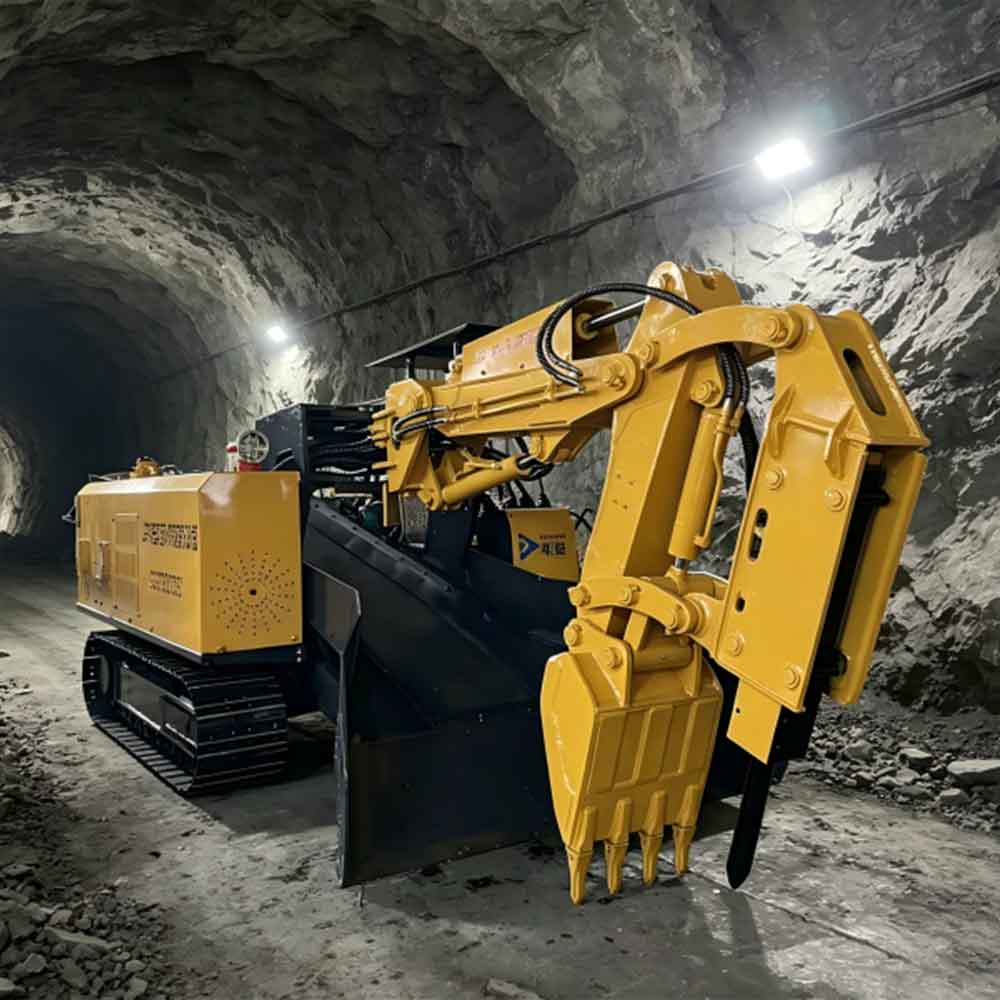
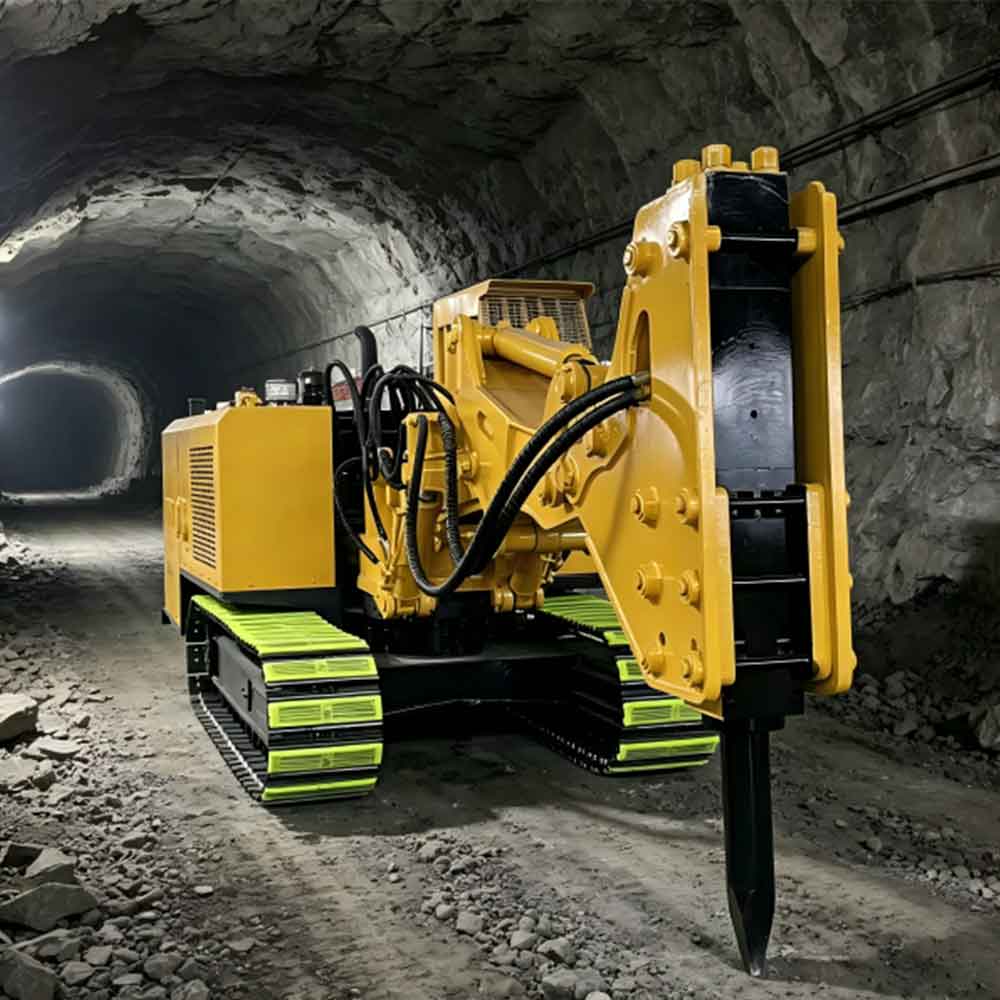
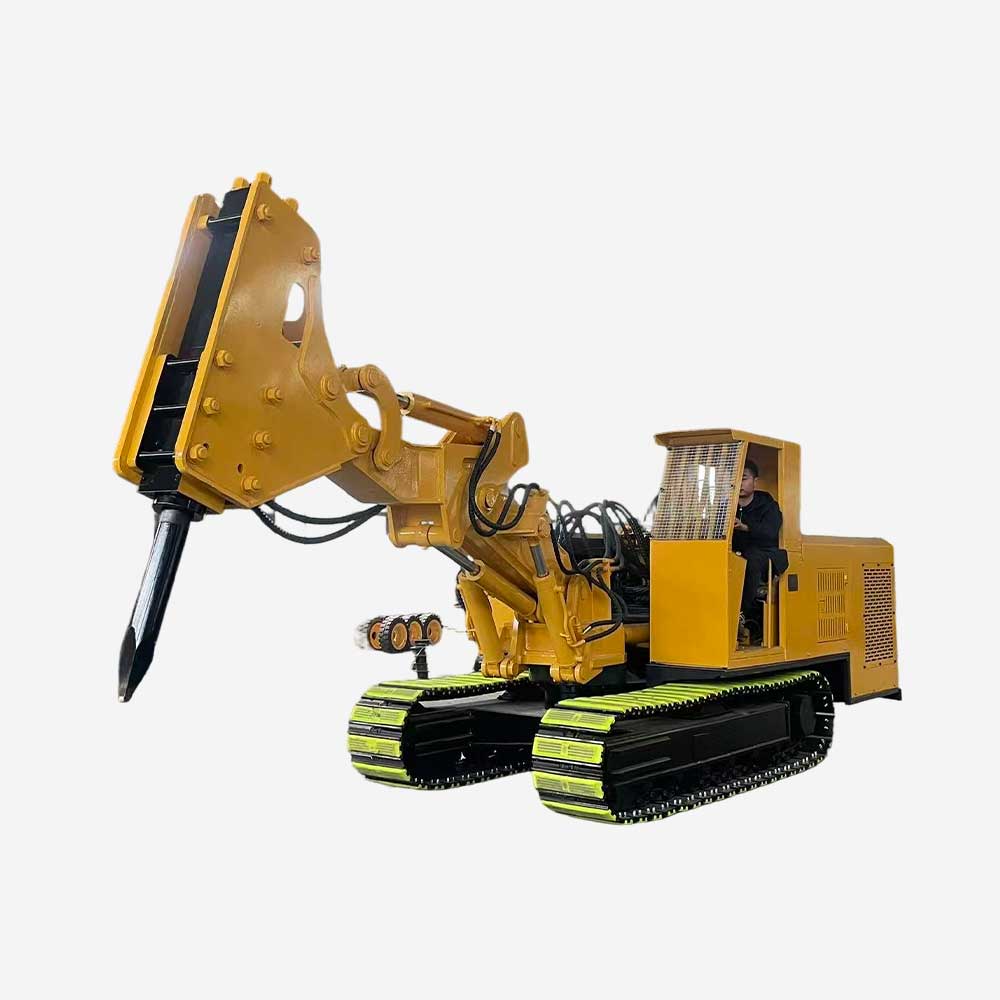
A breaker hydraulic is a specialized tool that uses hydraulic energy to deliver high-impact force to break concrete, rock, or asphalt. Unlike mechanical breakers, hydraulic breakers rely on pressurized fluid to drive a piston that delivers powerful blows, making them more efficient and easier to control. If your operation involves demolition, mining, or road construction, a hydraulic breaker mounted on an excavator, backhoe, or loader can significantly enhance productivity and reduce labor intensity.
How a Breaker Hydraulic Works
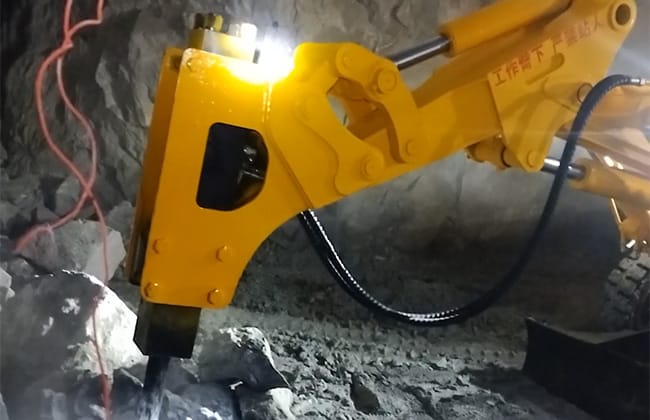
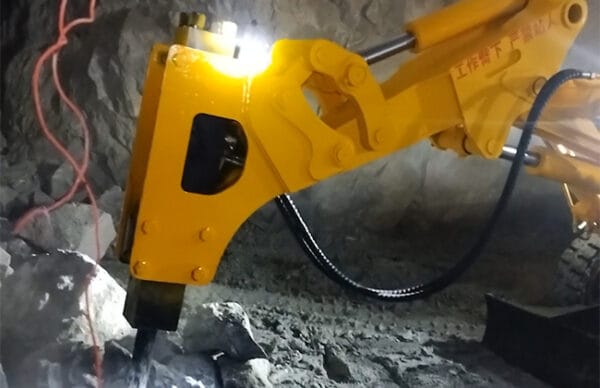
The operation of a hydraulic breaker is based on hydraulic pressure. Pressurized fluid flows through a cylinder to move a piston back and forth at high speed. This piston strikes a tool bit, delivering repeated blows to the target material. The energy transfer is highly efficient, and the impact can be adjusted depending on the type of material and the job requirements.
Hydraulic breakers integrate seamlessly with carrier machines like excavators or backhoes. The machine’s hydraulic system powers the breaker, allowing operators to control the intensity and speed of the impact. According to engineering studies on construction equipment, this integration significantly improves both precision and efficiency.
Types of Breaker Hydraulic
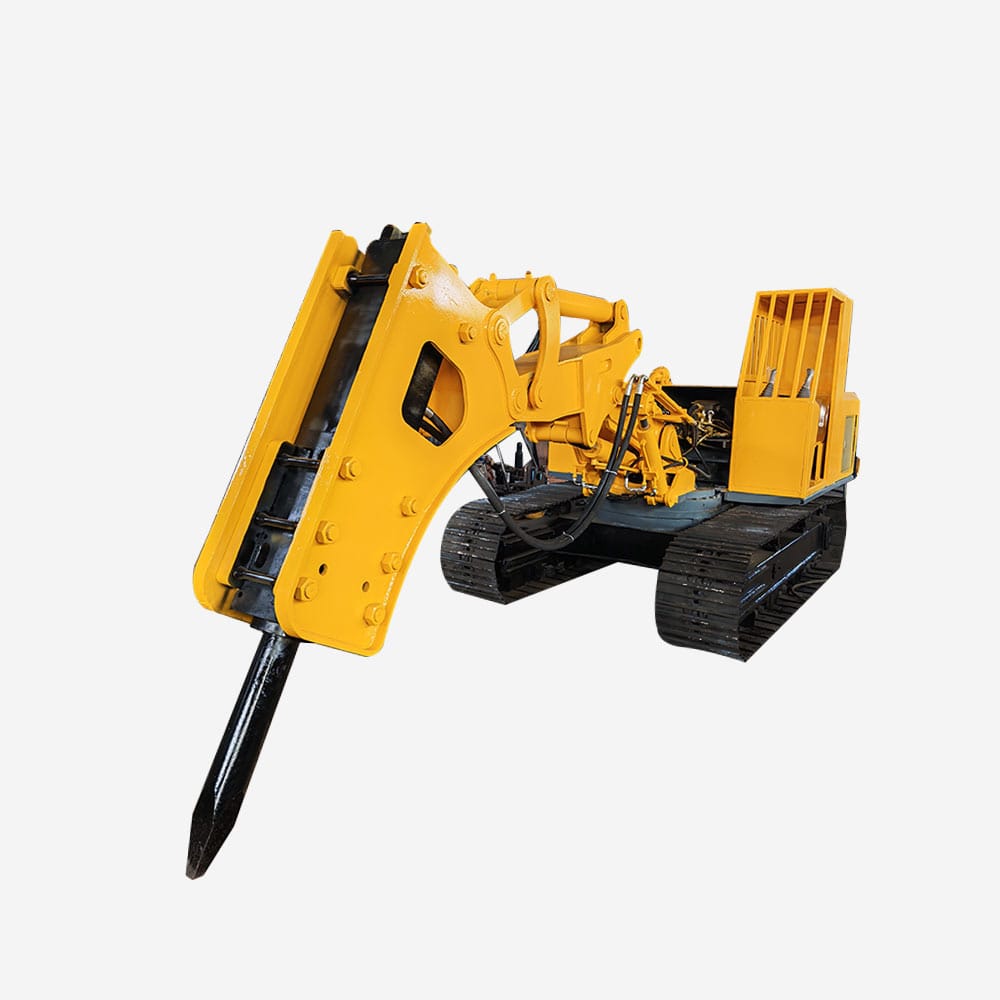
There are several types of hydraulic breakers designed for different applications:
- Standard Breaker Hydraulic: Suitable for general demolition and construction tasks.
- Compact Breaker Hydraulic: Designed for small machines and tight working spaces.
- High-Power Breaker Hydraulic: Delivers maximum impact energy for heavy-duty demolition and rock breaking.
- Adjustable or CNC-Controlled Breakers: Allow precision control for specialized operations where consistent force is critical.
Key Benefits of Using Breaker Hydraulic
Using a hydraulic breaker provides multiple advantages for industrial operations:
- Increased Efficiency: Mechanized breaking is faster than manual or non-hydraulic methods, reducing project timelines.
- Versatility: Can handle various materials including concrete, asphalt, and rock.
- Enhanced Safety: Reduces physical strain on workers and allows safer operations in hazardous conditions.
- Precision Control: Adjustable impact energy minimizes damage to surrounding structures and improves quality.
Research from construction machinery performance reviews shows that hydraulic breakers can reduce manual labor by up to 40% while increasing overall throughput in demolition tasks.
Safety Features and Considerations
Hydraulic breakers are engineered with multiple safety features:
- Reinforced operator cabins and attachment points reduce the risk of injury.
- Anti-vibration and noise-reduction systems improve operator comfort and long-term health.
- Pressure control and emergency stop mechanisms prevent overloading and accidents.
- Following site-specific safety protocols ensures that operations remain compliant and safe.
Maintenance and Reliability
Reliability is crucial for hydraulic breakers, as equipment downtime can disrupt entire operations. Routine maintenance includes inspecting hydraulic hoses, fittings, pistons, and tool bits. Lubrication and preventive maintenance schedules extend equipment life, while modular components allow for faster part replacement. Field studies indicate that preventive maintenance can reduce unplanned downtime by over 20% compared to reactive servicing.
Applications of Breaker Hydraulic
Breaker hydraulics are widely used in:
- Demolition of concrete structures
- Mining and quarry operations
- Road construction and asphalt breaking
- Tunnel and underground construction
Their adaptability makes them suitable for projects requiring both precision and heavy-duty performance.
Choosing the Right Breaker Hydraulic
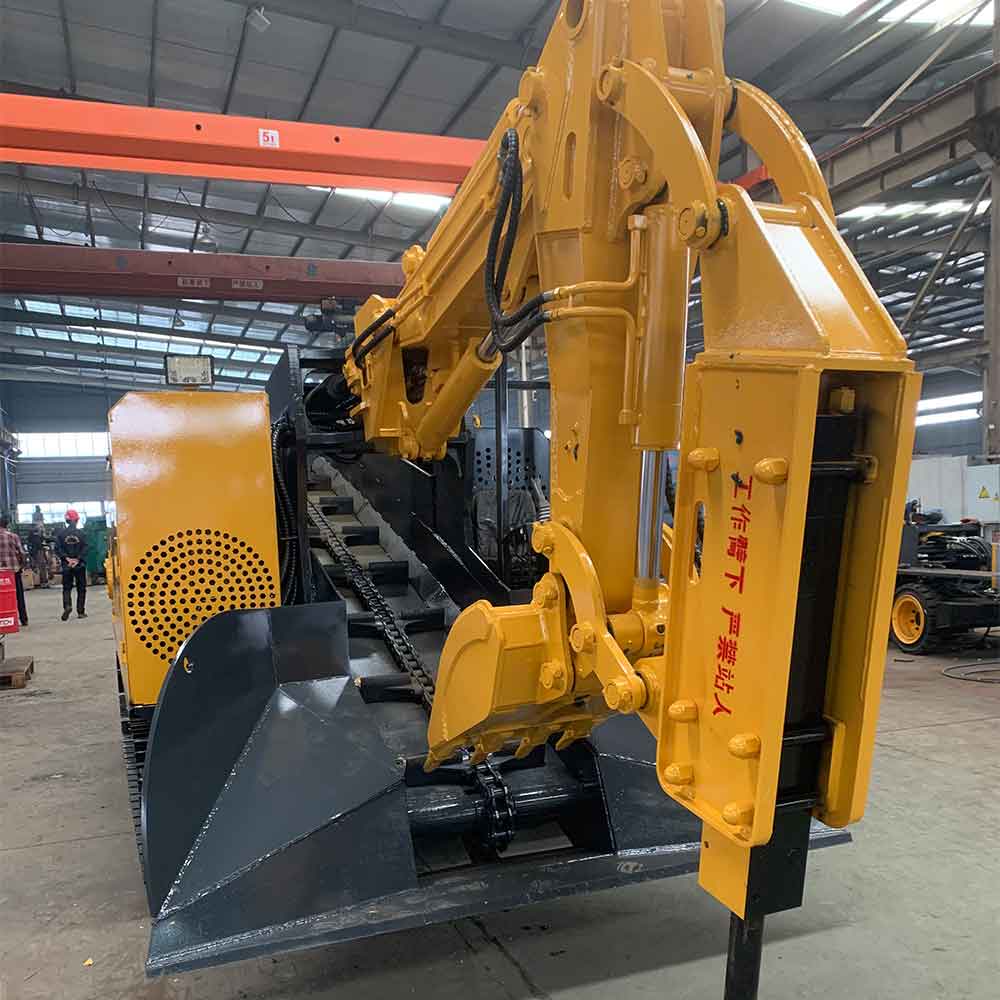
Selecting the proper hydraulic breaker depends on several factors:
- Machine Compatibility: Ensure your excavator, backhoe, or loader can provide adequate hydraulic flow and pressure.
- Material Type: Concrete, asphalt, and rock have different hardness and density, affecting breaker selection.
- Impact Energy Requirement: Compact units are ideal for light-duty work, while high-power units handle heavy tasks.
- Consulting Experts: Experienced suppliers can assess your operational needs and recommend suitable models, improving efficiency and longevity.
Comparison Table of Breaker Hydraulic Models
| Model Type | Impact Energy | Recommended Carrier | Ideal Application | Key Strengths |
|---|---|---|---|---|
| Standard Breaker Hydraulic | Medium | Excavator/Backhoe | General demolition | Balanced performance and versatility |
| Compact Breaker Hydraulic | Low to Medium | Small Excavators | Tight spaces, small-scale tasks | High maneuverability, easy installation |
| High-Power Breaker Hydraulic | High | Large Excavators | Heavy-duty demolition, rock breaking | Maximum impact energy, high efficiency |
| Adjustable/CNC Breaker Hydraulic | Medium to High | Excavator/Loader | Precision tasks | Adjustable force, consistent performance |
Conclusion
A breaker hydraulic is an essential tool for modern construction and mining operations. Its efficiency, versatility, safety, and precision make it a valuable asset for any project involving demolition, excavation, or underground work. By choosing the right model and maintaining it properly, you can enhance productivity, reduce downtime, and achieve consistent results.
If you are considering upgrading your equipment or selecting a hydraulic breaker for your operation, our experts are ready to help. Contact us today for a personalized consultation and ensure your equipment delivers maximum performance, safety, and reliability. Don’t wait—reach out now to optimize your project outcomes!
FAQ
What is the difference between a hydraulic and mechanical breaker?
Hydraulic breakers use pressurized fluid to generate impact, offering more control and efficiency. Mechanical breakers rely on mechanical force and are less adaptable to varied conditions.
Can a breaker hydraulic be used in tight spaces?
Yes. Compact models are specifically designed to operate in confined areas where larger units cannot fit.
How often should a hydraulic breaker be maintained?
Regular inspection and preventive maintenance are recommended based on operating hours and manufacturer guidelines to ensure long-term reliability.
Where can I get a professional consultation for selecting a hydraulic breaker?
Equipment suppliers and technical experts can assess your operation, recommend suitable models, and provide installation and maintenance guidance.