Table of Contents
Introduction
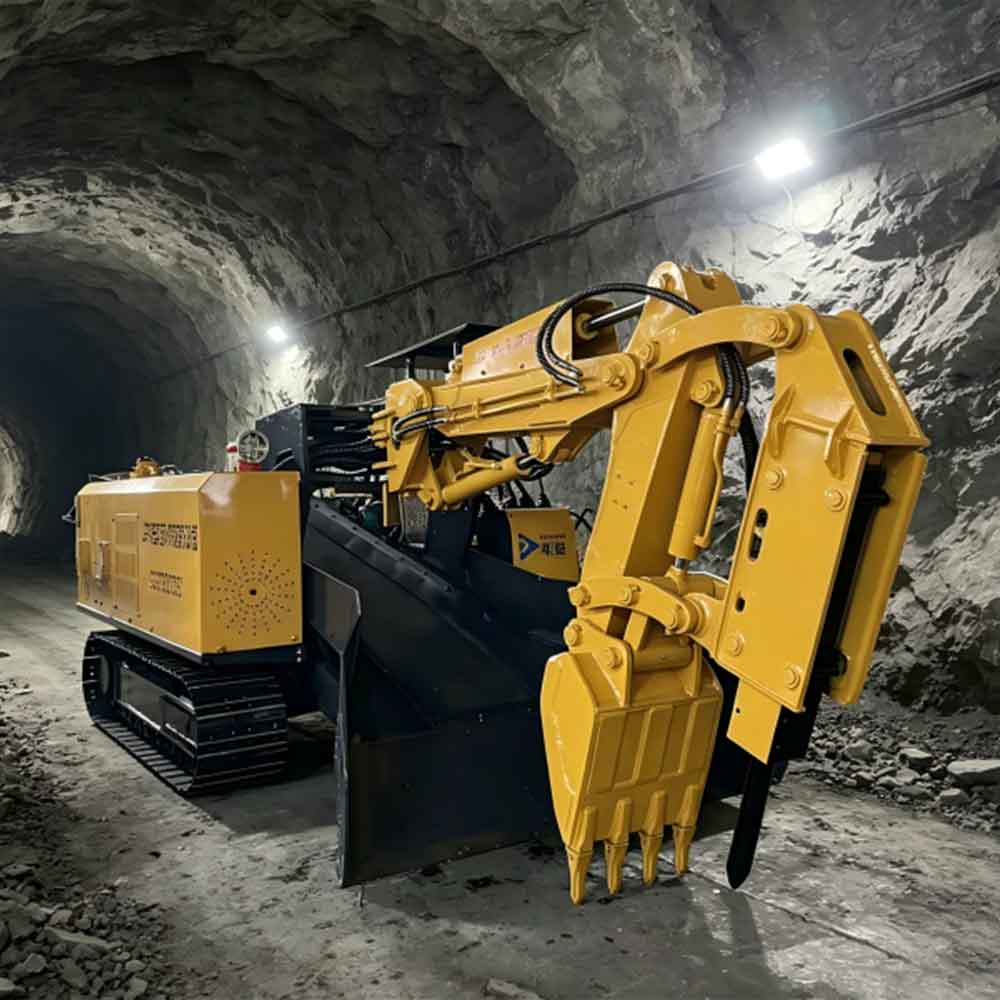
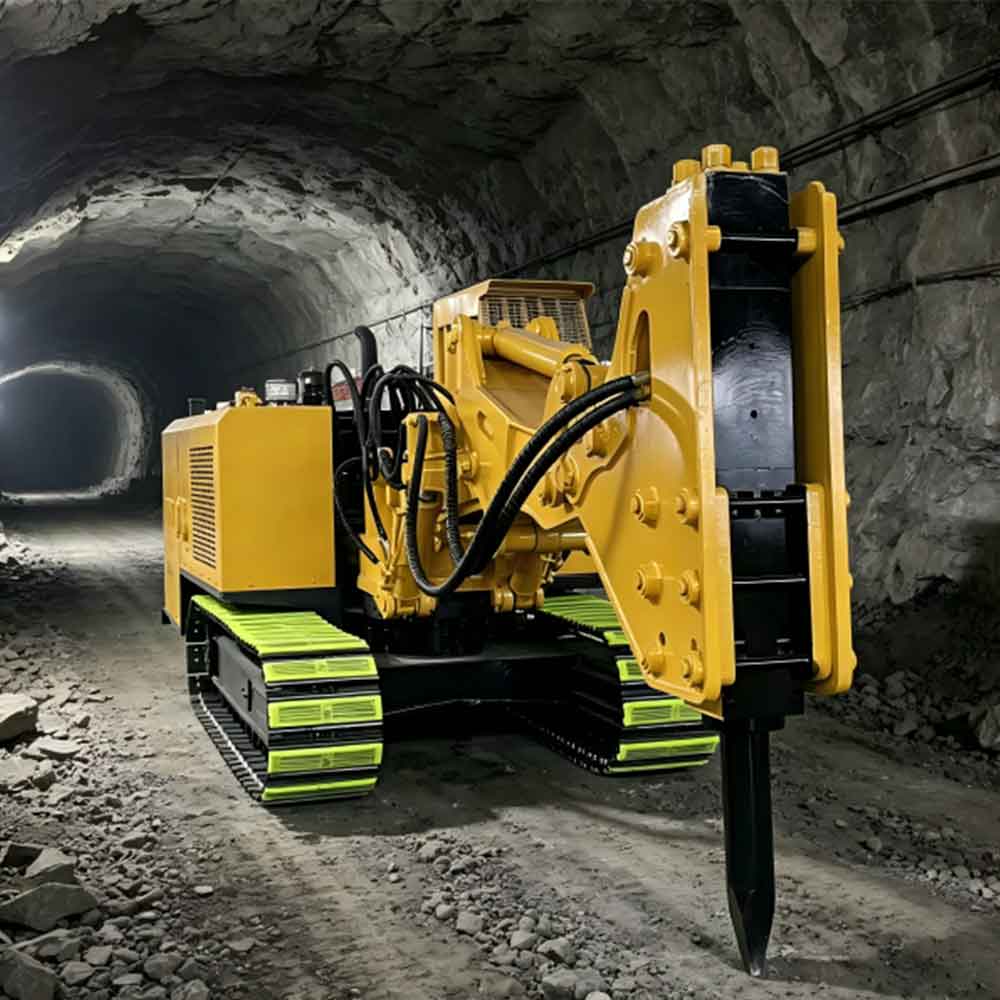
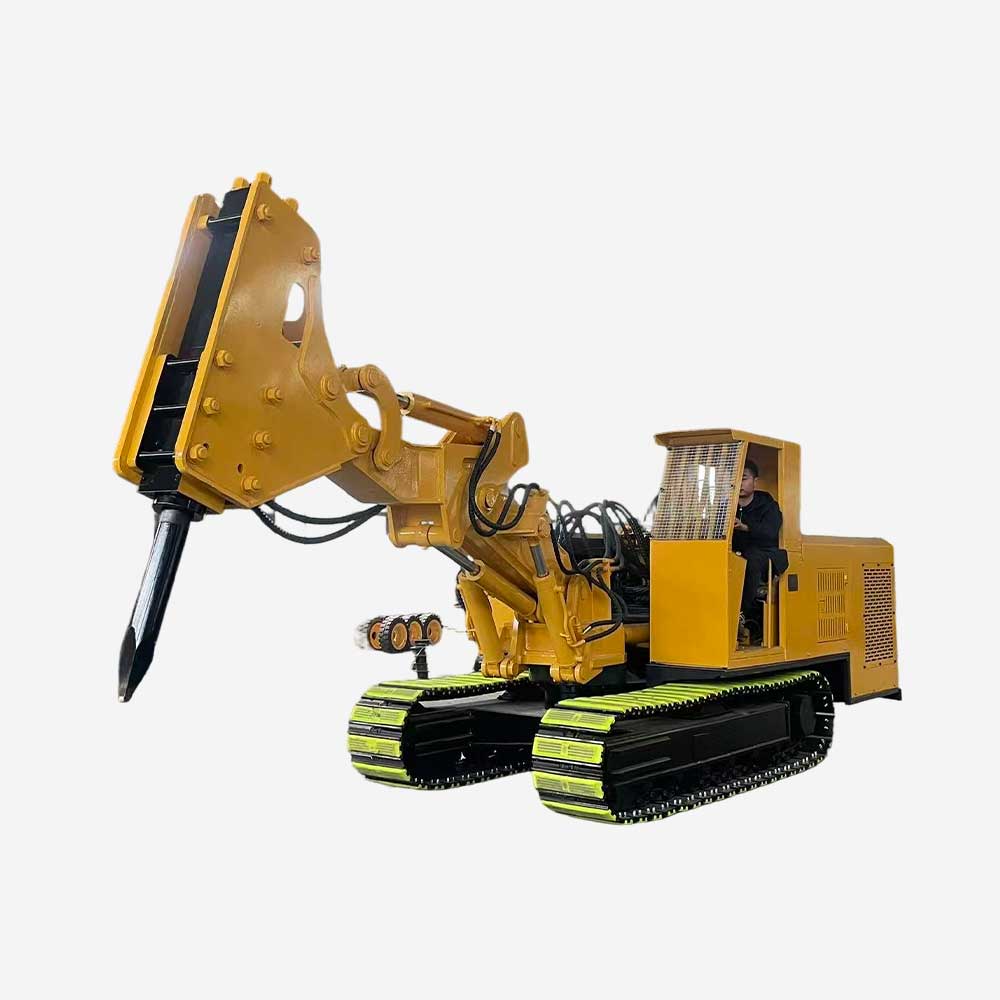
Hydraulic hammers are essential attachments for backhoes, enabling powerful and precise breaking of concrete, asphalt, and rock. Unlike standard digging tools, hydraulic hammers deliver high impact energy to reduce material size quickly and efficiently. For operators working in construction, demolition, or mining projects, these hammers enhance productivity, improve safety, and extend the operational capacity of the backhoe. Industry research on construction site efficiency shows that integrating hydraulic hammer for backhoes can increase material handling speed by 20 to 30 percent compared to manual demolition methods.
Types of Hydraulic Hammer for Backhoes
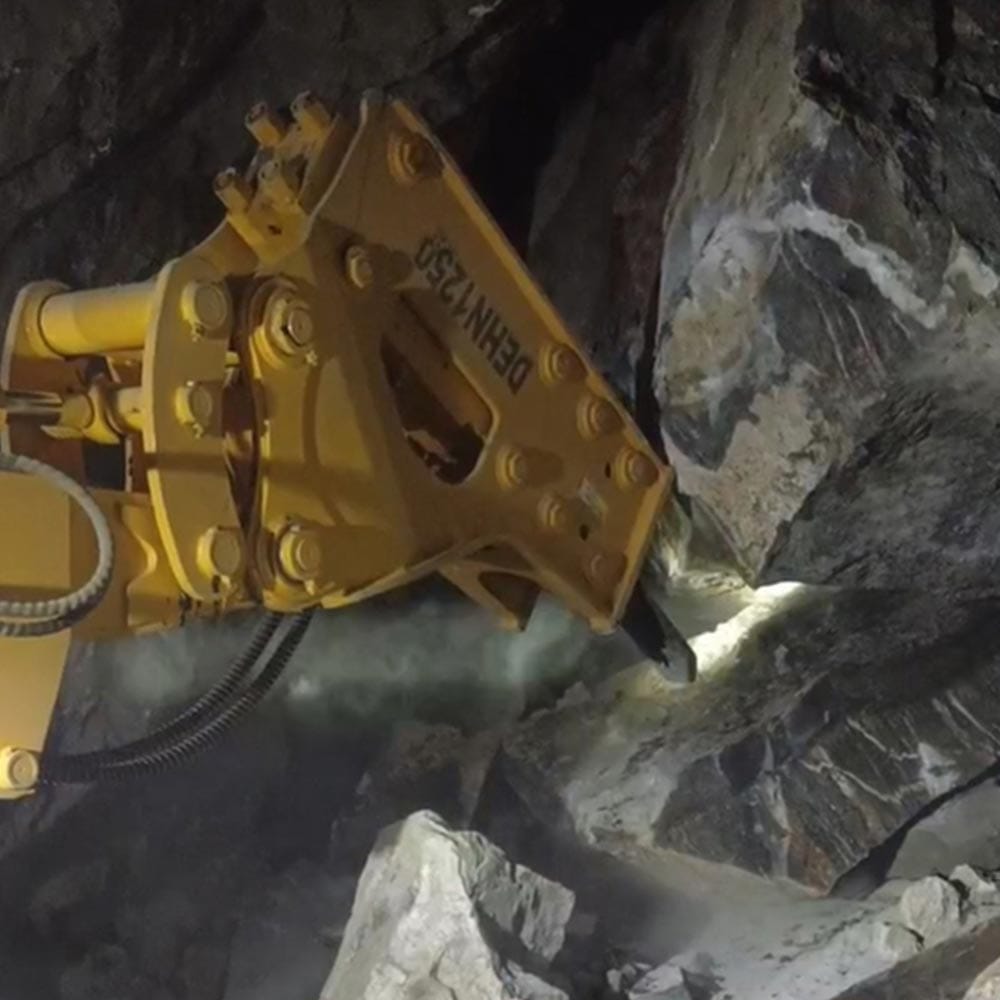
Hydraulic hammers come in various types, designed to suit different project requirements:
- Light-duty hydraulic hammers: Ideal for small-scale demolition or softer materials, such as asphalt or brick.
- Heavy-duty hydraulic hammers: Built for breaking tough rock, concrete slabs, and large-scale construction projects.
- Quick-coupling hammers: Allow fast attachment and detachment, enabling a backhoe to switch between multiple tasks without extensive downtime.
Selecting the correct type ensures efficiency while reducing wear on the backhoe and minimizing project delays.
Increased Efficiency and Productivity
Using a hydraulic hammer with a backhoe significantly improves workflow in several ways:
- Fast demolition cycles reduce project timelines.
- Less manual labor is required, allowing crews to focus on other tasks.
- Compact designs can operate in urban construction sites or tight spaces.
- Integration with the backhoe’s standard functions enables multi-tasking, such as simultaneous excavation and breaking.
According to performance evaluations from construction equipment studies, projects using hydraulic hammer for backhoes report up to a 25% reduction in total demolition time.
Safety Benefits of Using Hydraulic Hammers
Safety is a major advantage of using hydraulic hammers instead of manual tools:
- Operator vibration is reduced, minimizing fatigue and injury risk.
- Built-in hydraulic control systems provide stable, controlled operation even on uneven surfaces.
- Emergency stop mechanisms and robust frame designs protect both operators and equipment.
- Reduced need for manual labor lowers the likelihood of accidents in confined or crowded sites.
A review of site safety reports indicates that machinery-assisted demolition lowers incident rates by approximately 30% compared to manual operations.
Cost and Operational Advantages
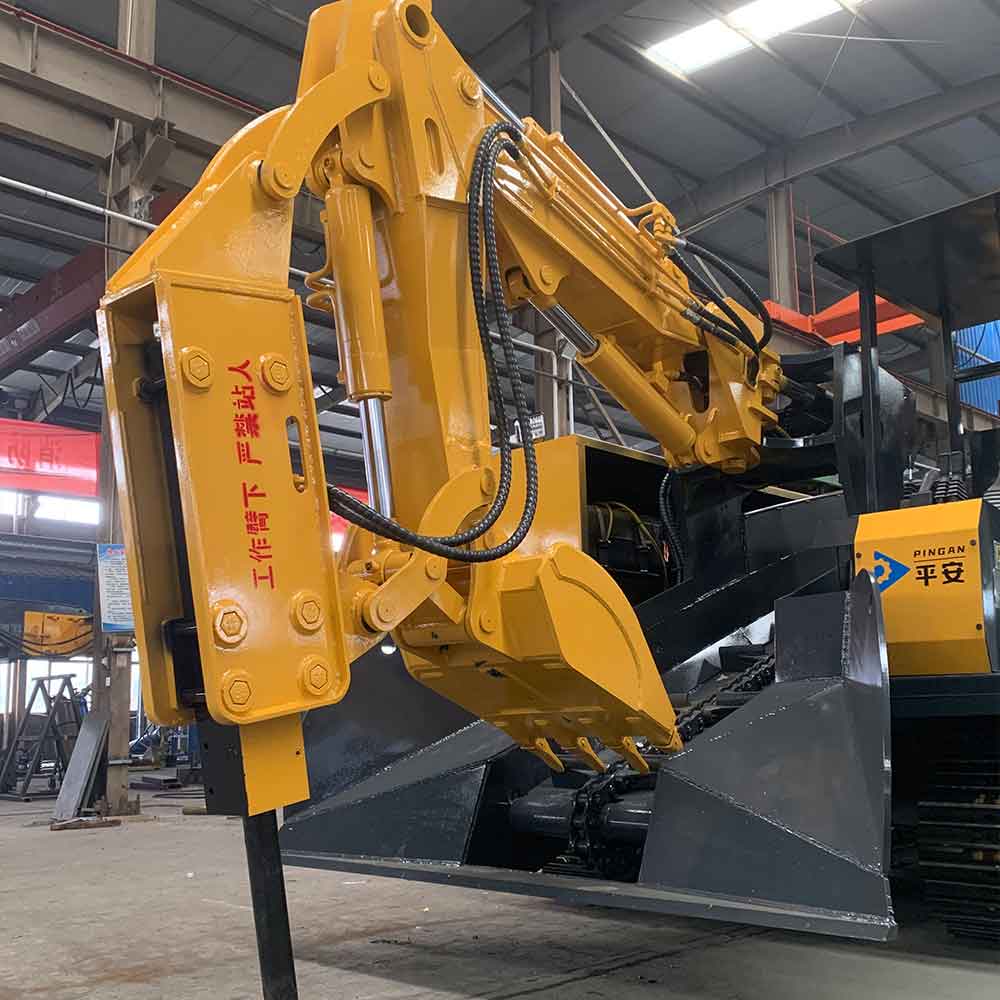
Investing in a hydraulic hammer for your backhoe can have significant financial benefits:
- Faster project completion reduces labor and equipment rental costs.
- Reduced wear on the backhoe’s main components extends equipment lifespan.
- Reliable performance minimizes downtime, preventing costly delays.
- Over time, higher efficiency and reduced manpower contribute to a positive return on investment.
Operators who incorporate hydraulic hammers report fewer interruptions due to tool failure, which translates into smoother project execution.
Maintenance and Longevity
To maintain peak performance, hydraulic hammers require routine inspection and proper care:
- Check hydraulic fluid levels and monitor for leaks regularly.
- Inspect the tool bit, retaining pins, and hoses to prevent failures.
- Replace worn or damaged parts promptly to avoid secondary equipment damage.
- Follow manufacturer-recommended maintenance schedules for long-term durability.
Data from construction machinery reports indicate that well-maintained hydraulic hammers can operate efficiently for 10 to 15 years with minimal major repairs.
Applications in Construction and Demolition
Hydraulic hammers are versatile tools for backhoe operators in multiple scenarios:
- Breaking concrete, asphalt, or rocks for roadwork and urban construction.
- Trenching and excavation in limited space or tight urban areas.
- Renovation projects that require selective demolition without damaging surrounding structures.
- Quarrying and mining operations where controlled rock breaking is necessary.
This versatility makes hydraulic hammers a critical attachment for any backhoe fleet.
Choosing the Right Hydraulic Hammer
Selecting the correct hydraulic hammer involves considering multiple factors:
- Backhoe size and hydraulic flow capacity.
- Material hardness and thickness.
- Project scale, frequency of use, and operational constraints.
- Quick-coupling or permanent attachment depending on task flexibility.
Consulting experienced suppliers ensures you choose a hammer that balances performance, safety, and cost efficiency for your operations.
Table: Comparison of Hydraulic Hammer for Backhoes
| Hammer Type | Recommended Backhoe Size | Material Hardness | Key Strengths | Ideal Application |
|---|---|---|---|---|
| Light-Duty Hammer | Small to Medium | Soft materials | Fast operation, lightweight | Asphalt, brick, minor demolition |
| Heavy-Duty Hammer | Medium to Large | Hard rock, concrete | High impact energy, durable | Large construction and quarrying |
| Quick-Coupling Hammer | Small to Large | Variable | Fast attachment, versatile | Multi-tasking and urban sites |
Conclusion
Hydraulic hammer for backhoes are indispensable tools that enhance efficiency, safety, and productivity across construction, demolition, and mining projects. Choosing the right hammer type, maintaining it properly, and understanding its applications ensures your backhoe operations run smoothly and cost-effectively.
Evaluate your project requirements, backhoe specifications, and material types, and consult with experienced equipment providers to select the optimal hydraulic hammer. Investing in the right attachment today ensures safer, faster, and more profitable operations tomorrow. For expert guidance and customized solutions, contact us today to optimize your backhoe’s performance and maximize project efficiency.
FAQ
Why use a hydraulic hammer instead of manual tools?
Hydraulic hammers deliver high impact energy quickly, reduce manual labor, and increase overall project efficiency.
Can one hydraulic hammer for backhoe models?
Yes, but it depends on hydraulic flow compatibility, weight limits, and coupling mechanisms. Consulting suppliers ensures proper fit.
How often should I maintain my hydraulic hammer?
Routine inspections are recommended weekly or monthly depending on usage, with parts replaced as needed per manufacturer guidelines.
Are hydraulic hammers safe for urban or tight spaces?
Yes, their compact design and controlled operation allow safe use in confined areas with minimal disruption.
Need Help Choosing the Right Hydraulic Hammer for Backhoe?
If you’re unsure which hydraulic hammer for backhoe’s size or project requirements, our experts are here to help. Contact us today for a personalized consultation, and ensure your backhoe operates safely, efficiently, and reliably. Don’t wait—get in touch now to maximize your project productivity and protect your team!