Table of Contents
Introduction
Underground mining operations present unique challenges, especially when working in confined tunnels and low-ceiling environments. Loaders play a critical role in moving excavated material efficiently and safely. Among the most commonly used machines are mucking loaders and rock loaders, each designed for specific tasks and operational conditions. Understanding the differences between them is essential for mining managers and engineers seeking to optimize productivity, reduce downtime, and maintain safety standards.
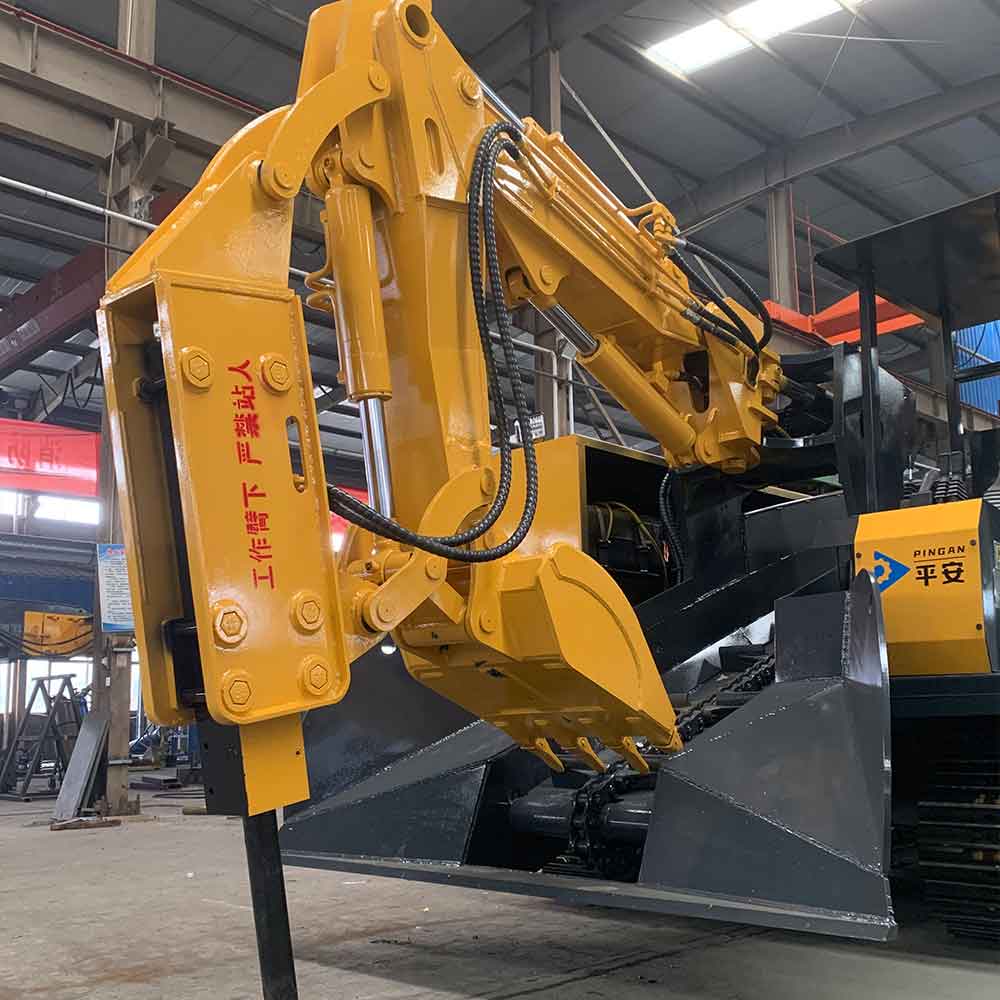
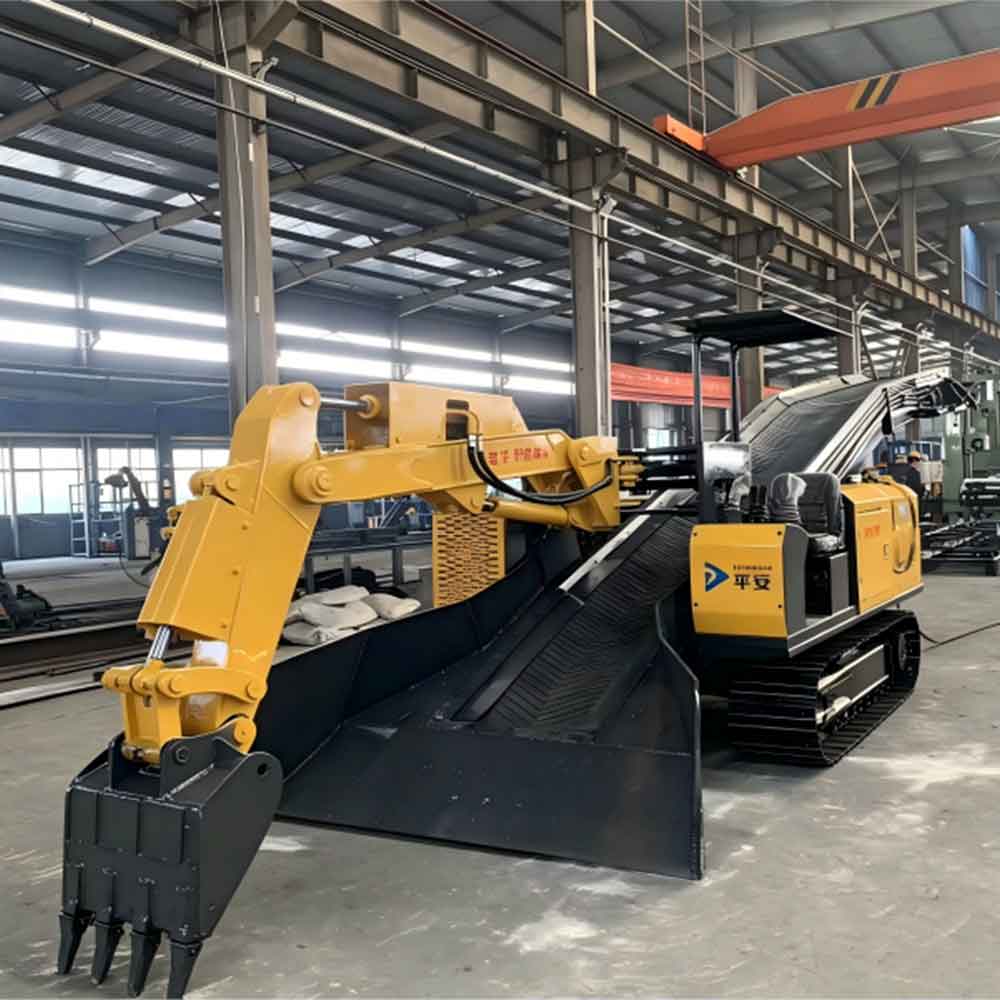
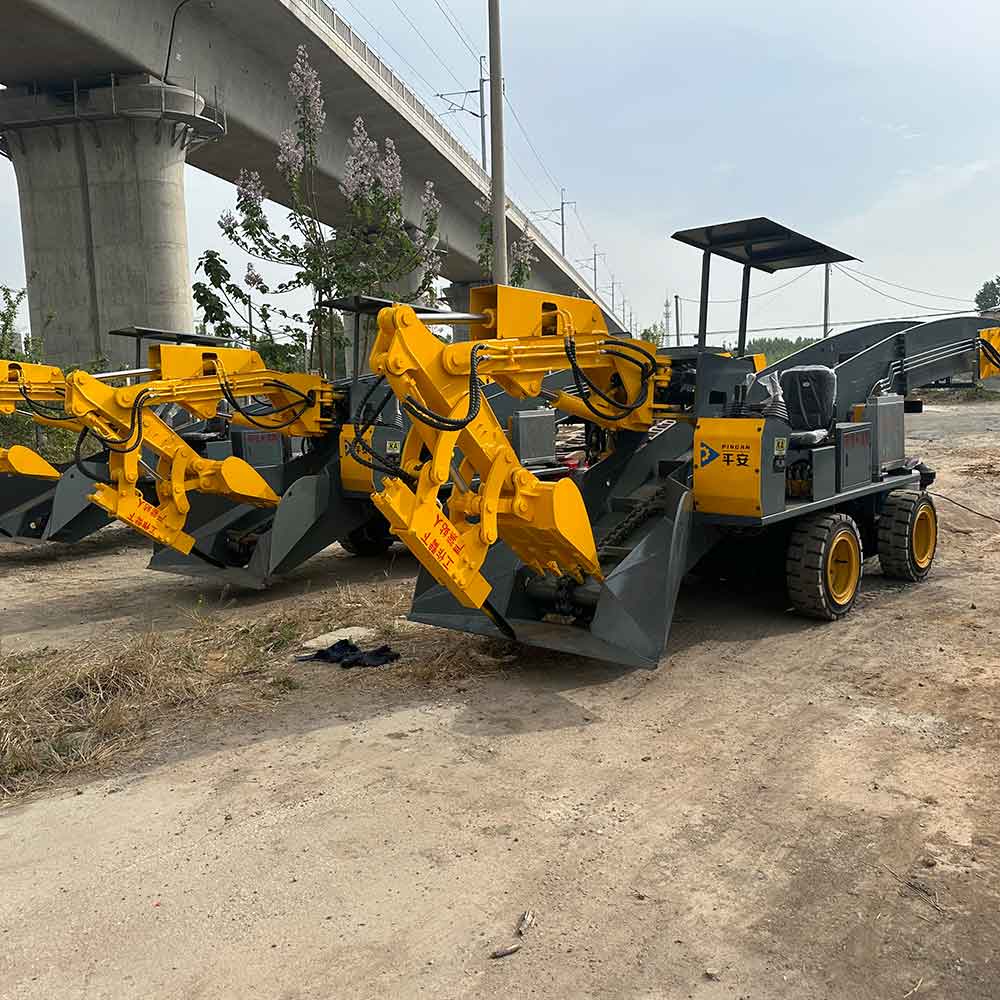
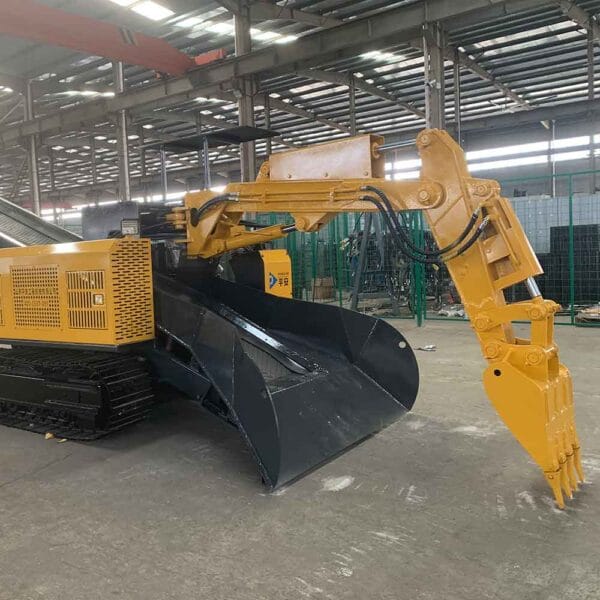
A mucking loader is primarily designed to remove broken rock or ore from a mine face and transport it to a haulage system. Its compact size and low-profile design make it ideal for narrow coal seams or tunnels where larger machinery cannot operate. In contrast, a rock loader is built for handling heavier, denser material, often in slightly wider or more open sections of underground mines. Both machines are indispensable, but their applications, efficiencies, and design considerations differ significantly.
Key Functional Differences
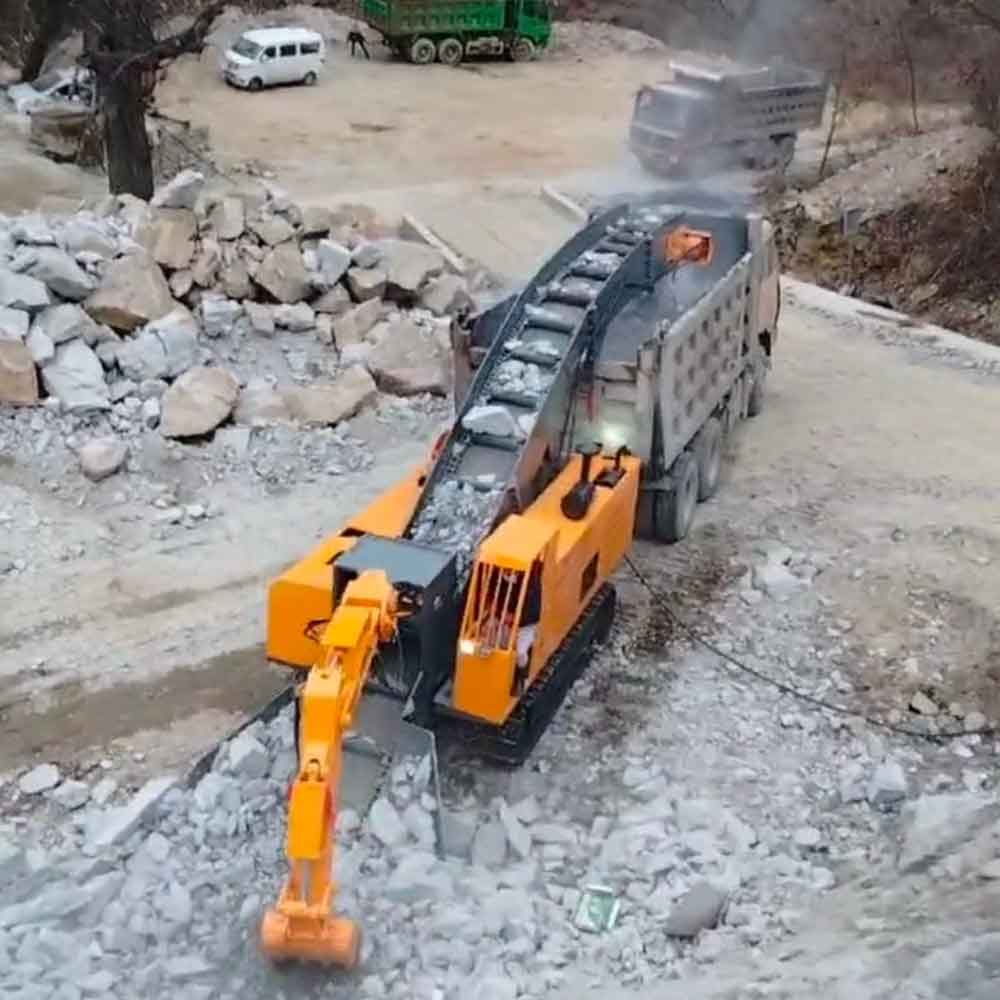
The core difference between a mucking loader and a rock loader lies in their primary function and operational environment. Mucking loaders excel in tight spaces, capable of loading fragmented material from narrow seams quickly. According to an underground mining equipment market report, compact loaders can reduce cycle times by up to 20% compared to standard loaders in restricted tunnels.
Rock loaders, while often larger, are optimized for moving heavier material over slightly larger spans. They typically offer higher payload capacities but require more maneuvering space. Choosing between the two depends on the mine’s tunnel width, seam thickness, and material type.
Design and Structure Comparison
Mucking loaders feature a low-profile frame and short turning radius, allowing them to navigate narrow tunnels with ease. Their design emphasizes safety and ergonomics, minimizing the risk of collision in confined spaces. Rock loaders, by contrast, have a more robust frame and larger bucket size, enabling them to handle denser rock efficiently but limiting their usability in extremely narrow spaces.
Design differences also impact stability and operator visibility. Mucking loaders often incorporate reinforced cabins and automated safety features, whereas rock loaders prioritize structural durability and load handling.
Power and Drive Systems
Both types of loaders can be powered by diesel or electricity, but the choice significantly affects operational efficiency in underground mining. Electric loaders are preferred in confined spaces because they produce no exhaust emissions, reducing ventilation requirements and improving air quality. Diesel-powered machines may offer higher torque and longer operational hours but require careful management of ventilation to meet safety standards.
Safety Features and Operational Risks
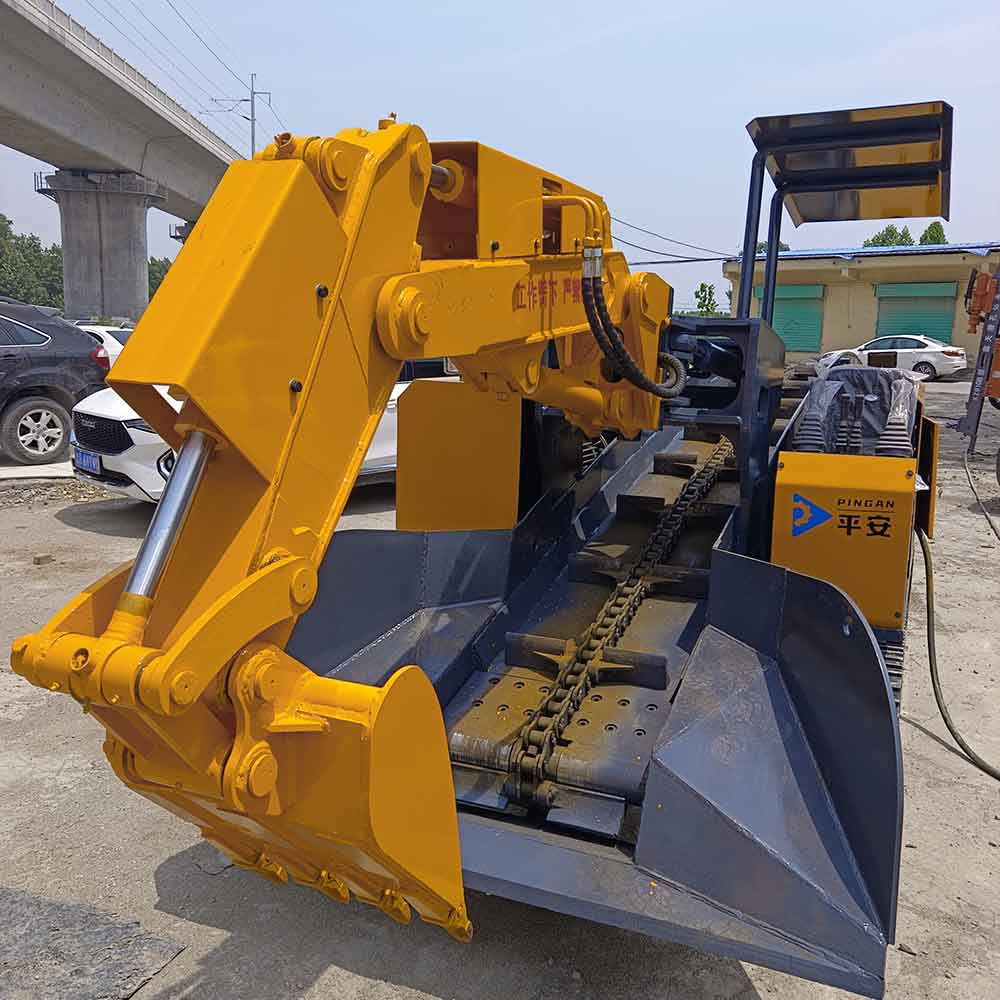
Safety remains a top priority in underground mining. Narrow tunnels increase risks such as roof collapses, collisions, and restricted escape routes. Mucking loaders incorporate low-profile designs, automated monitoring, and collision avoidance systems, significantly reducing accident rates. Rock loaders, while generally used in wider tunnels, also include stability controls, ergonomic cabins, and emergency stop features to protect operators.
According to mining safety data, implementing advanced underground loaders can reduce incidents by approximately 30%, especially when combined with operator training and predictive maintenance.
Maintenance and Lifecycle Considerations
Maintenance in underground environments is challenging due to restricted access and complex machinery. Mucking loaders benefit from modular components, allowing for easier replacement of wear parts and routine servicing. Rock loaders, with heavier frames, require more extensive maintenance procedures, including periodic checks on hydraulics and structural integrity.
Predictive maintenance using sensors and real-time monitoring is becoming standard. Studies suggest that predictive systems can reduce unplanned downtime by 20–30%, extending machinery life and ensuring consistent operational efficiency.
Customization and Modular Options
Each mine has unique spatial constraints and geological conditions. Modular and custom-designed mucking loaders allow operators to adapt equipment to narrow seams or specific mine layouts. Rock loaders can also be customized with reinforced buckets or additional traction for heavier materials. Customization ensures that the machinery is perfectly suited for the mine environment, enhancing productivity and minimizing safety risks.
Efficiency and Productivity Impacts
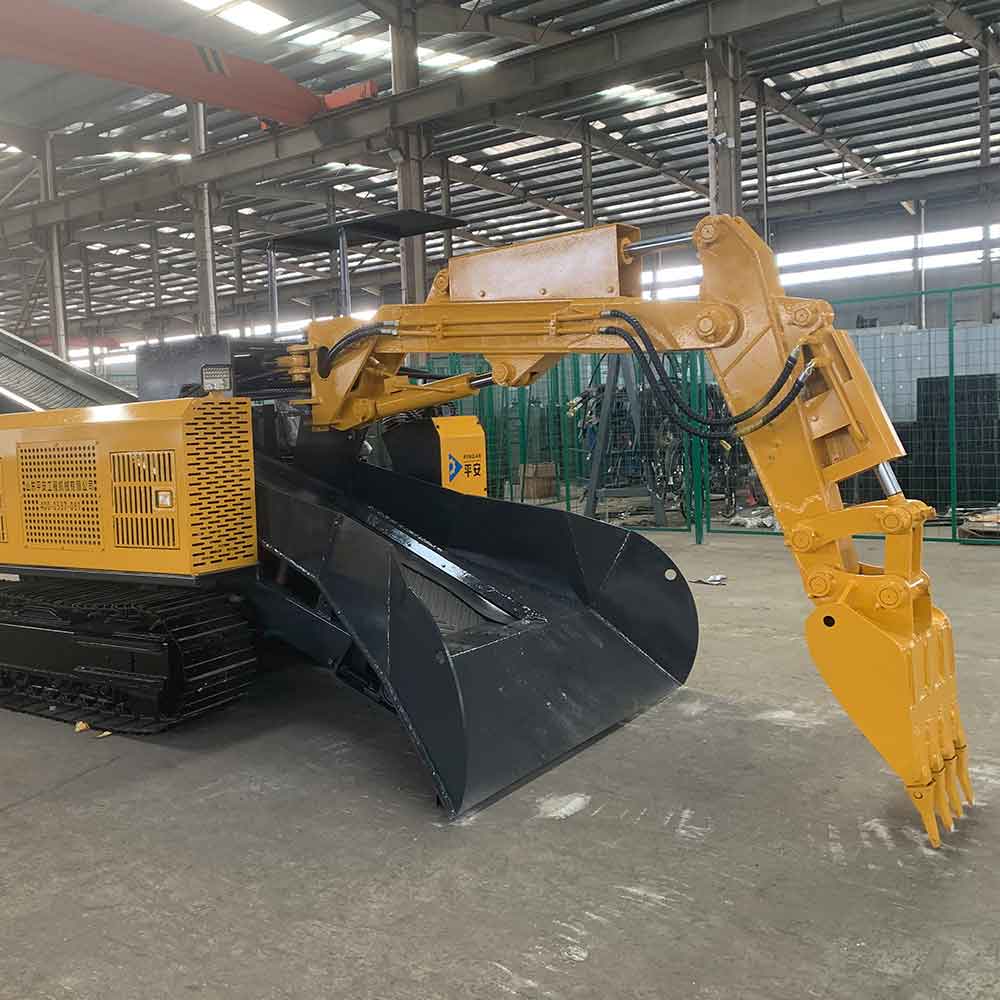
Properly selected loaders improve productivity in confined mining operations. Mucking loaders maximize loading cycles in tight tunnels, while rock loaders handle bulk material efficiently in wider spans. Integration with automated hauling systems further enhances material transport and reduces manual labor. Case studies from mining operations indicate that optimized loader deployment can increase overall underground transport efficiency by 15–25%, depending on seam geometry and machine selection.
Choosing the Right Loader for Your Mine
Selecting the appropriate loader depends on multiple factors:
- Tunnel width and seam thickness
- Type and density of the material
- Desired cycle times and productivity targets
- Power source preferences (electric vs diesel)
- Customization requirements for unique mine conditions
By carefully evaluating these factors, mining operators can ensure that they deploy the right loader, balancing efficiency, safety, and cost-effectiveness.
Comparison Table: Mucking Loader vs Rock Loader
| Feature | Mucking Loader | Rock Loader | Benefit |
|---|---|---|---|
| Primary Function | Transport broken rock or coal from mine face | Move heavier rock/ore in wider tunnels | Ensures correct machinery for material type |
| Profile & Maneuverability | Low-profile, narrow turning radius | Higher profile, less maneuverable in tight spaces | Maximizes efficiency in confined areas |
| Payload Capacity | Moderate, optimized for fragmented material | Higher, designed for dense rock | Matches machine to material weight |
| Power Options | Electric & diesel | Electric & diesel | Flexibility for ventilation and energy efficiency |
| Safety Features | Collision avoidance, reinforced cabin | Stability control, ergonomic cabin | Reduces accident risk |
| Maintenance | Modular design, easy access for parts | Extensive hydraulic and structural maintenance | Reduces downtime and lifecycle costs |
| Operational Environment | Narrow seams, confined spaces | Wider tunnels, heavier loads | Appropriate placement improves productivity |
| Automation & Monitoring | Remote control & predictive maintenance | Remote control possible for heavier systems | Enhances safety and efficiency |
Conclusion
Understanding the differences between mucking loaders and rock loaders is crucial for efficient underground mining operations. Each machine serves a distinct purpose, and selecting the right loader for your mine ensures safety, productivity, and long-term operational efficiency. Modern underground loaders with low-profile designs, predictive maintenance, and automation capabilities can transform confined space mining, reducing downtime and improving energy efficiency.
Assess your mine layout and material type, then consult with experienced mining equipment providers to select the optimal loader for your operation. Investing in the right machinery today can significantly enhance safety, productivity, and long-term profitability. If you need expert guidance, contact us anytime for a tailored solution.
FAQ
What is the main difference between a mucking loader and a rock loader?
A mucking loader is designed for tight spaces and moderate payloads, while a rock loader handles heavier material in wider underground tunnels.
Are electric mucking loaders better than diesel?
Electric loaders reduce exhaust emissions and ventilation needs, making them safer in confined spaces, while diesel offers higher torque and longer run times.
Can loaders be customized for specific mine conditions?
Yes, both mucking and rock loaders can be modular or custom-built to suit narrow seams, tunnel geometry, or geological conditions.
How does automation improve loader efficiency?
Remote-controlled or autonomous loaders reduce operator risk, optimize cycle times, and integrate with automated hauling systems for higher productivity.