Table of Contents
Introduction
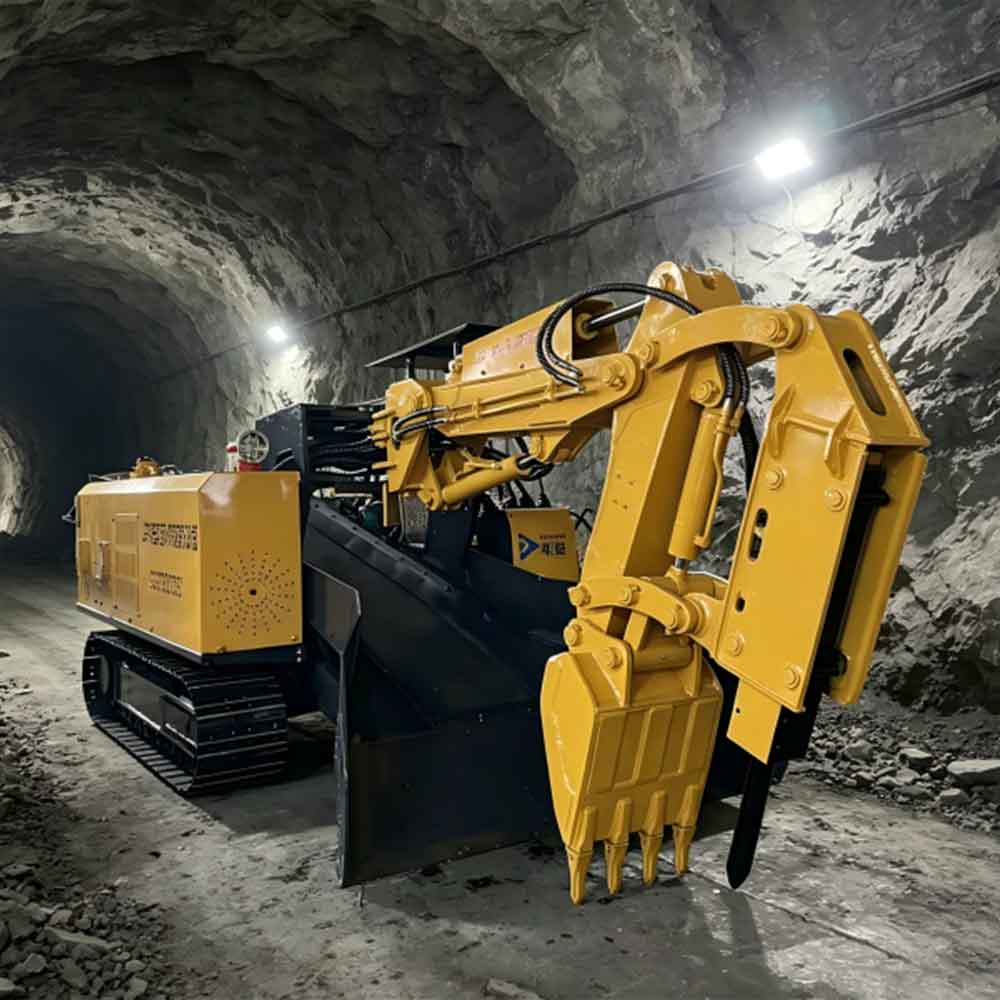
Underground construction has become increasingly important for transportation systems, utility networks, mining projects, and large-scale infrastructure development. As projects move deeper and require more complex excavation methods, reliable equipment has become essential for achieving safe and efficient operations. Among the most important technologies in this field, the tunnel digging machine plays a critical role in creating underground passages with greater accuracy, productivity, and operational control.
Unlike traditional excavation methods that often require multiple stages of manual preparation and support, modern tunnel digging machines are designed to perform continuous excavation while maintaining stability in challenging geological conditions. These machines integrate advanced cutting systems, hydraulic technology, monitoring functions, and automated controls to improve excavation performance.
According to engineering studies and industry development reports, underground construction efficiency is closely connected with equipment capability, geological analysis, and the adoption of advanced machinery. As tunnel projects become larger and more technically demanding, the development of smarter excavation equipment continues to reshape how underground spaces are created.
Understanding the working principles, applications, and future trends of tunnel digging machines helps construction professionals select suitable solutions and improve project outcomes.
Understanding the Role of Tunnel Digging Machines
Why Tunnel Excavation Requires Specialized Equipment
Tunnel construction presents unique challenges compared with surface excavation. Limited working space, complex geological conditions, underground pressure, and safety requirements all require specialized machinery.
A tunnel digging machine is designed to handle these challenges by providing:
- Continuous excavation capability
- Controlled cutting performance
- Improved underground stability
- Reduced manual intervention
- Better operational efficiency
The ability to maintain consistent excavation performance is especially important because delays in underground projects can significantly affect construction schedules and resource management.
Difference Between Traditional Excavation and Machine-Based Tunneling
Traditional excavation methods often depend on separate equipment for drilling, breaking, loading, and material removal. Modern tunnel excavation systems combine multiple functions into integrated solutions.
| Feature | Traditional Excavation Methods | Tunnel Digging Machine |
|---|---|---|
| Excavation Process | Multiple separate operations | Continuous mechanical excavation |
| Precision Control | Highly dependent on manual operation | Advanced monitoring and control systems |
| Productivity | Slower workflow | Higher excavation efficiency |
| Underground Adaptability | Limited flexibility | Designed for complex conditions |
This integrated approach allows modern underground projects to achieve better consistency and improved safety.
Key Components of a Tunnel Digging Machine
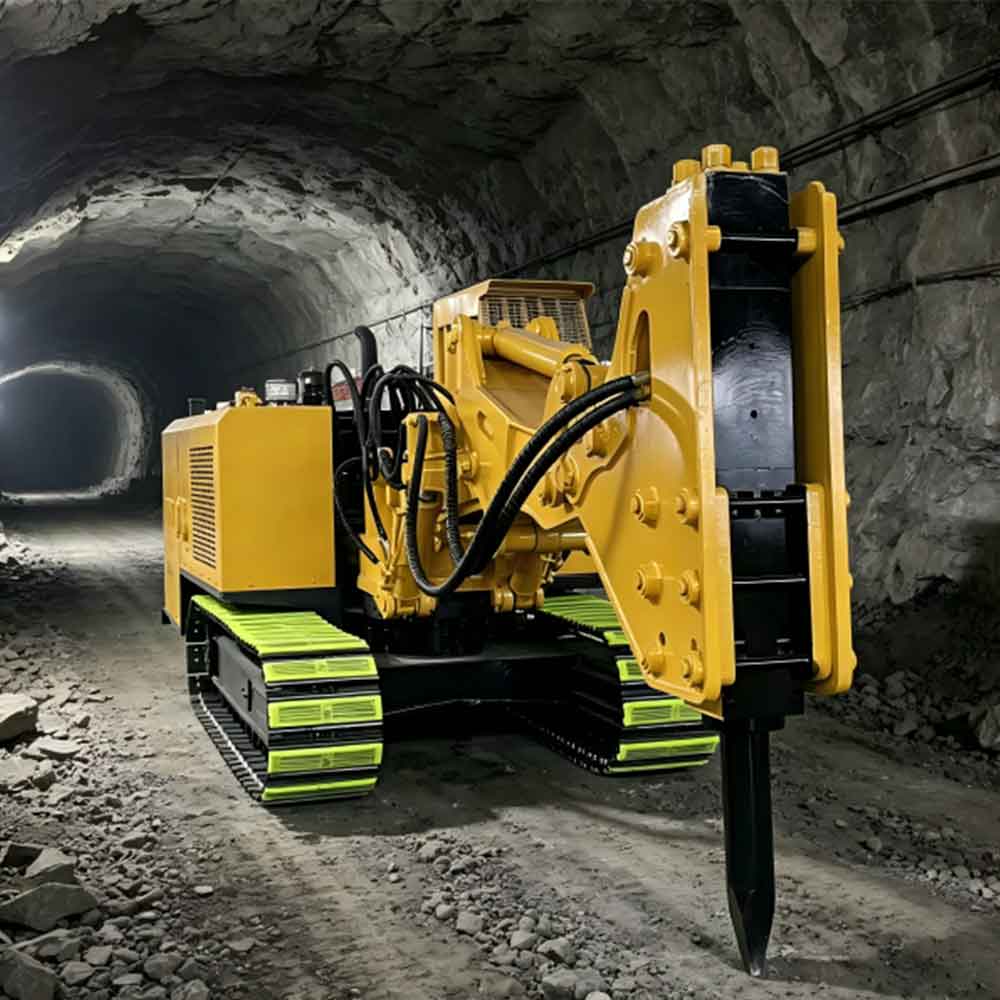
Cutting and Excavation Systems
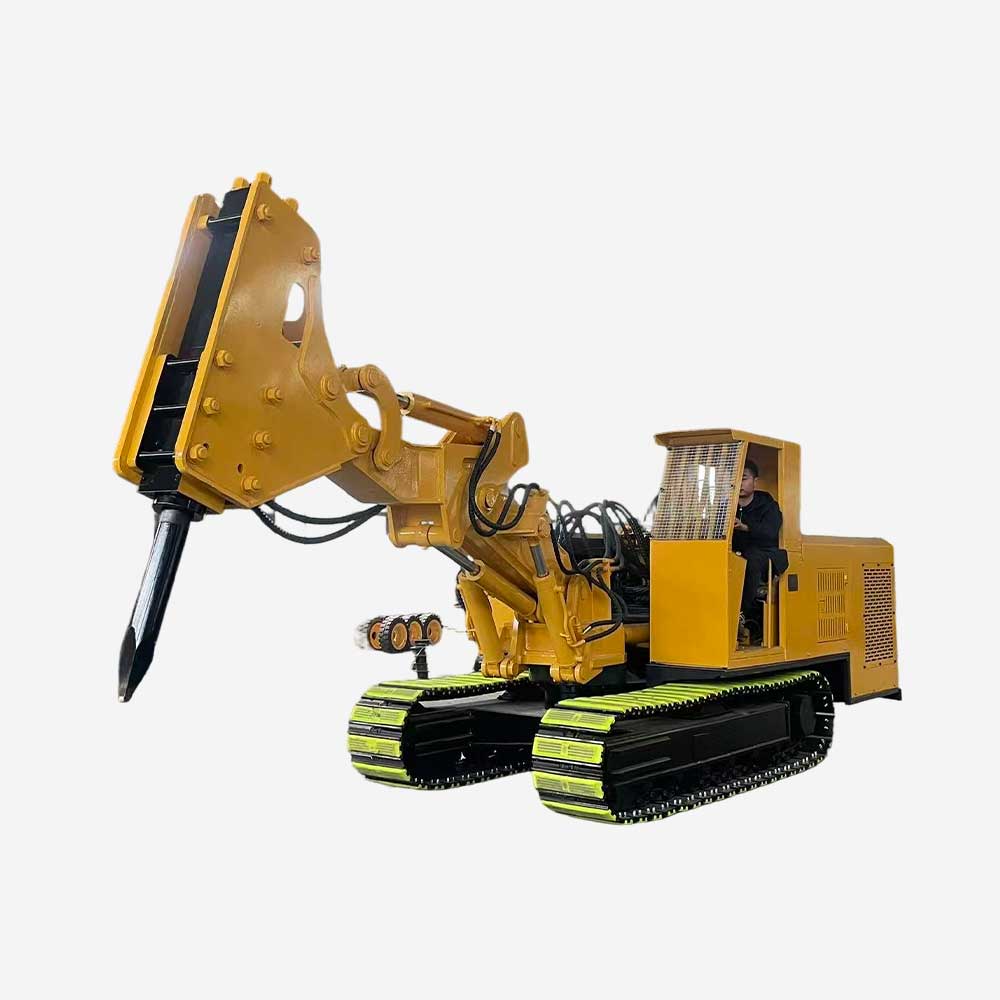
The cutting system is the core component responsible for breaking and removing geological materials. Different projects require different cutting technologies depending on rock conditions and excavation requirements.
Important factors include:
- Cutting efficiency
- Material hardness
- Machine stability
- Tool durability
Advanced cutting systems are designed to maintain performance while reducing unnecessary wear on critical components.
Hydraulic and Power Systems
Hydraulic systems provide the force required for excavation, movement, and machine control. A reliable hydraulic system ensures smooth operation and precise equipment response.
Modern designs focus on:
- Improved energy efficiency
- Better power distribution
- Reduced maintenance requirements
- Stable machine operation
The combination of strong power systems and precise control allows tunnel digging machines to operate effectively in demanding underground environments.
Major Applications of Tunnel Digging Machines
Transportation Tunnel Construction
One of the most common applications of tunnel digging machines is transportation infrastructure. These machines support the construction of underground routes where accuracy and structural stability are essential.
Applications include:
- Underground rail systems
- Road tunnels
- Pedestrian tunnels
- Utility passages
The ability to excavate with controlled dimensions helps create safer and more reliable underground structures.
Mining and Underground Engineering Projects
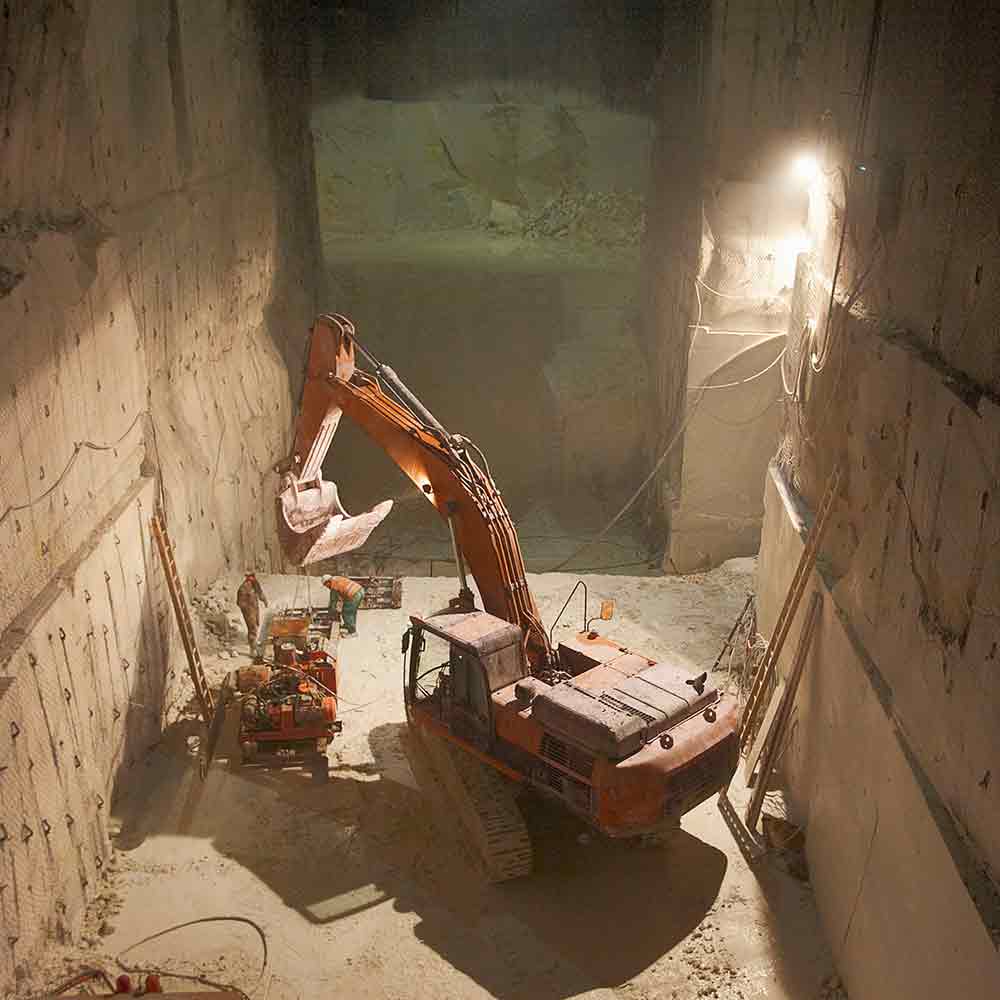
Tunnel excavation technology is also widely used in underground engineering and resource development projects. Efficient excavation allows operators to create access routes, transportation channels, and working areas.
Modern underground operations often rely on advanced underground mining equipment to improve excavation efficiency, material handling, and operational reliability in challenging environments.
Technologies Transforming Tunnel Digging Machines
Automation and Intelligent Control
Automation has become one of the most important trends in underground excavation technology. Modern machines increasingly use digital systems to improve accuracy and reduce operational risks.
Intelligent features include:
- Automated excavation control
- Real-time equipment monitoring
- Position tracking systems
- Performance analysis tools
These technologies allow operators to make better decisions and maintain more stable excavation processes.
Digital Monitoring and Data Analysis
Data-driven operation is changing how tunnel construction projects are managed. Sensors and monitoring systems collect information about machine conditions and underground environments.
Digital monitoring helps identify:
- Equipment performance changes
- Maintenance requirements
- Operating conditions
- Potential safety concerns
The broader concept of automation technology continues to influence industrial equipment development by improving efficiency, precision, and operational control.
Improving Safety Through Modern Tunnel Digging Machines
Reducing Risks in Underground Environments
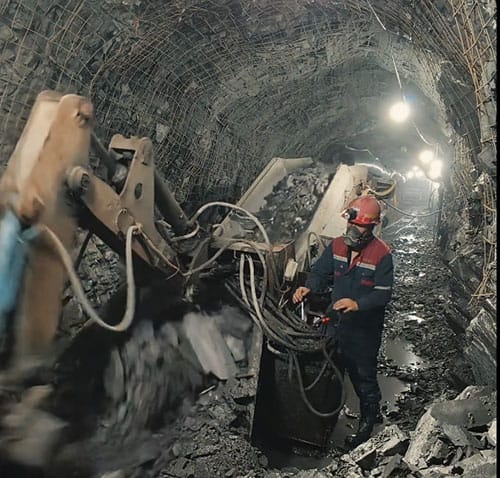
Safety is one of the biggest priorities in tunnel construction. Underground environments can involve unstable geological conditions, limited visibility, and restricted working areas.
Modern tunnel digging machines improve safety by:
- Reducing direct worker exposure
- Providing better equipment control
- Improving operational monitoring
- Supporting safer excavation methods
Advanced machine systems allow more tasks to be completed with reduced human involvement in high-risk areas.
Improving Structural Accuracy
Accurate excavation is essential for tunnel stability. Excessive excavation or incorrect alignment can increase construction difficulties and require additional correction work.
Modern equipment improves accuracy through:
- Precise cutting systems
- Digital positioning technology
- Real-time monitoring
- Automated adjustments
Better control helps reduce material waste and supports more reliable underground construction.
How Tunnel Digging Machines Improve Project Efficiency
Increasing Excavation Productivity
A major advantage of modern tunnel digging machines is their ability to maintain continuous operation. Compared with traditional methods, machine-based excavation reduces interruptions and improves project workflow.
Productivity improvements come from:
- Faster excavation cycles
- Reduced equipment switching
- Better material removal coordination
- More predictable performance
Reducing Operational Challenges
Underground projects often face unexpected conditions. Reliable equipment helps teams respond more effectively by providing stable performance and flexible operating capabilities.
Important benefits include:
- Lower downtime
- Improved maintenance planning
- Better resource utilization
- More consistent construction progress
Factors to Consider When Selecting a Tunnel Digging Machine
Geological Conditions and Project Requirements
Selecting the right machine requires understanding the environment where excavation will take place.
Important considerations include:
- Rock type
- Tunnel dimensions
- Excavation depth
- Project duration
- Required production capacity
Different geological conditions require different machine configurations to achieve optimal performance.
Equipment Quality and Engineering Capability
Equipment reliability depends on engineering design, manufacturing standards, and quality management.
Professional mining machinery solutions focus on developing durable equipment systems that can meet demanding excavation requirements while maintaining stable long-term performance.
Choosing equipment with strong engineering support helps improve operational reliability.
Future Development Trends of Tunnel Digging Machines
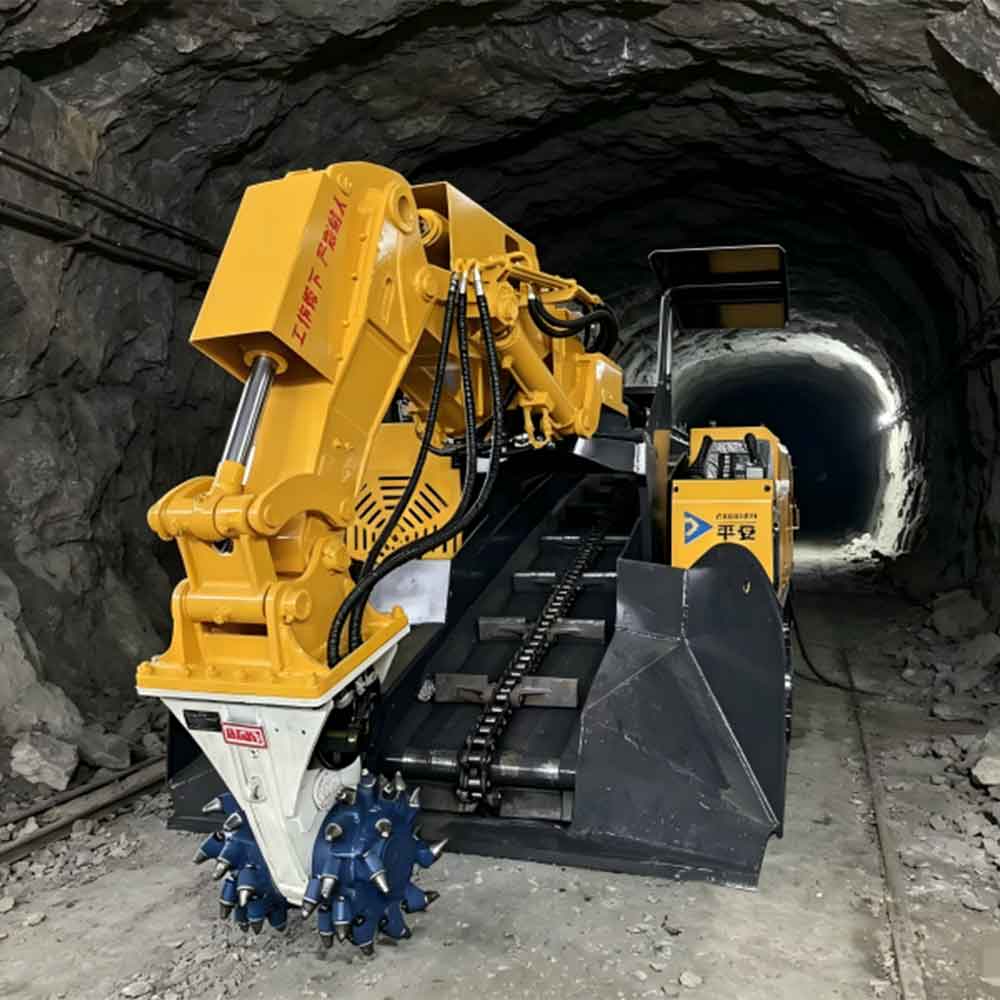
Smarter and More Autonomous Excavation
Future tunnel digging machines are expected to become increasingly intelligent. Automation, artificial intelligence, and digital systems will continue improving equipment capabilities.
Future developments may include:
- Autonomous excavation functions
- AI-based performance optimization
- Remote operation systems
- Advanced predictive maintenance
These technologies will help create safer and more efficient underground construction environments.
Sustainable Underground Construction Equipment
Sustainability is becoming an important consideration in machinery development. Future equipment designs are expected to focus on reducing energy consumption and improving overall efficiency.
Potential improvements include:
- More efficient power systems
- Reduced emissions
- Longer equipment lifespan
- Improved resource utilization
Sustainable equipment development will support more responsible underground construction practices.
Conclusion
Tunnel digging machines have become essential tools for modern underground construction because they provide efficient excavation, improved safety, and better operational control. Their advanced cutting systems, intelligent technologies, and reliable engineering capabilities allow projects to overcome complex underground challenges.
As construction requirements continue to evolve, tunnel digging machines will become increasingly automated, connected, and sustainable. The combination of advanced technology and practical engineering will help create safer and more efficient underground spaces for future infrastructure development.
Selecting the right equipment requires careful consideration of geological conditions, project requirements, and long-term operational goals. With continuous innovation, tunnel digging machines will remain a key technology supporting the future of underground engineering.
FAQ
What is a tunnel digging machine?
A tunnel digging machine is specialized equipment designed to excavate underground passages efficiently. It uses advanced cutting systems, hydraulic power, and control technologies to remove materials while maintaining excavation accuracy.
What are tunnel digging machines used for?
Tunnel digging machines are used for transportation tunnels, underground infrastructure projects, mining access routes, utility passages, and other underground construction applications requiring controlled excavation.
How does a tunnel digging machine improve construction efficiency?
A tunnel digging machine improves efficiency by enabling continuous excavation, reducing manual work, improving accuracy, and minimizing the need for multiple separate excavation processes.
What technologies are used in modern tunnel digging machines?
Modern machines use automation systems, digital monitoring, intelligent controls, advanced hydraulics, and data analysis technologies to improve performance, safety, and operational reliability.
How do engineers choose the right tunnel digging machine?
Engineers consider factors such as geological conditions, tunnel size, excavation requirements, equipment performance, maintenance needs, and project objectives when selecting suitable machinery.