Table of Contents
Why Underground Excavation Productivity Now Depends on Multi-Function Machines
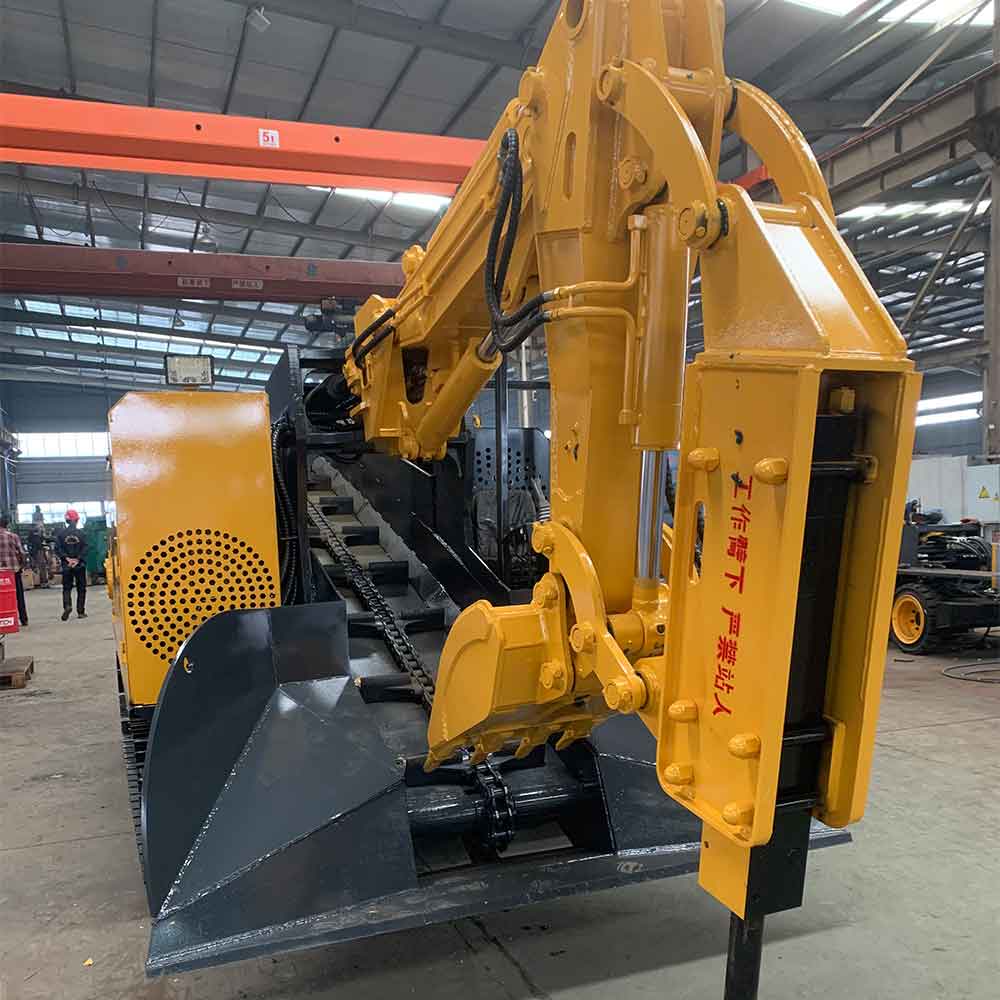
If you are managing underground mining, tunneling, or large-scale excavation projects, you already know that productivity is no longer determined by a single machine or process.
Modern underground workflows are becoming more complex, and the biggest challenge is not excavation itself—it is workflow synchronization between breaking, loading, and material removal.
In traditional operations, these tasks are often handled by separate machines. This creates delays, congestion in tunnels, and inefficient cycle transitions.
Industry insights from platforms like Mining Technology and engineering reports from Engineering News-Record consistently highlight that fragmented workflows are one of the primary causes of underground productivity loss.
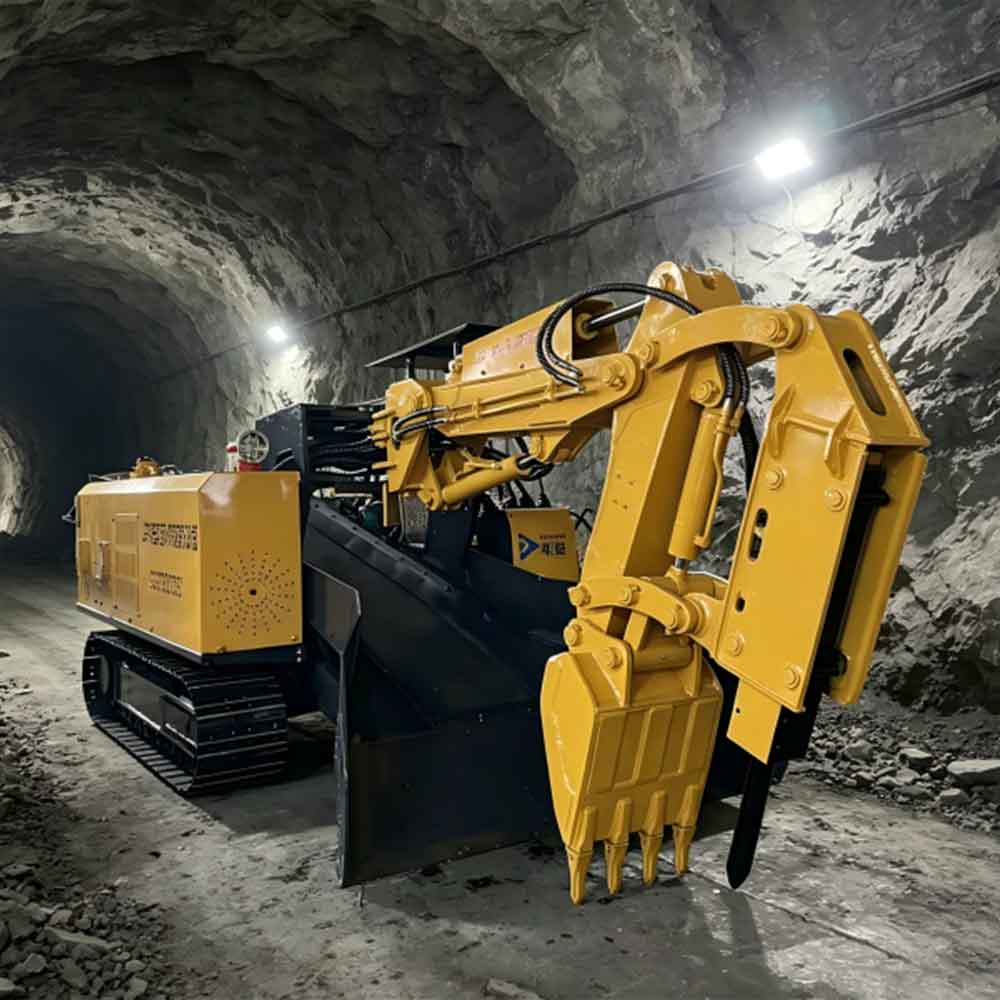
The type 150 crawler mucking loader with hydraulic breaker is designed specifically to solve this problem by integrating breaking and mucking into a single continuous operation system.
What Is a Type 150 Crawler Mucking Loader with Hydraulic Breaker?
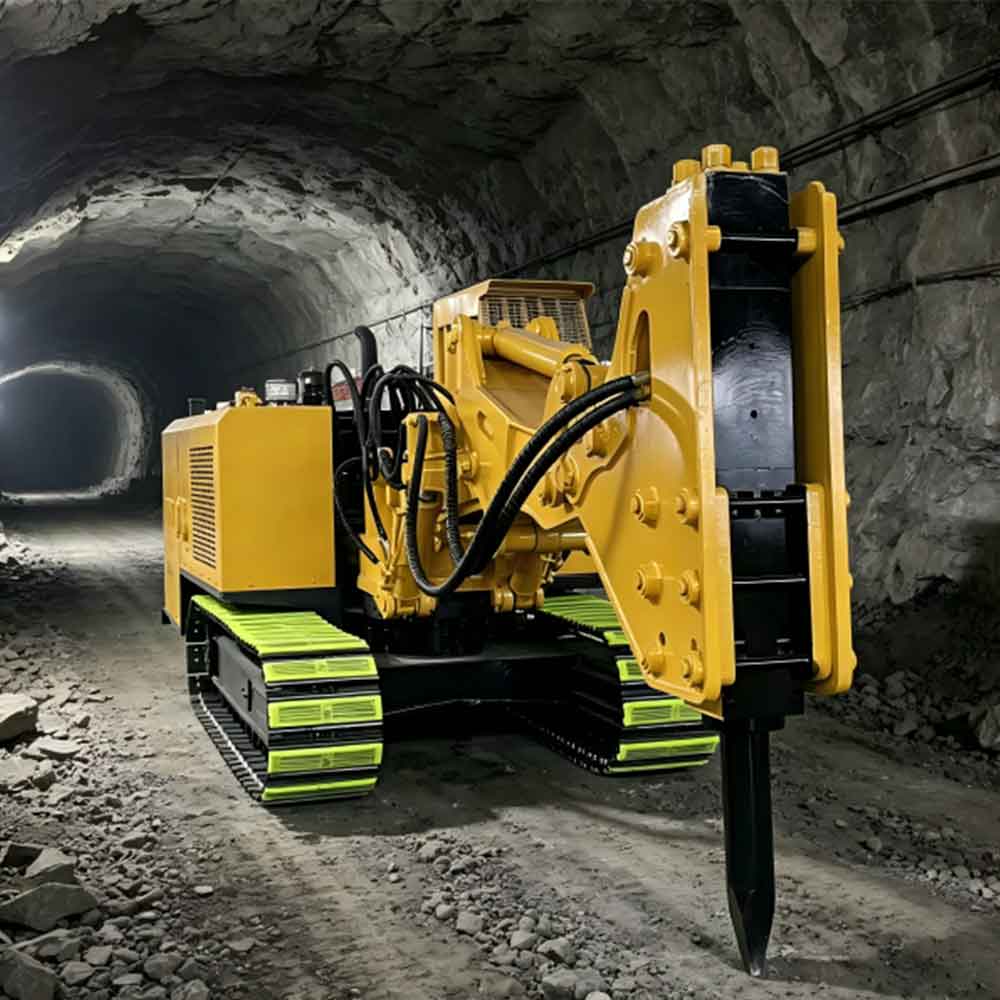
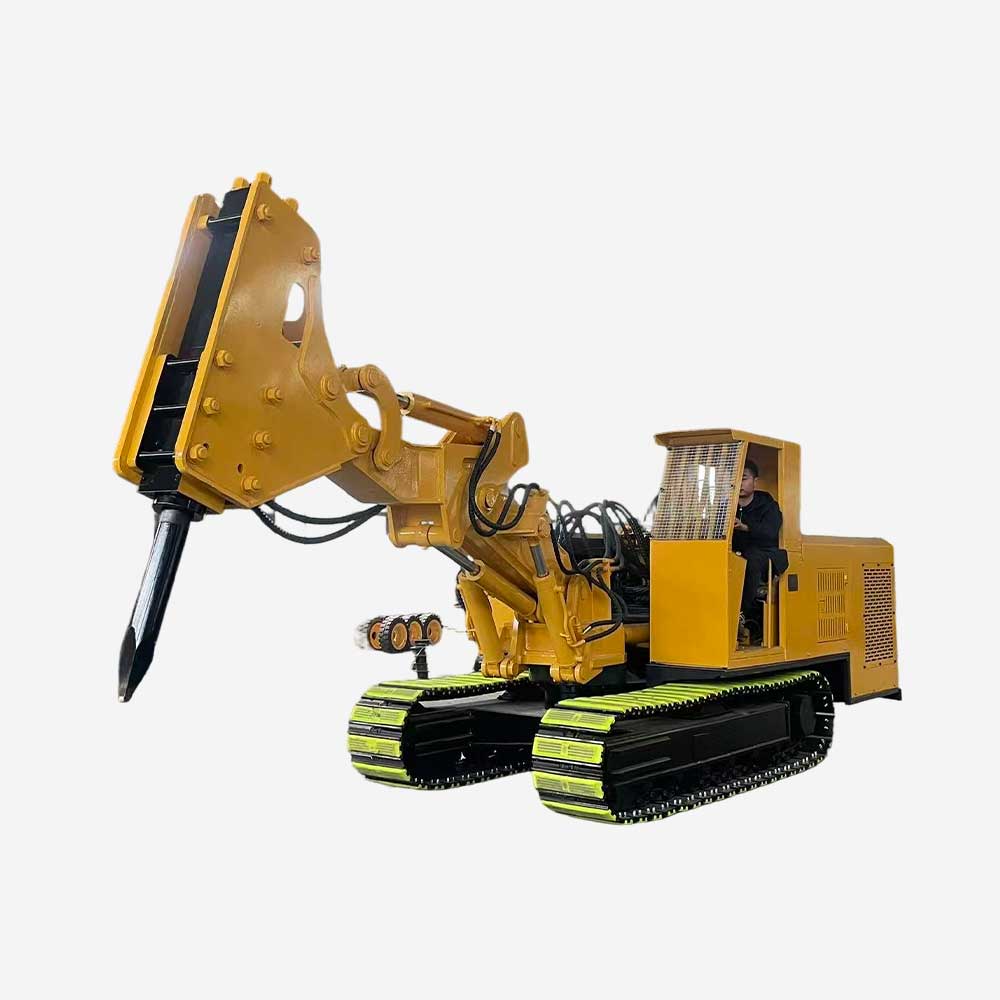
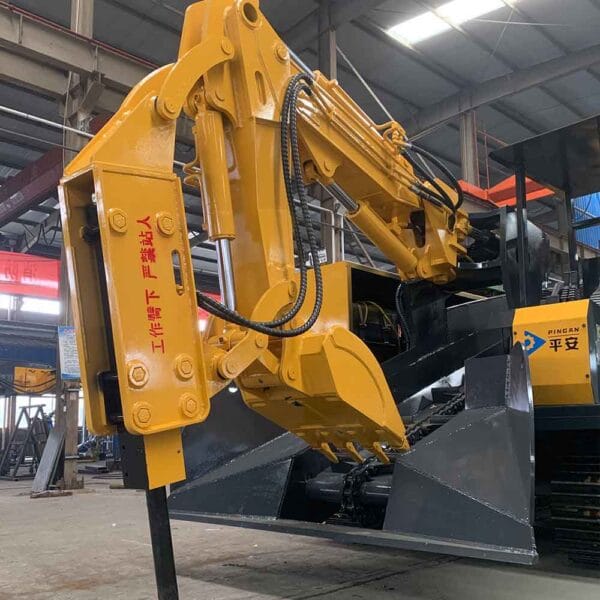
The type 150 crawler mucking loader with hydraulic breaker is a heavy-duty underground machine that combines:
- Hydraulic rock breaking
- Continuous mucking and loading
- Crawler-based mobility
- High-capacity material handling
Related equipment categories:
- Underground loaders: Mucking Loader
- Mucking machines: Type 60 Wheel Mucking Loader
- Mining equipment systems: Mine-Used Crawler Tunnel Milling Roadheader
This integration allows operators to break oversized rock and immediately load it without switching machines.
Why Integrated Breaking and Mucking Is Transforming Underground Workflows
Traditional underground workflows typically follow this sequence:
- Rock is broken using separate equipment
- Material accumulates at the excavation face
- Another machine performs loading
- Transport equipment removes material
This fragmented system creates downtime at every transition point.
The Type 150 system eliminates these gaps by combining both functions into one machine.
Key advantage:
Instead of waiting between operations, the machine performs continuous breaking and loading cycles at the same working face.
Engineering Structure of the Type 150 System
1. Hydraulic Breaker Unit
Delivers high-impact energy for breaking oversized rock directly at the excavation face.
2. Reinforced Crawler Chassis
Provides stability and mobility across:
- Loose rock surfaces
- Uneven tunnel floors
- Muddy excavation environments
3. Heavy-Duty Loading Arm System
Designed for continuous mucking cycles under high-load conditions.
4. Dual Hydraulic Control System
Separates breaker and loader functions for smooth transition between operations.
5. Operator Control Cabin
Optimized for visibility, control precision, and safety in low-light underground environments.
Key Advantages of Type 150 Crawler Mucking Loader With Hydraulic Breaker
1. Dual-Function Continuous Operation
The biggest advantage is integration:
- Break oversized rock
- Immediately load fragmented material
No machine switching is required.
2. Reduced Equipment Congestion
Underground tunnels are limited in space. Using one integrated machine instead of multiple units:
- Improves maneuverability
- Reduces collision risk
- Simplifies coordination
3. Higher Cycle Efficiency
Continuous breaking and loading eliminate waiting time between operations.
4. Improved Safety in Underground Environments
Fewer machines and fewer manual operations reduce:
- Worker exposure to unstable rock
- Dust exposure
- Equipment interference risks
5. Strong Adaptability in Harsh Conditions
The crawler system ensures stable operation in:
- Narrow tunnels
- Uneven rock surfaces
- High-moisture environments
Real Project Case Example: Workflow Optimization in Underground Excavation
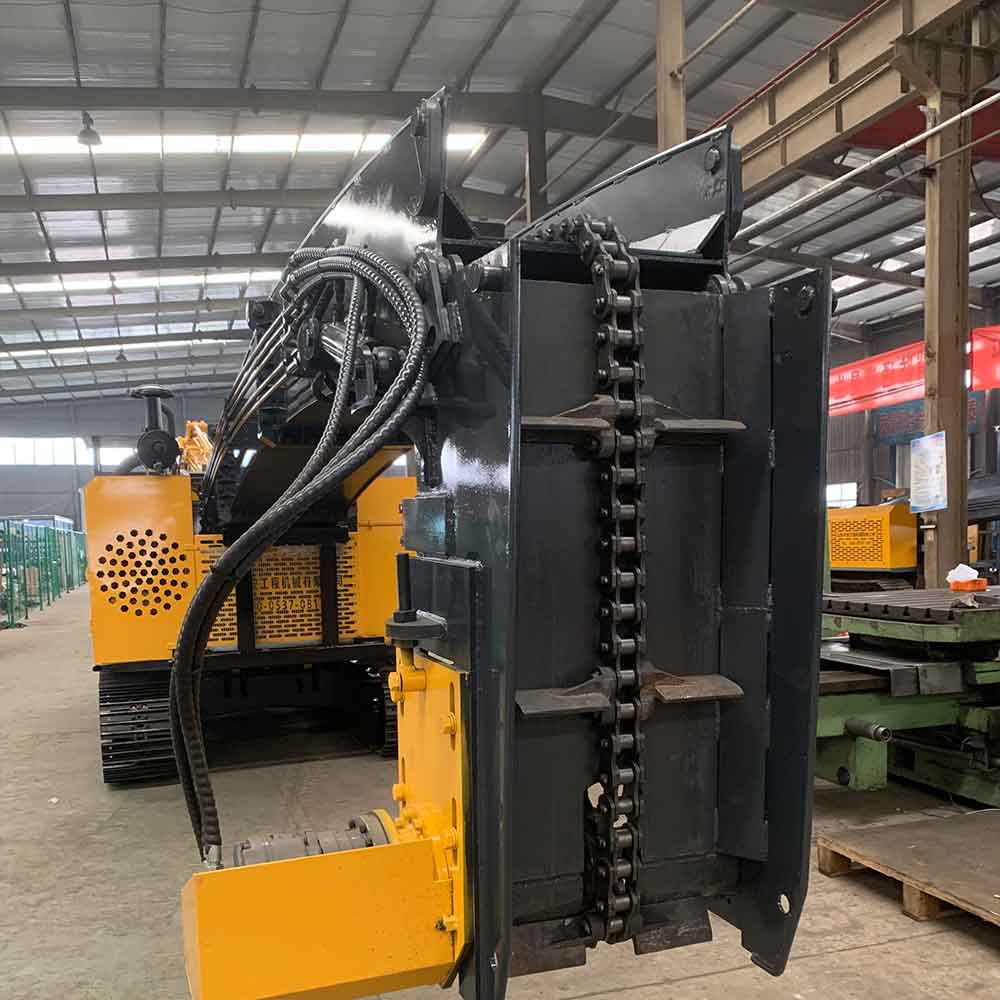
In a structured underground excavation scenario based on engineering field observations:
Before Integration:
- Separate breaker and loader machines used
- Frequent workflow interruptions
- High tunnel congestion
- Idle time between breaking and loading cycles
- Inefficient coordination between equipment
After Type 150 Deployment:
- Breaking and loading unified
- Continuous operation at excavation face
- Reduced machine congestion
- Improved cycle synchronization
- More stable production output
The most significant improvement was workflow continuity, not just speed.
Comparison Table: Traditional System vs Type 150 Integrated Loader
| Factor | Traditional Multi-Machine System | Type 150 Crawler Mucking Loader |
|---|---|---|
| Workflow Structure | Fragmented | Integrated |
| Cycle Continuity | Interrupted | Continuous |
| Tunnel Congestion | High | Low |
| Labor Requirement | Higher | Reduced |
| Safety Exposure | Higher | Lower |
| Equipment Efficiency | Moderate | High |
| Operational Complexity | High | Simplified |
Where This Equipment Is Used
Mining Operations
- Ore extraction
- Underground rock breaking
- Access tunnel development
Tunnel Construction
- Metro systems
- Hydropower tunnels
- Underground passageways
Infrastructure Projects
- Rock excavation zones
- Underground chambers
- Utility tunnel systems
Technical Factors You Should Evaluate Before Selection
Rock Hardness
Hydraulic breaker performance depends on geological conditions.
Tunnel Dimensions
Ensure crawler size matches confined working environments.
Cycle Frequency Requirements
High-output operations benefit most from integrated systems.
Hydraulic Stability
Stable pressure ensures consistent breaker performance.
Maintenance Accessibility
Easy service access reduces downtime.
Maintenance Strategy for Long-Term Reliability
Daily Checks
- Hydraulic system inspection
- Breaker tool wear condition
- Crawler track condition
Weekly Maintenance
- Lubrication of joints
- Cooling system inspection
- Structural stress monitoring
Monthly Maintenance
- Full hydraulic calibration
- Breaker performance testing
- Structural tightening
Proper maintenance ensures long-term stability in harsh underground environments.
Industry Trend: Why Integrated Machines Are the Future
Across discussions on International Tunnelling and Underground Space Association and professional platforms like LinkedIn, a major trend is emerging:
Underground operations are shifting toward multi-function integrated machinery systems.
This is driven by:
- Labor shortages
- Higher safety requirements
- Space limitations underground
- Demand for faster project completion
The Type 150 system aligns directly with this evolution.
Why the Type 150 Crawler Mucking Loader With Hydraulic Breaker Matters
This machine is more than equipment—it is a workflow optimization system.
It improves:
- Excavation cycle speed
- Material handling efficiency
- Safety performance
- Equipment coordination
- Operational stability
In modern underground engineering, efficiency depends on integration, not isolation.
Final Insight
The type 150 crawler mucking loader with hydraulic breaker represents a shift toward fully integrated underground workflows. By combining two critical operations—breaking and mucking—it eliminates downtime, improves safety, and enhances overall excavation efficiency.
In modern underground engineering, success is defined not by how many machines you use, but by how seamlessly your workflow operates.
FAQ
What is a crawler mucking loader with hydraulic breaker used for?
It is used for breaking and loading rock in underground mining and tunneling operations.
Why combine breaker and loader in one machine?
It reduces equipment switching time and improves workflow continuity.
Can it operate in narrow tunnels?
Yes, it is designed for confined underground environments.
What industries use this type 150 crawler mucking loader with hydraulic breaker?
Mining, tunneling, hydropower, and underground infrastructure projects.
What is its biggest advantage?
Integrated breaking and loading in a single continuous workflow.