Table of Contents
Why Underground Excavation Efficiency Depends on the Mucking Stage
If you are managing underground mining, tunneling, or infrastructure excavation, you already know that excavation is not just about breaking rock—it is about how efficiently you remove it afterward.
In most underground projects, material handling (mucking) is the stage where productivity either accelerates or breaks down completely.
According to underground engineering workflow studies referenced by organizations such as International Tunnelling and Underground Space Association and industry reports from Mining Technology, material removal can account for up to 40% of total underground cycle time.
This means that even if drilling or blasting is efficient, poor mucking performance can still delay the entire project.
This is where the Type 80 mucking loader becomes essential.
Related equipment categories:
- Underground loaders: Mucking Loader
- Mucking machines: Type 60 Wheel Mucking Loader
- Mining equipment systems: Mine-Used Crawler Tunnel Milling Roadheader
What Is a Type 80 Mucking Loader?
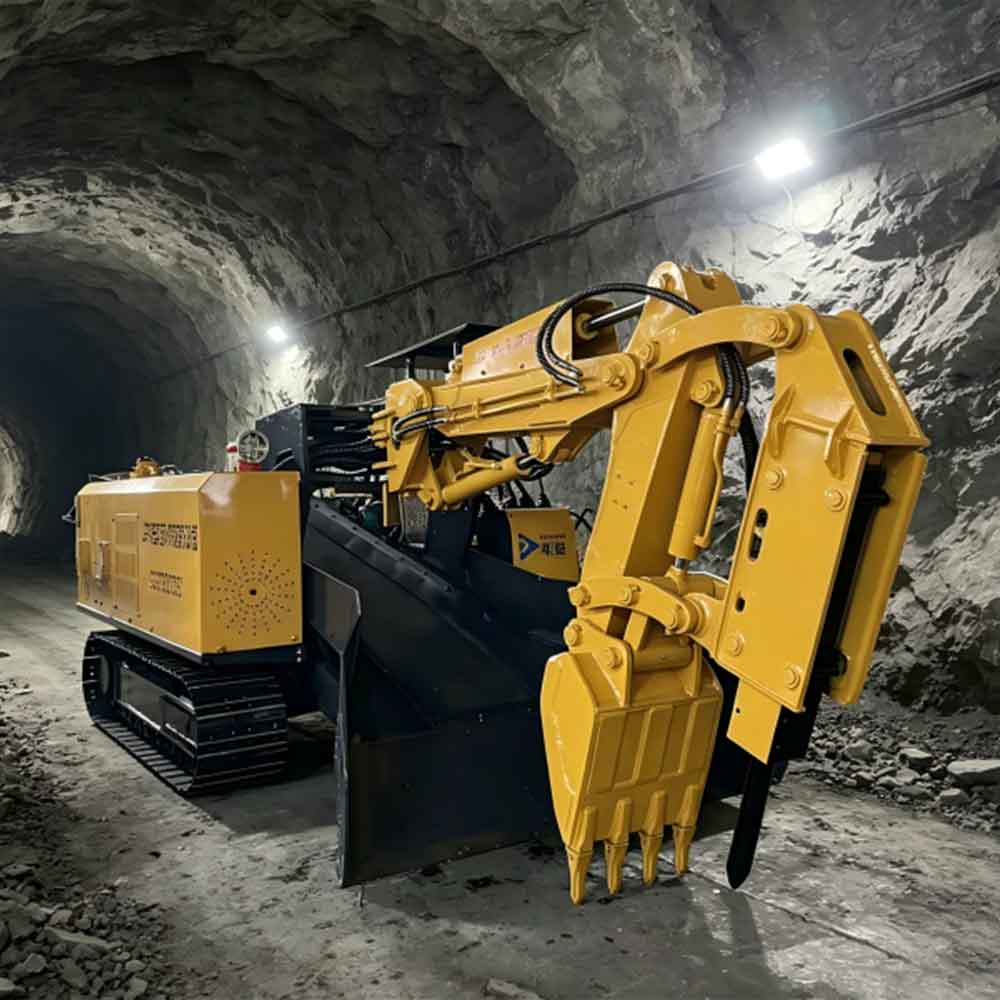
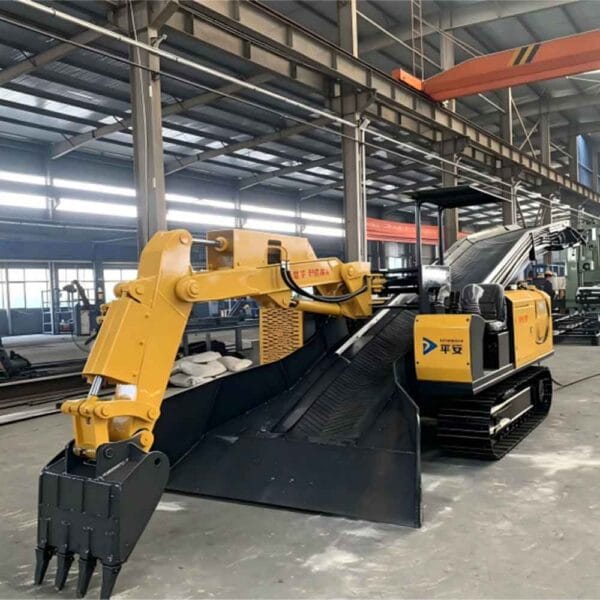
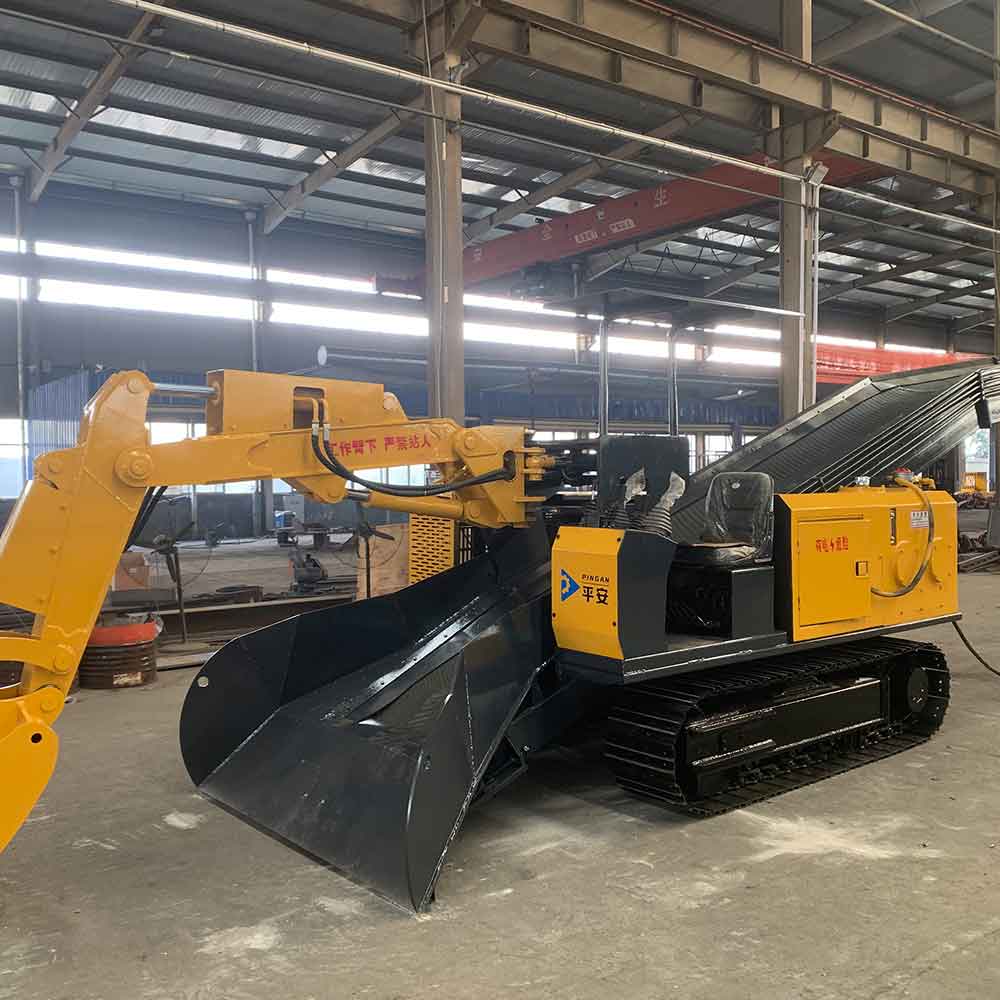
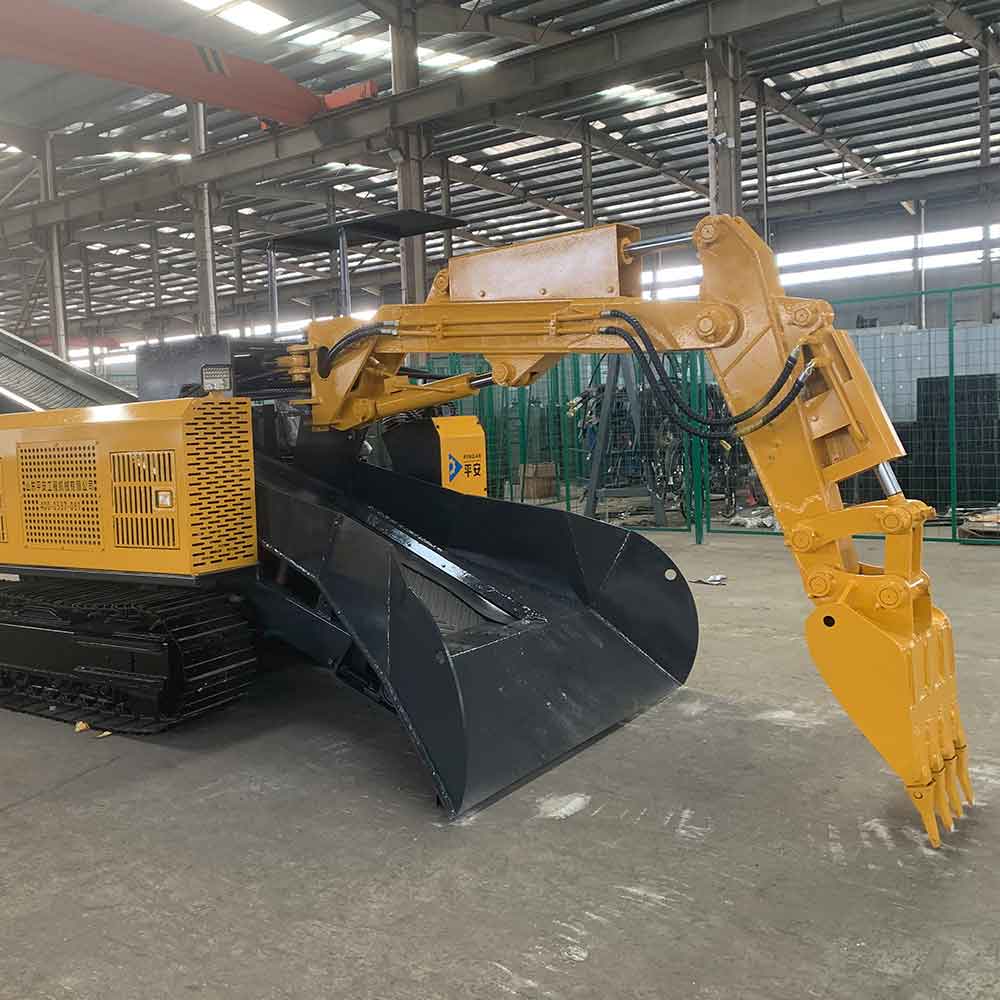
The Type 80 mucking loader is a compact underground material handling machine designed for continuous loading, transferring, and clearing of rock, ore, and debris in confined environments.
Unlike manual mucking or basic loaders, this machine is optimized for:
- Narrow tunnel excavation
- Continuous material removal
- High-efficiency loading cycles
- Uneven underground terrain
- Mining and tunneling workflows
It acts as the core material flow engine in underground operations.
Why Type 80 Mucking Loader Is Becoming Popular in Modern Projects
Underground projects are shifting toward mechanized continuous workflows instead of manual or semi-manual systems.
There are three major reasons:
1. Labor Reduction Pressure
Manual mucking requires large labor teams and creates high safety risks in unstable tunnel environments.
2. Increasing Project Speed Requirements
Modern tunneling and mining projects require faster excavation cycles with fewer interruptions.
3. Space Limitations Underground
Narrow tunnels require compact, highly maneuverable machinery.
The Type 80 mucking loader addresses all three challenges simultaneously.
Engineering Design of the Type 80 Mucking Loader
1. Reinforced Loading Arm System
Designed for continuous digging and lifting cycles under high load conditions.
2. Compact Structural Frame
Allows operation in narrow tunnels without reducing maneuverability.
3. Hydraulic Drive System
Ensures stable lifting, tilting, and loading functions even in harsh underground conditions.
4. High-Strength Chassis
Built to withstand vibration, impact, and uneven rock surfaces.
5. Operator Control Station
Provides visibility and precision control in low-light underground environments.
Key Performance Advantages of Type 80 Mucking Loader
1. Faster Material Removal Cycle
Compared with manual mucking methods, the Type 80 significantly reduces loading cycle time by maintaining continuous operation without fatigue limitations.
2. Improved Tunnel Workflow Stability
By ensuring consistent material flow, the loader reduces congestion at the excavation face.
3. Reduced Equipment Dependency
A single machine can perform tasks that otherwise require multiple manual teams or smaller machines.
4. Enhanced Safety in Underground Environments
Fewer workers in unstable zones reduces exposure to:
- Falling rock hazards
- Dust exposure
- Equipment collision risks
5. Strong Terrain Adaptability
The machine operates effectively in:
- Loose rock conditions
- Muddy tunnel floors
- Uneven excavation surfaces
Real Project Case Example: Underground Efficiency Improvement
In a structured underground tunneling scenario based on aggregated engineering field observations:
Before Mechanized Mucking:
- Manual loading teams required multiple cycles
- Frequent congestion at excavation face
- Uneven material removal rates
- High labor intensity
- Workflow interruptions during peak excavation stages
After Type 80 Mucking Loader Deployment:
- Continuous loading cycles established
- Reduced excavation face congestion
- More stable material flow
- Lower manual labor dependency
- Improved operational consistency
The most significant improvement was not just speed—it was workflow predictability and stability.
Comparison Table: Manual Mucking vs Type 80 Mucking Loader
| Factor | Manual Mucking | Type 80 Mucking Loader |
|---|---|---|
| Productivity | Low | High |
| Labor Requirement | High | Reduced |
| Cycle Time | Slow | Continuous |
| Safety Risk | High | Lower |
| Tunnel Adaptability | Limited | Strong |
| Workflow Stability | Inconsistent | Stable |
| Material Flow | Interrupted | Continuous |
Where Type 80 Mucking Loader Is Used
Mining Operations
- Ore extraction
- Waste rock removal
- Underground access development
Tunnel Construction
- Metro tunnels
- Hydropower tunnels
- Underground corridors
Infrastructure Projects
- Underground chambers
- Utility tunnels
- Rock excavation zones
Technical Selection Factors You Should Consider
Tunnel Size Compatibility
Ensure machine dimensions match confined underground environments.
Material Handling Capacity
Select based on expected excavation volume per cycle.
Ground Conditions
Rock density and moisture conditions affect performance.
Maintenance Accessibility
Machines designed for easy maintenance reduce downtime.
Operational Frequency
High-frequency projects benefit most from continuous mucking systems.
Maintenance Strategy for Long-Term Efficiency
Daily Inspection
- Hydraulic system check
- Loading arm wear inspection
- Structural condition check
Weekly Maintenance
- Lubrication of joints
- Cooling system check
- Electrical system inspection
Monthly Maintenance
- Full hydraulic calibration
- Structural bolt tightening
- Performance testing
Proper maintenance ensures long-term stability in harsh underground environments.
Industry Trend: Why Mucking Equipment Demand Is Increasing
Across professional discussions on platforms like LinkedIn and engineering publications such as Engineering News-Record, a clear trend is emerging:
Underground operations are moving toward fully mechanized continuous excavation systems.
This shift is driven by:
- Labor shortages
- Safety requirements
- Faster project timelines
- Higher efficiency expectations
Mucking loaders like Type 80 are central to this transformation.
Why the Type 80 Mucking Loader Matters
The Type 80 is not just a loading machine—it is a workflow efficiency system.
It improves:
- Material flow consistency
- Excavation cycle speed
- Labor efficiency
- Safety conditions
- Operational stability
In modern underground engineering, mucking efficiency is directly linked to project success.
Final Insight
The Type 80 Mucking Loader represents a critical upgrade in underground excavation efficiency. By improving material handling speed, reducing labor requirements, and stabilizing workflow cycles, it helps modern mining and tunneling projects achieve higher productivity with lower operational risk.
In today’s underground engineering environment, efficiency is no longer optional—it is essential.
FAQ
What is a mucking loader used for?
It is used to load and remove rock, ore, and debris in underground mining and tunneling projects.
Why is mucking important in underground projects?
Because it directly affects excavation cycle time and overall project efficiency.
Can the Type 80 Mucking Loader work in narrow tunnels?
Yes, it is designed specifically for confined underground environments.
Is it suitable for mining and tunneling?
Yes, it is widely used in both industries.
How does it improve safety?
It reduces manual labor exposure in unstable underground zones.
What is its main advantage?
Continuous and efficient material removal with reduced labor dependency.