Table of Contents
Selecting the right underground loader is a critical decision for any mining operation. The loader you deploy directly affects productivity, operational safety, maintenance costs, and overall profitability. Whether you are extracting coal, ore, or minerals in narrow tunnels or large underground chambers, using the right equipment can make your operations more efficient, safer, and cost-effective.
In this article, you will learn how to evaluate, select, and optimize underground loaders, backed by real-world examples, actionable insights, and operational data.
Why the Choice of Underground Loader Matters
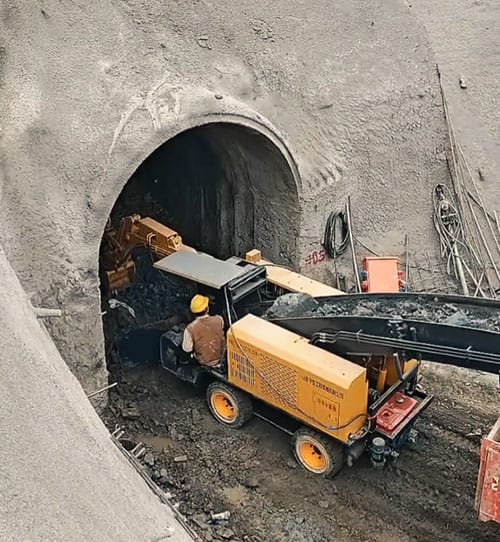
Underground mining presents unique challenges:
- Limited space for maneuvering
- Variable geology and material hardness
- High operational and labor costs
- Strict safety requirements
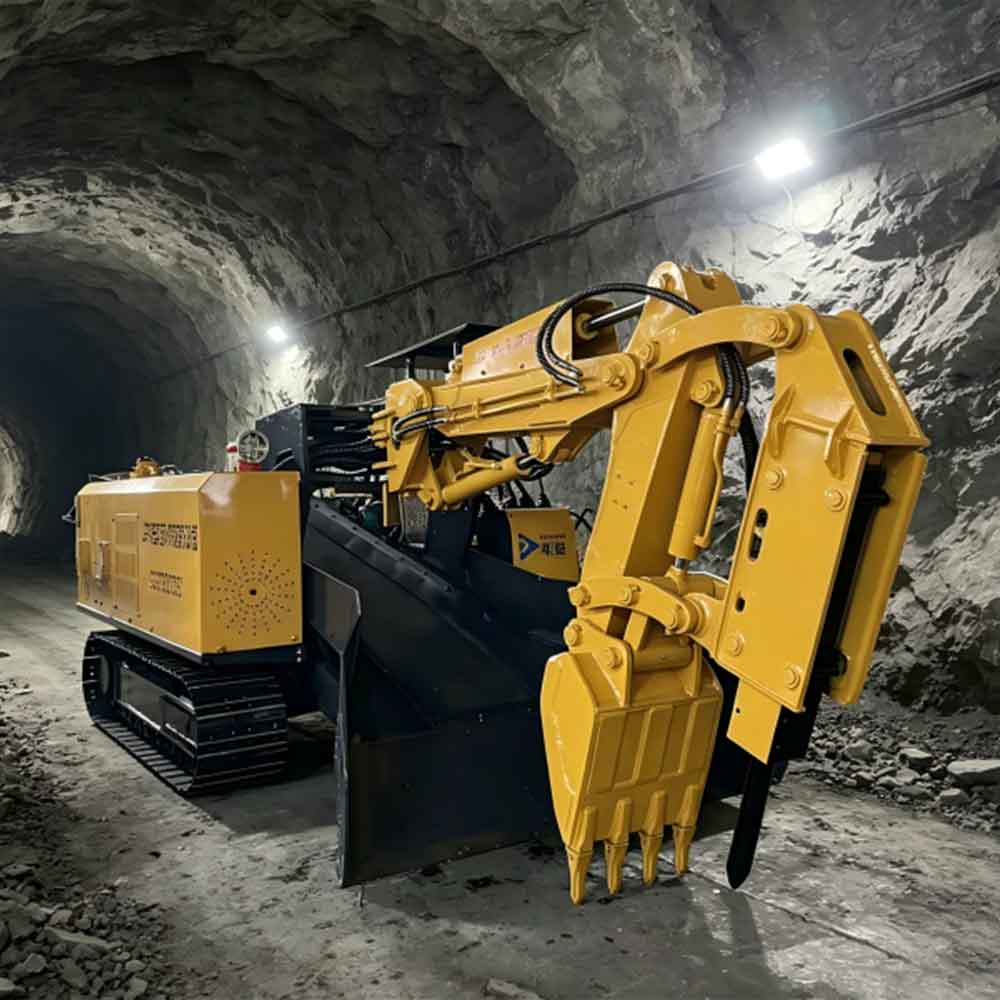
Using an unsuitable loader can result in lower productivity, higher maintenance costs, and increased safety risks. Modern underground loaders, equipped with high-capacity buckets, strong hydraulic systems, and ergonomic cabins, allow you to extract more material safely and efficiently.
Types of Underground Loaders
Underground loaders can be broadly categorized as:
- Standard LHD (Load-Haul-Dump) Loaders
Efficiently transport ore from the mining face to haulage trucks or conveyor systems. Ideal for medium-sized tunnels. - Compact Loaders
Designed for narrow tunnels where space is restricted. These loaders offer high maneuverability without sacrificing payload capacity. - High-Capacity Loaders
Larger loaders for high-volume operations, capable of moving more material per cycle and reducing operational downtime. - Specialized Loaders with Integrated Systems
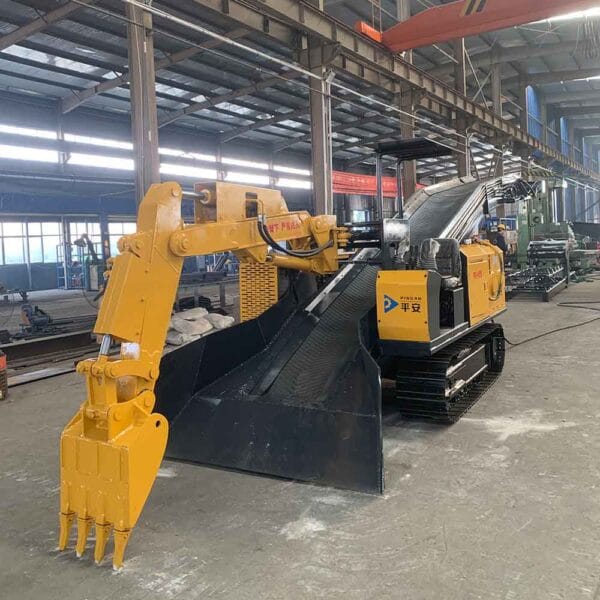
Loaders integrated with conveyors or automated dumping systems can reduce manual handling and increase operational efficiency.
Case Study: Improving Coal Mine Productivity
Project Overview:
A mid-sized coal mine faced bottlenecks using older loaders. Cycle times were long, and labor costs were high due to manual hauling and inefficient dumping.
Solution:
The mine introduced a fleet of modern underground loaders with high-capacity buckets and improved hydraulic systems.
Results After Six Months:
| Metric | Before Modern Loaders | After Modern Loaders | Improvement |
|---|---|---|---|
| Ore Moved per Hour (m³) | 45 | 110 | +144% |
| Labor Requirement | 12 operators | 5 operators | −58% |
| Average Cycle Time (minutes) | 30 | 12 | −60% |
| Safety Incidents per Quarter | 6 | 1 | −83% |
By deploying the right underground loader, the mine reduced operational costs, increased production, and improved safety.
Key Features to Consider When Selecting an Underground Loader
When choosing an underground loader, consider the following:
- Bucket Capacity and Lift Height: Ensure the loader can handle your material volume efficiently.
- Hydraulic Power and Torque: Strong hydraulic systems reduce cycle times and improve maneuverability in narrow tunnels.
- Maneuverability: Compact designs allow operation in tight spaces without compromising payload.
- Durability and Maintenance: Look for loaders with modular components, easy access to service points, and high-quality wear-resistant materials.
- Safety Systems: Emergency brakes, rollover protection, and low-noise hydraulic operation enhance worker safety.
Operational Strategies to Maximize Loader Efficiency
To get the most out of your underground loader:
- Plan Tunnel Layouts Carefully
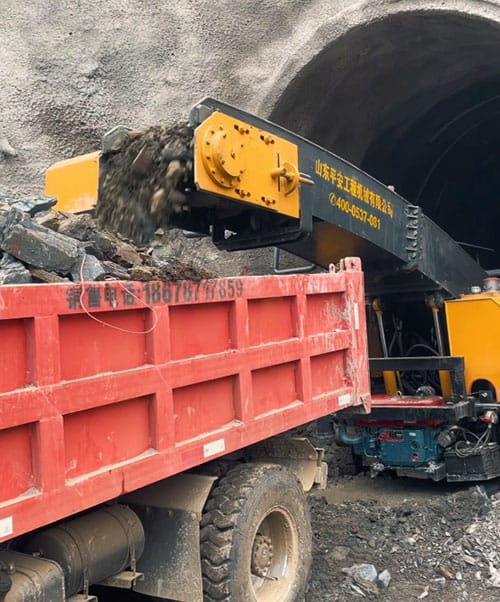
Optimize pathways to minimize turning, waiting, and backup times. - Integrate with Conveyor Systems
Automated unloading onto conveyors can reduce manual labor and cycle times. - Schedule Preventive Maintenance
Regular inspections and lubrication prevent costly downtime. - Train Operators on Optimal Practices
Skilled operators reduce fuel consumption, wear, and operational delays.
Real-World Application: Narrow Tunnel Mining
A mineral extraction company faced challenges in tunnels only 3 meters wide. They deployed a compact underground loader:
- High-capacity bucket allowed faster material removal
- Hydraulic system optimized for tight turns
- Reduced operator fatigue with ergonomic cabin design
- Integrated dumping system reduced manual handling
Result: Production increased by 130%, labor costs decreased by 50%, and safety incidents dropped significantly.
Comparing Modern vs Older Loaders
| Feature | Older Loaders | Modern Underground Loaders | Benefit |
|---|---|---|---|
| Material Moved per Hour | Low | High | +120–150% |
| Labor Requirement | High | Lower | −50–60% |
| Maintenance Frequency | High | Moderate | Reduced downtime |
| Safety | Moderate | High | Fewer incidents |
| Maneuverability | Limited | Compact designs | Efficient in narrow tunnels |
Integrating Loaders into Your Mining Operations
For maximum efficiency:
- Combine loaders with haul trucks, conveyors, and continuous miners for integrated workflows.
- Use digital monitoring systems to track performance metrics like cycle time, fuel consumption, and maintenance intervals.
- Align equipment choice with ore type, tunnel dimensions, and operational goals.
Conclusion
Investing in the right underground loader is a strategic move for your mining operations. With modern machinery, integrated systems, and trained operators, you can enhance productivity, reduce labor and maintenance costs, and create a safer mining environment.
Contact our team at pinganmachinery to discuss the best underground loader solutions for your project. Start optimizing your operations today to secure higher efficiency and long-term success.
FAQ
What is an underground loader?
An underground loader is a heavy machine used to extract and transport ore or coal in tunnels. Modern designs optimize safety, speed, and maneuverability.
How do loaders improve mine safety?
With rollover protection, low-noise hydraulics, and advanced braking systems, loaders reduce the risk of accidents and create safer working conditions.
Can underground loaders operate in narrow tunnels?
Yes, compact loaders are specifically designed for tight spaces while maintaining high payload capacity.
What features should I prioritize when selecting a loader?
Bucket size, hydraulic power, maneuverability, maintenance ease, and safety features are all essential.
How do modern loaders reduce operational costs?
They improve cycle times, reduce labor needs, minimize downtime, and optimize fuel efficiency, increasing overall productivity.