Table of Contents
Underground mining operations demand efficiency, safety, and precision. If you are responsible for procurement or operational management in a mine, you understand the challenges of navigating tight tunnels, handling varying rock conditions, and maintaining high throughput. Selecting the right underground mining equipments can significantly enhance your operation’s productivity and safety standards.
This comprehensive guide will cover the types of underground mining equipments, their applications, case studies, operational best practices, maintenance strategies, and safety considerations. By the end, you will have practical insights to optimize your underground mining workflow.
Understanding Underground Mining Equipments
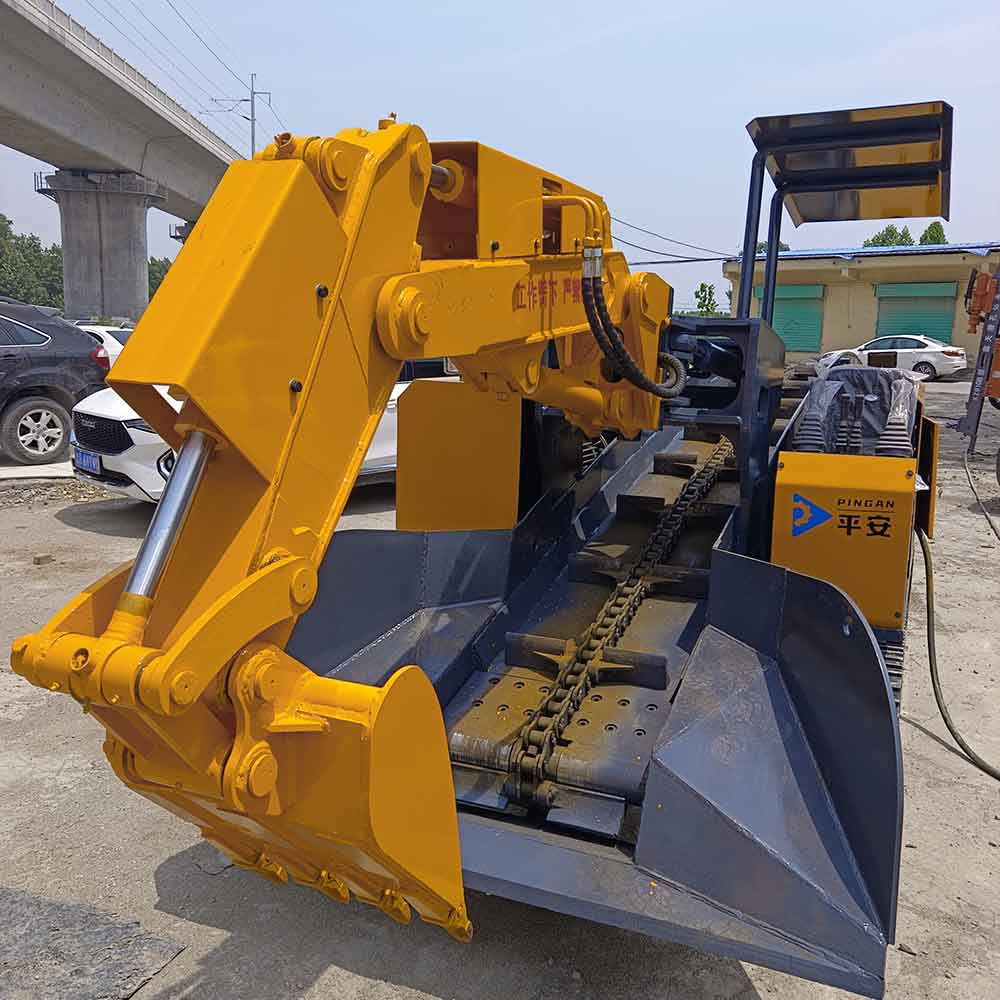
Underground mining equipments are designed to handle the extraction, transportation, and processing of ores and minerals below the earth’s surface. Common equipment categories include:
- Load-Haul-Dump (LHD) machines
- Underground mining trucks
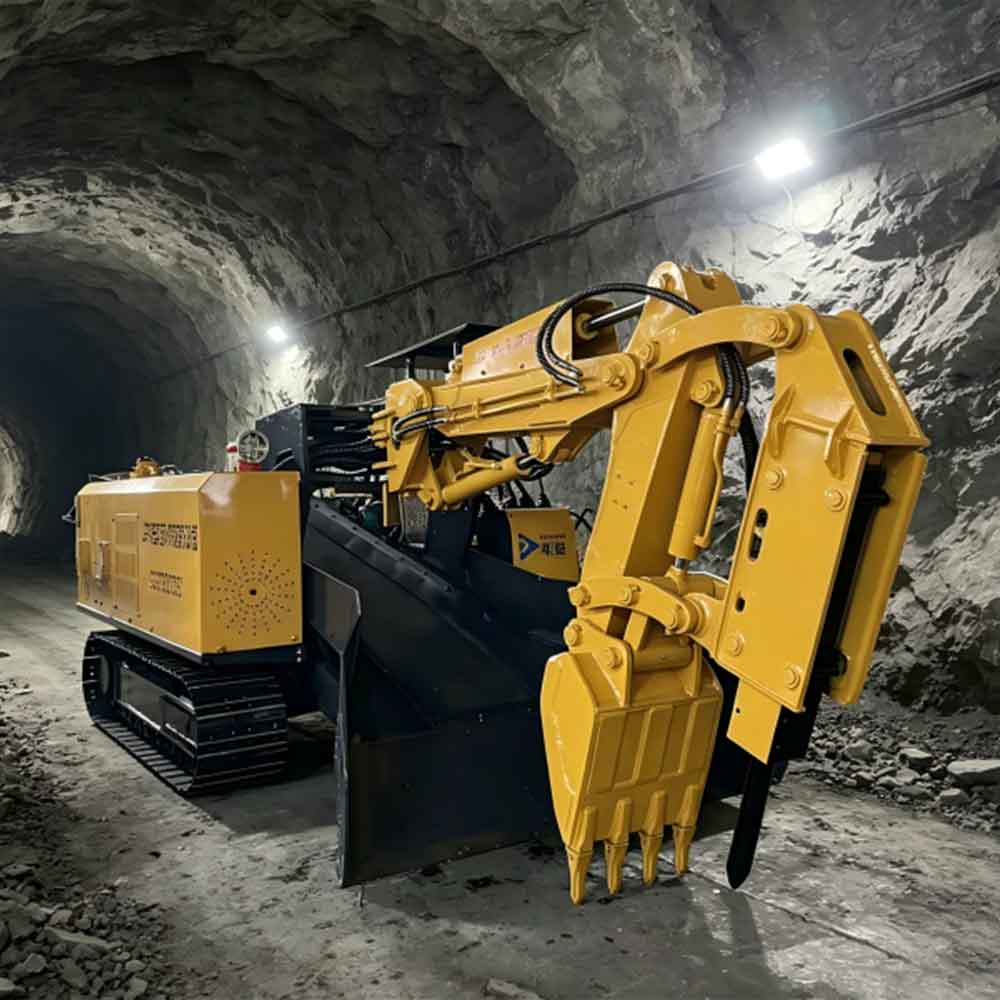
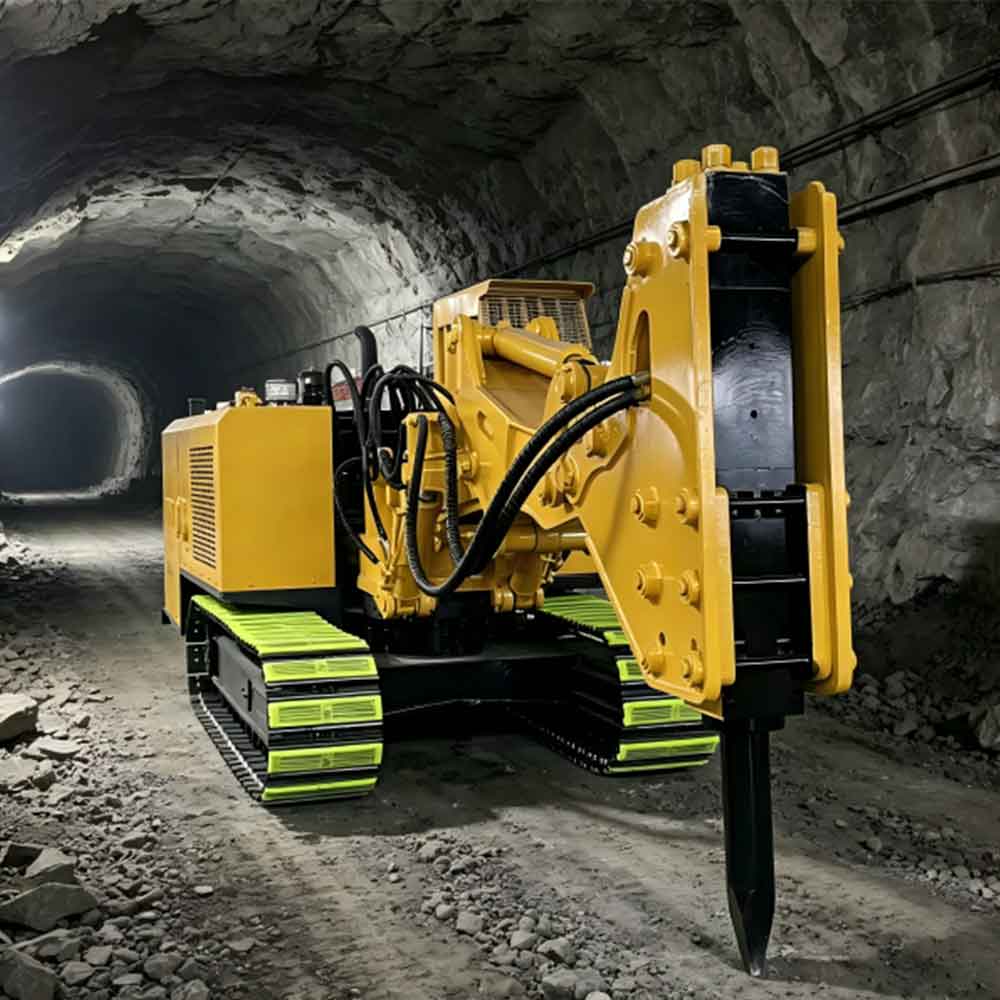
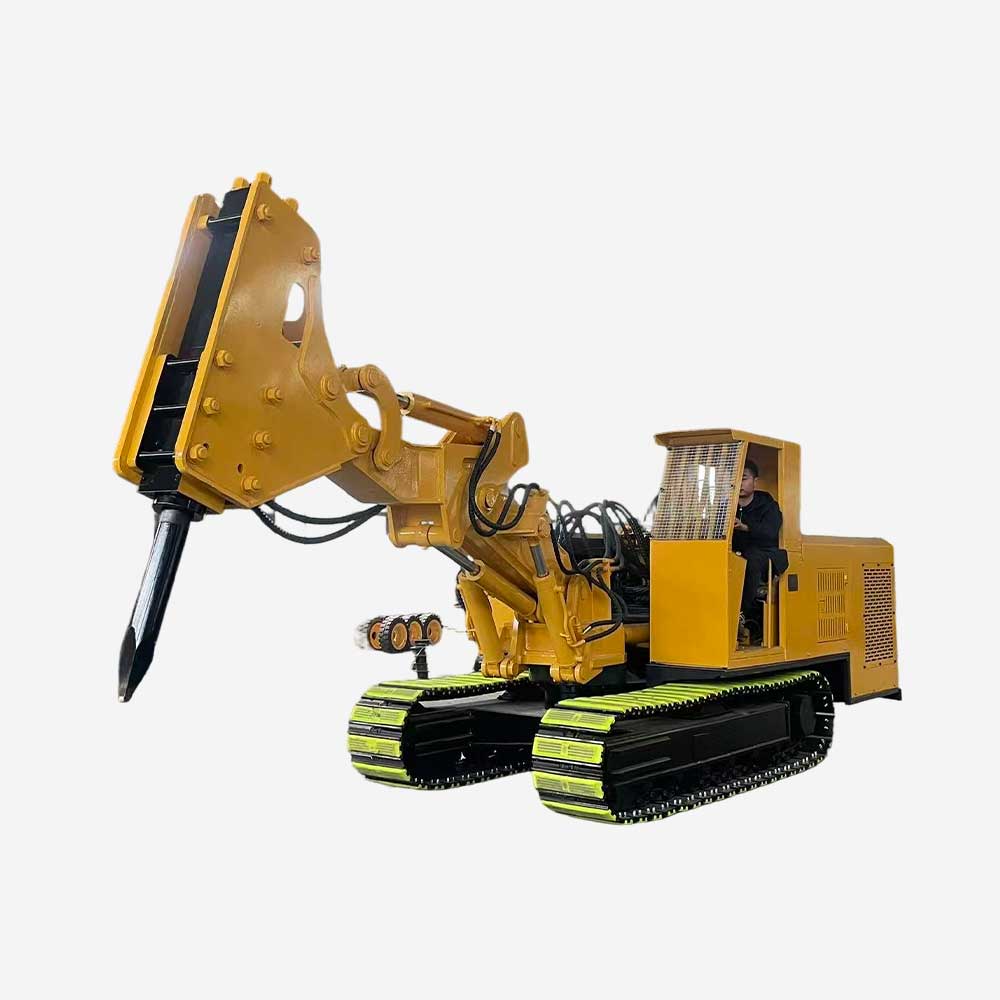
- Hydraulic breakers and hammers
- Drilling jumbos
- Shuttle cars
Each equipment type plays a critical role in mining efficiency. According to Mining Global, integrating modern underground equipments can increase material handling efficiency by 30–40%, reduce labor fatigue, and improve safety.
Types of Underground Mining Equipments
1. Load-Haul-Dump (LHD) Machines
- Ideal for material transport in tunnels
- Can navigate tight spaces while carrying significant payloads
- Examples: Low-profile LHDs for narrow coal seams
2. Underground Mining Trucks
- Designed for high payload transport within underground tunnels
- Offer durability and high maneuverability in confined conditions
3. Drilling Jumbos
- Equipped for precise drilling of blast holes
- Multi-boom jumbos allow faster excavation and reduced cycle times
4. Hydraulic Hammers and Breakers
- Used for breaking hard rock or concrete in tunnels
- Reduce manual labor and improve cycle efficiency
5. Shuttle Cars
- Transport ore from the mining face to LHDs or conveyors
- Efficient in medium-length tunnels and high-frequency cycles
Key Features to Consider When Selecting Equipments
- Tunnel Size Compatibility—Equipment must fit tunnel dimensions without compromising maneuverability.
- Payload and Capacity – Choose machines that handle the required material volume efficiently.
- Operator Safety – Ergonomic cabins, vibration reduction, and emergency systems are crucial.
- Durability—Reinforced frames, high-quality hydraulics, and long-life wear parts.
- Maintenance Accessibility—Easy-to-service machines reduce downtime.
- Integration Potential – Compatibility with conveyors, loaders, and other equipment.
Case Study: Boosting Efficiency in an Underground Coal Mine
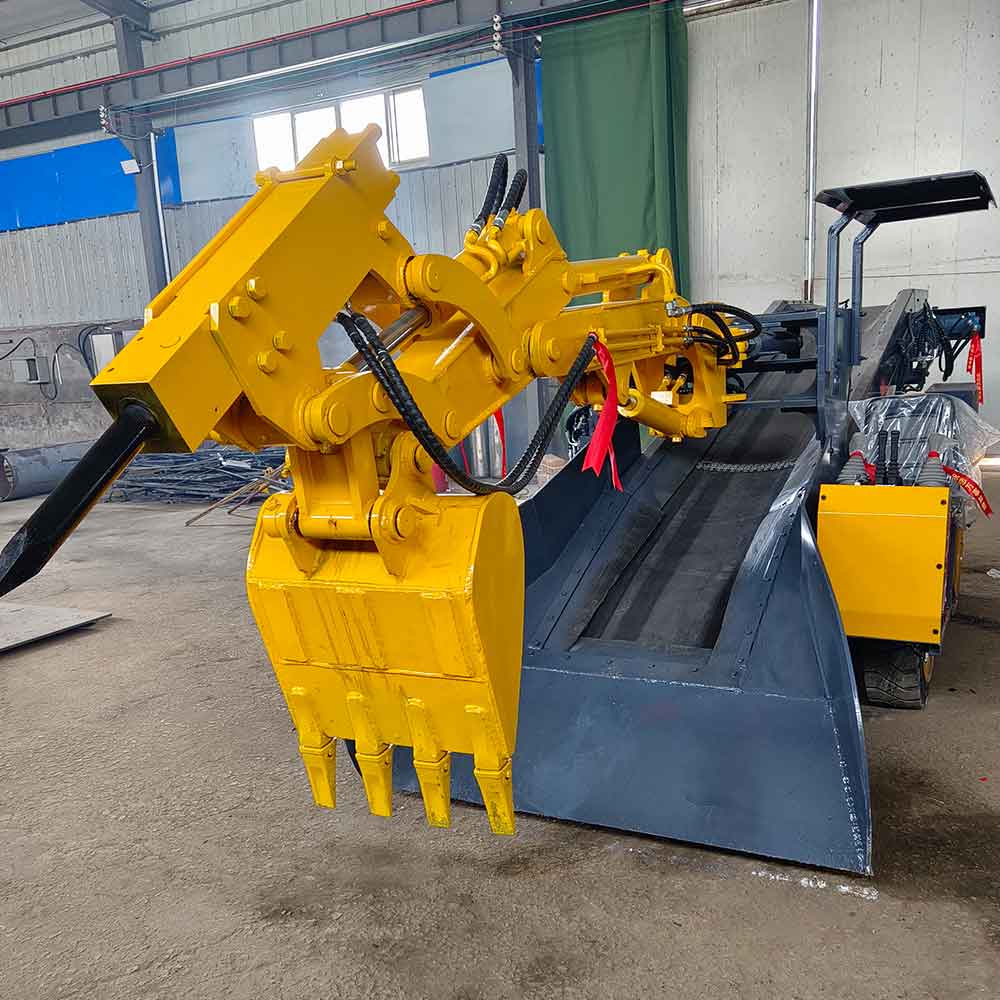
Background
A coal mine producing 1,800 tons/day faced bottlenecks due to slow material handling and outdated equipment.
Solution
- Replaced outdated loaders with low-profile LHDs and hydraulic hammers
- Implemented shuttle cars integrated with conveyor belts for faster removal
- Trained operators on efficient cycle management
Results Over 6 Months
| Metric | Before Upgrade | After Upgrade | Improvement |
|---|---|---|---|
| Daily Ore Transport (tons) | 1,800 | 2,600 | +44% |
| Loader Cycle Time (minutes) | 28 | 16 | −43% |
| Maintenance Downtime (hours/week) | 40 | 15 | −62% |
| Safety Incidents per Quarter | 5 | 1 | −80% |
This example demonstrates how deploying the right underground mining equipments can improve efficiency, reduce labor intensity, and enhance safety.
Operational Best Practices
Workflow Optimization
- Assign equipments to specific tunnel sections to avoid congestion
- Monitor cycle times to identify bottlenecks
- Synchronize LHDs, trucks, and conveyors for continuous material flow
Maintenance Strategies
- Daily checks on hydraulics, tires, and wear components
- Scheduled preventive maintenance every 500–1000 operational hours
- Use predictive monitoring tools for vibration, temperature, and pressure
Safety Enhancements
- Proximity sensors to prevent collisions
- Dust suppression systems integrated into loaders and trucks
- Operator training and ergonomics optimization
Integration of Modern Technologies
- Telematics and IoT: Real-time monitoring of equipment performance
- Automation: Semi-automatic or remote-controlled LHDs and trucks
- Hydraulic Attachments: Hammers, drills, or specialized buckets
- Emission Control Systems: Reduce ventilation costs and environmental impact
For more on automation in underground mining, see Mining Technology.
Comparison Table: Underground Mining Equipments
| Equipment Type | Tunnel Suitability | Payload Capacity | Cycle Speed | Maintenance Complexity | Safety Features |
|---|---|---|---|---|---|
| LHD Loader | Narrow | 3–12 tons | Fast | Medium | High |
| Underground Truck | Medium | 6–20 tons | Moderate | Medium | Medium |
| Drilling Jumbo | Wide | N/A | Moderate | High | High |
| Hydraulic Hammer | Narrow-Medium | N/A | Fast | Medium | High |
| Shuttle Car | Medium | 3–8 tons | Fast | Low | Medium |
Real-World Example: Hard Rock Mine
A hard rock mine integrated low-profile LHDs and hydraulic breakers in tight tunnels. Operators were trained in cycle optimization and safety protocols.
Outcome:
- Daily throughput increased by 38%
- Material handling downtime reduced by 50%
- Safety incidents decreased by 70%
Conclusion
Selecting and properly deploying the right underground mining equipments is essential to maximize productivity, reduce operational costs, and improve safety in your mine. By analyzing tunnel conditions, material characteristics, and production goals, you can choose equipment that enhances efficiency while ensuring long-term operational reliability.
Contact our team at pinganmachinery today for a personalized consultation. Let us help you optimize your underground mining operation with the right equipments tailored to your needs.
FAQ
What are underground mining equipments used for?
They are used to extract, transport, and process ore or minerals efficiently and safely.
How do I choose the right underground mining equipments?
Consider tunnel size, material type, production targets, and maintenance capabilities.
Can these equipments operate in narrow tunnels?
Yes, low-profile LHDs and compact loaders are designed for confined underground spaces.
How often should underground mining equipments be maintained?
Daily inspections and preventive maintenance every 500–1000 operational hours are recommended.
Do modern underground mining equipments improve safety?
Yes, they reduce manual labor, incorporate protective systems, and improve operational visibility.
Can these equipments integrate with conveyors or trucks?
Absolutely, integration ensures faster material transport and reduces idle time.