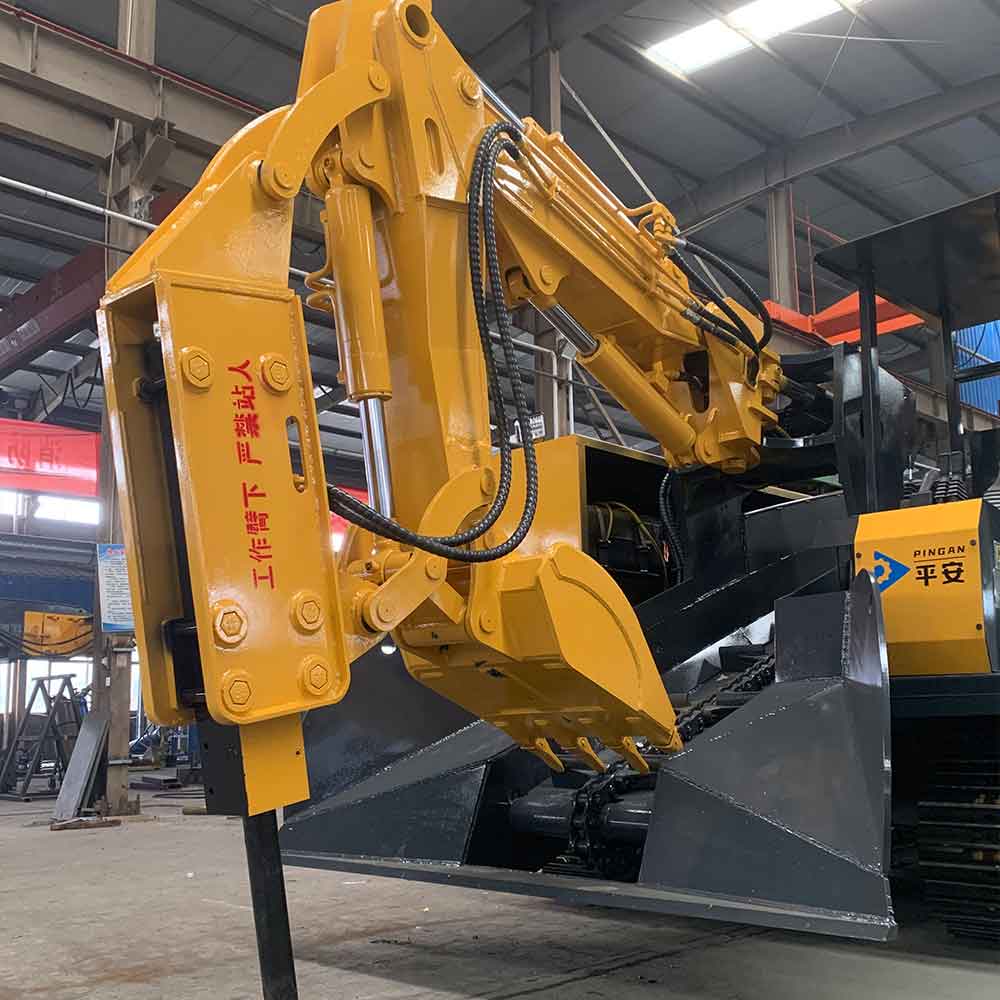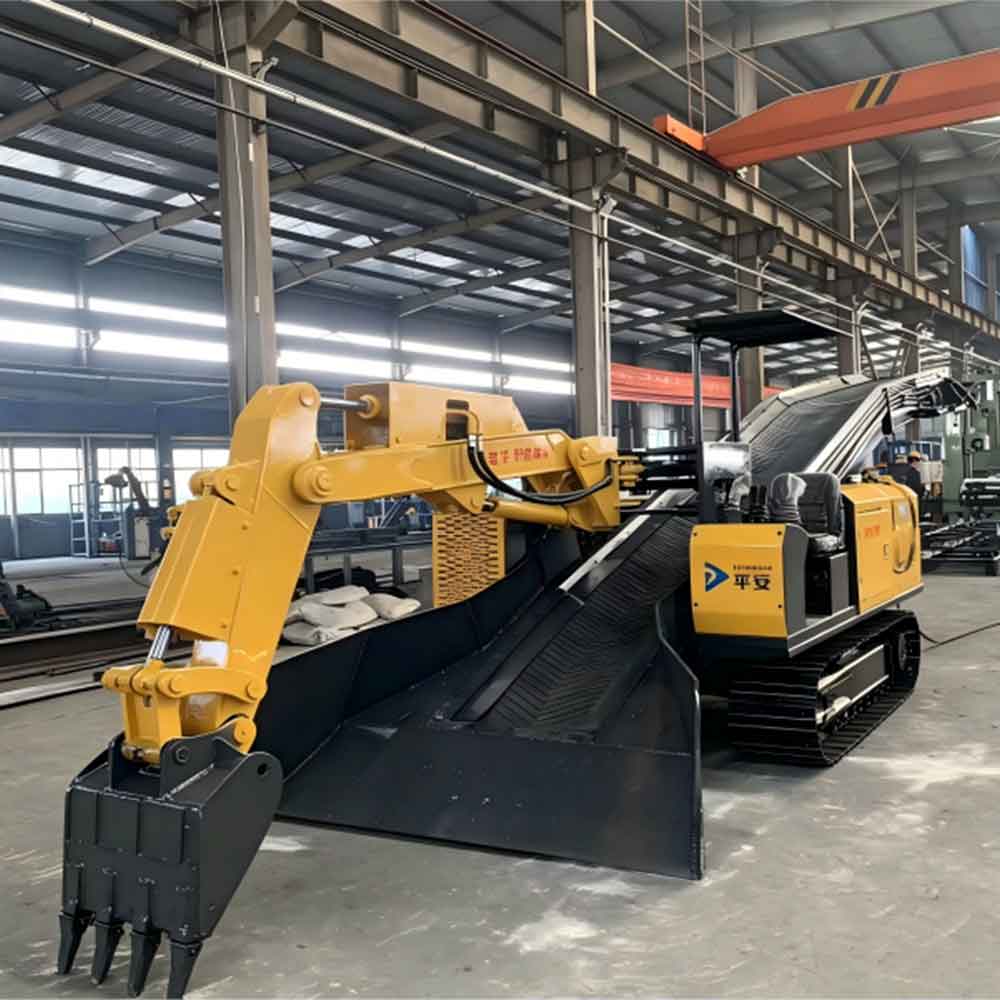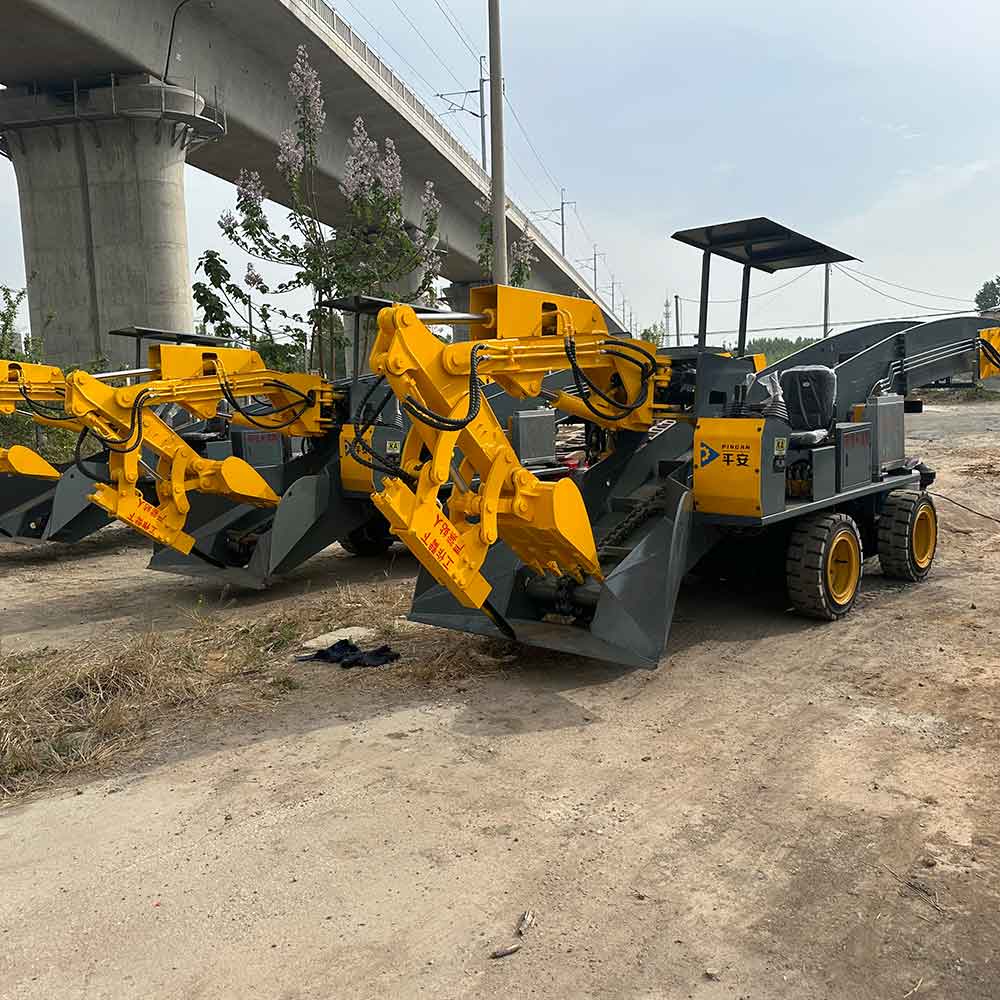
Table of Contents
In mining and quarry operations, selecting the right machinery is critical. As a manager, engineer, or equipment planner, you often face a common question: Loader vs Excavator—which machine is best for your operation? The answer depends on tunnel size, material type, cycle times, and safety considerations. Choosing incorrectly can lead to inefficiencies, increased costs, and higher safety risks.
This guide is written to help you understand the key differences between loaders and excavators, their applications, performance metrics, and integration strategies. You’ll also see real-world cases, comparison tables, and actionable insights to make informed equipment decisions.
Understanding the Roles of Loaders vs Excavators
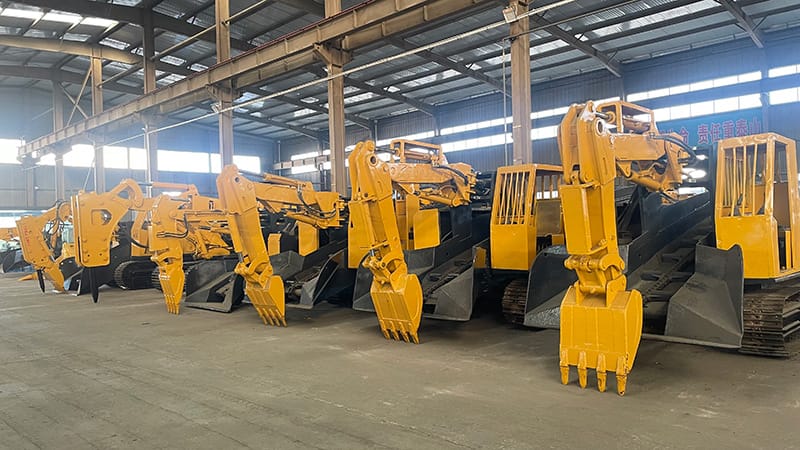
Loaders
Loaders are primarily designed for material handling and transport. They excel in:
- Moving broken rock, coal, or aggregate from the face to transport points
- Loading trucks or conveyors efficiently
- Operating in confined spaces with high maneuverability
Excavators
Excavators are designed for digging, trenching, and material extraction. Their features include:
- Powerful hydraulic arms for breaking and lifting material
- Versatile attachments, including buckets, hammers, and grapples
- Precision in digging and trenching operations
The excavators can improve extraction rates by up to 35% when deployed in appropriate seam conditions.
Key Differences Between Loaders vs Excavators
| Feature | Loader | Excavator |
|---|---|---|
| Primary Function | Material transport and loading | Digging, trenching, and extraction |
| Typical Tunnel Use | Narrow to medium tunnels | Medium to wide tunnels |
| Maneuverability | High | Moderate |
| Cycle Time | Fast for short distances | Slower but precise |
| Operator Skill | Moderate | Requires trained operator for attachments |
| Maintenance | Simple hydraulic systems | Complex hydraulic and attachment systems |
Understanding these differences allows you to select the right machine based on your operational requirements.
Case Study: Optimizing Coal Extraction in Tight Tunnels
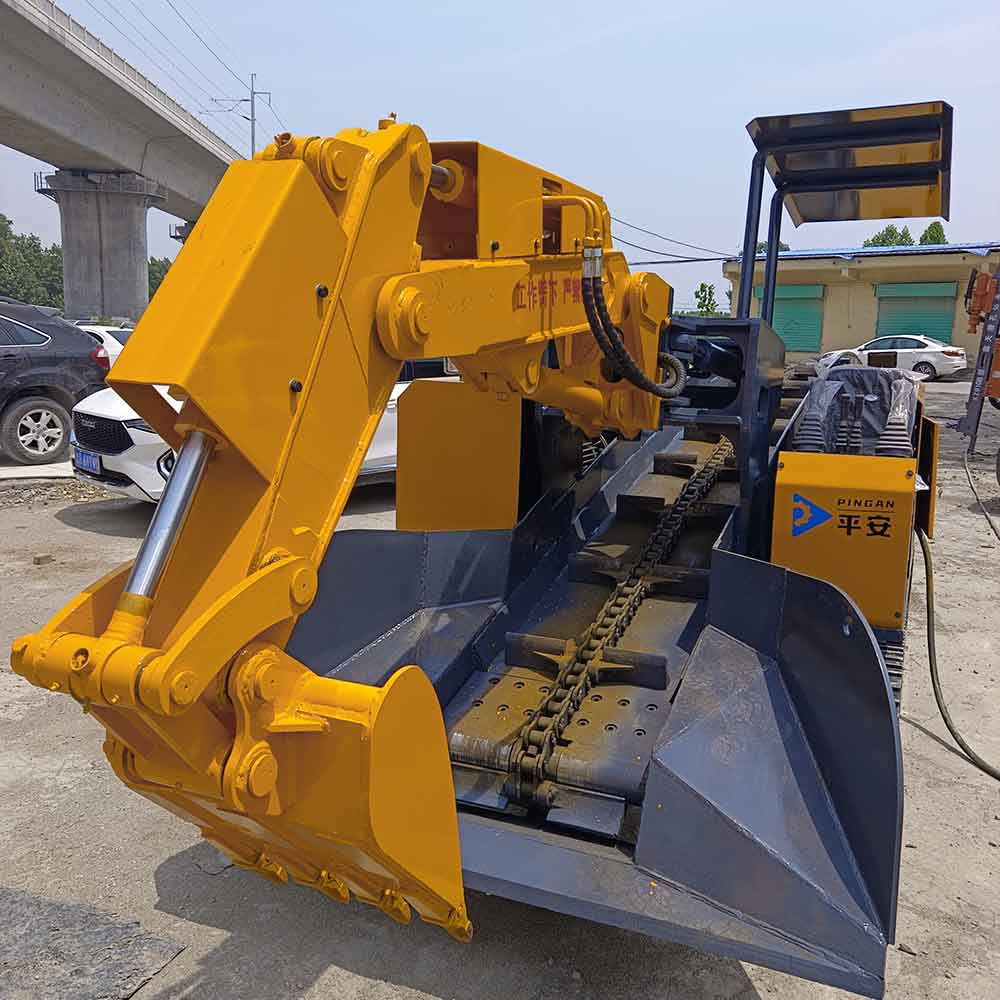
Background
A mid-sized underground coal mine struggled with slow material transfer. They had narrow tunnels and hard coal seams. Existing loaders were frequently overworked, and excavators were underutilized.
Solution Implemented
- Compact LHD loaders matched to tunnel width for faster transport
- Medium-sized hydraulic excavators for face extraction
- Conveyor integration to reduce double handling
Results Over Six Months
| Metric | Before | After | Improvement |
|---|---|---|---|
| Coal Production (tons/day) | 1,900 | 2,800 | +47% |
| Loading Cycle Time | 28 min | 16 min | −43% |
| Equipment Downtime (hrs/week) | 36 | 15 | −58% |
| Safety Incidents per Quarter | 5 | 1 | −80% |
This case illustrates the importance of pairing loaders and excavators based on their strengths.
Choosing the Right Equipment for Your Operation: Loader vs Excavator?
1. Assess Tunnel Size
- Narrow tunnels: prioritize compact loaders for material transport
- Wider tunnels: excavators can operate effectively with attachments
2. Analyze Material Type
- Soft to medium coal or ore: loaders can handle direct transfer
- Hard rock: excavators with hydraulic hammers improve breakage efficiency
3. Match Production Goals
- High throughput: use loaders for fast transport cycles
- Precision digging: excavators improve extraction quality
4. Prioritize Safety
- Reduce operator exposure with remote or semi-automated machines
- Ensure machines have protective cabs and proper ventilation
Advanced Features and Technology Integration
Automation and Remote Control
- Remote-operated loaders and excavators reduce human exposure in hazardous conditions
- Sensors and IoT integration allow predictive maintenance and operational monitoring
- Highlights that remote operations can reduce operator fatigue by 25–30%
Hydraulic Attachments
- Excavators benefit from hydraulic hammers, grapples, and specialized buckets
- Loaders can also integrate specialized forks or scoops for diverse material handling
Environmental Compliance
- Dust suppression and low-emission engines improve air quality in tunnels
- Noise and vibration reduction protect operator health
- Check US Environmental Protection Agency Mining Guidelines for compliance standards
Integrating Loaders and Excavators into Workflow
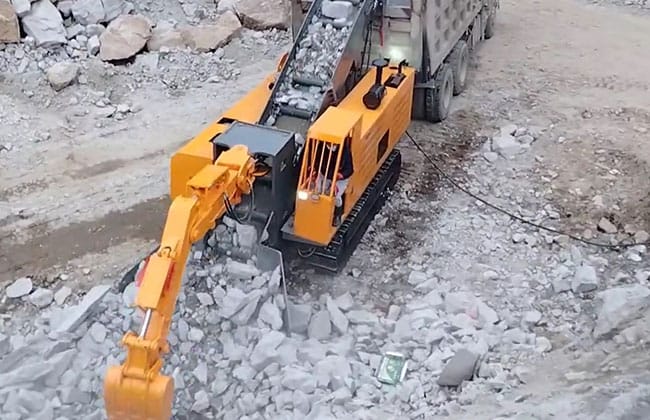
Efficient operation requires synchronized use of loaders and excavators:
- Excavators break and extract material at the face
- Loaders transport material to conveyors or trucks
- Real-time monitoring ensures minimal idle time
- Scheduled maintenance prevents unexpected downtime
Efficient integration can boost overall mine productivity by 15%, according to Mining Weekly.
Comparison Table: Loader vs Excavator Applications
| Application | Loader Advantage | Excavator Advantage | Recommendation |
|---|---|---|---|
| Narrow underground tunnels | Compact size, fast transport | Limited due to size | Use loader |
| Hard rock extraction | Limited breaking power | Hydraulic hammer attachment | Use excavator |
| Short-distance hauling | High cycle speed | Moderate | Loader preferred |
| Precise trenching | Less precise | High precision | Excavator preferred |
| Multi-task flexibility | Transport and light digging | Digging + attachments | Combined use |
Conclusion
Choosing between loaders and excavators is not about one being better than the other—it’s about understanding your operational requirements and leveraging the strengths of each machine. By integrating the right mix, applying advanced technology, and optimizing workflow, you can significantly improve safety, efficiency, and profitability.
Contact our team at pinganmachinery for expert guidance and a tailored equipment solution. Let’s help you select the right machinery for your mining or quarry operations and maximize your operational performance today.
FAQ
Loader vs excavator, which machine is better for underground mining?
When comparing loader vs excavator for underground mining, loaders are generally better for fast material handling and haulage in narrow tunnels, while excavators are more suitable for digging, breaking, and precise extraction at the working face. In most underground operations, using both together delivers the best results.
How should I choose between loader vs excavator for quarry operations?
The choice between loader vs excavator in quarry operations depends on your workflow. Excavators are ideal for primary excavation and rock breaking, while loaders excel at moving and loading material efficiently. Many quarries rely on excavators for extraction and loaders for transport to maximize productivity.
In loader vs excavator comparisons, which one is more efficient for material handling?
In a loader vs excavator comparison focused on material handling, loaders are typically more efficient due to faster cycle times, better maneuverability, and higher travel speeds. Excavators, however, are more efficient for stationary digging and controlled material placement.
Can loader vs excavator decisions impact mining safety?
Yes, loader vs excavator decisions directly affect mining safety. Using loaders in confined spaces reduces congestion and collision risks, while excavators keep operators at a safer distance during rock breaking. Choosing the right machine for each task improves overall site safety.
Is it better to invest in a loader or excavator first when comparing loader vs excavator?
When evaluating loader vs excavator for initial investment, you should prioritize the machine that addresses your biggest operational bottleneck. If material transport is slowing production, start with a loader. If extraction or rock breaking is the main challenge, an excavator may deliver faster returns.