Table of Contents
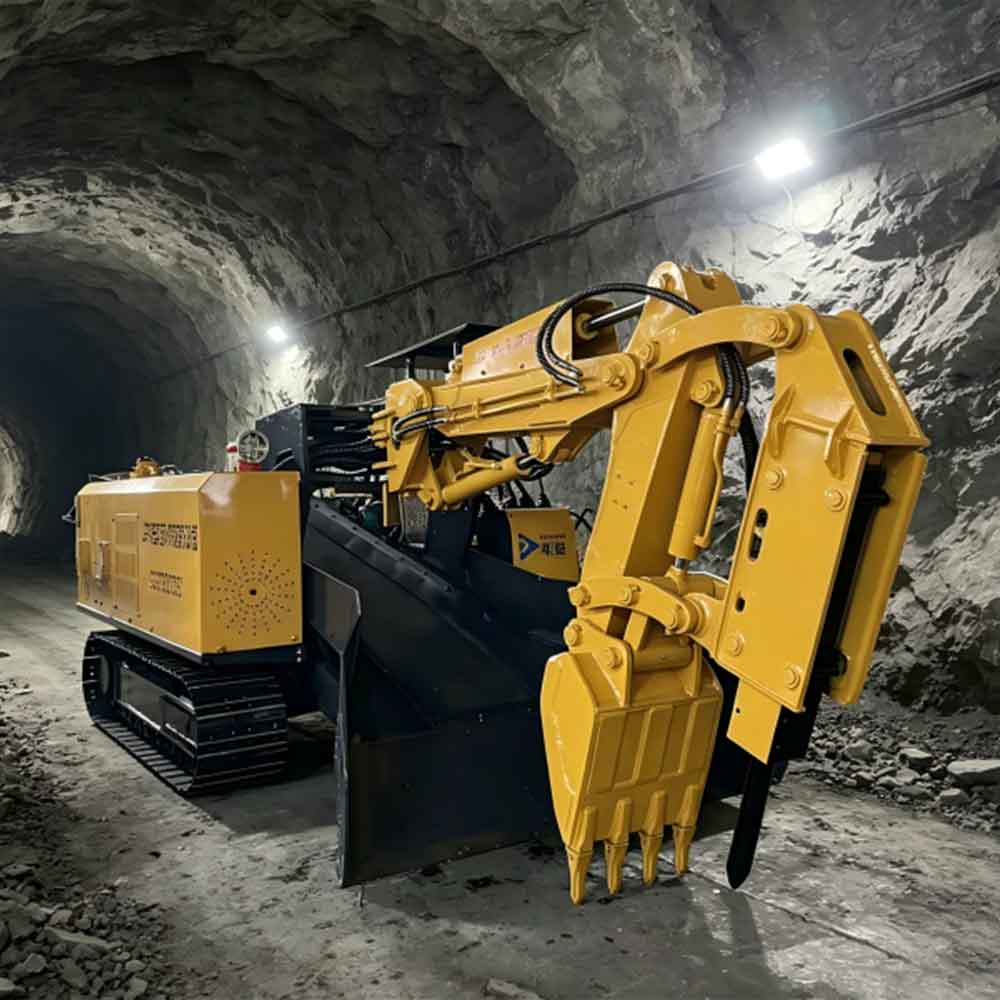
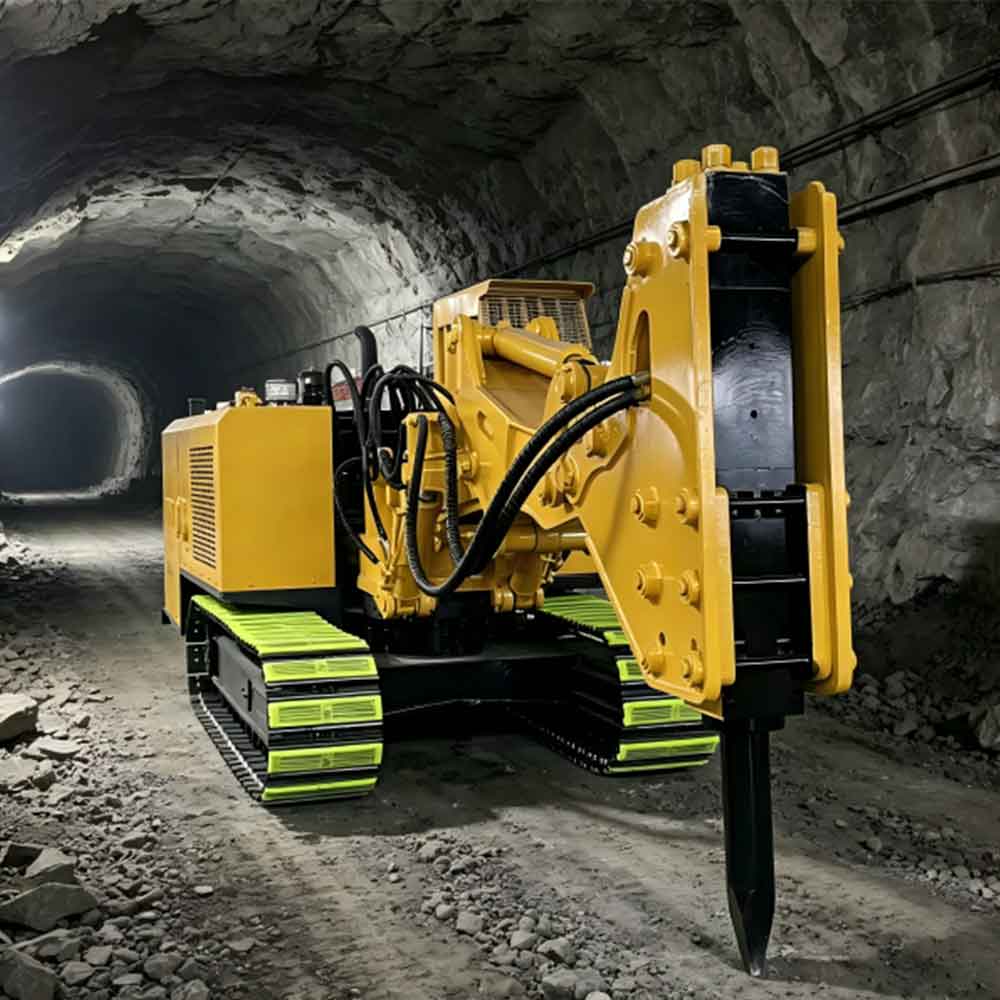
Underground coal mining equipment is one of the most demanding industrial operations in the world. You have narrow tunnels, confined spaces, heavy material, safety risks, and the constant pressure to improve productivity while protecting your workforce. Selecting and integrating the right underground coal mining equipment is not just a matter of efficiency—it directly impacts your bottom line, safety performance, and long-term viability of your mine.
This article is written for you—the mine manager, equipment planner, or procurement leader who needs actionable insights that translate into safer, faster, and more economical coal production. We’ll walk through equipment types, use cases, practical strategies, and performance data to help you make better decisions.
Understanding the Core Challenges in Underground Coal Mining Equipment
Before selecting equipment, you must understand the environment you’re operating in:
- Space constraints: Tunnels are narrow, low, and irregular.
- Safety risks: Roof falls, gas hazards, and poor ventilation.
- Material handling: Coal seams can produce dust and require precise loading/haulage.
- Productivity pressure: Your ROI depends on continuous production flow.
According to industry reports from the Coal Operators’ Conference, over 40% of delays in underground coal operations are attributed to inefficient material handling and equipment misalignment with geological conditions. If you’re losing time here, your overall output will suffer.
Key Categories of Underground Coal Mining Equipment
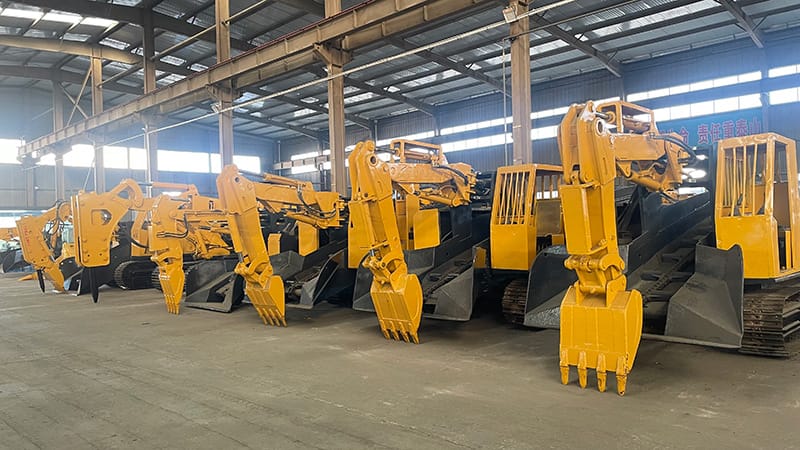
Underground mining systems are complex, but most equipment falls into several key groups:
1. Cutting and Excavation Tools
Your mining operation depends on reliable cutting tools that can handle varying seam hardness without excessive wear. These include:
- Roadheaders and continuous miners for soft to medium seams
- Hard rock cutter systems for abrasive coal
- Specialized picks and cutting heads designed for coal seams
For further understanding of the mechanical principles behind cutting tools, the International Society for Mine Surveying and Design provides detailed insights into modern tunnel excavation techniques.
2. Load-Haul-Dump (LHD) Machines
LHDs are your workhorses for moving broken coal from the face to a transfer point or conveyor belt. They must combine:
- Compact designs for narrow tunnels
- High load capacity
- Fast cycle times
A well-matched LHD can reduce cycle times by 15–25% compared to generalized loaders, according to case data from underground mining equipment performance reviews.
3. Haulage and Transport Systems
Once coal is loaded, it must be transported efficiently:
- Articulated haul trucks for larger tunnels
- Track-mounted rail transport for tight spaces
- Conveyor systems for continuous throughput
Efficient haulage is often overlooked, but it can cut energy costs and reduce downtime. For a comparison of haulage technologies, see this overview on mining logistics from Mining Global.
4. Roof Support and Safety Systems
Your team’s safety is paramount. Roof support equipment prevents collapses:
- Hydraulic roof bolters
- Steel or resin-based bolt systems
- Mesh and shotcrete support
Proper roof support reduces ground fall incidents by up to 60%, according to safety analyses shared by the Mine Safety and Health Administration.
Real-World Case: Boosting Productivity in a Complex Coal Seam
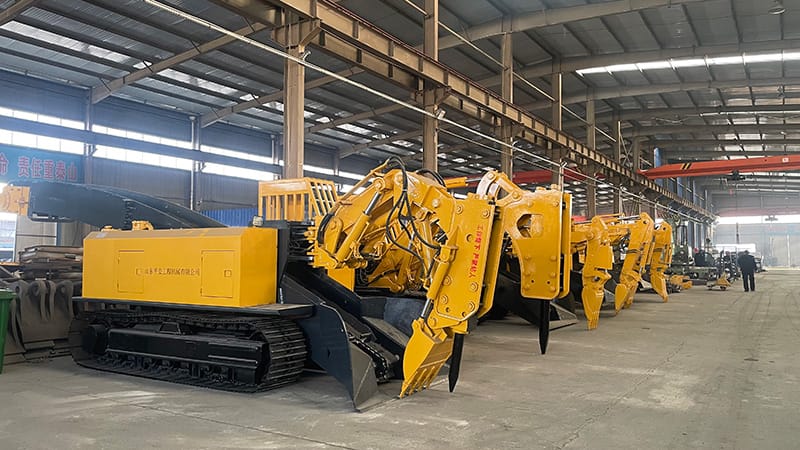
Project Background
A mid-level coal mine was struggling with frequent downtimes due to poor equipment-job matching. The tunnel layout was narrow, the coal relatively hard, and dust levels high—all factors that negatively impacted production and safety.
Solution Strategy
The mine implemented a tailored equipment suite:
- Medium-profile continuous miner with reinforced picks
- Compact LHD with high breakout force
- A combination of haul trucks adapted to tunnel width
- Enhanced roof support with hydraulic bolting
Measurable Benefits (6 Months Post-Implementation)
| Metric | Before Optimization | After Optimization | Improvement |
|---|---|---|---|
| Average production (tons/day) | 2,200 | 3,150 | +43% |
| Equipment downtime (hrs/week) | 35 | 18 | −49% |
| Safety incidents (per quarter) | 5 | 1 | −80% |
| Cycle times (coal transfer) | 28 min | 18 min | −36% |
This real-world result demonstrates how careful equipment selection and integration drastically improves performance.
Technical Selection: Matching Equipment to Coal Seam Conditions
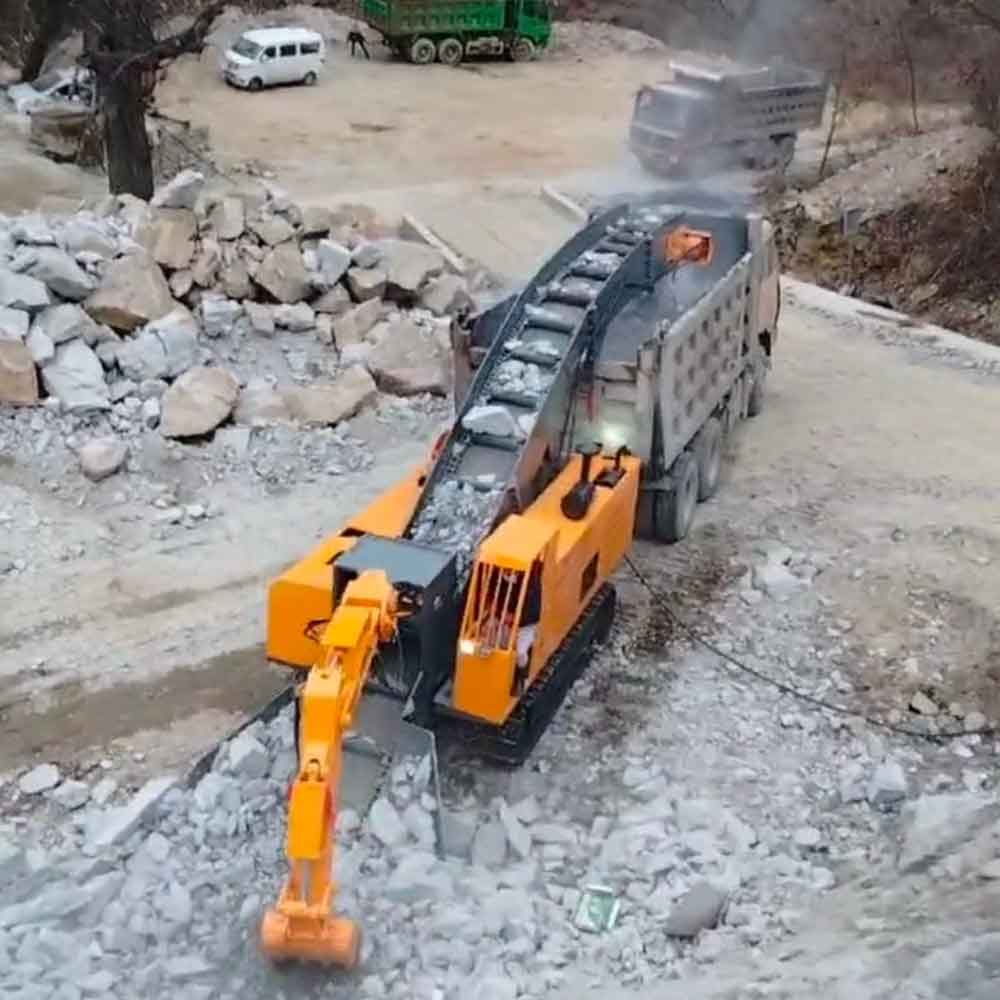
To choose the right underground coal mining equipment, ask yourself:
What is the seam hardness and geology?
Coal seams vary from soft to highly mixed rock layers. Harder seams demand tougher cutting tools with longer life cycles.
For geological classification, the Rock Mass Rating (RMR) system is a useful reference for correlating rock type with excavation performance.
How narrow or irregular is the tunnel?
Narrow passages require low-profile machinery with high articulation to maintain productivity without reducing safety.
What are your ventilation capabilities?
Equipment emissions and dust creation directly influence your ventilation requirements. More emissions and dust mean higher costs and increased health risk.
Advanced Technologies That Improve Underground Mining Efficiency
Automation and Remote Operation
Modern mining technology advancements are pushing automation deeper underground. Remote-operated continuous miners and LHDs allow your operators to stay clear of high-risk zones. According to a recent survey by World Mining Equipment, mines implementing remote technology see productivity increases of 20% with simultaneous decreases in operator fatigue.
Real-Time Monitoring Systems
Internet of Things (IoT) sensors on critical equipment track:
- Hydraulic pressures
- Cycle times
- Wear levels
- Environmental hazards (gas, dust, heat)
These systems allow predictive maintenance, lowering unplanned downtime by up to 30%, according to industry data from mining analytics firms.
Human Factors: Training, Ergonomics, and Safety Culture
Equipment alone doesn’t guarantee success. How your workforce interacts with the systems matters:
- Task-specific training increases operator proficiency
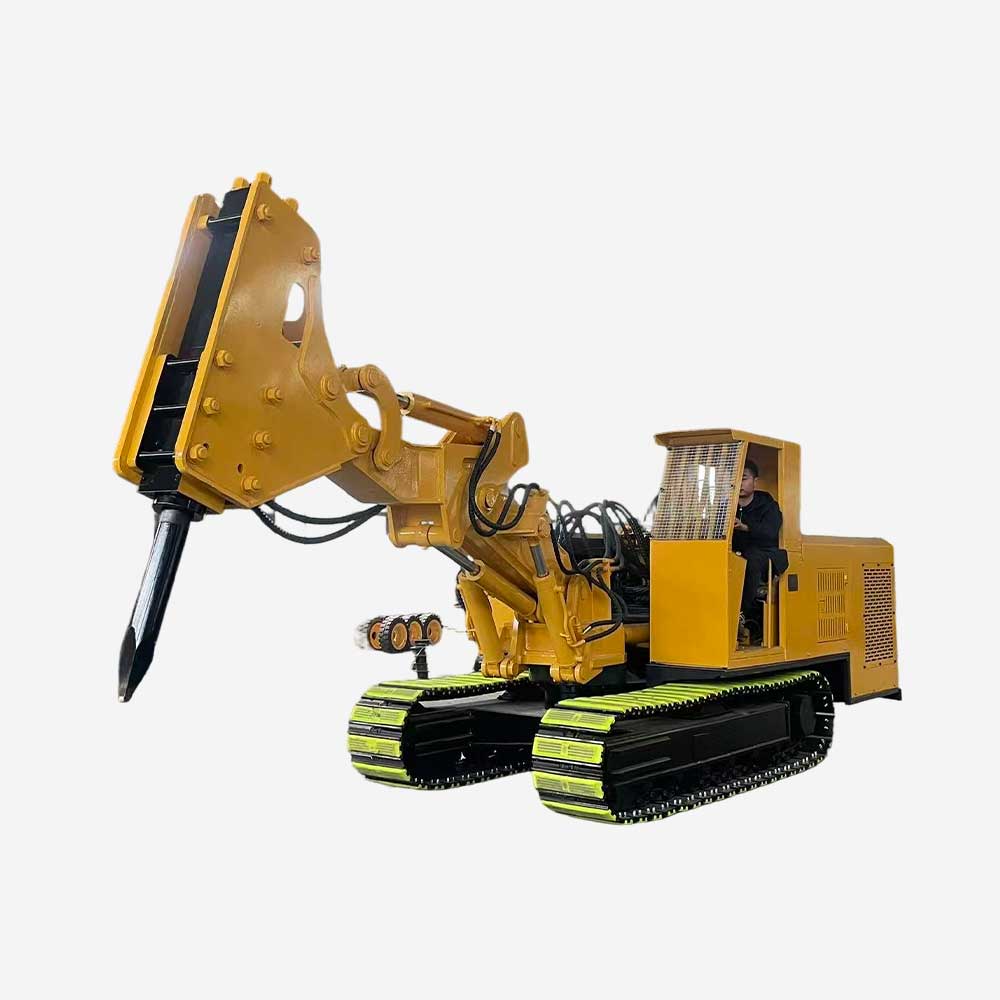
- Ergonomic cabin design reduces fatigue
- Regular safety briefings create an alert environment
The National Institute for Occupational Safety and Health (NIOSH) highlights that ergonomic strains are a leading cause of non-fatal incidents in underground mines, reinforcing the importance of equipment and human interface design.
Maintenance Best Practices for Longevity and Reliability
Even the best underground coal mining equipment needs a structured maintenance program:
- Daily pre-shift checks
- Scheduled lubrication and filter changes
- Monitoring wear parts and replacing before failure
- Detailed service logs
Predictive maintenance driven by sensor data can forecast breakdowns before they occur, enabling you to plan repairs without disrupting production.
Environmental and Regulatory Compliance
Underground coal mining equipment must comply with environmental controls:
- Dust suppression systems
- Emission management
- Noise reduction strategies
- Waste handling and containment
Many countries and regions set strict standards for underground emission and waste levels. A good reference for emission control is the Environmental Protection Agency (EPA) mining guidelines.
Integration with Mine Workflow
Your equipment should not operate in isolation. For maximum efficiency:
- Sync continuous miners with haulage schedules
- Use real-time data to avoid bottlenecks
- Coordinate maintenance with shift planning
- Implement clear communication channels between operators
According to Mining Weekly, seamless integration across systems can improve overall mine efficiency by up to 15%.
Comparison Table: Common Underground Coal Mining Equipment
| Equipment Type | Primary Function | Key Benefit | Typical Use Scenario |
|---|---|---|---|
| Continuous Miner | Excavation & Cutting | Steady material breakage | Medium-hard coal seams |
| Longwall Shearer | High-volume cutting | Continuous high-output | Longwall mining faces |
| Load-Haul-Dump (LHD) | Material hauling | Fast cycle times | Narrow tunnels |
| Roof Bolter | Ground support | Prevents roof falls | All underground conditions |
| Conveyor Shuttle | Material transport | Continuous movement | Large tunnel networks |
| Ventilation & Gas Monitoring | Safety & air quality | Reduces hazards | Every underground operation |
Conclusion
Your choices in underground coal mining equipment shape the productivity, safety, and financial performance of your operations. Understanding machinery types, real-world operational strategies, and how to integrate technology and human factors puts you in a position to drive measurable improvement — not just incremental change.
If you’re ready to optimize equipment decisions and enhance your mining workflow, reach out to our team at pinganmachinery for expert consultation and tailored equipment solutions. Let’s build a safer, more productive future for your coal mining operations.
FAQ
What is included in standard underground coal mining equipment?
Standard equipment includes continuous miners, LHDs, roof support machinery, haulage systems, and ventilation/gas monitoring tools.
How do I select the right underground coal mining equipment?
Match the equipment to tunnel size, material density, and production targets. Lean on geological assessments and performance data.
Can underground coal mining equipment reduce safety risks significantly?
Yes, properly chosen and maintained equipment lowers physical strain, exposure to hazards, and manual handling risks.
Is automation important in modern underground mining?
Absolutely — automation improves consistency, safety, and efficiency.
How often should I schedule maintenance?
Daily checks with monthly and quarterly in-depth service align with industry standards for heavy mining equipment.