Welcome to My Blog!
Before we dive into the content, I’d love for you to join me on my social media platforms where I share more insights, engage with the community, and post updates. Here’s how you can connect with me:
Facebook:https://www.facebook.com/profile.php?id=61581847841977
Now, let’s get started on our journey together. I hope you find the content here insightful, engaging, and valuable.
Table of Contents
Underground mining is one of the most demanding industrial operations you can undertake. The work environment is tight, the forces involved are massive, and the safety risks are significant. In this context, hydraulic jack hammer equipment plays a pivotal role in drilling, rock fragmentation, and excavation. But simply owning a jack hammer isn’t enough — you need to understand how it works, how to choose the right one, and how to maintain it for long-term success.
In this in-depth guide, we walk you through everything you need to know from the perspective of an underground mining equipment manufacturer: how hydraulic jack hammers work, their practical applications, how to select the right model, real-world case studies, safety considerations, maintenance strategies, and best practices to maximize productivity.
Whether you are considering your first purchase, optimizing existing assets, or building specifications for new equipment, this article is designed to give you actionable insights that translate directly into better operational decisions and improved mining outcomes.
What Is a Hydraulic Jack Hammer and How It Works
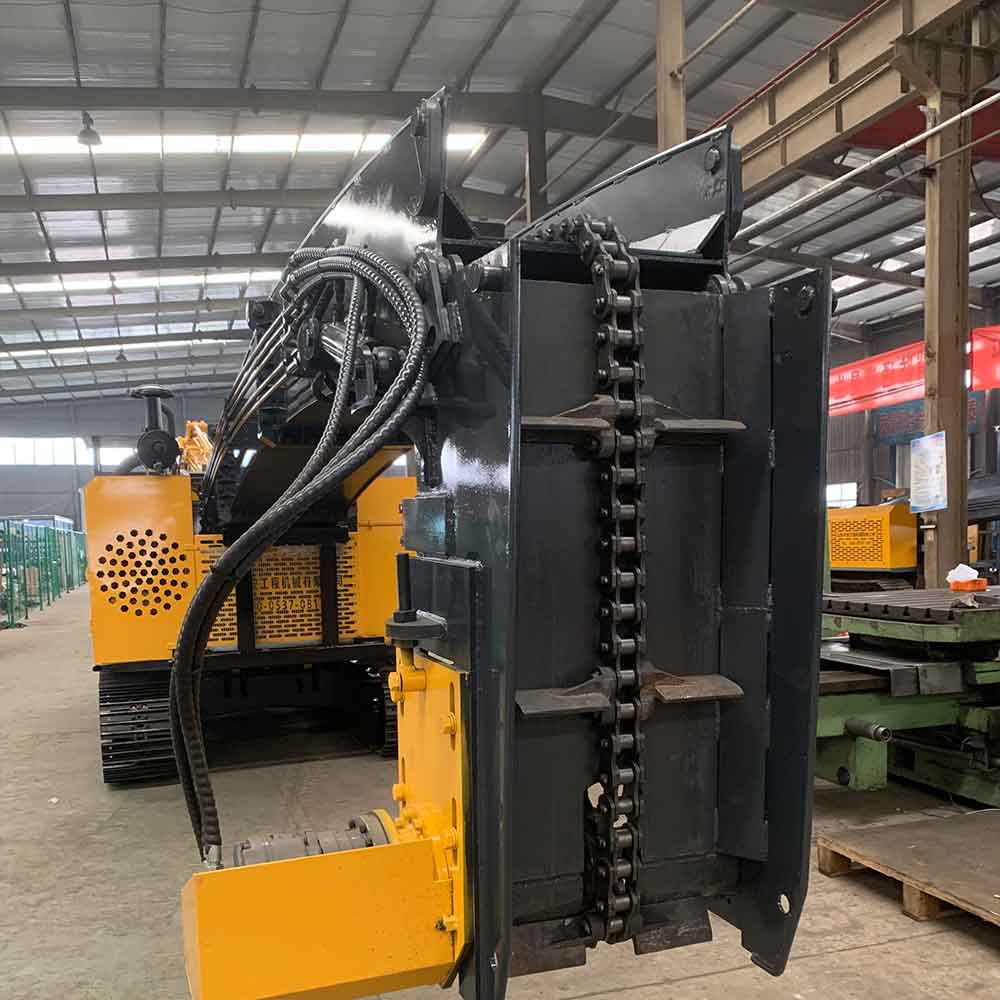
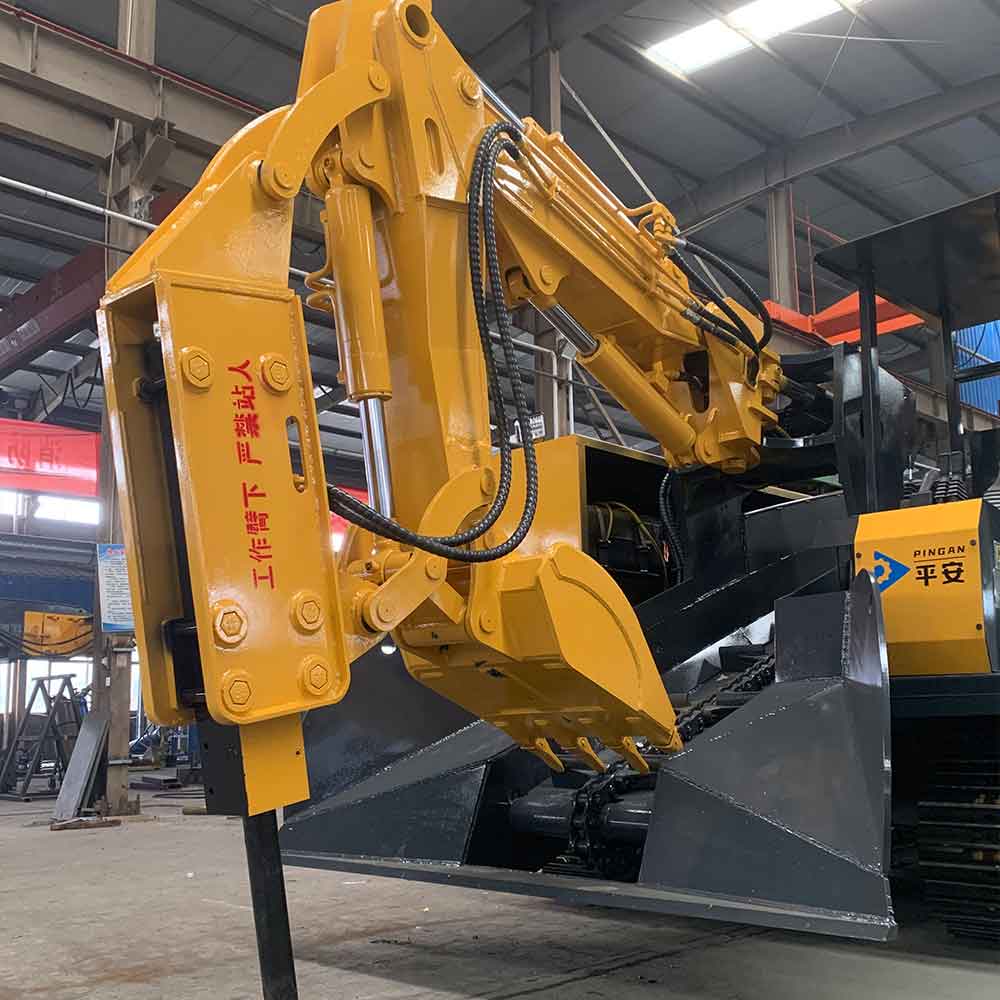
A hydraulic jack hammer — also known as a hydraulic breaker — is a powerful percussion tool designed to break rock, concrete, or other hard materials. Unlike pneumatic breakers driven by compressed air, hydraulic jack hammers use pressurized hydraulic fluid to generate impact force. This makes them ideal for underground mining, where compact power and continuous performance are required.
At the heart of every hydraulic jack hammer is a piston that reciprocates inside a cylinder powered by the machine’s hydraulic system. Each stroke delivers a powerful blow to the tool bit, breaking up material with high impact energy. This mechanism is particularly useful when blasting is not viable or has already been completed, and broken muck needs further reduction.
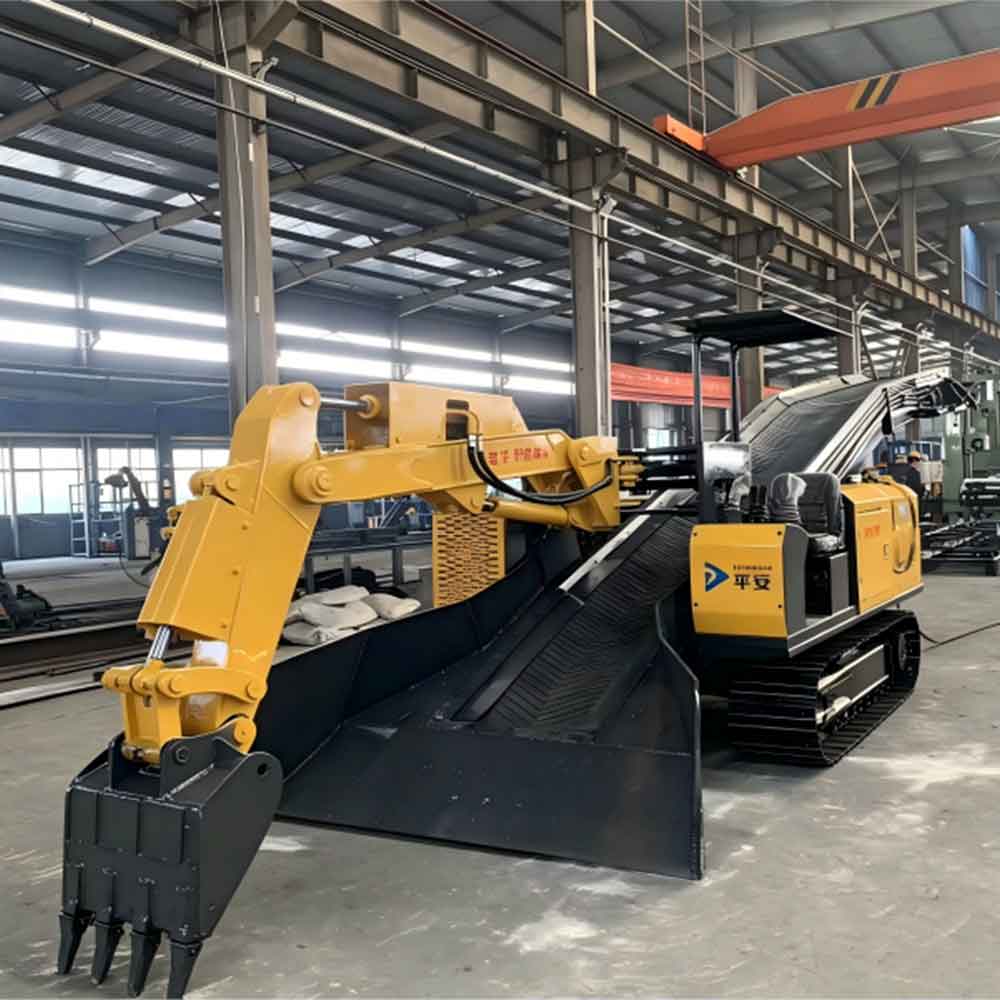
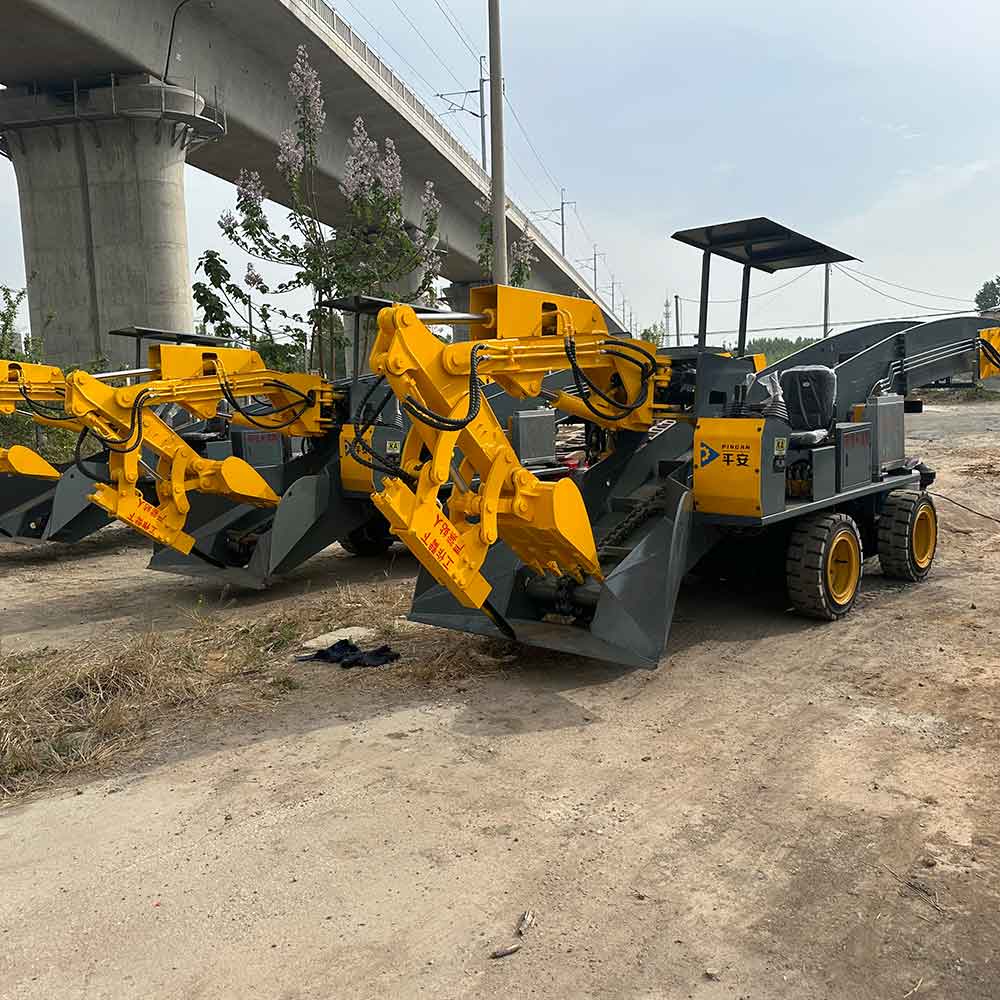
The hydraulic fluid is typically supplied by a carrier machine such as an excavator, backhoe, or dedicated underground drilling rig. This integration allows you to control the breaking force, impact frequency, and operation mode based on the type of material and the conditions underground.
Why Hydraulic Jack Hammers Matter in Underground Mining
In underground mining, space is at a premium. Traditional blasting may be restricted due to ventilation limits, proximity to other operations, or regulatory constraints. Hydraulic jack hammers solve these problems by enabling:
- Controlled breaking: Precisely targeted force reduces overbreak and tunnel damage.
- Improved safety: Operators remain shielded inside a carrier machine cabin.
- Reduced downtime: Continuous operation without waiting for blast clearances.
- Lower vibration: Modern hydraulics minimize vibration, protecting surrounding structures.
According to safety studies from the Mine Safety and Health Administration (MSHA), mechanized rock breaking significantly reduces manual labor injuries when compared with handheld pneumatic tools, especially in confined underground environments.
Types of Hydraulic Jack Hammers Used in Mining
Hydraulic jack hammers come in multiple configurations. Your choice will depend on tunnel size, rock hardness, carrier machine power, and production goals.
Standard Hydraulic Breakers
These are balanced in size and impact power and are often used in medium-hard rock conditions.
Heavy-Duty Hydraulic Jack Hammers
Designed for large-scale material breaking, these are ideal where high impact energy is required for tough rock formations.
Compact Hydraulic Jack Hammers
These smaller units fit into tighter spaces and are optimized for narrow tunnels where standard breakers cannot operate effectively.
Automated or Remote-Controlled Breakers
With increasing adoption of automation in mining, remote-controlled jack hammers allow operators to break rock without remaining in the cab, which increases safety in hazardous conditions.
For a deeper comparison of breaker technologies and their applications, explore resources such as the Hydraulic Breaker Guide from Construction Equipment Guide.
Real-World Operational Case: Improving Production in a Confined Tunnel
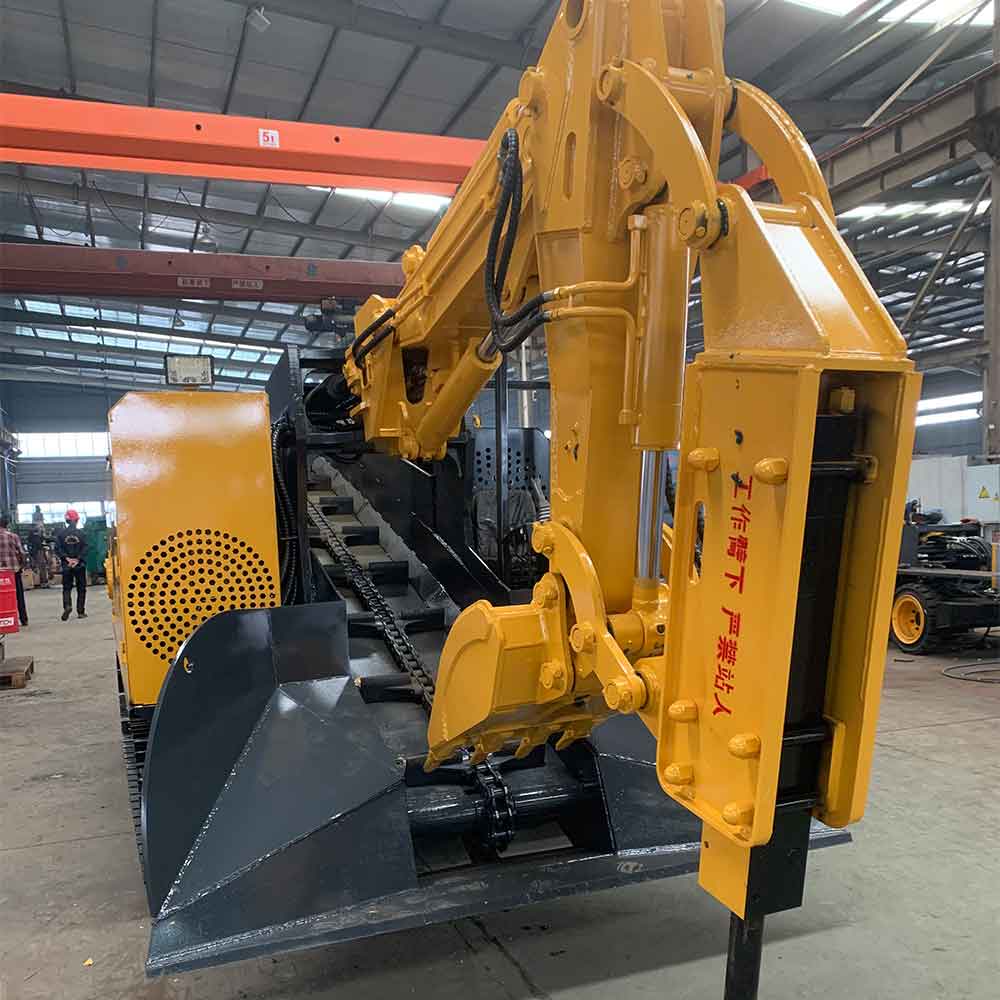
Background
A mid-size underground mining operation was consistently missing production targets due to slow muck reduction. Blasting left rock fragments that could not be efficiently broken by the existing pneumatic tools due to ventilation restrictions and operator fatigue.
Strategy
The mine replaced its outdated tools with a heavy-duty hydraulic jack hammer mounted on a purpose-built carrier compatible with their tunnel dimensions. The key decisions were:
- Matching impact energy to rock strength
- Ensuring the carrier had sufficient hydraulic flow to power the hammer continuously
- Implementing vibration damping to protect operators
Results
Within three months of deployment:
- Loading cycle time improved by 22%
- Average advance rate increased by 18%
- Operator downtime due to fatigue dropped by 35%
- Ventilation costs decreased due to reduced blasting and rework
This shows that choosing the right hydraulic hammer and integrating it properly into your workflow can have measurable effects on production.
Choosing the Right Hydraulic Jack Hammer: Factors You Must Consider
When selecting a hydraulic jack hammer for underground mining, you should evaluate the following:
1. Impact Energy and Frequency
Different rock types require specific impact energy profiles. Harder rocks need higher impact energy and slower cycle frequency, while softer rock may be better suited to higher frequency, lower impact settings.
2. Carrier Machine Compatibility
The hydraulic output of your carrier machine must match the breaker’s requirements. Undersized hydraulic flow will starve the breaker and significantly reduce performance.
3. Tunnel Geometry
Narrow or low-headroom tunnels mean you must choose compact or specially configured breakers. Articulated carriers with a short wheelbase and tight turning radius are often essential.
4. Operational Efficiency
Look not only at peak power but at operational efficiency, which includes uptime, ease of maintenance, and integration with automated systems.
5. Safety Features
Modern breakers include anti-vibration systems, overload protection, and quick disconnects to minimize risk.
Productivity and Cost Analysis
Data from multiple underground projects reveals that a well-matched hydraulic jack hammer can improve overall excavation productivity significantly. Below is a simplified productivity comparison based on project data:
| Metric | Pneumatic Tools | Hydraulic Jack Hammer |
|---|---|---|
| Average Break Rate (tons/hour) | 12–18 | 25–35 |
| Operator Fatigue (Hours/Shift) | High | Low |
| Ventilation Adjustment Time | Frequent | Reduced |
| Maintenance Downtime | Moderate | Low |
| Safety Incidents Related to Breaking | Higher | Lower |
| Overall Advance Rate (meters/week) | 4–6 | 8–10 |
These figures are based on aggregated operational reports from the underground mining sector and internal performance studies. They illustrate how hydraulic equipment often doubles muck handling output compared with traditional options.
Safety and Compliance in Underground Operations
Safety is non-negotiable in underground mining. Hydraulic jack hammers contribute to safer operations in several ways:
- Operators stay inside the carrier cab, reducing exposure.
- Vibration damping systems reduce long-term health risks.
- Real-time monitoring allows predictive maintenance, minimizing failure risk.
- Emergency shutoff systems quickly stop operations in dangerous conditions.
If you have not yet reviewed recommended safety standards related to rock breaking and excavator attachments, the International Labour Organization (ILO) provides useful guidance on mining safety standards.
Maintenance and Longevity: Best Practices
Owning a powerful hydraulic tool is one thing — maintaining its performance over time is another. Here are essential maintenance tips:
- Check and replace hydraulic oil at regular intervals to prevent contamination.
- Inspect seals, hoses, and connection points for wear.
- Ensure tool bits are rotated to distribute wear evenly.
- Clean air filters and cooling systems to prevent overheating.
- Keep a maintenance log to track service history and predict part life.
Studies in maintenance optimization show that proper schedules can reduce unplanned downtime by over 30%.
Technology Trends: What’s Next for Hydraulic Jack Hammers
Technology in underground mining is evolving rapidly. Some emerging trends include:
- Remote-controlled breakers for increased safety
- Condition-based monitoring using sensors and IoT
- Energy recovery systems that improve hydraulic efficiency
- Integration with automated mucking systems for fully synchronized excavation workflows
Implementation Checklist for Your Mine
When you plan a hydraulic jack hammer deployment:
- Define your tunnel dimensions and rock characteristics.
- Calculate required impact energy and hydraulic flow.
- Select a breaker model that matches your carrier.
- Plan operator training and maintenance schedules.
- Monitor initial operation and adjust settings as needed.
- Evaluate performance and safety metrics monthly.
Make Informed Equipment Decisions
Your choice of hydraulic jack hammer is more than just a purchase — it’s a strategic decision that impacts daily productivity, safety outcomes, and long-term operational costs. By understanding how these tools work, how to match them to your conditions, and how to maintain them effectively, you put your project in a position to succeed.
If you are ready to take your underground mining operation to the next level, contact our team for expert consultation and customized hydraulic jack hammer solutions tailored to your specific needs.
Your tunnel progress — and your people — deserve reliable, high-performance equipment.
FAQ
What is the main advantage of hydraulic jack hammers over pneumatic tools?
Hydraulic jack hammers deliver higher impact energy, better control, lower vibration, and more continuous operation ideal for underground environments.
Can hydraulic jack hammers be used in very narrow tunnels?
Yes. Compact models are specifically designed for low-clearance and confined spaces.
How often should maintenance be performed?
Following a preventive maintenance schedule based on operating hours is essential — usually weekly inspection and monthly service are recommended.
What factors determine the right breaker size?
Rock hardness, tunnel geometry, carrier hydraulic capacity, and production targets all influence breaker selection.
Are there remote operation options for jack hammers?
Yes, remote-controlled hydraulic breakers are available and improve safety in hazardous conditions.