Table of Contents
If you are managing or planning an underground mining project, you already know one hard truth: material handling underground is often more challenging than excavation itself. Tight tunnels, uneven floors, ventilation limits, and strict safety requirements mean that choosing the wrong muck machine can slow your operation, increase costs, and expose your crew to unnecessary risk.
As an underground mining equipment manufacturer working closely with mine owners, contractors, and project engineers, we see this challenge repeatedly. Many buyers focus only on bucket size or engine power but overlook how a muck machine truly interacts with tunnel geometry, muck characteristics, and daily production targets.
This article is written to help you think differently. Instead of listing generic features, we will walk you through how a muck machine impacts productivity, safety, and long-term operating cost, using real-world scenarios and data-backed insights you can actually apply.
Why Muck Handling Is the Bottleneck in Underground Mining

In underground operations, excavation is only half the job. Once blasted or cut, material must be removed quickly and consistently to keep the face advancing. According to data published by the Society for Mining, Metallurgy & Exploration, inefficient muck removal can reduce overall tunnel advance rates by 20–35% even when drilling and blasting are optimized.
You may recognize this situation:
- The face is ready, but the tunnel is blocked by loose muck
- Haulage vehicles wait idle for loading
- Operators rush, increasing wear or safety risk
- Ventilation cycles are extended due to delays
This is where a properly selected muck machine becomes a productivity multiplier rather than just another piece of equipment.
What Makes a Muck Machine Different from Other Loaders
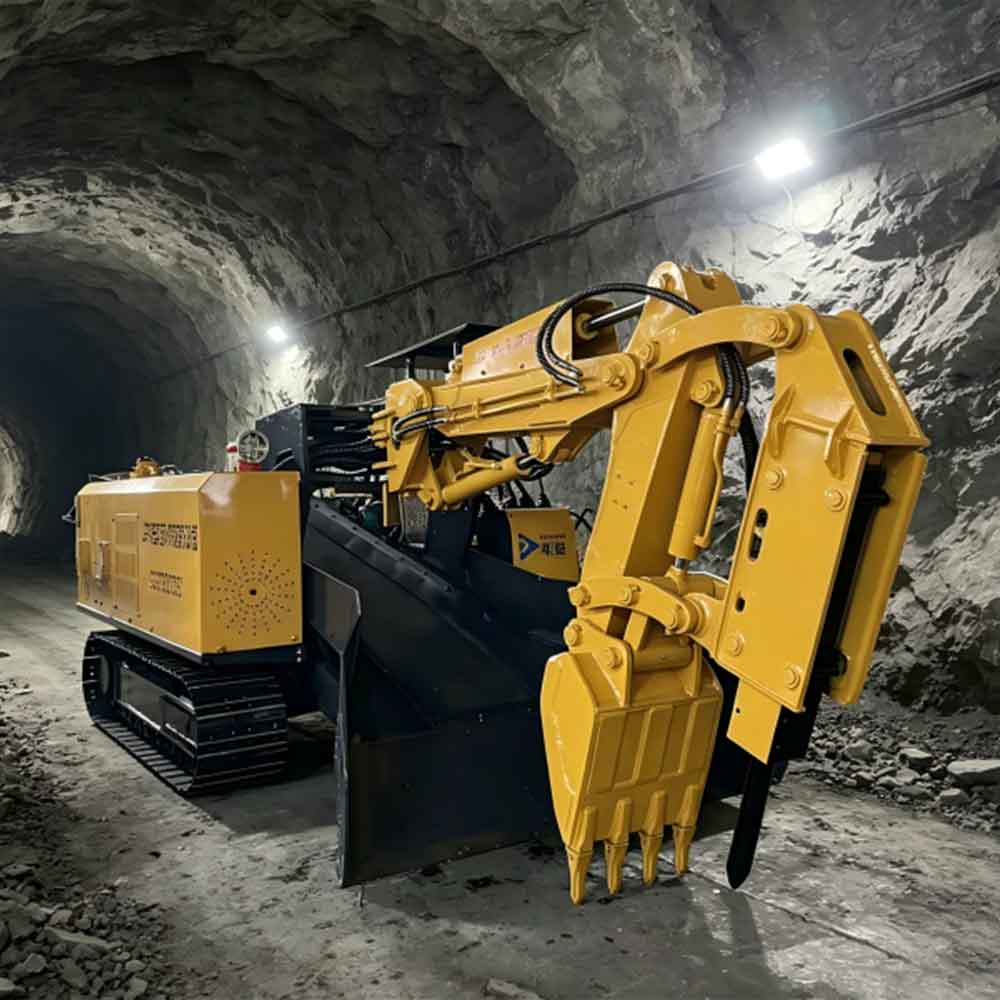
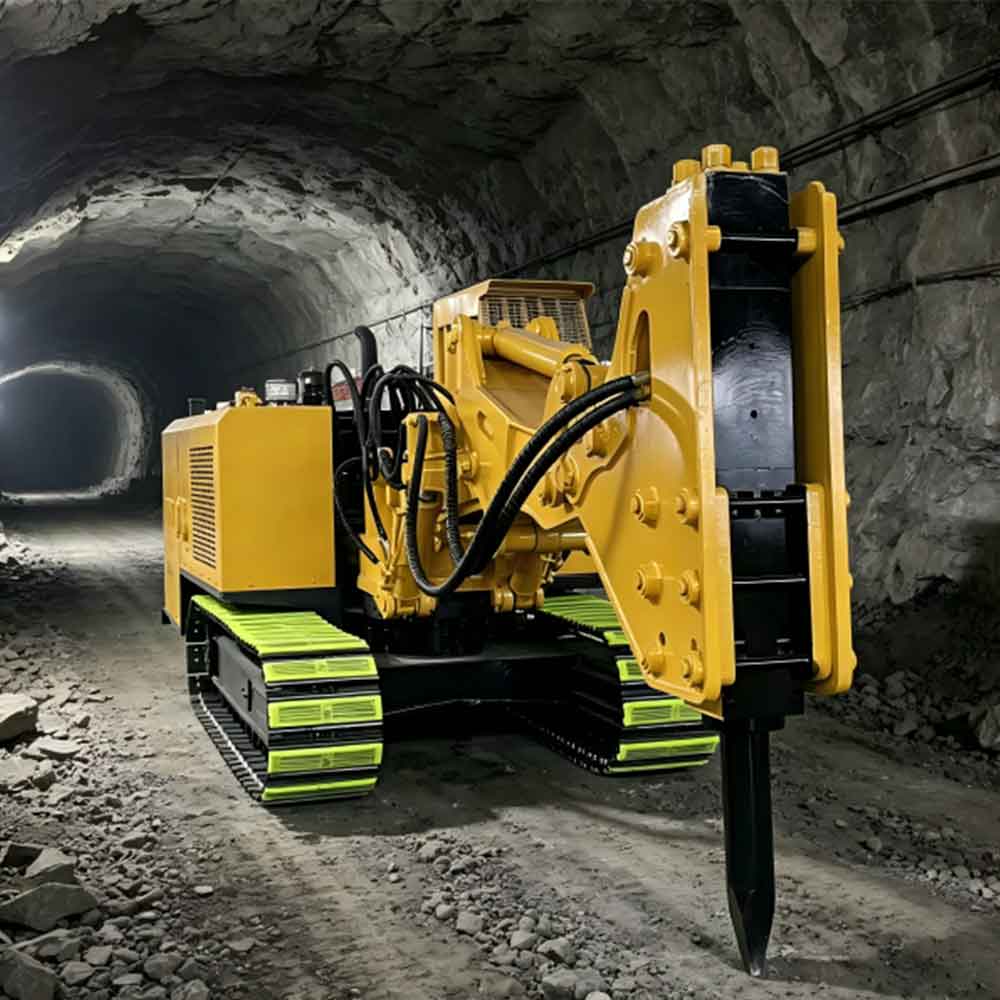
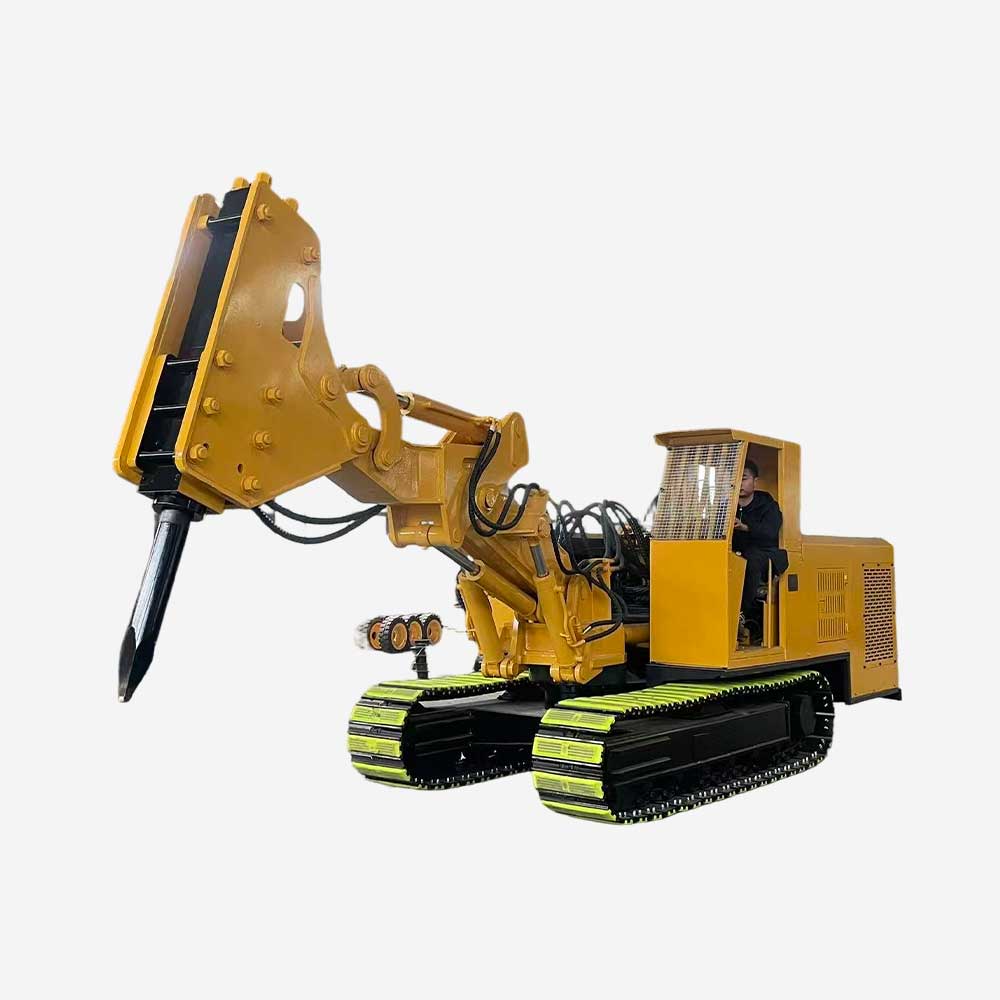
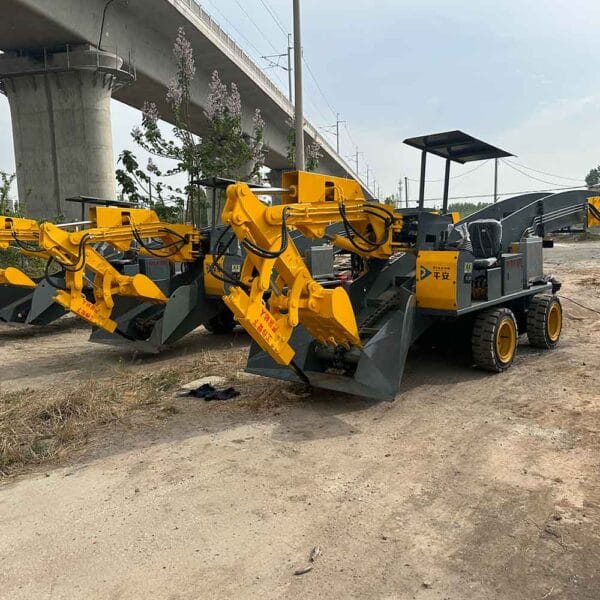
A muck machine is purpose-built for underground conditions. Unlike surface loaders or modified construction equipment, it is designed around three constraints you deal with daily:
- Limited tunnel width and height
- Unstable, uneven ground
- Continuous, repetitive loading cycles
From a manufacturer’s perspective, the real value of a muck machine is not maximum power, but how efficiently it converts limited space into steady material flow.
A well-matched muck machine allows you to:
- Load faster without repositioning
- Reduce manual clean-up near the face
- Maintain consistent cycle times
- Protect tunnel lining and infrastructure
Case Example: Improving Advance Rate in a Narrow Tunnel
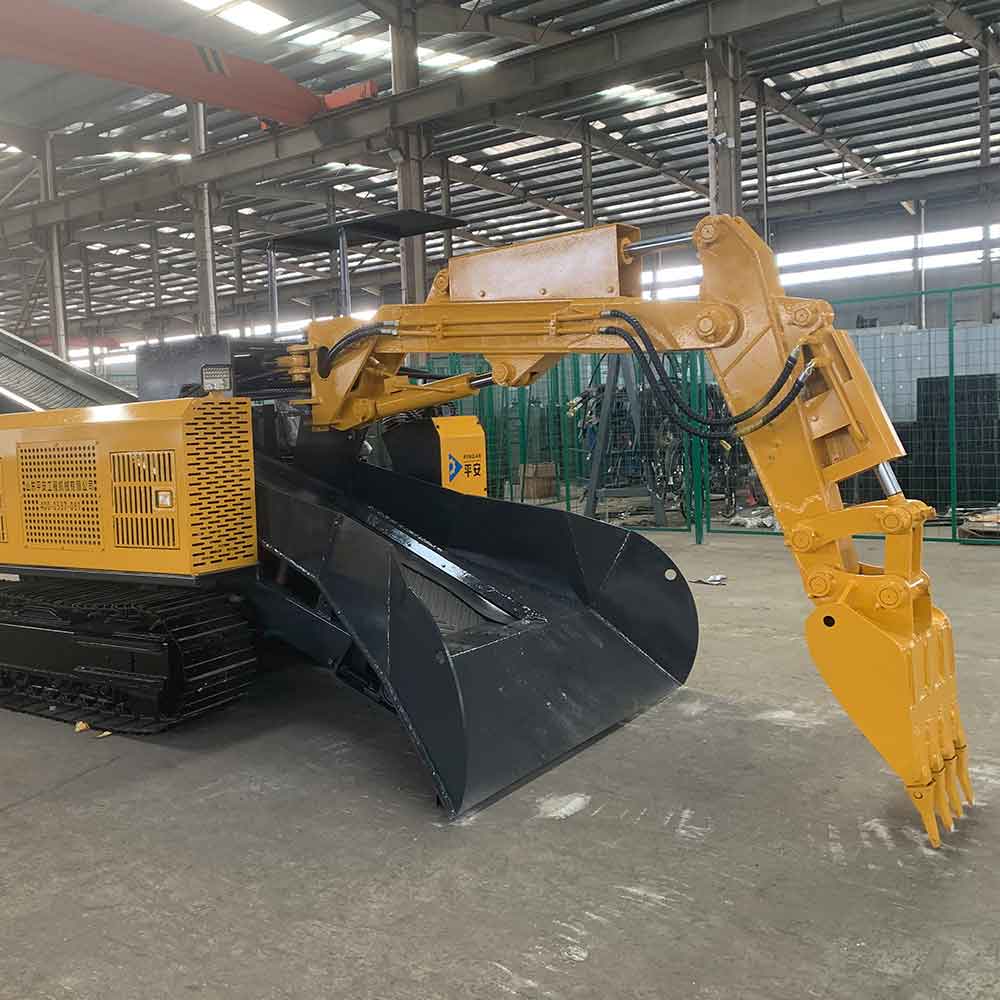
One underground mining contractor operating a 2.2-meter-wide tunnel struggled with slow progress despite sufficient blasting results. Their existing loader required frequent repositioning and left residual muck near the walls.
After switching to a compact muck machine with optimized bucket geometry and articulated steering, the results were measurable within weeks:
- Average loading cycle time reduced by 18%
- Daily tunnel advance increased from 2.6 m to 3.2 m
- Manual cleanup labor reduced significantly
- Equipment damage near tunnel walls dropped noticeably
This improvement did not come from higher power, but from better adaptation to tunnel constraints.
Key Factors You Should Evaluate Before Choosing a Muck Machine
Tunnel Geometry and Turning Radius
Your tunnel profile determines far more than machine width. Turning radius, articulation angle, and bucket reach all influence how efficiently you can load and reverse without wasting time.
If your tunnel includes curves or variable cross-sections, compact articulation becomes critical.
Material Characteristics
Not all muck behaves the same. Broken coal, fractured rock, and mixed debris require different bucket designs and breakout forces. A bucket optimized for loose material may struggle with sticky or oversized fragments.
According to research shared by Mining Technology, matching bucket design to material type can improve loading efficiency by up to 25%.
Haulage Integration
Your muck machine does not operate alone. It must work smoothly with underground trucks or conveyors. Poor matching causes queuing, idle time, and congestion at the face.
You should evaluate loading height, discharge angle, and cycle synchronization with your haulage system.
Productivity Comparison Based on Machine Selection
Below is a simplified comparison based on field observations from multiple underground projects:
| Factor | Undersized Muck Machine | Properly Matched Muck Machine |
|---|---|---|
| Loading cycles per hour | Low and inconsistent | Stable and predictable |
| Manual cleanup required | Frequent | Minimal |
| Operator fatigue | High | Lower |
| Tunnel wall contact | Common | Rare |
| Overall advance rate | Restricted | Optimized |
The difference often becomes visible not in the first day, but over weeks of continuous operation.
Safety: The Hidden Cost of Poor Muck Handling
Safety is not only about protective equipment. Poor muck handling creates secondary hazards you may not immediately notice:
- Loose material left near the face
- Operators rushing to maintain output
- Increased foot traffic for cleanup
- Equipment damage causing unexpected downtime
Industry safety analysis from International Mining shows that housekeeping-related incidents account for a significant portion of underground injuries. A reliable muck machine directly reduces these risks by keeping the working area clean and predictable.Maintenance and Long-Term Cost Control
From a manufacturer’s service data, one of the biggest cost drivers is not fuel or wear parts, but unplanned downtime caused by misuse or mismatched equipment.
You can reduce lifetime cost by focusing on:
- Reinforced bucket edges for abrasive material
- Accessible maintenance points for daily inspection
- Durable articulation joints
- Cooling systems designed for low-ventilation environments
Preventive maintenance strategies recommended by Mining Magazine indicate that well-maintained underground loaders can extend service intervals by over 30%, directly lowering total ownership cost.
How Manufacturers Optimize Muck Machines for Underground Use
From the manufacturing side, designing a muck machine for underground mining involves balancing conflicting demands:
- Compact size versus sufficient breakout force
- Maneuverability versus structural strength
- Operator comfort versus minimal cabin footprint
This is why customization matters. A manufacturer experienced in underground mining can adapt chassis length, bucket shape, and hydraulic response to your actual working conditions instead of offering a one-size-fits-all solution.
Integrating a Muck Machine into Your Mining Workflow
To maximize return on investment, you should treat the muck machine as part of a system rather than a standalone purchase.
Ask yourself:
- Does it match my drilling and blasting cycle?
- Can it maintain output during ventilation downtime?
- Does it reduce reliance on manual labor?
- Is it compatible with future tunnel extensions?
Planning these factors upfront prevents costly replacements later.
Data-Driven Impact on Operational Efficiency
Internal production tracking from multiple underground projects shows that optimized muck handling can contribute to:
- 15–30% improvement in daily advance rates
- Reduced equipment congestion at the face
- More predictable shift planning
- Lower incident rates related to cleanup
These gains compound over the life of a project, especially in long tunnels.
Making the Right Decision for Your Operation
Choosing a muck machine is not just about buying equipment; it is about shaping how your underground operation performs every single day. When the machine fits your tunnel, material, and workflow, you gain more than productivity. You gain predictability, safety, and long-term cost control.
As an underground mining equipment manufacturer, our experience shows that the most successful projects are those where equipment decisions are made with the entire mining system in mind, not just individual specifications.
If you are planning to upgrade or select a muck machine for your underground operation, take the time to evaluate real working conditions and consult experienced manufacturers who understand underground challenges from the inside out.
Your tunnel progress depends on it.
FAQ
What is a muck machine mainly used for?
A muck machine is used to load and remove blasted or excavated material from underground tunnels efficiently and safely.
How do I know if my muck machine is undersized?
Signs include frequent repositioning, slow loading cycles, excessive manual cleanup, and operator fatigue.
Can a muck machine work in very narrow tunnels?
Yes, compact models are specifically designed for narrow and low-clearance tunnels when properly selected.
How does a muck machine improve safety?
By reducing loose material, minimizing manual cleanup, and maintaining a cleaner working face.
How long does a muck machine typically last?
With proper maintenance and correct application, service life can extend significantly beyond standard expectations.
Should I customize my muck machine?
If your tunnel geometry or material conditions are unique, customization can dramatically improve performance and reduce costs.