Welcome to My Blog!
Before we dive into the content, I’d love for you to join me on my social media platforms where I share more insights, engage with the community, and post updates. Here’s how you can connect with me:
Facebook:https://www.facebook.com/profile.php?id=61581847841977
Now, let’s get started on our journey together. I hope you find the content here insightful, engaging, and valuable.
Table of Contents
Introduction
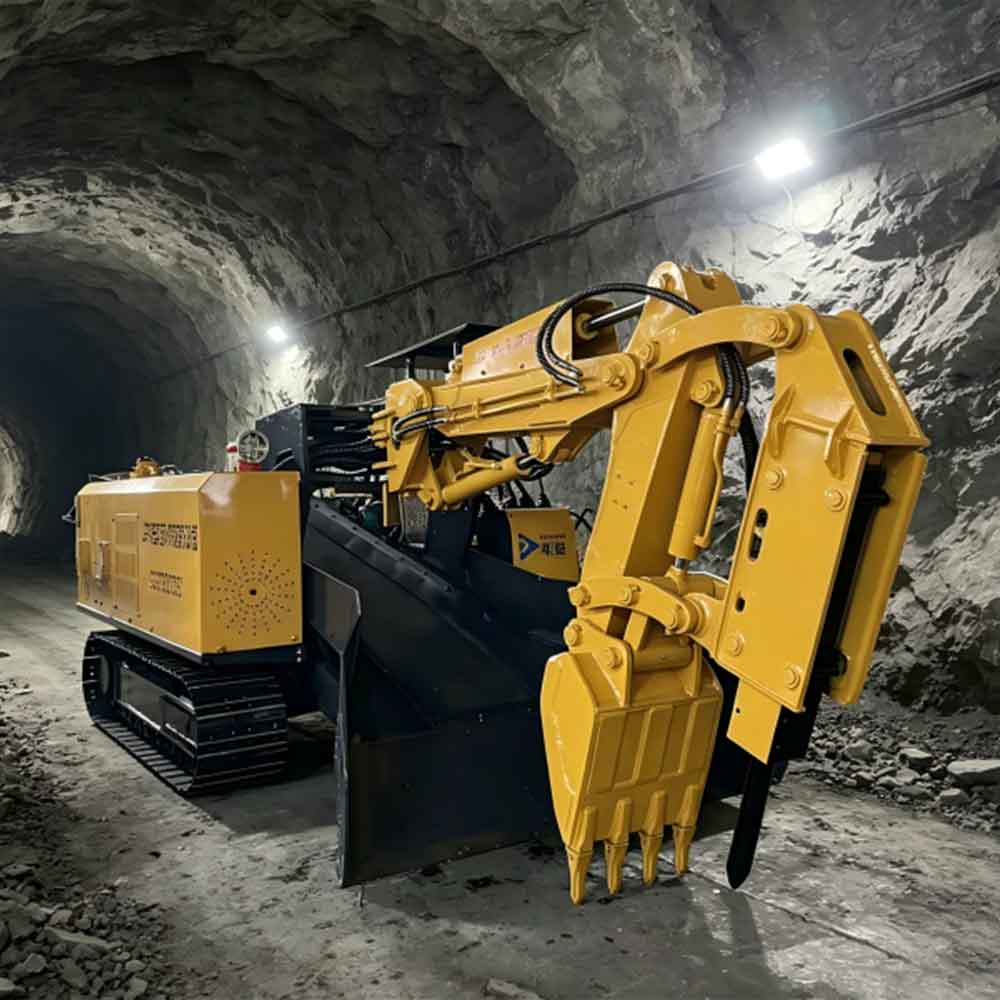
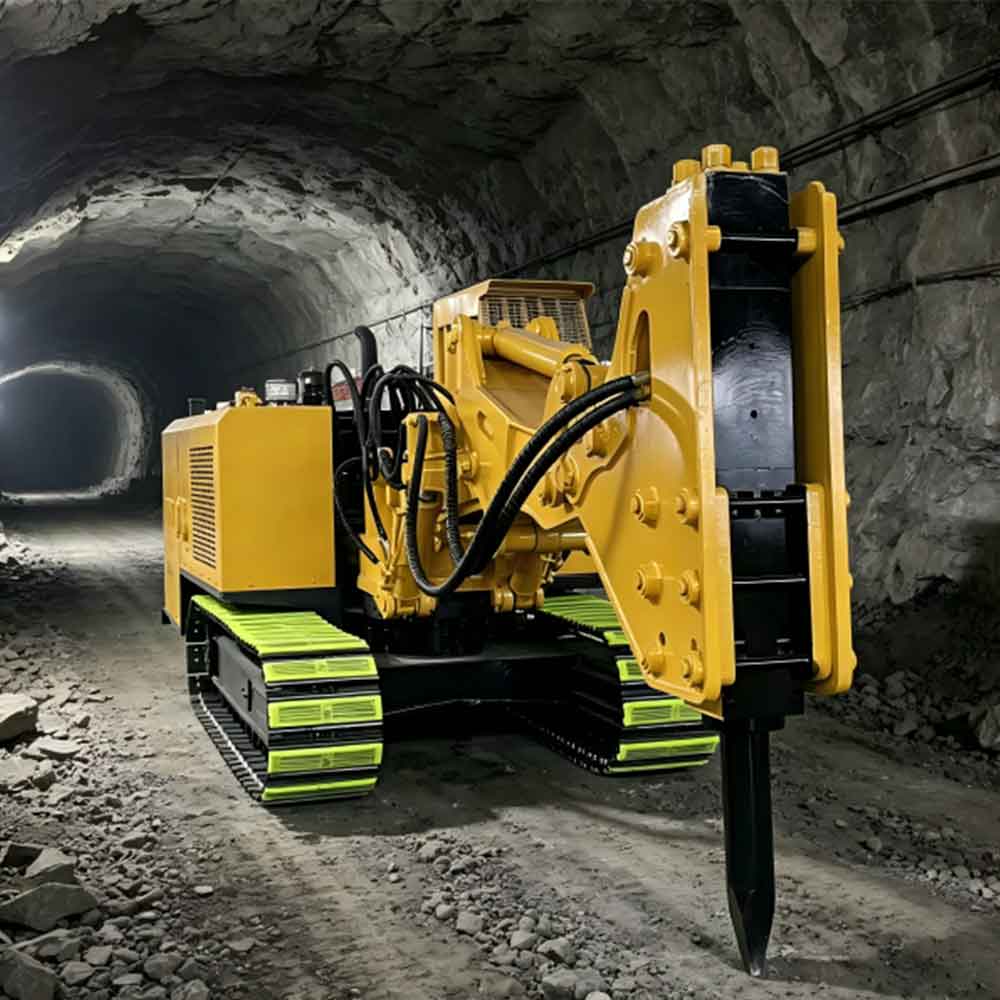
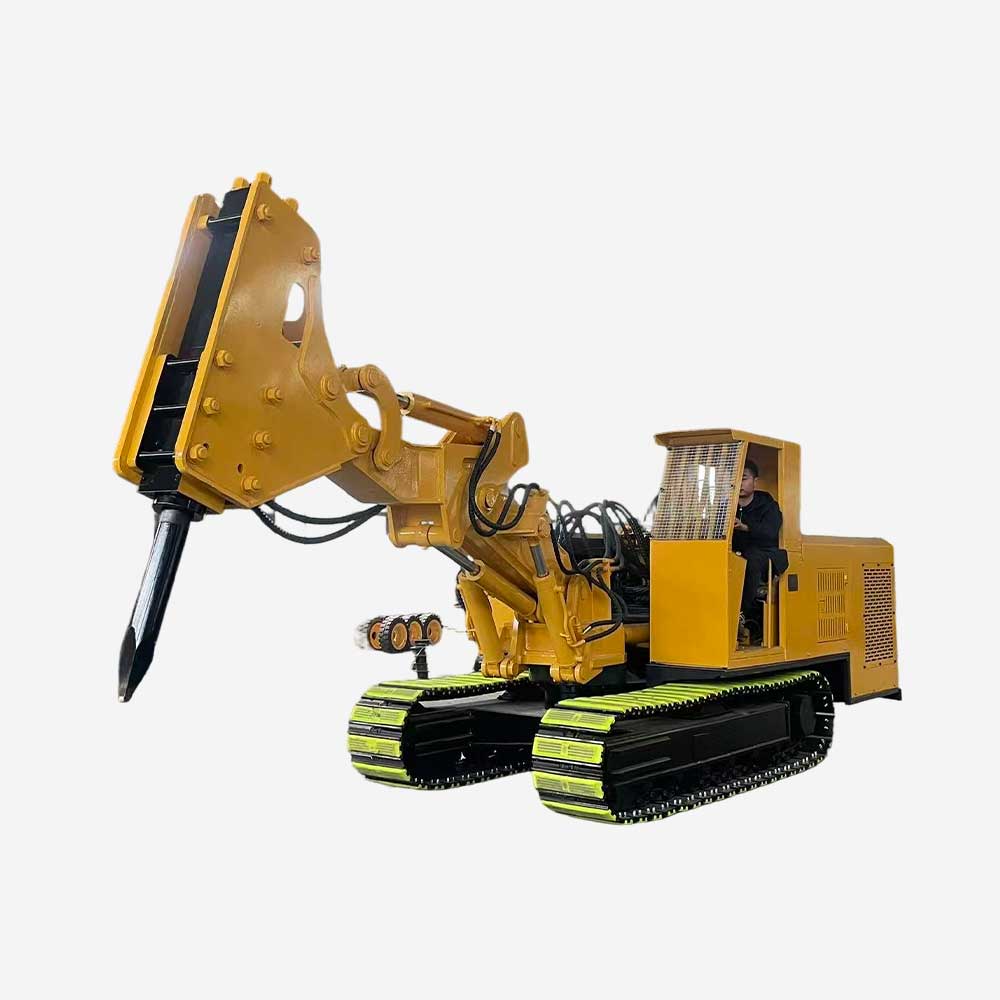
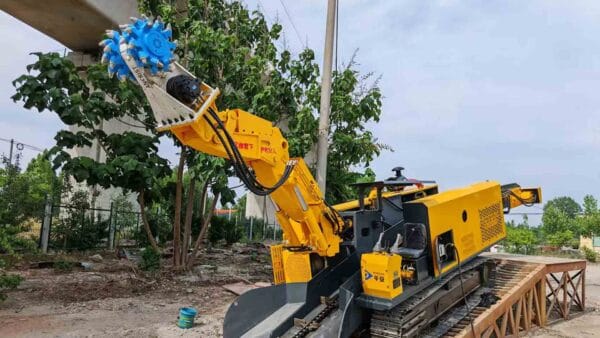
A small tunnel boring machine is a compact, mechanized piece of equipment used to excavate tunnels in confined or restricted spaces. Unlike large-scale TBMs, which are suitable for major infrastructure projects, small TBMs are ideal for narrow or limited-access tunnels, such as utility passages, underground mines, or urban construction projects.
Using a small tunnel boring machine can drastically improve efficiency, reduce labor costs, and minimize disruption to surrounding areas. Operators can achieve precise tunnel dimensions, ensuring structural integrity and safety.
How a Small Tunnel Boring Machine Works
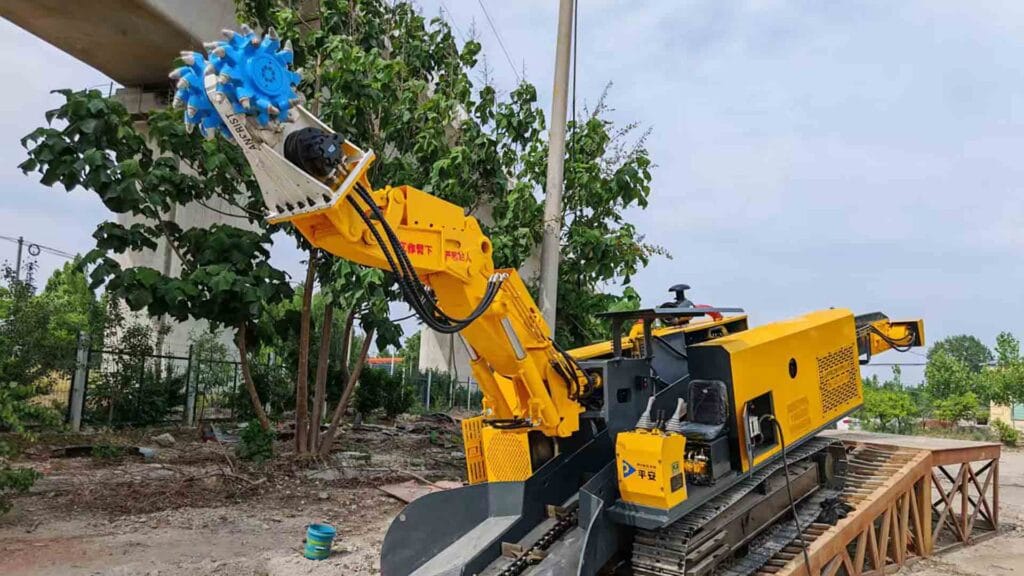
The working principle of a small tunnel boring machine involves a rotating cutter head at the front of the machine, which breaks and removes soil, rock, or other materials. Excavated material is transported through a conveyor system or muck cart to the surface.
Hydraulic and mechanical systems provide power to the cutter head, supporting continuous excavation without frequent stops. The compact design allows the machine to operate in tunnels with limited height or width while maintaining high accuracy. According to industry research on small-scale tunneling, mechanized TBMs can reduce excavation time by up to 40% compared to traditional methods.
Types of Small Tunnel Boring Machines
Small TBMs can be classified based on tunnel size, geology, and operational requirements:
- Earth Pressure Balance TBM: Ideal for soft ground or mixed soil conditions.
- Slurry TBM: Suitable for water-bearing or unstable ground.
- Mini Hard Rock TBM: Designed for small tunnels in rocky terrain.
- Micro TBM: Ultra-compact for extremely narrow passages, ideal for utility or drainage tunnels.
Key Benefits of Using a Small Tunnel Boring Machine
Using a small tunnel boring machine offers several advantages:
- Enhanced Precision: Accurate tunnel dimensions reduce the need for secondary lining or corrections.
- Efficiency: Continuous excavation and automated material removal increase daily output.
- Safety: Operators remain in a protected cabin, minimizing exposure to hazardous conditions.
- Reduced Disruption: Compact machines produce less vibration and noise, protecting nearby structures.
- Versatility: Capable of operating in various soil types, rock conditions, and tunnel geometries.
Safety Features and Operational Considerations
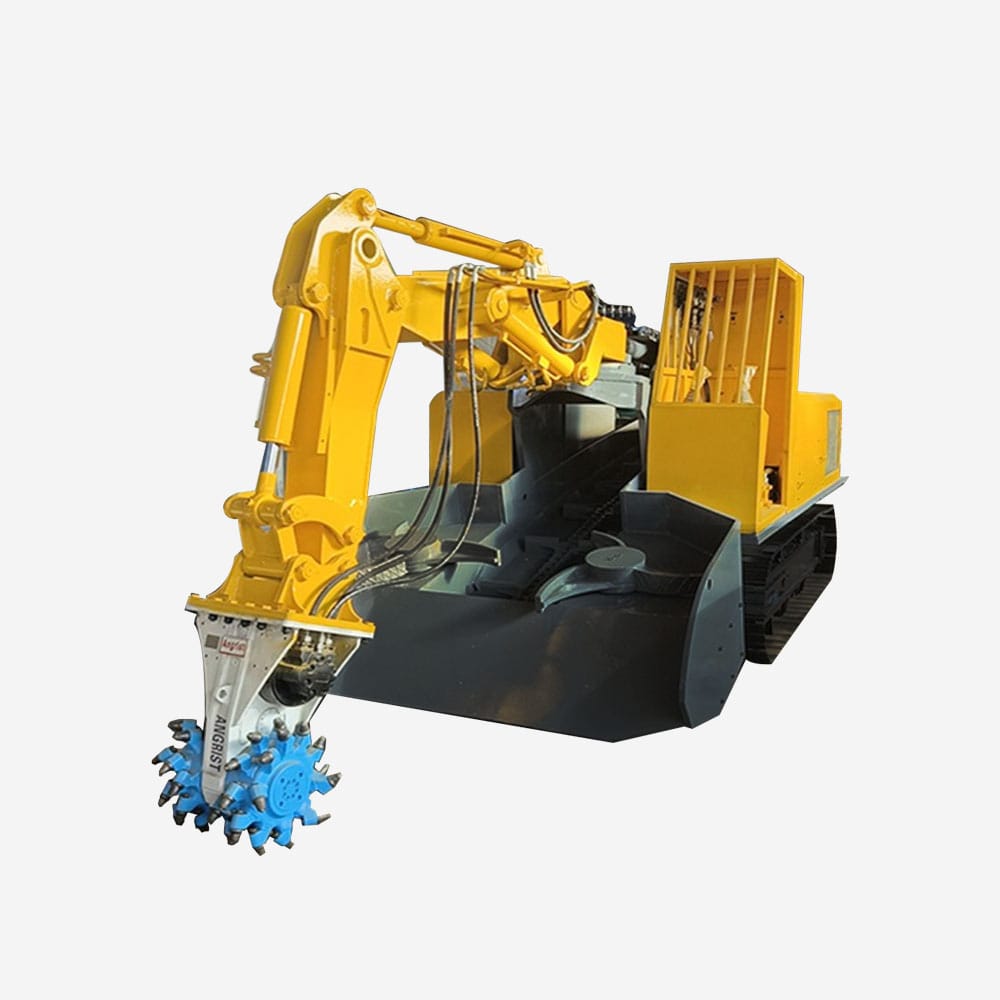
Small TBMs are engineered for operator safety and site stability:
- Reinforced cabins with ergonomic controls
- Automated monitoring systems for cutter head rotation and torque
- Anti-vibration systems to protect equipment and surrounding structures
- Emergency stop and hydraulic safety mechanisms
Following site-specific protocols and regular inspections ensures the machine operates safely and efficiently throughout the project.
Maintenance and Reliability
Proper maintenance is crucial for small TBMs to maintain performance and minimize downtime:
- Regular inspection of cutter heads, conveyor belts, hydraulic lines, and electrical systems
- Scheduled lubrication and replacement of wear parts
- Use of modular components for faster repair and part replacement
Industry reports indicate that preventive maintenance can extend a small TBM’s service life and reduce unplanned downtime by over 25%.
Applications of Small Tunnel Boring Machines
Small tunnel boring machines are used in:
- Utility tunnels for water, gas, and electrical conduits
- Underground mining passages
- Urban infrastructure and drainage tunnels
- Specialized access tunnels in constrained environments
Their adaptability makes them indispensable in projects requiring precision, compactness, and efficiency.
Choosing the Right Small Tunnel Boring Machine
When selecting a small TBM, consider:
- Tunnel Dimensions: Ensure the machine fits within height and width constraints.
- Ground Conditions: Soil type, rock hardness, and water presence affect TBM selection.
- Project Length and Output: Match cutter head capacity and excavation speed to project requirements.
- Consulting Experts: Suppliers or tunneling specialists can recommend models that maximize efficiency and safety.
Comparison Table of Small Tunnel Boring Machines
| Machine Type | Suitable Tunnel Diameter | Ground Type | Key Strengths | Typical Applications |
|---|---|---|---|---|
| Earth Pressure Balance TBM | 1–3 meters | Soft soil, mixed ground | Maintains tunnel face pressure, stable excavation | Utility tunnels, soft soil areas |
| Slurry TBM | 1–3 meters | Water-bearing or loose soil | Controls slurry pressure, prevents collapses | Drainage and wet soil tunnels |
| Mini Hard Rock TBM | 0.8–2 meters | Hard rock | High penetration rate, durable cutter head | Underground mining, rock tunnels |
| Micro TBM | 0.5–1 meter | Soil and small rock | Ultra-compact, high maneuverability | Small utility or drainage tunnels |
Conclusion
A small tunnel boring machine is a game-changer for construction and mining projects with confined tunnel spaces. Its efficiency, precision, and safety make it an indispensable tool for utility, drainage, and underground projects. Selecting the right machine, combined with proper maintenance and operation, ensures consistent performance and maximized productivity.
If you are planning a tunnel project in tight or restricted spaces, our experts can guide you in choosing the ideal small tunnel boring machine for your needs. Contact us today for a personalized consultation and ensure your project is safe, efficient, and successful. Don’t wait—reach out now to optimize your tunneling operations!
FAQ
What is the difference between a small TBM and a standard TBM?
Small TBMs are designed for tight spaces with limited height and width, while standard TBMs are suited for large-scale tunnels in open areas.
Can small TBMs handle rocky conditions?
Yes, mini hard rock TBMs are specifically designed for narrow tunnels in rocky terrain.
How often should a small TBM be maintained?
Regular maintenance based on operating hours and component wear is recommended to ensure reliability and efficiency.
Where can I get expert consultation for small tunnel boring machines?
Equipment suppliers and tunneling specialists can assess your project requirements and recommend suitable machines.